
PLEASE NOTE: The information in this blog is for educational purposes only. It is not a substitute for professional medical advice. Consult your healthcare provider if you’re seeking medical advice, diagnosis, or treatment.
Beef liver is one of the most nutrient-dense foods on the planet. We now know that this organ meat contains impressive levels of bioavailable vitamins A, B12, iron, copper, and numerous other critical nutrients (1).
Traditional cultures from the Greeks to the Babylonians prized it as a sacred food, and modern science now confirms why.
But what are the dangers of eating liver? Before you add it to your plate, you need to understand the real dangers of eating liver, from heavy metal accumulation to vitamin A concerns, and exactly how to minimize each risk.
This guide walks you through both sides so you can make an informed decision.
Table of Contents
Quick Answer (TL;DR)
The biggest dangers of eating liver come from low-quality sources of liver and include exposure to heavy metals, pesticides, antibiotic residues, harmful bacteria, mycotoxins, and potential vitamin A toxicity. Most of these risks are manageable when you source grass-fed, pasture-raised liver from a reputable producer, handle it properly, and eat it in reasonable amounts.
What Makes Beef Liver Worth the Risk?
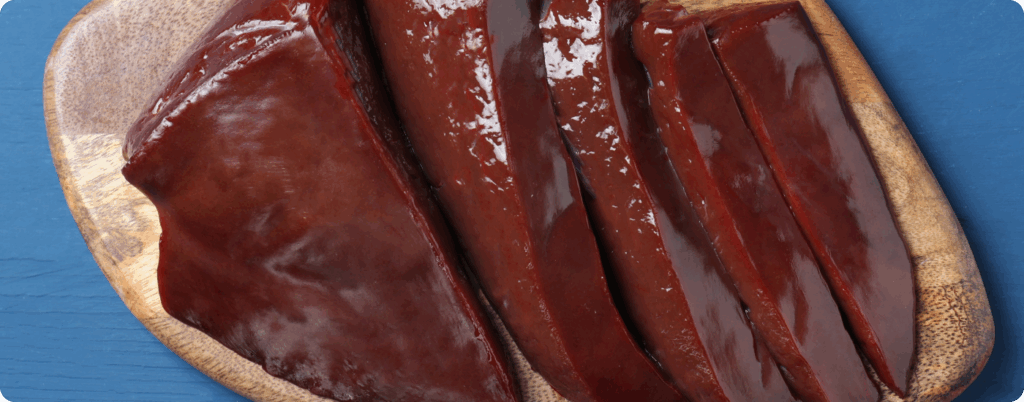
Beef liver is often considered one of the most nutrient-dense foods on the planet. Unsurprisingly, it can offer a variety of potential health benefits.
Beef liver is an excellent source of protein, vitamin A (retinol), riboflavin, pantothenic acid, vitamin B6, niacin, vitamin B12, copper, zinc, iron, and phosphorus, while also serving as a good source of manganese (2).
In particular, beef liver is renowned for its vitamin A content, a vitamin that is crucial for the immune system, vision, and bone, skin, and reproductive health (3, 4).
One of liver’s greatest advantages is the exceptional bioavailability of its nutrients. Studies show that about 3.5 ounces of liver daily can fulfill up to 50% of recommended intake for B vitamins, zinc, selenium, iron, and 100% of vitamin A requirements (5).
Why bioavailability matters: The nutrients in liver are not just present. They are in forms your body actually absorbs and uses. That is why organs like liver have long been called “nature’s multivitamin” in animal-based communities.
Ancient civilizations also recognized the importance of beef liver. The Greeks, Babylonians, and Egyptians even used beef liver to help cure night blindness (6). More recently, physicans and researchers have recognized the value of beef liver to help improve anemia in adults and children (7, 8).
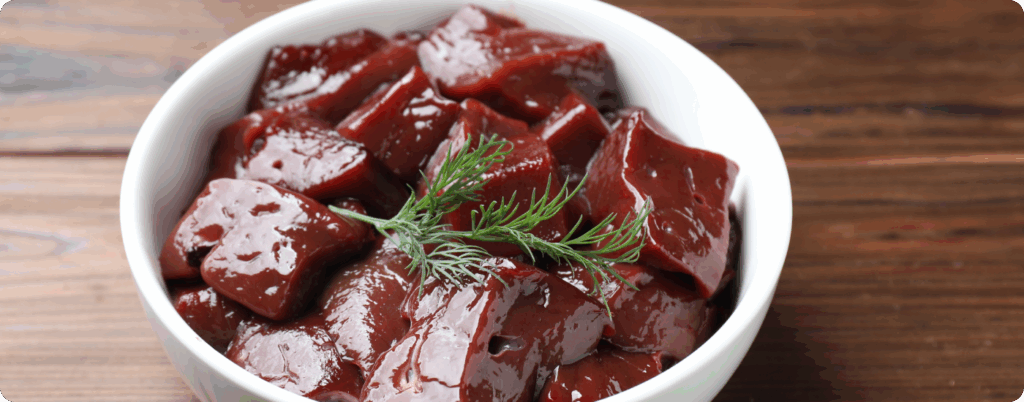
6 Real Dangers of Eating Liver
Despite the benefits, there are numerous potential dangers of eating liver. These include exposure to contaminants like pesticides, heavy metals, and even pharmaceuticals. As we’ll see, many of these concerns stem from agricultural or handling practices.
1. Heavy Metals
Heavy metals are widespread in the environment thanks to industrial waste, mining, sewage, contaminated soil, and other sources (9). These metals may lead to cancer, infertility, neurological disorders, cardiovascular illness, and genetic abnormalities (10, 11).
Thanks to soil, water, or feed contamination, heavy metals can be found in beef liver and other organ meats (12, 13).
Key takeaway: Heavy metal risk is one of the dangers of eating liver, but it is primarily a function of how and where the animal was raised, not an inherent feature of liver itself.
2. Pesticides
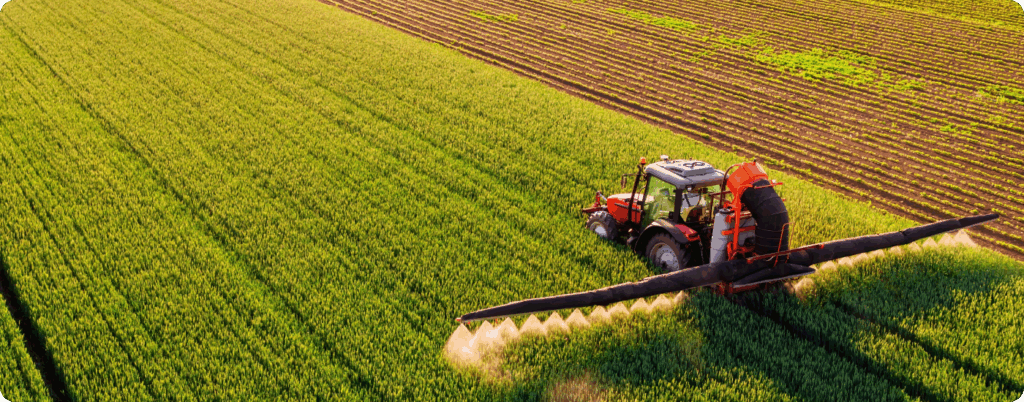
Pesticides used to control pests are now found in water, food, and soil and may contribute to cancer, diabetes, infertility, and Alzheimer’s or Dementia (14, 15). Unfortunately, pesticides may find their way into meat products like organs (16).
3. Antibiotic and Pharmaceutical Residues
Modern livestock farming regularly uses antibiotics to increase the rate of animal growth and help prevent, control, or treat disease in animals (17). Antibiotic residue can then find its way onto your plate, making it one of the dangers of eating liver from low-quality sources.
Antibiotic exposure is connected to various concerns such as antibiotic resistance, allergies, digestive issues, immune system impairment, and other serious issues (18, 19).
Antibiotics have also become a major concern in all corners of the food supply. While animal foods like meat and organs receive much of the blame, antibiotics have even been found in fruits and vegetables (20).
4. Harmful Bacteria
Studies examining beef liver around the globe have found contamination with pathogens including Salmonella typhimurium, Salmonella enteritidis, and Escherichia coli O157:H7 (21, 22). These pathogens can stem from improper preparation or storage, which is why it’s crucial to know the source of your beef liver.
5. Mycotoxins
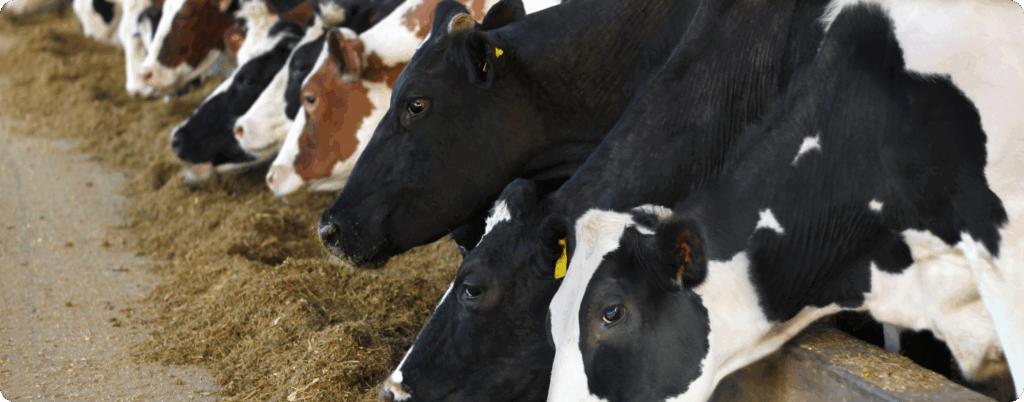
Mycotoxins are compounds produced by certain fungi that can lead to disease in humans and other animals (23). Mycotoxins such as aflatoxin in can find their way into beef liver, making it one of the dangers of eating liver, thanks to contaminated feed (24).
6. Vitamin A Concerns
What the concern actually is
One of the most commonly discussed dangers of eating liver is vitamin A toxicity, as it is one of the richest food sources of this key vitamin (25). Vitamin A toxicity may occur in two forms: acute or chronic.
Acute toxicity can occur due to the intake of 25,000 IU/kg or more of vitamin A and may lead to symptoms like diarrhea, nausea, or vomiting (26). Chronic toxicity can arise due to long-term (6-15 months) excessive vitamin A consumption
Why it is rarely a real-world problem
Vitamin A toxicity is a rare condition that often occurs due to improper use of supplements, accidental ingestion by children, or overconsumption of wild game liver (27, 28). It is not considered a public health concern. For example, between 1976 and 1987, there were fewer than 10 reported cases each year.
Learn more: Vitamin A Toxicity: Is the Danger Real?
How To Eat Beef Liver Safely: 4 Practical Strategies
It’s a sad reality, but many “healthy” foods in the modern world can still possess harmful contaminants. Beef liver is no different. It may take more time and energy to find high-quality sources, but liver can still be safely added to your diet, despite the dangers of eating liver we’ve discussed.
Here are 4 strategies to consider:
1. Talk to a Local Rancher
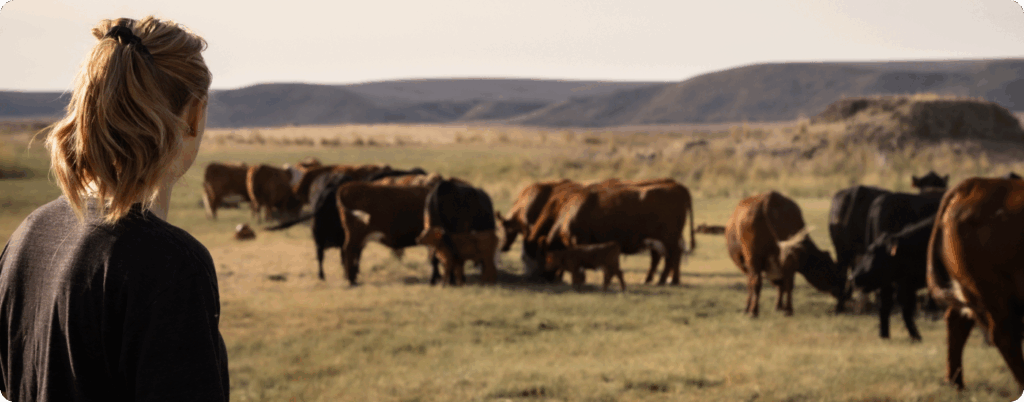
Going directly to the source is a powerful way to understand the potential dangers of eating liver. By talking to a local rancher, you can gain a deep understanding of the animals diet, if they were exposed to antibiotics, vaccines, or other pharmaceuticals. You’ll also gain insight into their processing and storage techniques.
2. Choose Grass-Fed Liver
Grass-fed and grass-finished animals typically have access to more natural diets and environments, which can result in better overall health and potentially lower accumulation of environmental toxins. Plus, some contaminants such as mycotoxins are regularly found in feed (29, 30).
3. Use a High-Quality Supplement
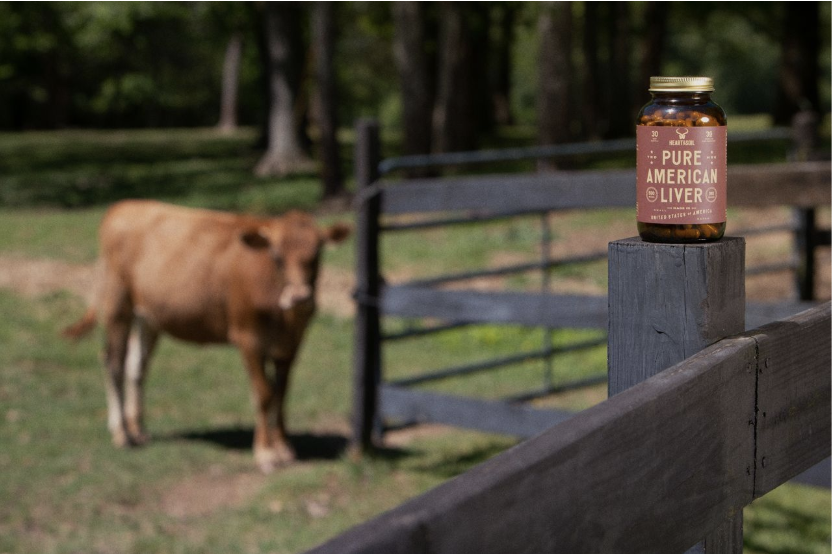
Another strategy is to use supplements. For some, the taste of fresh liver is unappealing, or you simply don’t have access to high-quality organ meats. Supplements are not only incredibly nutrient-dense and convenient, but they can also be regularly tested for a wide variety of contaminants.
Not only are the organs from Heart & Soil tested for heavy metals, pesticides, and other contaminants, but they’re also 100% additive, hormone, allergen, antibiotic, & GMO-free.
If you’re looking specifically for a beef liver supplement, Pure American Liver is made with 100% American Beef from grass-fed & pasture-raised cattle. The vitamins, minerals, peptides, and enzymes found in Pure American Liver can support your daily energy, strength, and vitality.
Nature's Ultimate Superfood
From Pure American Liver
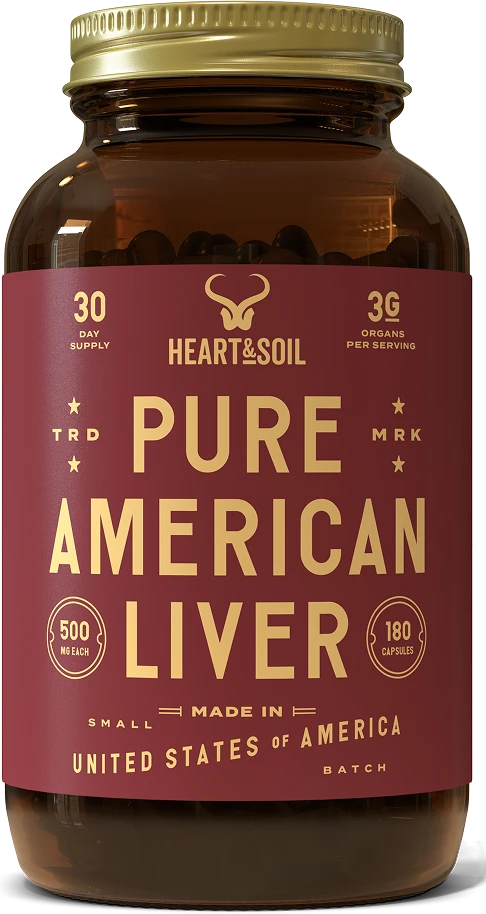
- Whole-food support for strength, energy, & vitality
- 100% American liver from grass-fed & pasture-raised cattle
- Nature's #1 superfood, freeze-dried to retain bioavailability
60-day risk-free guarantee. No questions asked.
4. Cook It Properly
Many people who trust their source of beef liver choose to consume raw liver, but consuming undercooked or raw beef liver can lead to potential food safety risks.
Beef liver can be grilled, braised, or pan-fried. The USDA suggests that cooked beef liver reach an internal temperature of at least 160°F (71°C).
FAQ: Frequently Asked Questions
Is it safe to eat beef liver every day? Eating liver daily in large amounts increases the risk of vitamin A toxicity over time. Most animal-based practitioners recommend 0.5-1oz of fresh liver daily or up to 7 ounces of fresh liver a week. If you are using a supplement like Pure American Liver from Heart and Soil, follow the serving guidance on the label.
Is grass-fed liver safer than conventional liver? Yes, in most respects. Grass-fed and grass-finished cattle are less likely to have been exposed to antibiotics, mycotoxin-contaminated feed, and certain pesticides. They also tend to have a better overall nutrient profile.
Can liver detox your body? The liver filters toxins rather than storing them permanently, but it can accumulate certain compounds like heavy metals when the animal is raised in a contaminated environment. Sourcing matters more than any downstream “detox” strategy.
Is raw liver safe to eat? Raw liver carries a higher risk of bacterial contamination from pathogens like Salmonella and E. coli O157:H7 (21, 22). If you choose to eat it raw, sourcing from a trusted, high-quality producer is essential.
What does Heart and Soil test for in their organ supplements? Heart and Soil tests for heavy metals, pesticides, and other contaminants. All products are 100% free of additives, hormones, allergens, antibiotics, and GMOs.
The Bottom Line: Beef Liver is Considered a Superfood
Even though beef liver offers unparalleled nutritional benefits, including exceptional levels of vitamin A, B vitamins, iron, and other essential nutrients, legitimate concerns exist regarding heavy metals, antibiotic residues, bacterial contamination, and other contaminants. These are the dangers of eating liver.
However, sourcing high-quality, grass-fed liver from reputable producers, preparing it properly, consuming appropriate portions, and factoring in your specific health needs can help minimize risks while still allowing you to reap the health benefits of beef liver.
Subscribe to future articles like this:
