
PLEASE NOTE: The information in this blog is for educational purposes only. It is not a substitute for professional medical advice. Consult your healthcare provider if you’re seeking medical advice, diagnoses, or treatment.
What if 25% of global healthcare costs could be wiped out just by paying attention to one key vitamin?
According to some estimates, this is exactly what would happen if vitamin D levels were improved around the globe (1).
As you’ll learn, vitamin D can make or break your health. Unfortunately, due to modern lifestyles and other challenges, around 50% of the globe is not getting enough vitamin D for optimal health.
Table of Contents
Quick Answer
The best natural sources of vitamin D3, ranked from highest to lowest, are:
- Cod liver oil (~1,360 IU per tablespoon)
- Wild-caught fatty fish (salmon, trout, mackerel, sardines, herring: 300–600 IU per 3oz serving)
- Organ meats (beef liver: ~68 IU per 3oz; beef kidney: similar range)
- Eggs (~40 IU per yolk, higher in pasture-raised)
- Dairy products (butter, whole milk: small amounts naturally; fortified milk adds 100 IU per cup)
Vitamin D3 comes almost exclusively from animal foods. Sunlight remains the most potent source of all, capable of generating over 3,000 IU in as little as 5 to 10 minutes of full-body exposure.
What is Vitamin D3 and Why Does it Matter?
Vitamin D (sometimes called the sunshine vitamin) is a fat soluble vitamin meaning it’s stored throughout the body (mainly in the liver and fatty tissues) and is absorbed along with fat when consumed orally (2).
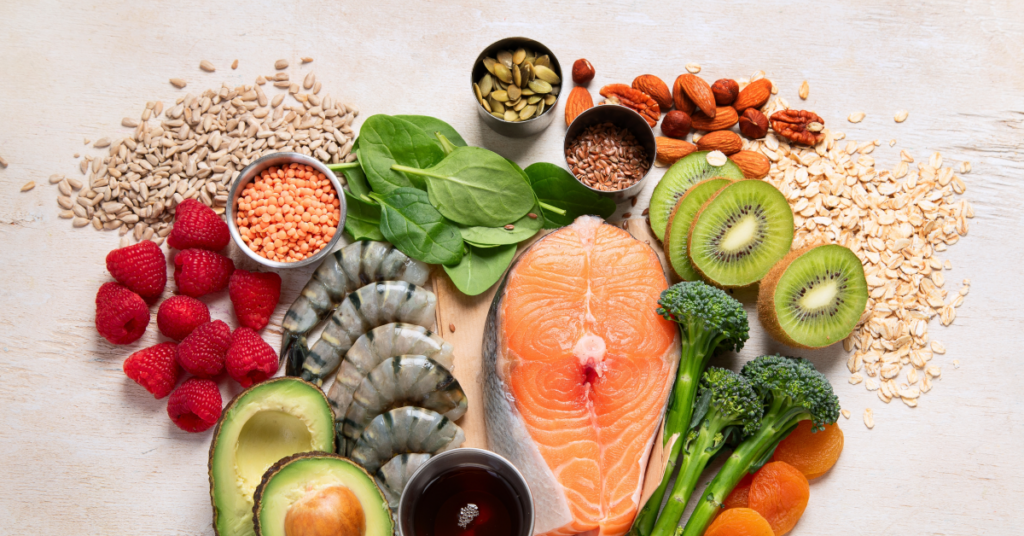
Vitamin D comes in two main forms: D2 (ergocalciferol) and D3 (cholecalciferol). Vitamin D2 comes from plants and fungi (such as mushrooms), while vitamin D3 comes from dietary sources (mainly from animal foods like fatty fish) or from exposing the skin to sunlight (UV) (3, 4). Some plant-based drinks also tend to have added vitamin D2.
Both vitamin D2 and D3 are absorbed well in the small intestine and gut, but vitamin D3 is thought to contribute to higher levels of 25(OH)D levels in the blood (5, 6).
To say that vitamin D is incredibly important would be an understatement. This vitamin is connected to a wide range of positive health outcomes such as (7, 8):
- Immune system function
- Inflammation reduction
- Healthy bones
- Calcium absorption
- Improved PCOS symptoms
Despite its importance, vitamin D deficiency is a major problem worldwide.
Vitamin D Deficiency is a Global Problem
Between school, indoor gyms, and work, many humans now spend the bulk of their day indoors. This can spell trouble for both your vitamin D levels and your overall health.
Around 1 billion people have low vitamin D levels, and 50% of people have insufficient levels of vitamin D (9). Low levels of vitamin D are connected to an increased risk of bone fracture, infections, autoimmune disease, diabetes, sexual dysfunction, and certain cancers (10, 11).
Vitamin D3 deficiency is more common in African Americans, pregnant women, the elderly, children, and those who are obese (12). Certain gut issues like inflammatory bowel disease (IBD) and celiac disease can also contribute to vitamin D deficiency (13).
How Your Vitamin D Levels Are Determined
Your vitamin D levels can vary widely depending on many factors, including (14, 15, 16):
- Diet
- Sun exposure
- Where you live
- Body weight
- Gut health
- Skin color
- Age
- Seasonality
- Sunscreen usage
As UVB radiation from the sun doesn’t penetrate glass, sunlight through a window doesn’t produce vitamin D (17). Using sunscreen can also reduce the creation of vitamin D. An SPF 15 sunscreen can reduce vitamin D synthesis by 97% (18)!

The skin can still synthesize vitamin D if you’re obese, but greater amounts are stored in fat, meaning less is available for biological functions (19). Men and women with a body mass index (BMI) above 30 may require 2-5 times the amount of vitamin D (20).
Given that melanin in the skin reduces the ability to create vitamin D from the sun, African Americans tend to have lower levels of vitamin D compared to white Americans (21, 22). So, individuals with dark skin may need more sun exposure, more vitamin D3 foods or supplements to have adequate levels.
For breastfed infants, breast milk may not meet the babies needs, potentially leading to inadequate vitamin D intake (23). Older age groups are also more likely to avoid the sun and experience a lessened ability to synthesize vitamin D (24).
Vegans or vegetarians may be at risk of vitamin D deficiency (25, 26) because most Vitamin D3 foods come from animals.
Just like people, the vitamin D content of the foods you eat depends on sun exposure, diet, and other environmental factors.
The 15 Best Vitamin D3 Foods (Add These To Your Diet)
The Endocrine Society suggests that adults get 1500-2000 IUs of vitamin D per day (27). Given that many do not get enough vitamin D from the sun, vitamin D3 foods are crucial.
Here are 15 vitamin D-rich foods to consider adding to your diet (28, 29):
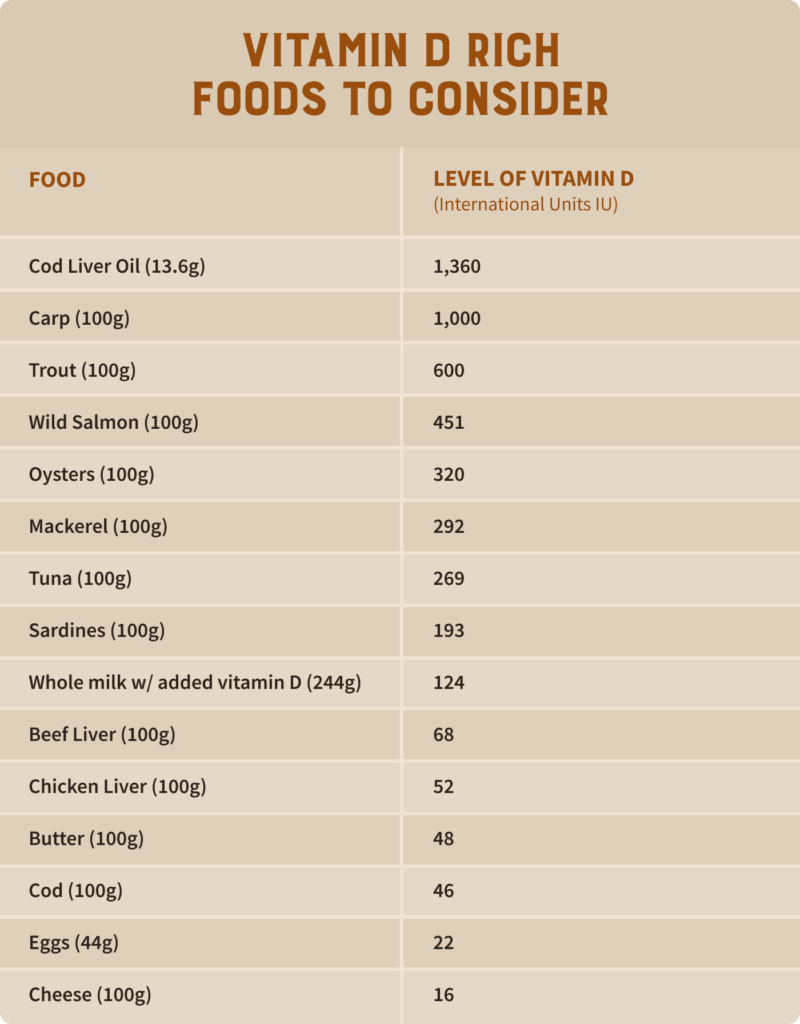
Please note that these values are not set in stone. The vitamin D3 levels of these foods can vary dramatically based on their environment, diet, fat content, and exposure to light (30).
Subscribe to future articles like this:
Seafood for Vitamin D3
Seafood provides some of the most potent vitamin D3 food sources. In particular, carp, trout, oysters, wild-caught salmon, sardines, tuna, and mackerel are loaded with this vitamin. One of the most notable natural sources of vitamin A, D3, and omega 3 fatty acids, is cod liver oil.
Wild-caught seafood tends to be a better source of vitamin D. For example, one study found that farmed salmon only contained about 25% of the amount found in wild salmon (31).
Organ Meats (Offal) for Vitamin D3
An often overlooked source of vitamin D is from organ meats, sometimes called offal. Beef liver and beef kidney don’t get the attention quite like steak or ground beef, but they are a useful source of vitamin D and other nutrients (32, 33).
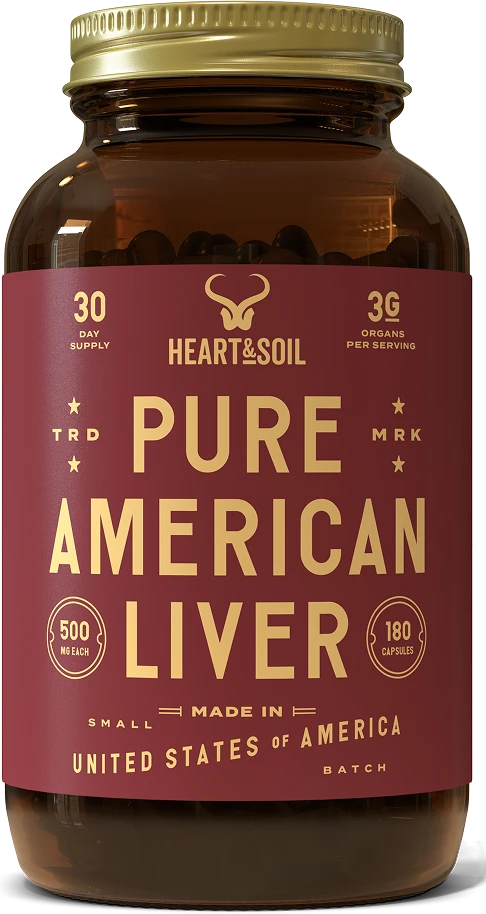
3 ounces of beef liver offers around 68 IU of vitamin D. If you don’t have access to beef liver or don’t enjoy the taste, Pure American Liveris an amazing option. Pure American Liver is sourced from American family farms and is rich in B vitamins and other essential nutrients for long-term health.
Nature's Ultimate Superfood
From Pure American Liver
- Whole-food support for strength, energy, & vitality
- 100% American liver from grass-fed & pasture-raised cattle
- Nature's #1 superfood, freeze-dried to retain bioavailability
60-day risk-free guarantee. No questions asked.
Dairy Products for Vitamin D3
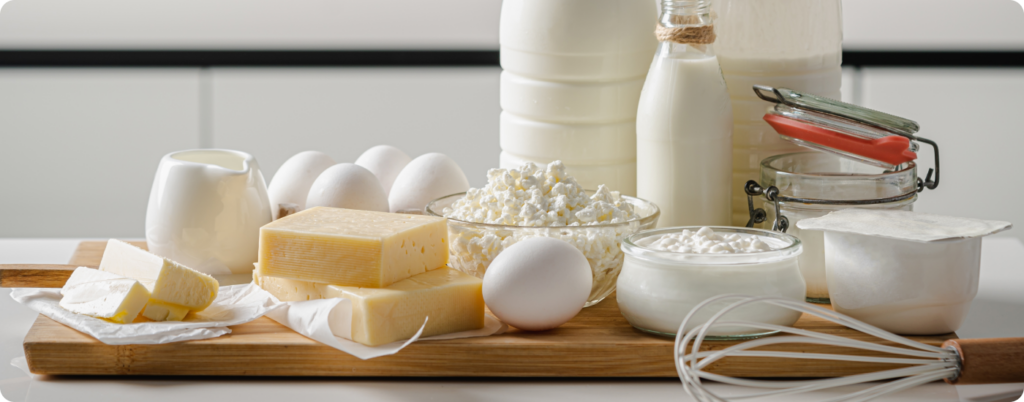
Along with orange juice, milk is commonly fortified with vitamin D to boost its nutritional value.
Milk producers began adding vitamin D in the 1930s to eradicate challenges like rickets, but dairy naturally contains small amounts of vitamin D3, along with protein, calcium, and other minerals (34, 35).
Due to the added fat content, butter is a richer source of vitamin D compared to non-fortified dairy products (36).
Eggs for Vitamin D3
Eggs are another food source that offers dietary vitamin D3 alongside selenium, choline, and B vitamins (37). Similar to seafood, the vitamin D levels in eggs depend on access to sunlight and diet. The majority of Vitamin D is found in the yolk (38, 39).
Why Sunlight Still Reigns Supreme
Even with so many vitamin D foods, sunlight exposure still reigns supreme for vitamin D synthesis (40). Most cases of vitamin D deficiency are due to lack of sun exposure (41). Studies have noted that 340,000 deaths per year in the United States are caused by insufficient sun exposure (42).

Some experts suggest 5-30 minutes of sun exposure, without sunscreen, at least twice per week for adequate vitamin D synthesis (43). To prevent deficiency, other experts suggest 20 minutes of daily exposure with 40% of your skin exposed (44).
Even a small amount of sun exposure (5-10 minutes) can offer more than 3,000 IUs of vitamin D (45). You’d need to eat over 135 eggs to get the same amount from food!
The skin also destroys excess vitamin D from the sun, preventing vitamin D toxicity (46).
What About Vitamin D Supplements?

Another popular option for vitamin D is supplements, but do they work? It depends.
For some with limited access to sunlight or vitamin D3 foods, supplements may be required to meet their needs (47, 48). If your vitamin D levels are in a healthy range, a supplement may not lead to any benefits (49).
Due to the consequences of vitamin D deficiency, supplementation can be crucial. 2000 IU (50 µg) daily is considered a safe and effective method to prevent and treat vitamin D deficiency in adults (50).
Vitamin D is generally viewed as safe, but intoxication can occur from extended periods of very high dosages, although this is quite rare (51).
If you’re thinking about starting a vitamin D supplement, it’s best to work with a medical professional to understand your current vitamin D status and any other relevant diet, medical, or lifestyle factors.
Frequently Asked Questions
Q: What is the best food source of vitamin D3? A: Cod liver oil is the most concentrated single food source, providing approximately 1,360 IU per tablespoon. Wild-caught fatty fish like salmon and trout are the best whole-food sources. Organs, offal meat, and whole blood extract are also a natural source of Vitamin D3.
Q: Does cooking destroy vitamin D in fish? A: No. Cooking does not significantly reduce the vitamin D content of fish, making it a reliable source regardless of preparation method.
Q: Is vitamin D2 from mushrooms as good as D3 from animal foods? A: No. Vitamin D3 from animal foods is more effective at raising serum 25(OH)D levels than vitamin D2 from mushrooms or fortified plant foods. D3 is the preferred form.
Q: Can you get enough vitamin D from food alone? A: For most people, food alone is not sufficient to maintain optimal vitamin D levels, particularly in northern latitudes or during winter months. Sunlight is the primary source, with food and supplements playing a supporting role.
Q: Are organ meats a good source of vitamin D? A: Yes. Beef liver provides approximately 68 IU per 3oz serving and is one of the few whole-food sources of vitamin D outside of seafood. It also delivers a broad spectrum of other fat-soluble vitamins and micronutrients that make it one of the most nutrient-dense foods available.
Q: Who is most at risk for vitamin D deficiency? A: People with darker skin tones, the elderly, individuals with obesity, those with gut conditions like IBD or celiac disease, breastfed infants, and vegans or vegetarians are all at elevated risk.
Support Your Iron Stores
With Lifeblood from Heart & Soil
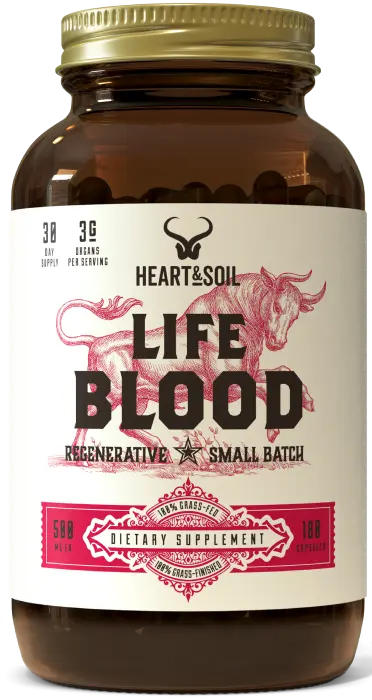
- Grass-fed whole blood extract, spleen, and liver
- Encourages red blood cell formation, oxygen delivery, and heart health
- Promotes stamina and exercise performance
60-day risk-free guarantee. No questions asked.
Learn More
- 6 Reasons Why Grass-Fed Colostrum is an Impressive Superfood
- 10 Tips to Lower Blood Pressure Naturally
- Heart & Soil Guide to Balanced Hormones, Mood, and Libido
- The Best Pancreas Health Supplements: What the Science Says
- 15+ Tips to Naturally Improve Thyroid Function

The Bottom Line: Vitamin D3 Foods
Modern lifestyles offer a ton of benefits, but the comfort and conveniences can come at a cost. In particular, your health can suffer when you stray away from timeless habits like eating real Vitamin D3 foods, getting sunlight, and prioritizing sleep.
Despite its impact on your immune system, bone health, and much more, around 50% of the globe is not getting enough vitamin D from sunlight, food, or dietary supplements. This contributes to serious health conditions like fractures, autoimmune diseases, and poor sexual health.
Along with sunlight, animal foods are a powerful way to boost your intake of vitamin D and other critical nutrients.
Subscribe to future articles like this:
