
Medical Disclaimer: This article is not written to provide specific medical advice or to treat any medical condition. All information here is for educational purposes only. Consult your medical care team before making changes to your diet, lifestyle, or supplement routine.
Dealing with hypertension, more commonly known as high blood pressure, can feel overwhelming, especially when you don’t want to rely on medication.
If you’re already aware of your condition, this likely isn’t the first article you’ve read. You may have already sought a doctor’s opinion or even been prescribed medication to lower your blood pressure. Don’t give in yet…
Whether you have high blood pressure or want to take preventative measures, there’s good news: you can lower blood pressure naturally, without medication!
Some of these tips may sound unconventional. If your current physician doesn’t endorse them, we suggest seeking a second opinion from a doctor practicing functional medicine. Functional medicine practitioners are much more supportive of lifestyle changes that reduce dependence on pharmaceutical medications.
Table of Contents
Quick Answer
Can you lower blood pressure naturally without medication?
Yes. High blood pressure is largely driven by insulin resistance, chronic inflammation, and poor dietary choices, all of which respond to lifestyle intervention. Eliminating seed oils, eating an animal-based diet rich in organs and liver, prioritizing sleep, reducing stress, and adding targeted movement are the most effective evidence-backed strategies. Most people following these steps see measurable improvement within weeks, not months.
Hypertension: What Western Medicine Overlooks
More than 120 million Americans live with high blood pressure. This condition puts you at a much higher risk of heart attack, stroke, and other serious health issues. Many people are taking prescription medicine to help regulate their blood pressure. Others don’t even realize their blood pressure is high and have no idea of the serious health risks.
High blood pressure is tied to a wide range of factors, but most of the Western medical community overlooks insulin resistance and focuses heavily on reducing sodium intake and prescribing statin drugs.
If you have high blood pressure, don’t despair of eating unsalted food or taking drugs for the rest of your life. Sodium in its complex, naturally occurring form, is actually an ally, not an enemy (1). Once you see the role that inflammation and insulin resistance play in high blood pressure, the threat of sodium will largely disappear.
In this blog post, we’ll be discussing some of the causes of high blood pressure and what you can do to address root causes to lower blood pressure naturally instead of treating only the symptoms.
What is High Blood Pressure (Hypertension)?
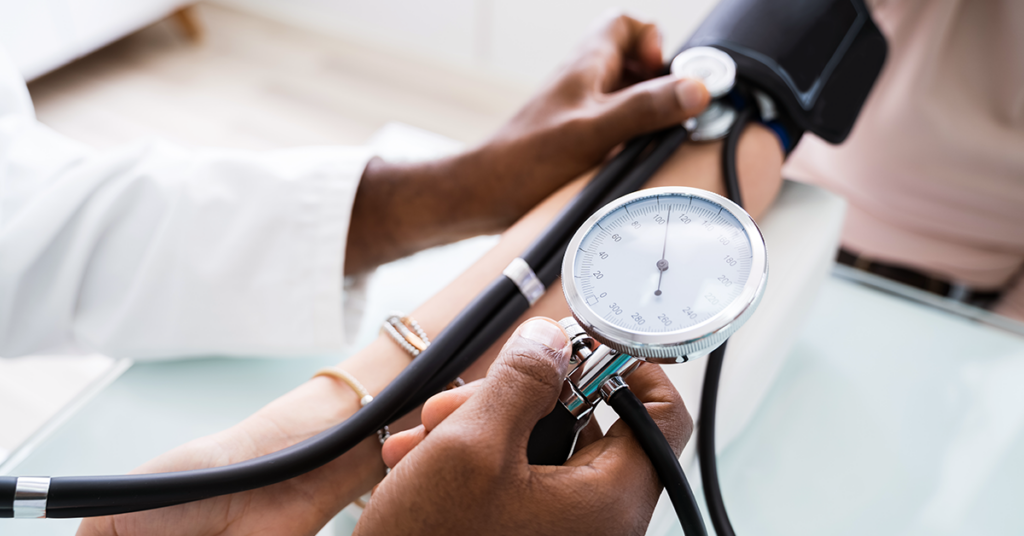
Hypertension, or high blood pressure, is a condition where your blood exerts sustained, excess pressure on the arterial walls as your heart pumps it through your body. Temporary spikes in blood pressure happen during periods of exertion or stress, known as “elevated blood pressure.”
The label of hypertension is applied when a person’s blood pressure is measured above 130/80 mm Hg (millimeters of mercury, the metric used in medicine and other fields of science and engineering).
The top or high number is the systolic pressure (or pressure when your heart is pushing blood), and the bottom or low number is diastolic (or pressure between heartbeats).
The overall volume of blood in your system and the amount of blood pumped by your heart are two factors that affect blood pressure. Your body also has multiple interconnected systems that affect blood pressure, including your immune system and sympathetic nervous system.
It’s easy to get fixated on a single factor, such as sodium intake when assessing the cause of high blood pressure. And although Western medicine recommends lifestyle changes in addition to prescription drugs, most people rely on pharmaceuticals to do the heavy lifting.
Living with high blood pressure is a bit like revving the engine of your car for long periods, eventually, something can break. People dealing with high blood pressure have a higher risk of heart attack, stroke, and other serious health issues.
Key Terms to Know
- Hypertension: Sustained blood pressure above 130/80 mm Hg
- Systolic pressure: The top number; pressure when your heart beats
- Diastolic pressure: The bottom number; pressure between beats
- Insulin resistance: A condition where your cells stop responding normally to insulin, leading to elevated blood sugar and insulin levels
- Linoleic acid: An omega-6 fatty acid found in high concentrations in processed seed oils; excess intake drives metabolic dysfunction

The Causes of High Blood Pressure
Obesity, alcohol consumption, physical inactivity, genetic predisposition, poor diet, and insulin resistance (pre-diabetes) can all contribute to high blood pressure. We believe that insulin resistance is one of the most significant (and treatable) conditions contributing to high blood pressure that is rarely discussed.
Before we talk about insulin resistance and how to improve it, let’s define Primary and Secondary Hypertension.
Primary Hypertension
Western medicine typically looks at the following risk factors as the primary causes of high blood pressure:
- Age
- Race
- Family history
- Obesity
- Physical inactivity
- Tobacco use
- Excess sodium
- Inadequate potassium
- Excess alcohol consumption
- Stress
Secondary Hypertension
There are far fewer people suffering from secondary causes of hypertension.
These include renal (kidney-related) complications such as chronic renal disease, constriction of renal arteries, or renin-producing tumors. Secondary causes of hypertension can also come from issues with the endocrine system, such as thyroid complications.

Insulin Resistance: What is It?
Most people suffering from HBP are also insulin-resistant (3) or prediabetic. That means their cells no longer respond to the insulin hormone produced by the pancreas. Insulin is the hormone that tells your cells to open up and process the sugar molecules in your bloodstream.
If your cells stop responding to insulin, high levels of sugar and insulin will accumulate in your bloodstream. During the stage of insulin resistance, your pancreas produces more and more insulin to trigger the correct metabolic response.
Paul Saladino, MD, has hypothesized that rather than merely being a correlated condition, insulin resistance is the root cause of HBP. There is compelling evidence to support this hypothesis (4,5,6).
Dr. Saladino’s reasoning for the insulin-hypertension connection is based on some of the following observations.
- Insulin increases aldosterone levels in the blood, which causes the kidneys to retain sodium and water, leading to increased blood volume and, potentially, blood pressure (7).
- Insulin can thicken the endothelium, the inner lining of blood vessels, causing them to narrow (8).
- Insulin activates the cells responsible for nitric oxide production, which is the leading player in blood vessel dilation and relaxation. Therefore, insulin resistance can lead to overly constricted blood vessels (9).
- High insulin can cause an adrenaline response, contributing to higher blood pressure(10).
- Insulin can negatively influence blood lipids. An increase in insulin levels increases the concentration of small, dense pattern B LDL cholesterol particles, and this type of LDL is more likely to cause blockages and atherosclerosis (11).
- Insulin affects inflammation. High insulin leads to blood vessel damage, lipid deposits in blood vessel walls, and increased inflammation and plaque formation (12).
While the causal connection between HBP and insulin resistance hasn’t been tested and conclusively proven in clinical trials, many of the points listed above are backed by scientific studies.
At the very least, it’s safe to assume that by correcting your body’s metabolic function and restoring your insulin response, you’ll be reducing many of the factors that contribute to HBP.

10 Tips to Lower Blood Pressure Naturally
1. Eliminate Seed Oils
Processed vegetable oils (corn, safflower, sunflower, soybean, cottonseed, canola, peanut, grapeseed, sesame, etc.) contain a polyunsaturated omega-6 fatty acid called linoleic acid.
Excess linoleic acid signals fat cells to grow. When the cells get too big, they release excess free fatty acids in the blood, which signals the rest of the body to become pathologically insulin-resistant; here comes metabolic dysfunction and pre-diabetes!
The rise in fasting insulin levels causes gluconeogenesis (the production of glucose from precursor molecules such as amino acids) to proceed unchecked in the liver, leading to elevated blood glucose levels both during fasting and after meals. This condition is known medically as diabetes.
As discussed earlier, excess insulin kicks off a chain of events that can lead to hypertension and associated complications such as heart disease. (13)
To be clear, linoleic acid is an essential fatty acid (meaning your body needs it), but the modern Western diet is drenched in processed seed oils, delivering far more linoleic acid than our bodies need or can metabolize safely.
To counteract the superabundance of linoleic acid, we suggest replacing seed oils with tallow, ghee, butter, and other nourishing saturated fats. This also means reading ingredient labels and avoiding most packaged foods. Industrial food production relies on seed oils because they’re cheap and abundant.
When dining out, you can request that your food be cooked in butter or without vegetable oil.
Learn more: The Ultimate Guide to Seed Oils (Healthy or Not?)
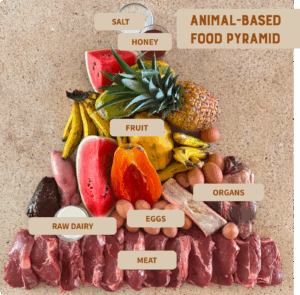
2. Make Meat and Organs the Center of Your Diet
Incorporating unprocessed meats into your diet is the best way to get the macro (protein, fat) and micro (vitamins, minerals, peptides) nutrients your body needs to lower blood pressure naturally.
We suggest you focus on meat and organs from grass-fed ruminant animals such as cattle, buffalo, goat, lamb, and deer.
Learn more here: The Ultimate Guide to the Animal-Based Diet
When consuming poultry, eggs, or pork, stick with free-range or pasture-raised options. Industrial farms rely on cheap corn and soy-based feeds to raise and fatten their animals. Even “organically raised” animals may be fed organic corn and soy, leading to a buildup of linoleic acid in their fat tissue.
Heart Health Stack
Nature's Formula for Cardiovascular Strength
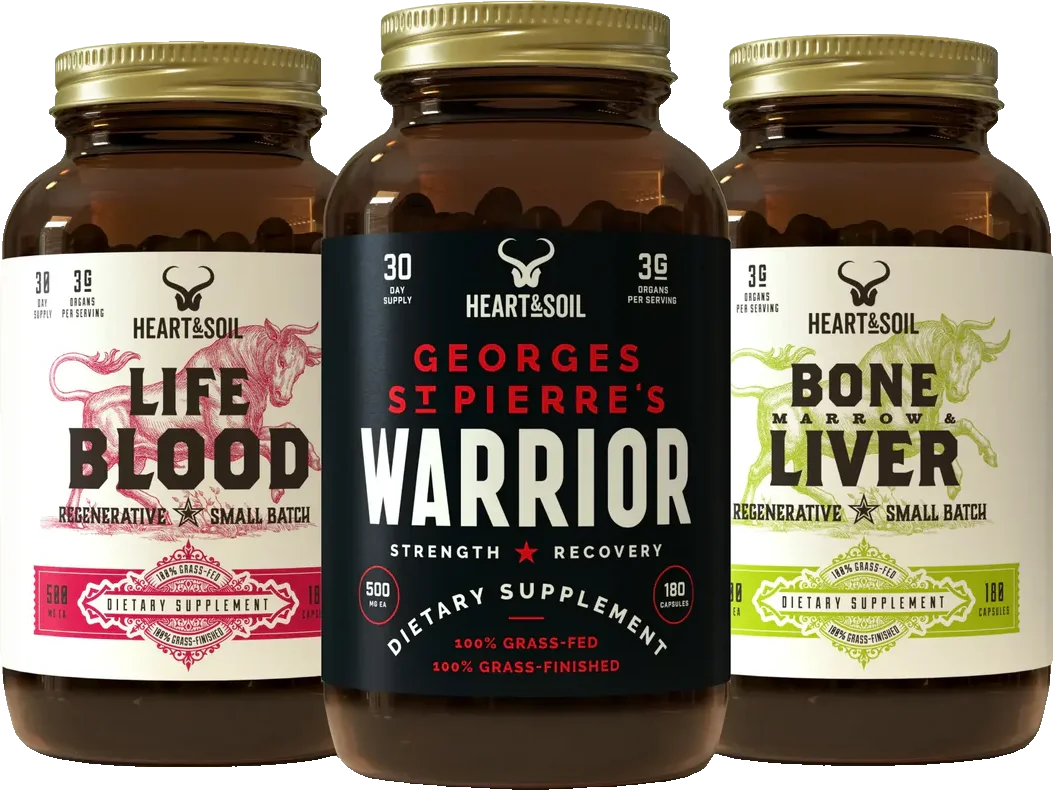
- Warrior, Lifeblood, Bone Marrow & Liver
- Supports vascular integrity, red blood cell formation, energy, and optimal endurance
- Naturally contains CoQ10, B vitamins, iron, and more
60-day risk-free guarantee. No questions asked.
3. Eliminate the Most Toxic Plant Foods
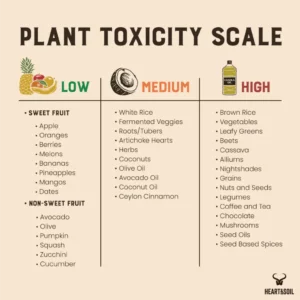
As discussed in Dr. Saladino’s book, The Carnivore Code, there are common plant components that contain defense chemicals that can negatively trigger the immune system and inflammatory response system. Typically, the most problematic ones are leaves, stems, seeds, nuts, grains, nightshades, and legumes.
Sources of low-toxicity carbohydrates are honey, berries, avocados, olives, squash, or other seasonal sweet and non-sweet fruit. Organic white rice and sweet potatoes can be good options as well.
Learn more: The Beginner’s Guide to Plant Toxins (Why Antinutrients Matter)
4. Eat Enough to Fuel Your Body
Eating individually-sufficient amounts of animal-based fat, meat, organs, raw dairy, fruit, and other carbohydrates helps hormones, energy, mood, immunity, and digestion thrive and lower blood pressure naturally.
In addition to organs, consuming large amounts of sustainably raised meat is essential. You also need sufficient fat and carbohydrates to achieve optimal nutrition.
The following formulas will help you assess the right macronutrient ratios for your body type. Only you and your medical care team can decide the right ratios for your optimal health and happiness.
- Protein = range of 1-1.2 grams x ideal body weight
- Fat = 0.8-1 grams x ideal body weight
- Carbs = 0.7-1.2 grams x ideal body weight
Example:
Goal body weight = 150lbs
- Protein = 150-180 grams
- Fat = 120-150 grams
- Carbohydrates = 105-180 grams
Regarding your fat and carbohydrate intake, if your total activity level is on the lower end of the spectrum, you should experiment with the lower end of the range, but if you are more active, try the higher end of the range.
If you are insulin-resistant, diabetic, or pre-diabetic, you may benefit from a 30-day trial of decreasing carbohydrate intake to around 50-75g per day. If you choose this approach, please consult with your physician to develop a plan that works for your unique medical needs.
We also suggest consuming bone broth made from bones and connective tissue. High-quality bone broth contains an important amino acid called glycine, which plays several roles in our physiology (14).
Glycine balances out the amino acid methionine, which is appears at high concentrations in muscle meats. Glycine also functions as a neurotransmitter in the brain and supports relaxation (15)!
Learn more: Animal-Based Diet for Fat Loss (Does it Work?)
5. Prioritize Sleep and Recovery
There are very few things that are as simple, cost-effective, and beneficial as quality sleep to help lower blood pressure naturally and support overall health.
During sleep, our body builds, repairs, and heals from the various stressors of life. We suggest turning off devices with screens one to two hours before getting in bed (16), dimming the lights, being consistent with your bedtime, and aiming for 7-9 hours of sleep.

6. Move Every Day
An inescapable key to health and to help you lower blood pressure naturally is physical stress. Good stress, such as exercise, triggers important processes and helps to regulate your hormones. Even the simple act of walking a few miles a day is beneficial.
Ideally, you’re able to incorporate slow movement (like walking) with strength training and high-intensity movement like sprinting. Taking a short walk after meals can even help regulate your blood sugar (17).
7. Get Daily Natural Sunlight to Lower Blood Pressure Naturally
Whatever you’ve heard about the dangers of sunlight, the reality is that our bodies use sunlight to produce vitamin D and nitric oxide (18), which also help regulate hormones, lower blood pressure naturally (19), and improve overall blood flow.
Go outside, play in the sun, and enjoy nature while you’re at it. Daily sun exposure can also stimulate your natural circadian rhythm, promoting sleep (20), recovery, and muscle growth. It may even improve the alpha diversity of the gut (21)!
Learn more: How To Get Enough Vitamin D During Winter (Why It’s So Important)
8. Use a Sauna Regularly
This environmental hormesis (your body’s response to something that can be beneficial at low doses and harmful at high doses.) enhances our bodies’ detoxification pathways, immune and cardiovascular systems, and muscle growth.
Heat exposure expands our blood vessels, produces growth factors, and delivers vital nutrients to our tissues throughout the body. We suggest spending 15-20 minutes in a dry sauna (30-45 minutes in an infrared sauna) at least four days a week or every day if possible.
Learn more: Cold Plunge & Sauna Health Benefits: Are They a Fad?
9. Practice Cold Therapy
Another environmental hormesis effect, low temperatures fortify your vasculature (arteries and veins) and your immune system. Low-temperature exposure also supports fat burning by shifting white adipose (fat) tissue to more metabolically active brown adipose tissue (22,23).
Start out by spending one minute in a cold shower at least three times a week and work your way up to five minutes. Or, if you have access to a cold plunge, you can follow a similar protocol (24).

10. Reduce Stress and Have Fun!
To create an ideal healing environment inside your body, you need to take the time to alleviate negative stress and practice self-care. You could include playing sports, journaling, family dinners, time in nature, hobbies, therapy, meditation, reading, games, yoga, spiritual rituals, religious services, volunteer work, or other practices you find meaningful.
Doing things that help you feel happy supports the overall wellness of your body and helps people lower blood pressure naturally.
Supplements That Support Healthy Blood Pressure
Food-first is the foundation. But most people cannot consistently source high-quality organs, or struggle with the taste and texture. Heart & Soil’s freeze-dried organ supplements preserve the full nutritional profile of raw organs in a shelf-stable capsule.
For people dealing with high blood pressure, the two organs we suggest for metabolic health are the heart and liver. These two organs are a rich source of CoQ10, B12, riboflavin, and many other nutrients deemed fundamental to mitochondrial metabolism, energy production, and the reduction of chronic inflammation.
At Heart & Soil, we’ve developed supplements that preserve the nutritional benefits of raw organ meats in an encapsulated, shelf-stable form that’s easy to take.
We suggest the following supplements for anyone wanting to lower blood pressure naturally.

1. Warrior
Endorsed and used by UFC Champion Georges St-Pierre, Warrior packs a powerful punch whether you’re an athlete or just trying to be more physically active. Warrior contains grass-fed, grass-finished, freeze-dried liver and heart.
It’s our #1 supplement to help lower blood pressure naturally. Why? CoQ10, riboflavin, anserine, carnosine, taurine, creatine, L-carnitine, choline, glutamine, iron, vitamins A, K2, B12, and folate are fundamental to mitochondrial metabolism, energy production, and the reduction of chronic inflammation.
Maximize Your Performance, Strength, & Recovery
Georges St-Pierre's WARRIOR
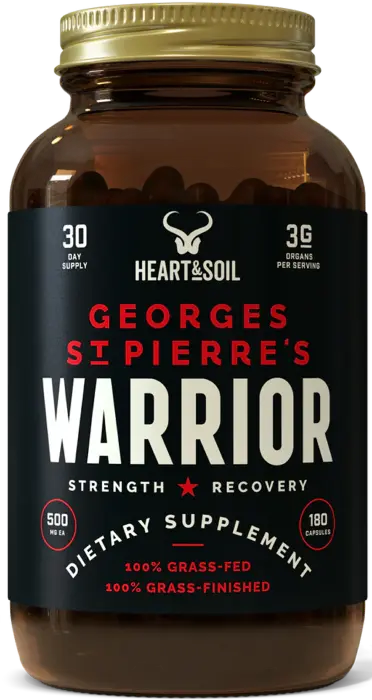
- 100% grass-fed heart and liver to support training output
- 12+ powerful nutrients: CoQ10, creatine, taurine, & more
- Foundational support for unlocked energy
60-day risk-free guarantee. No questions asked.
2. Firestarter
Firestarter is made from suet, the fat surrounding the kidney. Despite what you may have heard, consuming high-quality fat is essential* for the healthy function of many bodily systems. It improves the absorption of the fat-soluble nutrients found in our other supplements. It also improves energy production at the mitochondria level, enhancing fat utilization and improving metabolic function.
Additionally, stearic acid, a fatty acid found in grass-fed suet, helps combat linoleic acid-induced obesity by signaling those same fat cells to shrink!
*If you’d like to learn how recent scientific research has confirmed the importance of fatty acids and saturated fats, check out this paper published in the journal Nature and this paper from the National Library of Medicine.
Promote Healthy Weight Management
Metabolism. Energy. Drive.
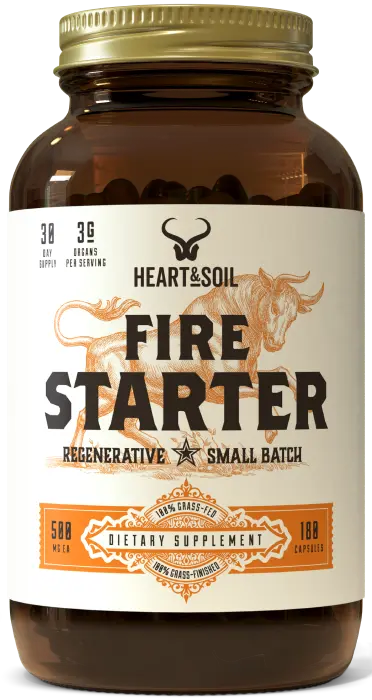
- 1 ingredient: grass-fed & finished suet
- Rendered at low temperatures to preserve nutrients
- Encourages the absorption of fat-soluble vitamins
60-day risk-free guarantee. No questions asked.
FAQ: Frequently Asked Questions
Can you reverse high blood pressure naturally? Yes. Many people normalize their blood pressure through diet and lifestyle changes alone, particularly when insulin resistance is the underlying driver. Results depend on the severity of your condition and how consistently you apply the strategies above. Work with a functional medicine physician to track your progress.
How long does it take to lower blood pressure naturally? Most people following an animal-based, seed-oil-free diet see measurable changes within 4–8 weeks. Sleep, sunlight, and movement improvements can produce results even faster. Significant metabolic change typically requires 3–6 months of consistent effort.
Does eliminating seed oils lower blood pressure? Eliminating seed oils removes the primary dietary driver of linoleic acid-induced insulin resistance, which is one of the most significant upstream causes of elevated blood pressure. It is not an overnight way to lower blood pressure naturally, but it is one of the highest-leverage dietary changes you can make.
What organs are best for blood pressure and heart health? Heart and liver are the 2 most nutrient-dense organs for cardiovascular support. Heart is one of the richest dietary sources of CoQ10, which is essential for mitochondrial energy production in cardiac tissue. Liver provides riboflavin, B12, and folate, all critical for reducing inflammation and supporting healthy blood vessels.
Is sodium actually bad for blood pressure? Processed sodium in packaged food, usually paired with seed oils and refined carbohydrates, is problematic as part of a larger dietary pattern. Naturally occurring sodium in whole animal foods is a different story. The research increasingly shows that insulin resistance, not sodium, is the primary driver of hypertension in metabolically unhealthy individuals. (1)
What is functional medicine, and why does it matter for hypertension? Functional medicine practitioners focus on identifying and treating root causes rather than managing symptoms with drugs. For hypertension, this means evaluating insulin resistance, inflammatory markers, nutrient status, and lifestyle factors to lower blood pressure naturally rather than immediately defaulting to prescription antihypertensives.
If your current physician is not open to the strategies in this article, seeking a second opinion from a functional medicine doctor is a reasonable next step.
The Bottom Line: How to Lower Blood Pressure Naturally
High blood pressure is not a sodium problem. It is a metabolic problem, driven primarily by insulin resistance, chronic inflammation, and a diet saturated in seed oils.
You lower blood pressure naturally by fixing those root causes: eliminating seed oils, centering your diet on animal-based foods, including liver and organs, moving daily, sleeping deeply, and getting sunlight. Medication manages the symptom. These 10 strategies address the cause.
If you’d like to dive deeper, check out this video by Dr. Paul Saladino:

If you have any questions about how to lower blood pressure naturally or would like to talk to our Health Success Team, reach out to us at [email protected].
Subscribe to future articles like this:
