
MEDICAL DISCLAIMER: The information in this blog is for educational purposes only. It is not a substitute for professional medical advice. Consult your healthcare provider if you’re seeking medical advice, diagnoses, or treatment.
If oysters are not already on your plate at least twice a week, you are leaving serious nutritional advantages on the table.
No other single food on earth delivers as much zinc and selenium in one concentrated package…not even beef liver!
Oyster advantages for health are backed by decades of research and centuries of ancestral wisdom.
TL;DR
What are the main oyster advantages?
Oysters are the most zinc-dense food on the planet, delivering 555% of the daily value in a single 100-gram serving, alongside 538% of the daily value for vitamin B12, 493% for copper, and meaningful amounts of selenium, iron, and omega-3 fatty acids (1).
Oysters support immune function, hormone health, brain function, thyroid health, skin quality, and cardiovascular resilience. They are one of the most efficient foods you can add to your weekly meal rotation.
What Are Oyster Advantages, Exactly?
Oyster advantages refer to the measurable health gains that come from regularly including oysters in a nutrient-dense diet.
Oysters are bivalve mollusks that filter seawater for nutrients, concentrating an extraordinary density of bioavailable minerals and vitamins in their soft tissue. This filtration process is exactly why they end up so rich in the trace minerals most people are chronically deficient in: zinc, selenium, iodine, and copper (2).
Unlike plant-based “superfoods,” the nutrients in oysters come pre-packaged in animal-bioavailable form. No phytates blocking absorption. No antinutrients competing for uptake. Just dense, clean nutrition your body recognizes and uses immediately.
Read the full breakdown in our post: Are Oysters Good for You?
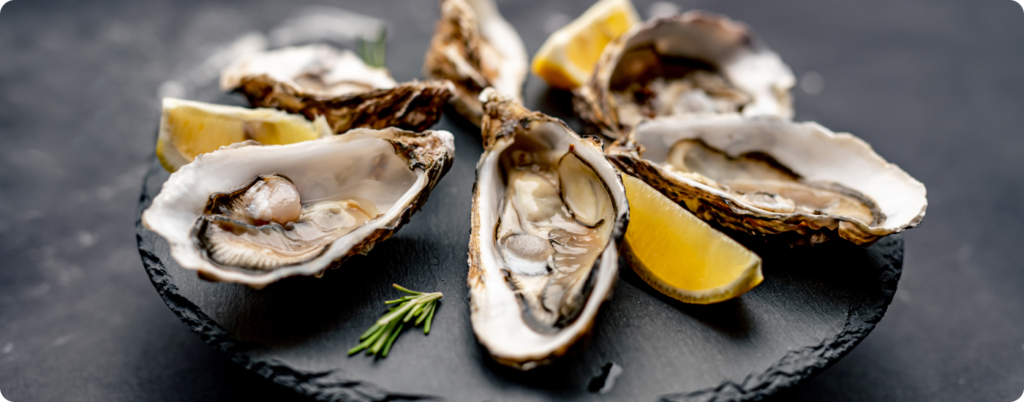
Nutritional Information of Oysters
A 100-gram serving of wild eastern oysters (cooked) contains just 79 calories. For that caloric investment, you get (3):
- Zinc: 61 mg (555% of the daily value)
- Vitamin B12: 12.9 mcg (538% of the daily value)
- Copper: 4.44 mg (493% of the daily value)
- Iron: 7.16 mg (40% of the daily value)
- Selenium: 30.7 mcg (56% of the daily value)
- Protein: 8.87g, with all 9 essential amino acids
- EPA + DHA (omega-3s): 0.484g combined
8 Science-Backed Oyster Advantages
1. Unmatched Zinc for Immune and Hormonal Health
Zinc acts as a cofactor for over 300 enzymes and 1,000 transcription factors in your body (4). A 100-gram serving of wild eastern oysters delivers 61 mg of zinc, or 555% of the daily value, more than any other food per serving (5). That means it plays a direct role in:
- Immune activation: Zinc is essential for developing and activating T-lymphocytes. Low zinc equals a compromised immune response.
- Testosterone and hormone balance: Research published in Nutrition found zinc supplementation positively affected testosterone in men with a deficiency (6). Zinc also supports hormonal balance in women.
- Wound healing and skin repair: Zinc accelerates tissue repair and reduces inflammatory acne (7).
- Male fertility: Zinc deficiency directly reduces sperm quality and motility (8).
Zinc Bioavailability: Animal vs. Plant Sources
Animal-sourced zinc from oysters is substantially more bioavailable than zinc from plant foods. Plant foods contain phytate, an anti-nutrient that blocks zinc absorption (9).
2. Brain and Nervous System Support via Vitamin B12
A 100-gram serving of wild eastern oysters delivers 12.9 mcg of B12, or 538% of the daily value (10). That is more B12 than a 170-gram (6-ounce) ribeye steak!
Vitamin B12 deficiency is among the most common nutritional deficiencies worldwide (11). Its effects on brain function are severe: cognitive decline, memory loss, depression, and dementia-linked symptoms have all been associated with chronically low B12 (12).
B12 from oysters supports (13):
- DNA synthesis and cellular repair
- Red blood cell production
- Nervous system integrity
- Neurotransmitter synthesis, including serotonin and dopamine
- Homocysteine regulation (elevated homocysteine increases cardiovascular disease risk)
3. Thyroid Function and Metabolic Health via Selenium
Your thyroid produces mostly T4, but your body must convert it to active T3 to actually use it. That conversion depends on selenium-dependent enzymes. Without adequate selenium, your thyroid stalls, regardless of iodine intake.
A 100-gram serving of wild eastern oysters provides 30.7 mcg of selenium, covering 56% of the daily value (14). That is a meaningful contribution toward the thyroid’s daily selenium requirement, alongside the iodine that oysters also supply.
Beyond the thyroid, selenium acts as a powerful antioxidant. A study in Nutrients found adequate selenium intake was associated with reduced risk of non-alcoholic fatty liver disease (15). Selenium in oysters also helps your body neutralize heavy metal ions like mercury, providing built-in detoxification support (16).
Want to go deeper on thyroid nutrition? Read: 15 Tips to Naturally Improve Thyroid Function.
Nourish Your Thyroid, Naturally
100% Grass-Fed Thyroid, Liver, & Kidney

- Healthy thyroid hormone production
- Supports a strong metabolism to help you feel energized and maintain a healthy weight
- Contains iodine, copper, selenium, B12, and more
60-day risk-free guarantee. No questions asked.
4. Cardiovascular Protection Through Omega-3s and Antioxidants
The heart health oyster advantages operate through multiple mechanisms. Oysters provide 0.484g of combined EPA and DHA per 100-gram serving (17). Specific oyster peptides have also been found to lower blood pressure and act as natural anticoagulants (18).
Oysters also contain DHMBA (3,5-dihydroxy-4-methoxybenzyl alcohol), a unique antioxidant shown to combat oxidative stress (19).
For more on cardiovascular nutrition, read: What Causes Heart Disease? The Truth About Cholesterol.
5. Energy, Endurance, and Athletic Performance
Oysters support physical performance through three mechanisms.
- Their protein content (8.87 grams per 100-gram serving, with all 9 essential amino acids) fuels muscle repair and growth (20).
- Oyster proteins boost energy stores in skeletal muscle and the liver while regulating lactic acid and blood urea levels, directly reducing exercise-induced fatigue (21).
- Iron from oysters supports hemoglobin and myoglobin production, the proteins that carry oxygen to working muscles (22).

6. Skin, Hair, and Collagen Support
Zinc, copper, and selenium from oysters work together to support collagen synthesis and skin structure. Copper is a required cofactor for lysyl oxidase, the enzyme that cross-links collagen and elastin fibers (23). Without adequate copper, your skin, blood vessels, and connective tissue lose structural integrity.
Research on oyster bioactive peptides shows they reduce wrinkles and protect skin from oxidative damage and chronic inflammation (24).
Learn more: 10 Natural Hair Loss Remedies (That Actually Work)
7. Bone Density via Synergistic Minerals
Oysters provide vitamin D, copper, zinc, and manganese alongside the calcium your bones need.
Beyond their mineral profile, oyster extract has shown direct bone-protective effects in research. A study found that oral administration of fermented Pacific oyster extract prevented bone loss in an experimental osteoporosis model (25). The researchers concluded that oyster extract suppresses the cellular pathway responsible for bone resorption while supporting bone formation simultaneously.
8. Cellular Defense and Detoxification
The combination of selenium and oyster-specific antioxidant peptides gives oysters a powerful role in cellular protection. Selenium neutralizes mercury and other heavy metal ions (26).
Some oyster peptides have also demonstrated the ability to induce apoptosis in prostate, breast, and lung cancer cell lines without harming healthy cells, though this research remains primarily in vitro and early stage (27).

How to Maximize Oyster Advantages
How Often Should You Eat Oysters?
Aim for 2 to 3 servings per week. A standard serving is 6 medium oysters or approximately 3.5 ounces. This frequency gives your body consistent access to zinc and B12 without overloading on trace minerals.
Excessive zinc intake above 150 to 200 mg daily over time can interfere with copper absorption, so consistent moderate consumption beats occasional excess (28).
Raw vs. Cooked
Raw oysters retain more heat-sensitive nutrients, including vitamin C, B vitamins, taurine, and omega-3s. Cooked oysters eliminate the risk of Vibrio bacteria contamination. Source raw oysters from reputable suppliers with verified water quality testing. Grilling, steaming, or baking preserves most of the mineral profile.
Learn more: Is Seafood Safe to Eat? 8 Vital Issues to Keep in Mind
4 Simple Ways to Eat Oysters
- Raw with lemon: The classic. Squeeze fresh lemon, add a pinch of sea salt.
- Baked in grass-fed butter: Arrange on a sheet pan, add butter and fresh herbs, bake at 400 degrees F for 10 minutes.
- Smoked from a can: High-quality, reputable brands make oyster advantages accessible daily, no shucking required.
- Oyster stew: Simmer oysters in bone broth (try adding potatoes!) with a bay leaf, sea salt, and cream for a warming, mineral-rich meal.
Pair Oysters with Organs for a Complete Animal-Based Protocol
Oysters and organ meats are complementary, not redundant. Oysters dominate in zinc and selenium, but liver supplements provide more vitamin A, B vitamins, and choline to support balanced health. Together, they cover nearly the entire micronutrient map your body needs to function at its best.
Nature's Ultimate Superfood
From Pure American Liver
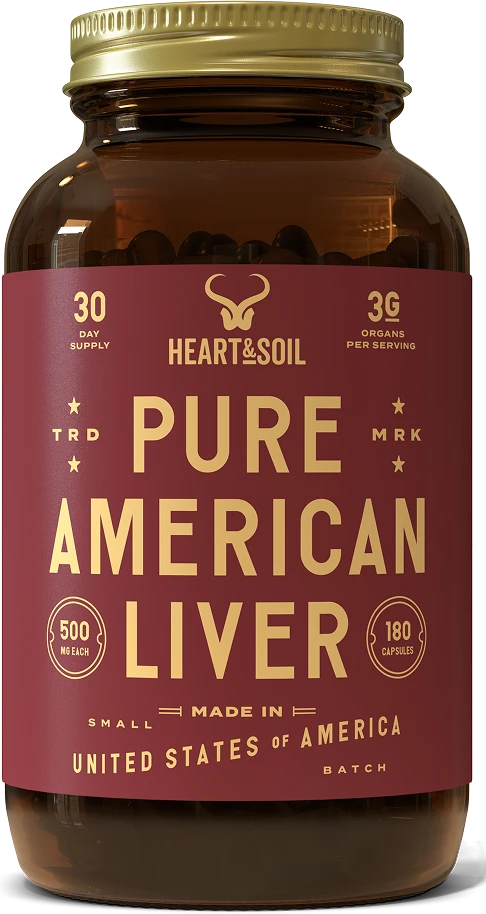
- Whole-food support for strength, energy, & vitality
- 100% American liver from grass-fed & pasture-raised cattle
- Nature's #1 superfood, freeze-dried to retain bioavailability
60-day risk-free guarantee. No questions asked.
Oyster Advantages FAQ
Q: Are oysters the most nutrient-dense food? A: By several metrics, yes. Their zinc density is unmatched by any other food. They’re rich in B12, copper, iron, and selenium.
Q: Do oyster advantages apply to women as well as men? A: Absolutely. Zinc supports hormonal balance, fertility, immune function, and skin health in both sexes. B12 and omega-3s from oysters are equally critical for brain health and cardiovascular protection in women.
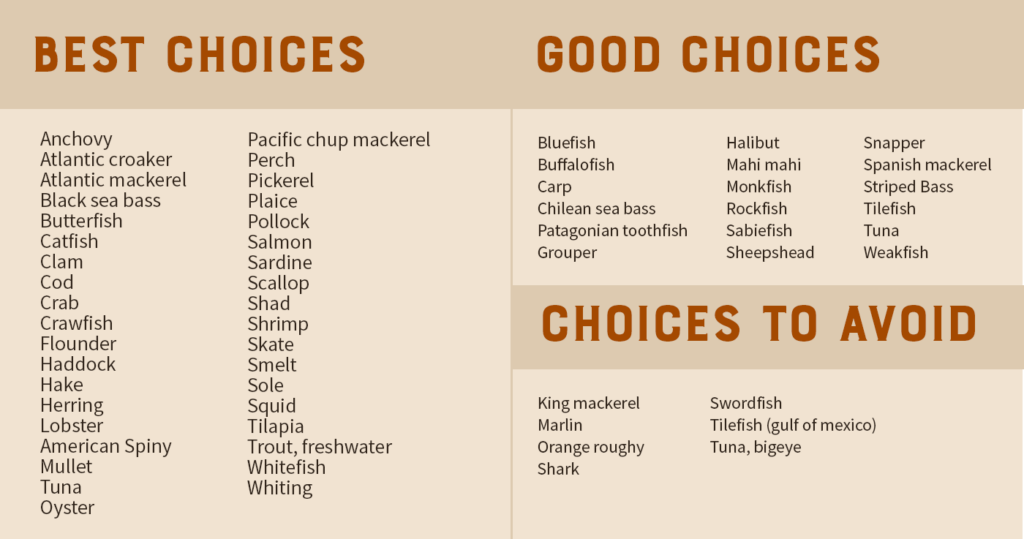
Q: Should I be worried about heavy metals in oysters? A: Oysters sit far lower on the food chain than large fish, so heavy metal accumulation is significantly reduced. Studies show that cadmium, mercury, and lead levels in oysters typically fall well below safety thresholds (#). The selenium in oysters also actively neutralizes mercury, providing additional built-in protection.
Q: Are canned oysters as nutritious as fresh? A: Canned oysters retain most of their mineral content, including zinc, selenium, and B12. Some heat-sensitive nutrients like omega-3s are slightly reduced during processing, but canned oysters remain a highly efficient source of oyster nutritional benefits and one of the most practical options for daily use.
Q: How do oyster advantages compare to taking a zinc supplement? A: Whole oysters deliver zinc alongside copper, selenium, taurine, and amino acids that improve its absorption and utilization. Research comparing oyster-sourced zinc to supplemental zinc sulfate found that oyster zinc corrected zinc-related deficiencies more effectively in animal models, suggesting the food matrix matters (29). Whole food always wins when you can get it.
Q: Can I eat oysters on a strict animal-based diet? A: Yes, and you should. Oysters are one of the most nutrient-aligned foods for an animal-based protocol, providing a marine mineral profile that no land-based food can replicate.
Bottom Line: Oyster Advantages Are Real, Measurable, and Within Reach
Every cell in your body needs zinc. Your brain depends on B12. Your thyroid runs on selenium. Your heart benefits from omega-3s. Oysters deliver all of these, at levels that surpass nearly every other food on earth, in a bioavailable animal-based form your body recognizes and puts to work immediately.
If you are already committed to living and eating the way your ancestors did, oysters are the natural next step. Add them 2 to 3 times per week. Go raw if you trust the source. Go canned if convenience matters. Pair them with a quality organ supplement for the most complete animal-based nutritional protocol available.
Subscribe to future articles like this:
