

“The first wealth is health”
– Ralph Waldo Emerson
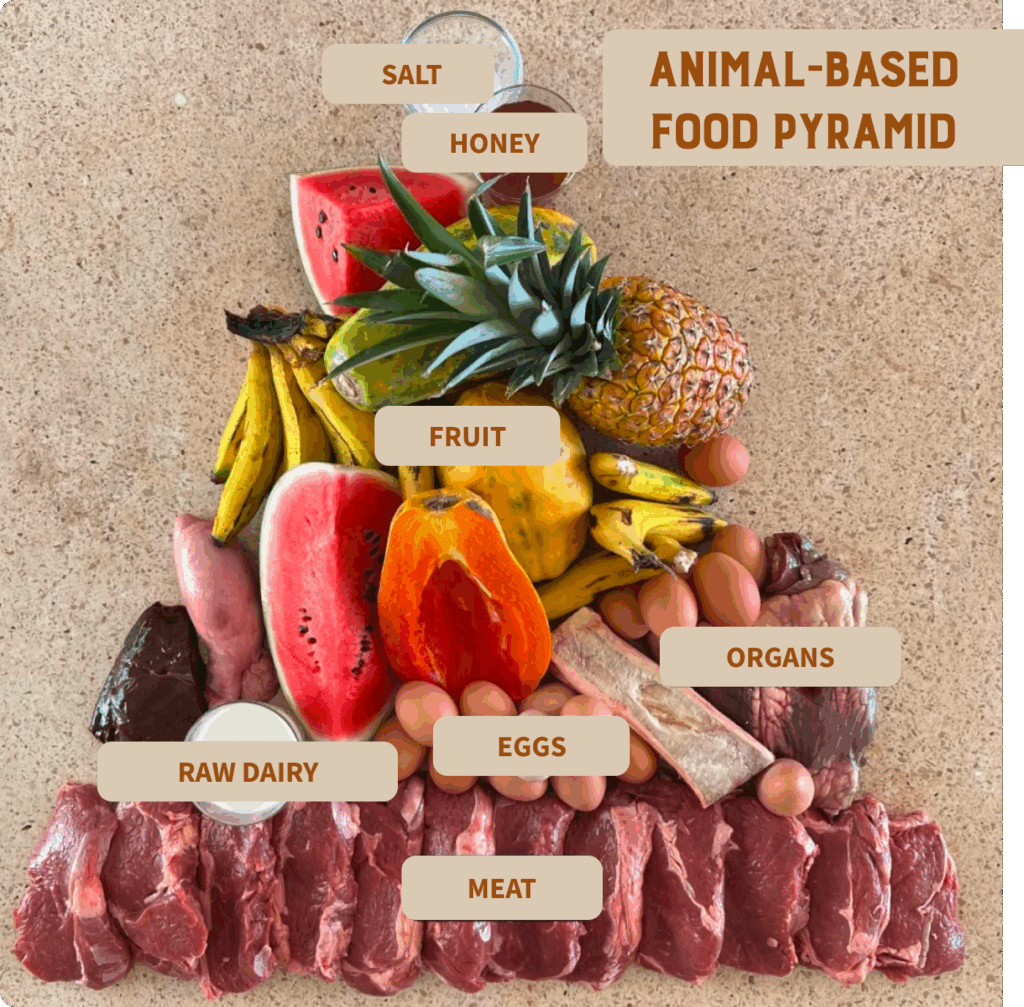
Most people assume an animal-based diet on a budget means grass-fed & grass-finished ribeye, non-homogenized milk, glyphosate-free honey, corn-free and soy-free pasture-raised eggs, and a grocery bill that only works for the wealthy. It doesn’t have to.
A realistic day of animal-based eating on a budget includes conventional dairy, fruit, meat, and organs, and it can hit a normal adult’s calorie and nutrient needs for less than $10.
This article breaks down what that actually looks like, what it costs, and where to shop for it.
Key Takeaways
- A realistic animal-based diet on a budget can cost less than $10 a day using eggs, yogurt, cheese, milk, honey, fruit, a sweet potato, ground beef, and beef liver.
- This combination of animal-based foods supplies roughly 135 grams of protein, most of an adult’s daily calcium needs from the dairy, vitamin C from the fruit, potassium from the banana and sweet potato, and meaningful vitamin A, iron, and B12 from even a small daily serving of liver.
- Costco, Aldi, and Walmart all carry these staples.
Table of Contents
Why Doesn’t an Animal-Based Diet Have to Break the Bank?
An animal-based diet on a budget works because the foods that actually cover your nutritional needs, eggs, dairy, ground beef, liver, and basic produce, are some of the cheapest items in any grocery store.
Organ meats push the cost down even further. Because most people skip them, beef liver is consistently one of the cheapest cuts in the meat case, often 2 to 3 dollars cheaper per pound than ground beef, while carrying some of the highest nutrient density of any food available.
Dairy and fruit round out the plate at a low cost per calorie. A gallon of milk, a container of yogurt, a block of cheese, and a bag of bananas or oranges cost only a few dollars total and provide calcium and vitamin C that meat alone does not.
Subscribe to future articles like this:
What Does a Realistic Day of Animal-Based Eating Look Like?
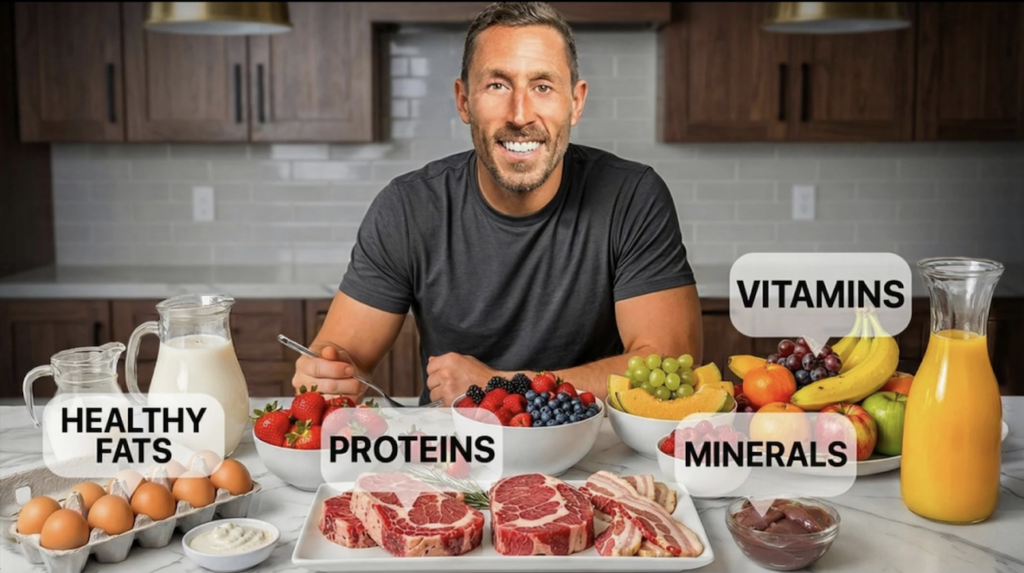
A realistic day of animal-based eating for a typical adult could look something like this:
- 3 whole eggs
- 1 cup (about 8 oz) plain whole-milk yogurt
- 1 oz cheese
- 1 cup whole milk
- 2 tablespoons honey
- 1 banana
- 1 orange
- 1 sweet potato
- 12 oz ground beef, cooked
- 1 oz beef liver
This spreads naturally across 3 meals: cheesy eggs and fruit for breakfast, yogurt bowl with honey and fruit for a snack, ground beef and fruit for lunch, and ground beef and sweet potato for dinner.
Rotate in Greek yogurt, cottage cheese, or different fruit as you like; the totals below will shift only slightly.
How Much Does an Animal-Based Diet on a Budget Cost?
Here is what that day costs using current average U.S. retail prices where available:
- 3 eggs (at $2.19/dozen, U.S. average, May 2026): $0.55
- 12 oz ground beef (at $6.72/lb, U.S. average, May 2026): $5.04
- 1 cup whole milk (at $4.22/gal, U.S. average, May 2026): $0.26
- 1 medium banana (at $0.65/lb, U.S. average, May 2026): $0.21
- 1 medium orange (at $1.54/lb, U.S. average, May 2026): $0.48
- 1 oz cheese (typical retail estimate): $0.30
- 1 cup plain whole-milk yogurt (typical retail estimate): $1.00
- 2 tbsp honey (typical retail estimate): $0.55
- 1 medium sweet potato (typical retail estimate): $0.55
- 1 oz beef liver (typical retail estimate): $0.25
Total: approximately $9.19 per day, or roughly $275 a month for one person.
The egg, ground beef, milk, banana, and orange prices are sourced from the U.S. Bureau of Labor Statistics’ average retail price series (1), which tracks these items nationwide.
Cheese, yogurt, honey, sweet potato, and liver aren’t in that tracked list, so those figures are reasonable retail estimates rather than official averages; your actual price will vary by store and region.
Does an Animal-Based Diet on a Budget Cover Your Nutritional Bases?
This day covers a meaningful share of an adult’s daily needs:
- Protein: roughly 135 grams, well above the standard adult RDA and in line with what an active adult needs to maintain muscle.
- Calcium: the milk, yogurt, and cheese together supply a large share of the 1,000 mg daily target for most adults, something a meat-only day does not provide.
- Vitamin C: the orange alone supplies close to a full day’s intake.
- Potassium: the banana and sweet potato both rank among the highest food sources of potassium.
- Vitamin A, iron, and B12: beef liver is dense enough that even a 1-ounce serving contributes meaningfully to all 3, particularly vitamin A and B12.
Is Grain-Fed Meat Okay on an Animal-Based Diet on a Budget?
Yes. If your budget is genuinely tight, grain-fed ground beef and liver are a reasonable choice, and they are a far better choice than filling that gap with cereal, chips, bread, or other processed foods.
The priority is getting adequate protein and micronutrients into your body, and grain-fed beef still delivers both.
Grass-finished is worth prioritizing when your budget allows it, since it carries a more favorable fatty acid profile.
But the price gap on everyday cuts like ground beef and stew meat is often smaller than people expect, and the day of eating above already assumes conventional retail pricing.
Learn more: 6 Dangers Of Eating Liver: What You Need To Know
Is There a Good, Better, Best Approach to Sourcing?
Yes. Sourcing quality exists on a spectrum when you’re shopping for an animal-based diet on a budget. You do not need to hit the top of it to eat well. Here is how the foods in this article break down:
Meat
- Good: conventional, grain-fed beef.
- Better: grass-fed beef, grain-finished.
- Best: grass-fed and grass-finished beef.
Eggs
- Good: conventional eggs.
- Better: free-range or pasture-raised eggs.
- Best: pasture-raised eggs that are also corn- and soy-free, which changes the fatty acid and nutrient profile of the yolk.
Fruit
- Good: conventional bananas and oranges.
- Better: organic fruit when the specific item is a high-pesticide-residue crop.
- Best: organic, local, and in season.
Honey
- Good: conventional store-brand honey.
- Better: raw and unfiltered honey.
- Best: raw, glyphosate-free honey from a source that tests for residue.
Each upgrade tends to cost more, and that additional cost is real. But the upgrade is a bonus layered on top of an already solid foundation, not a requirement to eat well. The day of eating in this article works nutritionally at the “good” tier and gets better as your budget allows for “better” or “best.”
Subscribe to future articles like this:
Is Conventional Animal-Based Food Better Than Processed Convenience Food?
Yes, without much debate. If your budget only allows for conventional meat, fruit, and dairy, that is still a stronger nutritional choice than reaching for Pop-Tarts, a peanut butter and jelly sandwich, canned soup, or a frozen dinner.
Conventional ground beef, eggs, milk, and fruit supply complete protein, calcium, potassium, and vitamin C, the same nutrients covered in the day of eating above.
Pop-Tarts, canned soup, and frozen dinners are built primarily from refined flour, added sugar, and seed oils, and they supply little of any of those nutrients per calorie.
The good, better, best framework only matters once you have already chosen real food over processed food. Sourcing quality is a refinement.
Choosing meat, eggs, dairy, and fruit over ultra-processed convenience food is the foundation, and it is the more important decision of the two.
Learn more: Key Differences Between Organic And Conventional Foods
Where Can You Buy Animal-Based Food on a Budget?
You do not need a specialty butcher or a farm subscription to eat an animal-based diet on a budget. Regular grocery stores carry everything in the day of eating above.
Big-box and discount grocers: Costco, Aldi, and Walmart all carry eggs, dairy, bananas, oranges, sweet potatoes, ground beef, and (at Costco in particular) beef liver and other organ meats. Watching a full grocery haul makes the day-to-day cost much more concrete than reading a price list.
- Costco Animal-Based Haul, $15 a Day (Paul Saladino)
- Animal-Based Grocery Haul at Aldi
- Animal-Based Grocery Haul at Walmart
- Animal-Based for Under $10 a Day
Regenerative and online farms, if you want to upgrade to grass-finished meat and other animal products when your budget allows:

Glossary
Grass-finished: Cattle raised on a diet of grass through slaughter, rather than moved to a grain-based feedlot diet in the final months. Associated with a more favorable fatty acid profile than grain-finished beef.
Grain-fed / grain-finished: Cattle finished on a grain-based diet, typically corn or soy. Cheaper and more widely available than grass-finished beef.
Nose-to-tail: An eating pattern that includes organ meats alongside muscle meat, rather than muscle meat alone.
RDA (Recommended Dietary Allowance): The average daily intake level of a nutrient sufficient to meet the needs of nearly all healthy individuals in a specific life stage and gender group.
FAQ
How much does an animal-based diet cost per day? A realistic, roughly 2,000-calorie day of animal-based eating, including dairy, fruit, and a sweet potato alongside ground beef and 1 ounce of liver, costs approximately $9 using average U.S. grocery prices.
Does an animal-based diet on a budget need to include dairy? It doesn’t have to, but including milk, yogurt, and cheese is the most straightforward way to cover an adult’s daily calcium needs, since meat and organs alone are low in calcium.
Can you get enough calories on an animal-based diet for under $10 a day? Yes. The example day above reaches approximately 2,000 calories using eggs, dairy, fruit, a sweet potato, ground beef, and beef liver, all common grocery items.
Is grain-fed meat bad for you? Grain-fed meat has a less favorable fatty acid profile than grass-finished, but it is a solid source of protein and micronutrients. It is a better choice on a tight budget than replacing it with cereal, chips, or other processed foods.
Is conventional meat better than processed food? Yes. Conventional ground beef, eggs, milk, and fruit still supply complete protein, calcium, potassium, and vitamin C. Pop-Tarts, canned soup, and frozen dinners are built mainly from refined flour, added sugar, and seed oils, and supply little of any of those nutrients per calorie.
Where can you buy cheap animal-based groceries? Costco, Aldi, and Walmart all carry eggs, dairy, ground beef, and (at Costco) organ meats, along with the fruit and sweet potatoes used in a realistic day of eating.
Related Reading
- The Ultimate Guide To The Animal-Based Diet
- Beef Tongue Tacos: A Delicious High-Protein, Animal-Based Recipe
- Beef Liver Vs Chicken Liver Benefits: Which Is Healthier?
Bottom Line
An animal-based diet on a budget can be done. A day built around eggs, yogurt, cheese, milk, honey, fruit, meat, and organs provides crucial nutrients, including protein, calcium, vitamin C, and potassium, and costs under $10.
If your budget is tighter than that, grain-fed meat is a legitimate substitute for grass-finished, and it still beats processed foods as a source of daily nutrition.
Beef Organs
Nature's Ultimate Multivitamin
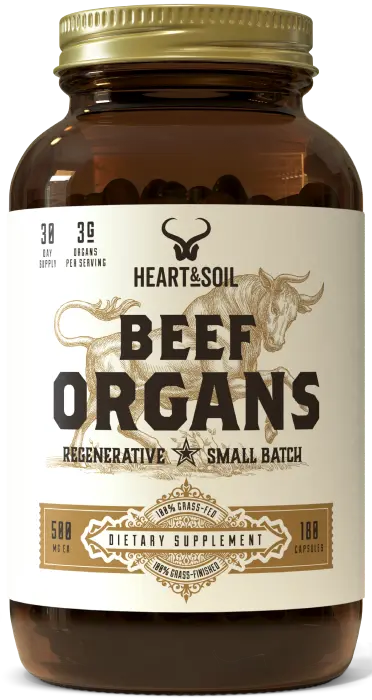
- Grass-fed liver, heart, pancreas, kidney, & spleen
- Designed to support overall energy & well-being
- Ideal daily foundation for nose-to-tail nutrition
60-day risk-free guarantee. No questions asked.
Subscribe to future articles like this:
