
This article is for educational purposes only and is not medical advice. Talk with your healthcare provider about your individual diet and supplement needs, especially if you are pregnant, taking medications, or managing a medical condition.
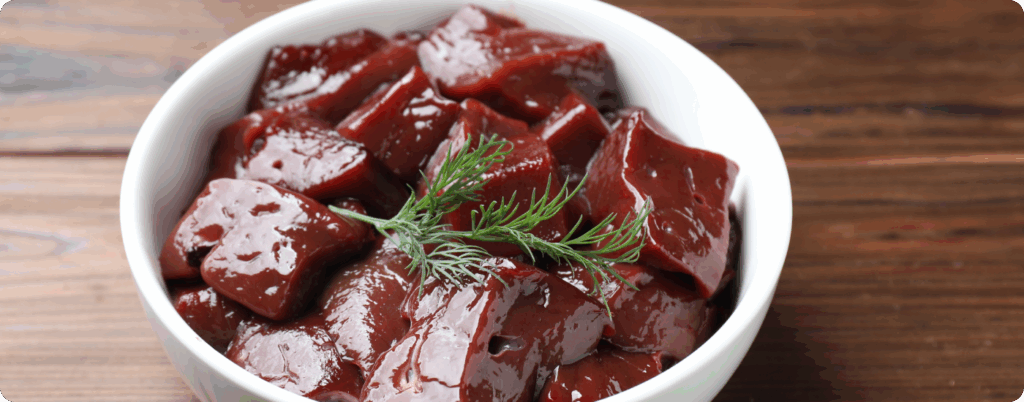
Beef liver is one of the most nutrient-dense foods you can eat.
So why are there so many warnings about the dangers of eating liver?
Most concerns are real in theory, but they need context.
Liver itself is not inherently dangerous. The practical risks usually come down to how it is sourced.
Here’s everything you need to know.
Key Takeaways
- Liver is extremely nutrient-dense and can be a valuable part of a nutrient-rich diet.
- The most relevant concerns are excessive preformed vitamin A intake and foodborne illness from raw or undercooked liver.
- Heavy metals, pesticides, drug residues, and mycotoxins are possible contaminants, but their presence depends on sourcing, feed, environment, processing, and testing.
- You do not need to avoid liver because of these concerns. Reasonable portions and reputable sourcing can greatly reduce practical risk.
- For people who do not enjoy fresh liver, a tested freeze-dried liver supplement can provide a convenient way to include organ nutrition regularly.
Table of Contents
Is Eating Liver Dangerous?
For most people, eating liver in reasonable amounts is not considered inherently dangerous.
The concern is mainly that liver is unusually concentrated. That is what makes it so nutritious, but it also means that large amounts can deliver much more preformed vitamin A than most other foods.
Raw liver also carries the same food-safety considerations as other raw animal foods.
Other frequently mentioned risks, such as heavy metals, pesticides, veterinary drug residues, and mycotoxins, are better understood as source-dependent contamination concerns rather than unavoidable properties of liver.
In other words: the quality, amount, and preparation matter.
Why Eat Liver in the First Place?
Liver is sometimes called “nature’s multivitamin” because it provides a broad spectrum of nutrients in a relatively small amount of food.
A review of edible organ meats found that liver is particularly rich in vitamins A and B12, folate, iron, copper, selenium, zinc, and several B vitamins. Animal foods also provide several of these nutrients in highly bioavailable forms (1).
That nutrient density is exactly why liver has remained an important food in many traditional diets.
You do not need huge quantities to benefit from it. A relatively small amount can contribute meaningful nutrition.
So what should you actually be aware of?
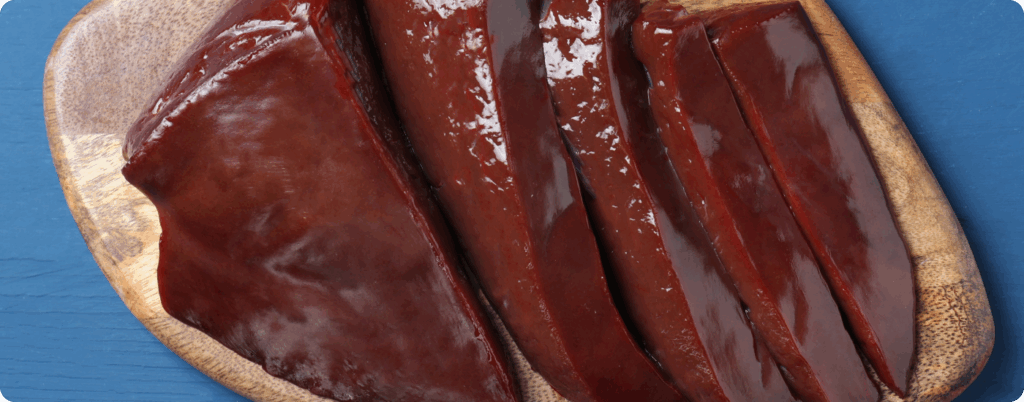
6 Dangers of Eating Liver
1. Too Much Preformed Vitamin A
Liver is high in preformed vitamin A, but this concern is often overstated.
For most people, eating a normal amount of beef liver is very different from consuming the extreme amounts associated with vitamin A toxicity.
For the majority of the population, about 2,194 mcg RAE (7,313 IU) of retinol per day is well within the safe range. On an animal-based diet, that’s roughly equivalent to 0.5–1 ounce of fresh beef liver per day, or up to about 7 ounces per week.
The risk becomes more relevant when someone consistently eats very large amounts of liver, polar bear liver, or combines liver with high-dose vitamin A supplements.
So for someone eating a modest amount of beef liver regularly, vitamin A toxicity is generally not the practical concern it’s sometimes made out to be.
Learn more: Vitamin A Toxicity: Is the Danger Real?
2. Bacteria From Raw or Undercooked Liver
Raw animal foods can contain harmful bacteria, and liver is no exception.
Research has identified pathogenic bacteria in raw beef products, and improper handling or undercooking can increase the risk of foodborne illness (#).
The USDA specifically recommends cooking beef organ meats, including liver, to an internal temperature of 160°F (71.1°C) (2).
If you eat fresh liver, basic food-safety practices matter:
- Keep raw liver refrigerated.
- Avoid cross-contamination with ready-to-eat foods.
- Wash hands, utensils, and surfaces after handling it.
- Cook it thoroughly if you want to minimize foodborne illness risk.
This concern is primarily about raw or improperly handled liver, not liver as a category.
3. Heavy Metals
Heavy metals such as lead, cadmium, mercury, and arsenic can enter the food supply through contaminated soil, water, or feed.
Because the liver plays a role in metabolism and detoxification, trace contaminants can sometimes be measured in organ tissue. Studies from different regions have detected heavy metals in livestock organs, although levels vary considerably depending on geography and environmental exposure.
That does not mean beef liver is generally loaded with heavy metals. It means sourcing and testing matter.
If you eat liver regularly, choosing a reputable source can add another layer of confidence.
4. Pesticide Residues
Pesticides can enter an animal’s environment through feed, water, soil, and agricultural exposure.
Residues may therefore be detectable in animal tissues, including organs, depending on the compound and exposure level.
Again, this is not unique to liver. Pesticides are monitored throughout the food supply.
In the United States, the EPA sets pesticide tolerances and USDA testing programs monitor meat products for residues and other chemical contaminants (3).
Rather than assuming every liver contains concerning pesticide levels, a better question is:
How was the animal raised, and is the final product tested for pesticides?
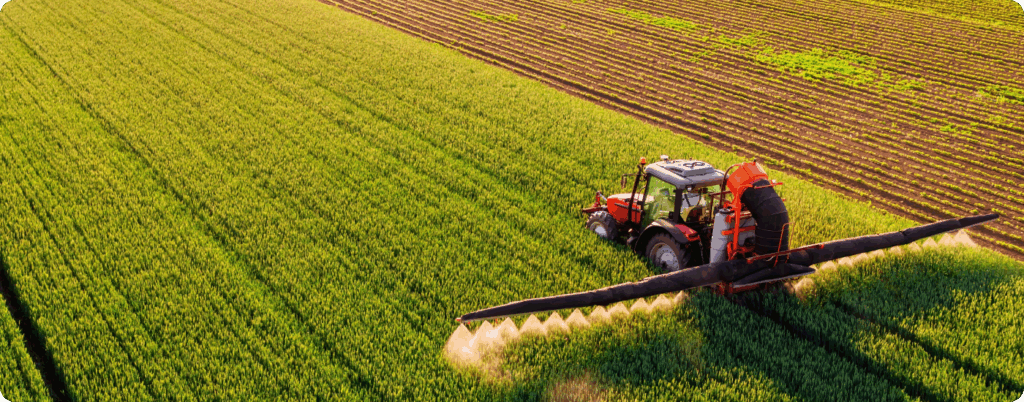
5. Veterinary Drug Residues
Cattle may receive antibiotics or other veterinary medicines when medically necessary.
That can sound concerning when you are choosing organ meats, but there is an important piece of context: food-producing animals are subject to drug-residue limits and withdrawal periods.
The FDA establishes legal tolerances for veterinary drug residues in edible tissues, including liver, and determines how long an animal must wait after treatment before entering the food supply (4).
The USDA also conducts residue testing as part of its National Residue Program (5).
Violative residues can occur, which is why monitoring exists, but veterinary drug use does not automatically mean the liver you buy contains unsafe levels.
Transparent sourcing and testing are still worthwhile if this is something you care about.
6. Mycotoxins
Mycotoxins are compounds produced by certain molds that can contaminate grains and other livestock feeds.
Cattle can be exposed to mycotoxins through contaminated feed, which is why feed quality matters when evaluating the overall quality of animal foods.
This is another example of a potential risk that depends much more on the animal’s environment and diet than on liver itself.
For someone sourcing liver regularly, knowing how the cattle were raised can provide useful context.
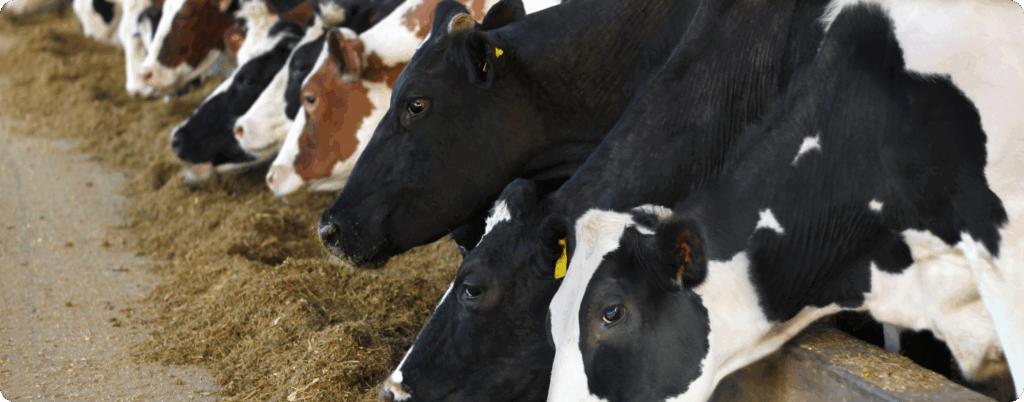
Which Dangers of Eating Liver Matter Most?
Not every theoretical concern deserves equal weight.
| Potential concern | What actually matters most | How to reduce the risk |
| Excess vitamin A | Habitual high intake of preformed vitamin A | Avoid excessive portions and account for other vitamin A supplements |
| Foodborne bacteria | Raw or undercooked liver | Handle safely and cook properly |
| Heavy metals | Environmental exposure | Choose reputable sources and tested products |
| Pesticides | Feed and environmental exposure | Look for transparent sourcing and testing |
| Drug residues | Animal treatment and adherence to withdrawal periods | Buy from reputable producers |
| Mycotoxins | Contaminated animal feed | Prioritize quality sourcing |
The first two are the most directly influenced by what you do: how much liver you consume and how you prepare it.
The others are primarily quality-control and sourcing questions.
Does the Liver Store Toxins?
This is one of the most common misconceptions about eating liver.
The liver helps process, transform, and remove substances from the body, but that does not mean it functions like a storage tank filled with everything an animal has ever been exposed to.
Some contaminants can accumulate in animal tissues under certain conditions, which is why environmental monitoring and food testing exist. But saying “the liver stores toxins” is an oversimplification of how the organ works.
A better way to think about it is this:
Liver is an extremely nutrient-dense organ whose quality reflects, in part, the animal’s environment, diet, and health.
That is one reason we care about how animals are raised.
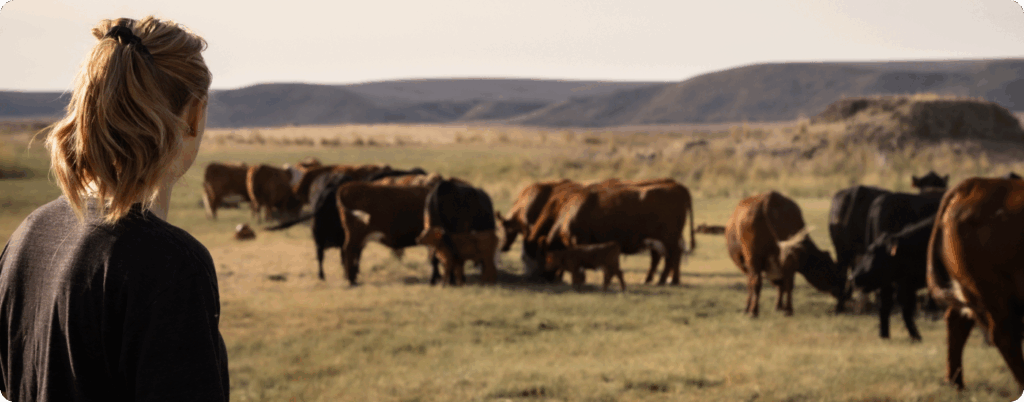
How to Eat Liver With Confidence
A few basic habits address most of the practical concerns:
1. Choose a reputable source
Look for producers who are transparent about where their cattle come from and how they are raised.
Grass-fed and pasture-raised sourcing can tell you something about husbandry, but those labels alone do not guarantee that a product is contaminant-free.
Testing provides additional information.
2. Eat an appropriate amount
Liver is concentrated nutrition.
More is not automatically better, especially when it comes to preformed vitamin A.
Aim for around 0.5-1 oz of fresh liver daily.
3. Prepare fresh liver safely
If minimizing foodborne illness risk is a priority, follow USDA guidance for handling and cooking organ meats.
4. Consider a tested liver supplement
Some people love the taste of liver.
Others do not.
A freeze-dried liver supplement can make it easier to include organ nutrition consistently without having to buy, prepare, and cook fresh liver.
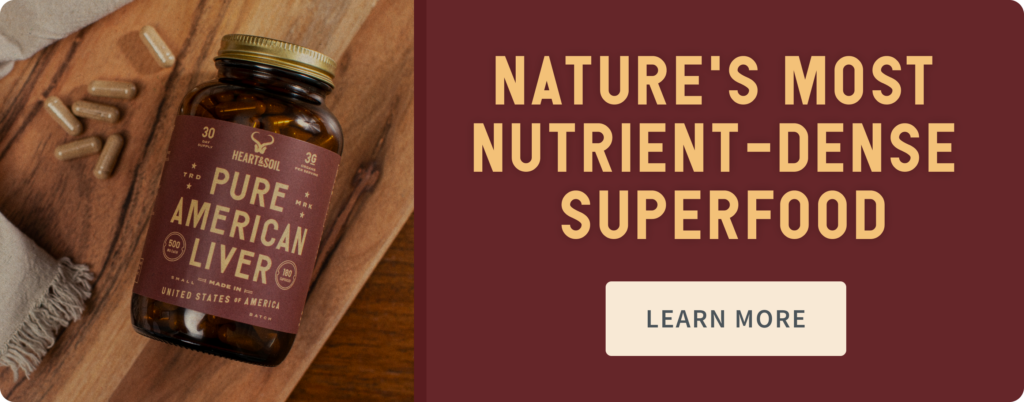
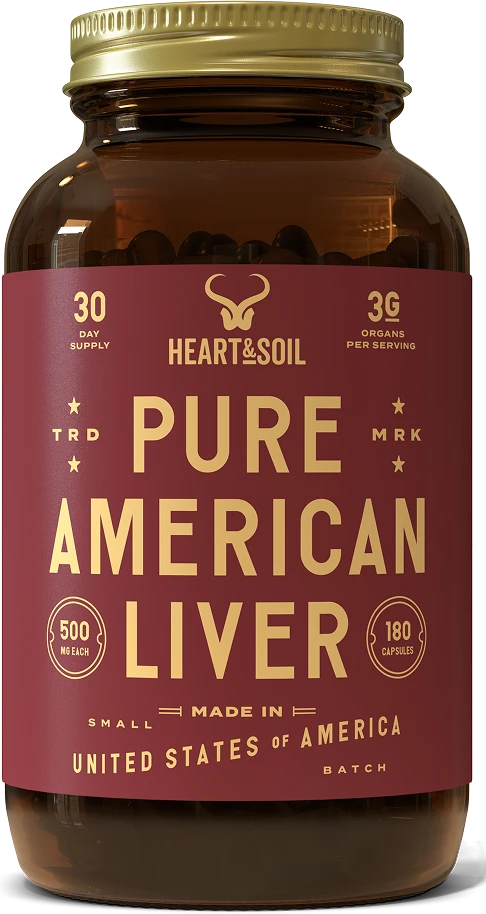
Heart & Soil’s Pure American Liver contains freeze-dried beef liver from grass-fed, pasture-raised cattle on American family farms. The product contains 500 mg of liver per capsule and is third-party quality tested.
Heart & Soil also tests its freeze-dried organs and gelatin capsules for heavy metals, pesticides, and microbes, with Certificates of Analysis available for its products.
For people who want organ nutrition as part of a daily routine, that can be a simple and standardized option.
Can You Eat Liver Every Day?
Yes, you can include liver regularly, but frequency alone is not the most useful way to think about it.
Dose matters. A small amount eaten daily is not equivalent to eating a large serving every day. The same is true for freeze-dried liver supplements.
If you choose to eat liver daily, pay attention to the total amount of preformed vitamin A coming from liver and any other supplements you use.
Following a supplement’s labeled serving size also makes intake easier to keep consistent.
Fresh Liver vs. Liver Supplements
Neither option has to be “better” for everyone.
Fresh liver gives you whole-food nutrition and can be inexpensive if you have access to a trusted local source.
Freeze-dried liver supplements may make more sense if:
- You dislike the taste or texture of fresh liver.
- You have trouble finding a consistent source.
- You want a convenient daily option.
- You value third-party contaminant testing.
- You want a standardized amount instead of estimating portions.
The goal is the same: making nutrient-dense organ foods easier to include consistently.
FAQ
Is beef liver safe to eat?
Yes, for most people, beef liver can be safely included as part of a varied diet. The main considerations are portion size, preformed vitamin A intake, food handling, and sourcing.
Is it safe to eat liver every day?
It can be, depending on the amount. Because liver is highly concentrated in vitamin A, a small daily amount is very different from eating several ounces each day. Consider your total vitamin A intake from both food and supplements.
Can you get vitamin A toxicity from liver?
Yes, excessive intake of preformed vitamin A can cause toxicity, but documented cases are uncommon and typically involve high intake over time. The adult upper intake level for preformed vitamin A is 3,000 mcg RAE per day (6).
Is raw liver safe?
Raw liver carries a greater foodborne illness risk than properly cooked liver. USDA recommends cooking beef organ meats to 160°F (7). Get your liver from high-quality sources.
Does liver contain toxins?
Liver can contain environmental contaminants just as other foods can, depending on exposure. It does not simply “store toxins.” Sourcing, regulation, and product testing help address these concerns.
Is grass-fed liver safer?
Grass-fed sourcing can provide information about how the animal was raised, but it does not automatically guarantee safety. Environmental exposure, feed quality, processing, and testing also matter.
The Bottom Line
Liver has a dramatic reputation on both sides: some people treat it like a miracle food, while others worry that it is dangerous.
The evidence supports a more practical middle ground.
Beef liver is an exceptionally nutrient-dense food. The most meaningful concerns are excessive preformed vitamin A intake and food safety with raw or undercooked liver. Other concerns such as heavy metals, pesticides, drug residues, and mycotoxins depend largely on sourcing and exposure rather than being inevitable features of liver.
For most people, that means there is little reason to be afraid of liver.
Choose a reputable source, use an appropriate amount, prepare it safely, and consider a tested freeze-dried supplement if that makes it easier to get organ nutrition into your routine consistently.
Nature's Ultimate Superfood
From Pure American Liver
- Whole-food support for strength, energy, & vitality
- 100% American liver from grass-fed & pasture-raised cattle
- Nature's #1 superfood, freeze-dried to retain bioavailability
60-day risk-free guarantee. No questions asked.
Subscribe to future articles like this:
