

A Complete Roadmap to Feeling Energized, Balanced, and Truly Alive
PLEASE NOTE: The information in this blog is for educational purposes only. It is not a substitute for professional medical advice. Consult your healthcare provider if you’re seeking medical advice, diagnoses, or treatment.
Your body has been trying to get your attention.
The exhaustion that hits before your alarm goes off. The mood swings that wreck your relationships. The drive (in work, in life, in intimacy) that’s disappeared without explanation. The body that feels stuck no matter what you try.
This isn’t stress. This isn’t aging. This isn’t a lack of willpower.
It’s hormonal imbalance.
Hormones are the master regulators of your body. They control how you produce energy, respond to stress, recover from effort, and adapt to daily life. When hormonal signaling breaks down, everything downstream feels harder physically, mentally, and emotionally.
Nothing is wrong with you. Your body isn’t broken. It’s out of sync.
This guide to balanced hormones explains why hormones fall out of sync in the modern world and how to restore them by supporting metabolism, gut health, circadian rhythm, and nutrient sufficiency.
As hormones rebalance, you’ll feel:
- Energy that lasts through the day instead of crashing by mid-afternoon
- More stable mood and a natural return of libido
- Clearer thinking and better focus
- Faster recovery from workouts and everyday stress
- A stronger sense of confidence and emotional resilience
It’s about restoring the conditions your body needs to function as designed and reclaiming radical health.
What are Hormones?
Hormones are chemical messengers released into the bloodstream to coordinate communication between organs, tissues, and cells. They’re produced by the glands of the endocrine system, such as the hypothalamus, pituitary, thyroid, adrenals, ovaries, pancreas, and testes (1).
Hormones deliver the essential instructions that control:
- Whether you sleep deeply or wake up groggy (melatonin)
- How to respond to stress (cortisol, adrenaline)
- When to store or release energy (thyroid hormones)
- Whether you feel resilient or overwhelmed (dopamine, serotonin)
- Your blood sugar (insulin, glucagon)
- Whether conditions are safe for reproduction (estrogen, progesterone, testosterone)
Hormones never act alone. They operate as a tightly coordinated network, constantly interpreting signals from your internal and external environment to maintain balance.
Signs Your Hormones Are Out of Sync
Hormonal imbalance is not just about libido or menstrual cycles. It’s not a single symptom…it’s a pattern.
If your hormones are dysregulated, you experience:
- Chronic fatigue that minerals and coffee don’t fix
- Brain fog, distractibility, or low motivation
- Persistent mood swings or anxiety
- Poor sleep or waking unrefreshed
- Sugar or refined carb cravings
- Blood sugar crashes after meals
- Difficulty gaining or losing weight
- Feeling cold, wired, or stressed
If you’re experiencing 1 or more of these symptoms consistently, your hormones are signaling for help. This isn’t normal aging. It’s your body asking for specific support. They are your body’s distress signals.
The Heart & Soil Hormone Principle
Hormones cannot be “fixed” one at a time. You have over 50 hormones working together at all times (2). To create balance, your body needs to feel safe, nourished, and resilient.
Your body decides hormone levels based on:
- Is there enough energy coming in?
- Are nutrients available to make and detox hormones?
- Is blood sugar stable?
- Are light and sleep patterns aligned with nature?
- Is stress overwhelming or manageable?
- Can the liver clear out used hormones?
If any one of these areas is off, balanced hormones become impossible.
So, the mission isn’t just “fix cortisol” or “boost testosterone.” The goal is to create an environment where your body can regulate all of its hormones naturally.
10 Foundational Ways to Support Balanced Hormones, Mood, & Libido
You don’t have to use trial and error to support your hormones, libido, and mood. We know what your body needs.
1. Eat an Animal-Based Diet
Healing starts with nutrition. Hormone production requires specific nutrients in forms your body recognizes and uses efficiently. An animal-based diet provides these in unmatched density and bioavailability:
- Animal protein supplies essential amino acids that your thyroid and adrenal glands need to produce hormones.
- Organ meats are among the most nutrient‑dense foods on Earth, full of B vitamins, vitamin A, copper, zinc, selenium, and bioavailable iron.
- Raw dairy and eggs provide fat‑soluble vitamins (A, D, E, K2) that support hormone receptor function and cell membrane integrity.
- Fruit and honey supply carbohydrates that your brain and hormonal axis depend on to avoid stress‑hormone elevation.
- Animal fats (butter, tallow) provide saturated fat necessary for cholesterol, which is the backbone of all steroid hormones (testosterone, estrogen, progesterone, cortisol).
This diet also removes hormonal disruptors: seed oils, grains, legumes, and other plant foods that stress the liver, irritate the gut, and block mineral absorption. We’ve seen it thousands of times…remove them, and your body begins to heal.
How to eat animal-based:
- Prioritize meat at every meal: Rich in protein, zinc, and amino acids that support metabolic and hormonal health.
- Include raw dairy and seed-oil free eggs: These support calcium balance, hormone signaling, and cell membrane integrity.
- Add fruit and honey freely: They stabilize blood sugar and fuel thyroid and reproductive hormone production.
- Use real fats like butter and tallow: These provide the cholesterol backbone for optimal sex and stress hormones.
Learn More: The Ultimate Guide to the Animal-Based Diet
2. Eat Organs Every Day
You cannot build or balance hormones without key micronutrients, and organs are an incredible source (3):
- Iodine & selenium: Crucial for thyroid hormone synthesis and conversion.
- Zinc: Required for testosterone, thyroid hormone, and insulin signaling.
- Iron: Supports oxygen delivery, thyroid conversion, and energy production.
- B vitamins: Fuel adrenal function, neurotransmitter production, and metabolic repair.
- Copper: Supports estrogen detox and thyroid efficiency.
- Choline: Critical for methylation and hormone clearance.
- And more!
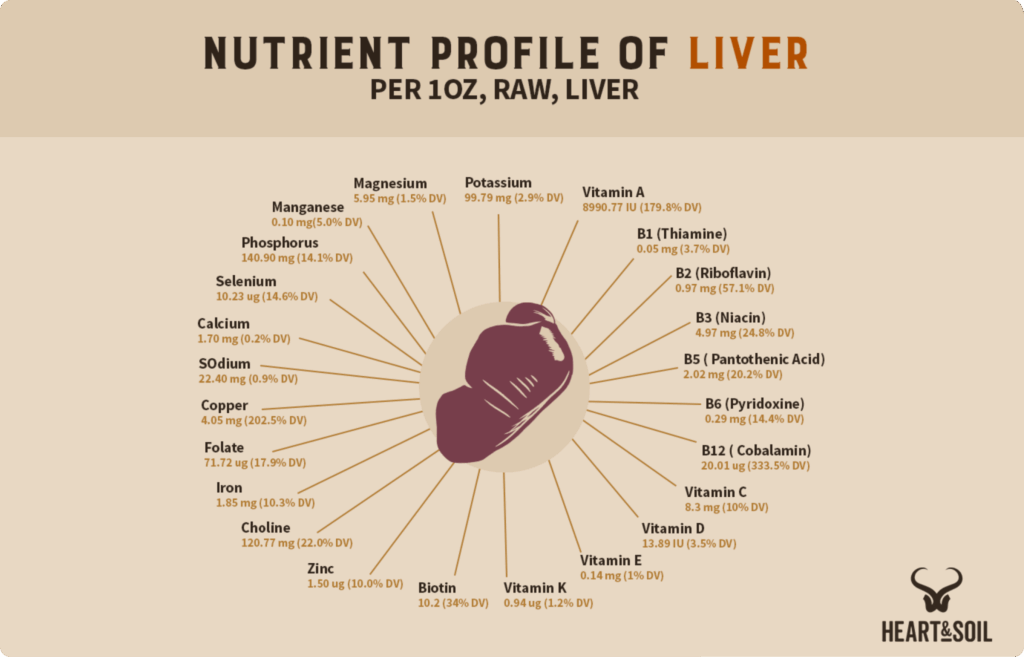
No amount of “clean eating” can replace the density found in organs. Without these nutrients, hormone production slows, no matter what else you’re doing.
How to eat organs every day:
- Eat 0.5–1 oz of liver daily: The most potent food for hormonal function and energy.
- Include a mix of organs: Heart, thymus, kidney, thyroid, and spleen offer unique cofactors.
- Use desiccated organs if needed: If the taste or sourcing is hard, try Heart & Soil supplements.
Beef Organs
Nature's Ultimate Multivitamin
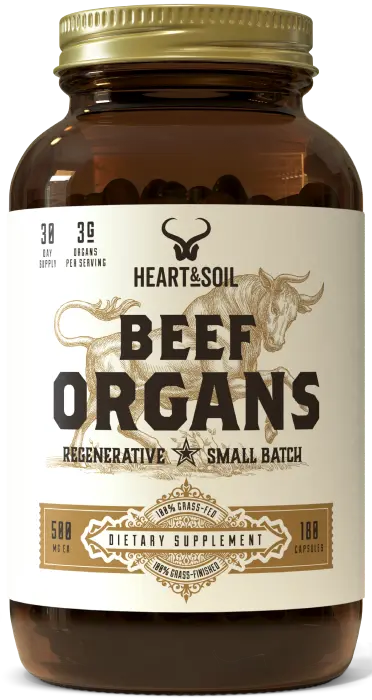
- Grass-fed liver, heart, pancreas, kidney, & spleen
- Designed to support overall energy & well-being
- Ideal daily foundation for nose-to-tail nutrition
60-day risk-free guarantee. No questions asked.
Learn more: Is Beef Liver Better Than A Multivitamin? (#1 Natural Vitamin)
3. Nourish Your Gut
Your hormones are as healthy as your gut.
If your digestion is off, your hormones will be, too. Why? Because your gut isn’t just about food absorption. Here’s what your gut does for your hormones:
- Produces neurotransmitter precursors and signals. Up to 95% of serotonin is made in the gut, which communicates with the brain through the vagus nerve and influences mood, motivation, and stress resilience (4). Just as importantly, gut health determines whether you absorb the amino acids, B vitamins, and minerals needed to make neurotransmitters in the brain.
- Controls inflammation. Gut permeability (aka “leaky gut”) triggers systemic inflammation, which blunts thyroid hormone receptors and increases cortisol (5).
- Supports nutrient absorption. Without a strong gut lining and robust digestive enzyme output, you won’t extract the B vitamins, minerals, and fat-soluble nutrients needed to make neurotransmitters and hormones.
- Regulates estrogen metabolism. Your microbiome determines how much estrogen is recirculated vs excreted (a dysfunctional gut leads to estrogen dominance) (6).
A dysregulated gut means hormonal chaos.
How to nourish your gut:
- Eliminate inflammatory plant foods while healing: Leafy greens, legumes, and grains contain compounds that irritate compromised gut linings. Once your gut heals, you can reassess tolerance individually.
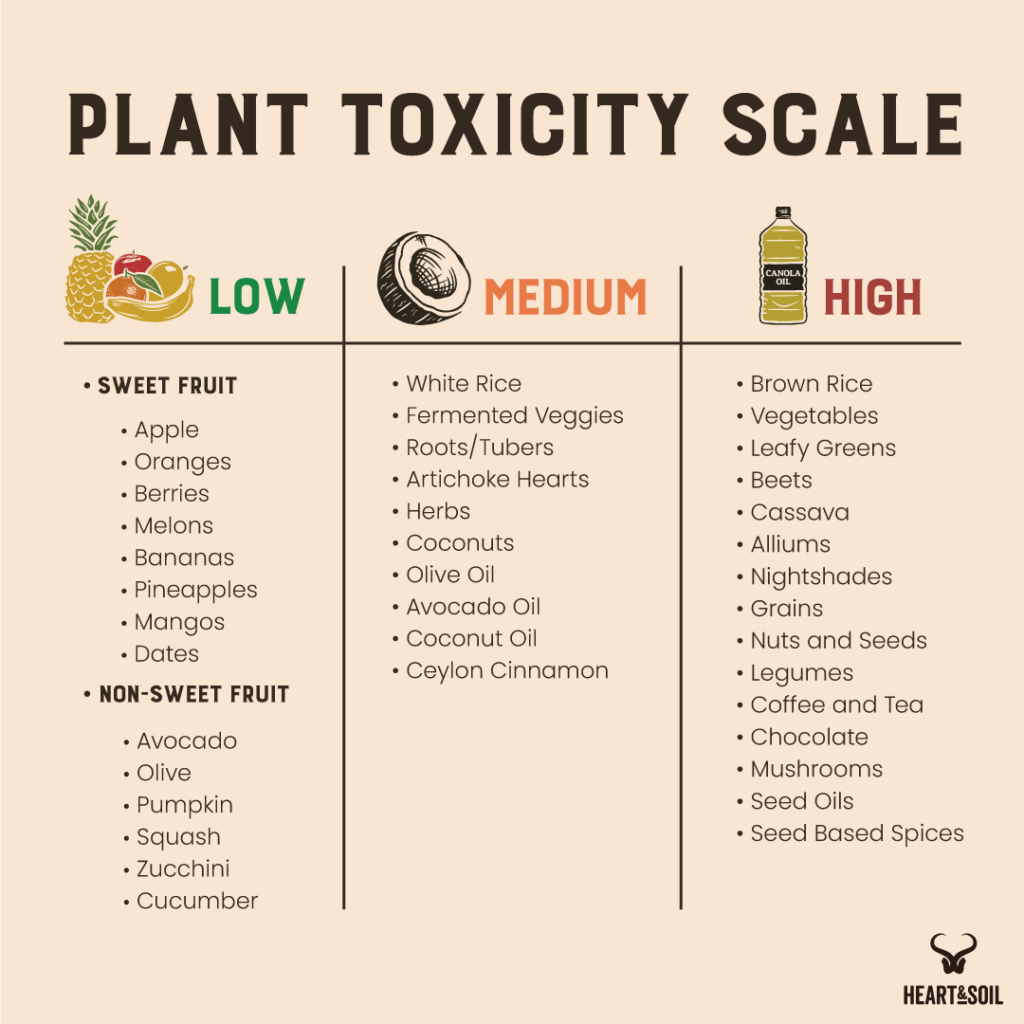
- Drink bone broth daily: Rich in glycine and glutamine to heal the gut lining and reduce cortisol.
- Consume colostrum: Supports mucosal immunity, microbiota balance, and gut wall regeneration.
- Eat fermented foods like kefir: These replenish beneficial bacteria and enhance hormone clearance.
- Stay deeply hydrated: Hormone signaling and digestion rely on good hydration for bile flow, enzyme production, and detox.
4. Ensure Energy Availability
You cannot create balanced hormones in a state of perceived starvation.
If you’re fasting too long, skipping carbs, or chronically under-eating, your brain gets one message: shut down reproduction and slow metabolism to survive.
Here’s what that means:
- Cortisol rises to mobilize energy.
- Thyroid hormone conversion drops.
- Progesterone and testosterone decline.
- You lose your cycle, libido, energy, and warmth.
This is how “healthy eating” becomes hormonal sabotage.
How to ensure energy availability with a metabolism reset:
- Eat breakfast within 30–60 minutes of waking: Lowers cortisol and activates metabolism.
- Aim for 25-40g protein + 30-50g carbs + 15-25g fat. This signals safety, lowers cortisol, and activates metabolism. Example: 4 eggs + 2 cups fruit + 2 tbsp butter.
- Include all three macros in every meal: Protein, carbs, and fat provide stable fuel and building blocks.
- Protein: 25-40g (palm-sized portion of meat, 4+ eggs)
- Carbs: 30-75g depending on activity (1-3 servings fruit, root vegetables, honey)
- Fat: 15-30g (butter, tallow, egg yolks, dairy fat)
- Don’t fear carbs: Fruit, honey, and root veggies restore glycogen and support thyroid function.
- Avoid long fasts or extreme diets: These impair insulin and thyroid signaling and drive hormonal fatigue.
- Daily targets for hormonal health:
- Adjust up based on activity, healing needs, and body size
- Women: 2,000-2,500+ calories, 100-200g carbs, 80-120g protein
- Men: 2,500-3,500+ calories, 150-300g carbs, 120-180g protein
If you’ve been stuck in a low-calorie mindset, it’s time to break free. Your body doesn’t want to be fragile, tired, and moody. When you feed it what it truly needs, it starts to trust you again, and that’s when healing begins.
Learn More: 15+ Tips to Naturally Improve Thyroid Function

5. Regulate Stress
You cannot be in survival mode and thrive hormonally. Your body has to choose. If you’re under chronic stress, it will always prioritize short-term survival over long-term reproductive, thyroid, and emotional health.
Cortisol is the primary stress hormone, and while it has a purpose, it’s not meant to be chronically elevated. When cortisol stays high, it suppresses your thyroid, wrecks your sleep, kills your libido, and blunts progesterone, testosterone, and dopamine production. It also increases insulin resistance and belly fat, creating a hormonal mess (7).
Chronic stress looks like:
- Poor or fragmented sleep
- High resting heart rate
- Low motivation, especially in the morning
- Anxiety, brain fog, or emotional numbness
- Midsection weight gain despite eating clean
- Inflammation and frequent illness
Your body will sacrifice optimal hormone production to maintain a stress response if it thinks danger is ongoing.
How to regulate your stress response:
- Slow down intentionally: Meditation, warm baths, reading, and other non-rushed activities all signal to your body that it’s safe to relax.
- Move your body often: Walk, stretch, garden, or clean to release adrenaline without depleting you.
- Eat brain-supporting foods: Your brain thrives off healthy sources of carbohydrates like fruit and honey, omega-3 fatty acids like seafood and grass-fed meat, and bovine organs like brain!
- Reduce screen exposure: Especially at night, because blue light and constant input elevate cortisol.
- Prioritize joy and play: Laugh with friends, dance to music you love, engage in hobbies that feel genuinely enjoyable. These aren’t luxuries, they’re hormonal necessities. Joy actively shifts your nervous system from threat response to restoration mode.
Stress is real, and it’s not just in your head. Give yourself permission to slow down, reset, and reclaim a calm hormonal state. It’s not weakness. It’s wisdom.
Mood, Memory & Brain
Calm & Clarity with Grass-Fed Organs
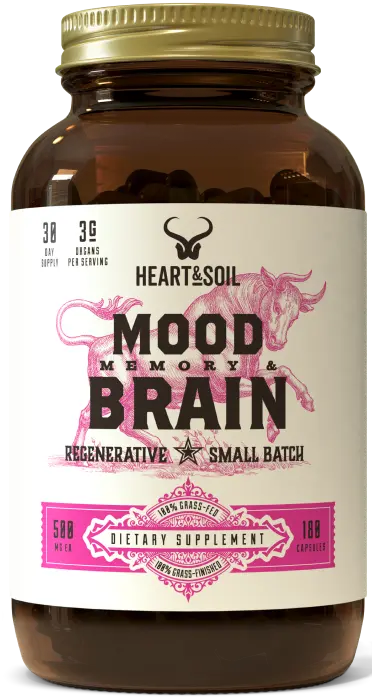
- Brain (including the cortex, hypothalamus, pituitary, and pineal gland), bone marrow, & liver
- Encourages healthy neural connections & mental function
- Helps maintain stress resilience & a positive mood
60-day risk-free guarantee. No questions asked.
6. Align Circadian Rhythm
Light is the most powerful regulator in your environment for balanced hormones.
Every cell in your body and hormone in your endocrine system is governed by the master clock in your brain, which is set by light exposure (8). When you get bright light in the morning, your brain triggers wakefulness hormones like cortisol and dopamine. When it gets darkness, it releases melatonin, initiating repair, sleep, and hormonal rebuilding.
Circadian disruption causes:
- Poor sleep quality and delayed sleep onset
- Elevated nighttime cortisol and suppressed melatonin
- Impaired insulin sensitivity and higher fasting blood sugar
- Depression and low morning energy
- Suppressed testosterone and progesterone
Optimizing your light environment isn’t biohacking. It’s biology.
How to align your circadian rhythm:
- Get outside within 30 minutes of waking: Even 5–10 minutes of natural light helps regulate cortisol and boost alertness.
- Keep consistent sleep/wake times: Your body loves rhythm. Fluctuating bedtime and wake time increases stress hormone output.
- Avoid bright artificial light at night: Blue light suppresses melatonin and stresses your brain.
- Use low, red-toned lighting in the evening: This mimics firelight and helps cue your nervous system for rest.
- Sleep in total darkness: Blackout curtains, eye masks, and no ambient light. Your pineal gland can sense even tiny amounts of light.
This is one of the fastest ways to feel better, and it costs nothing! Reconnect with light and watch your energy, sleep, and mood transform.

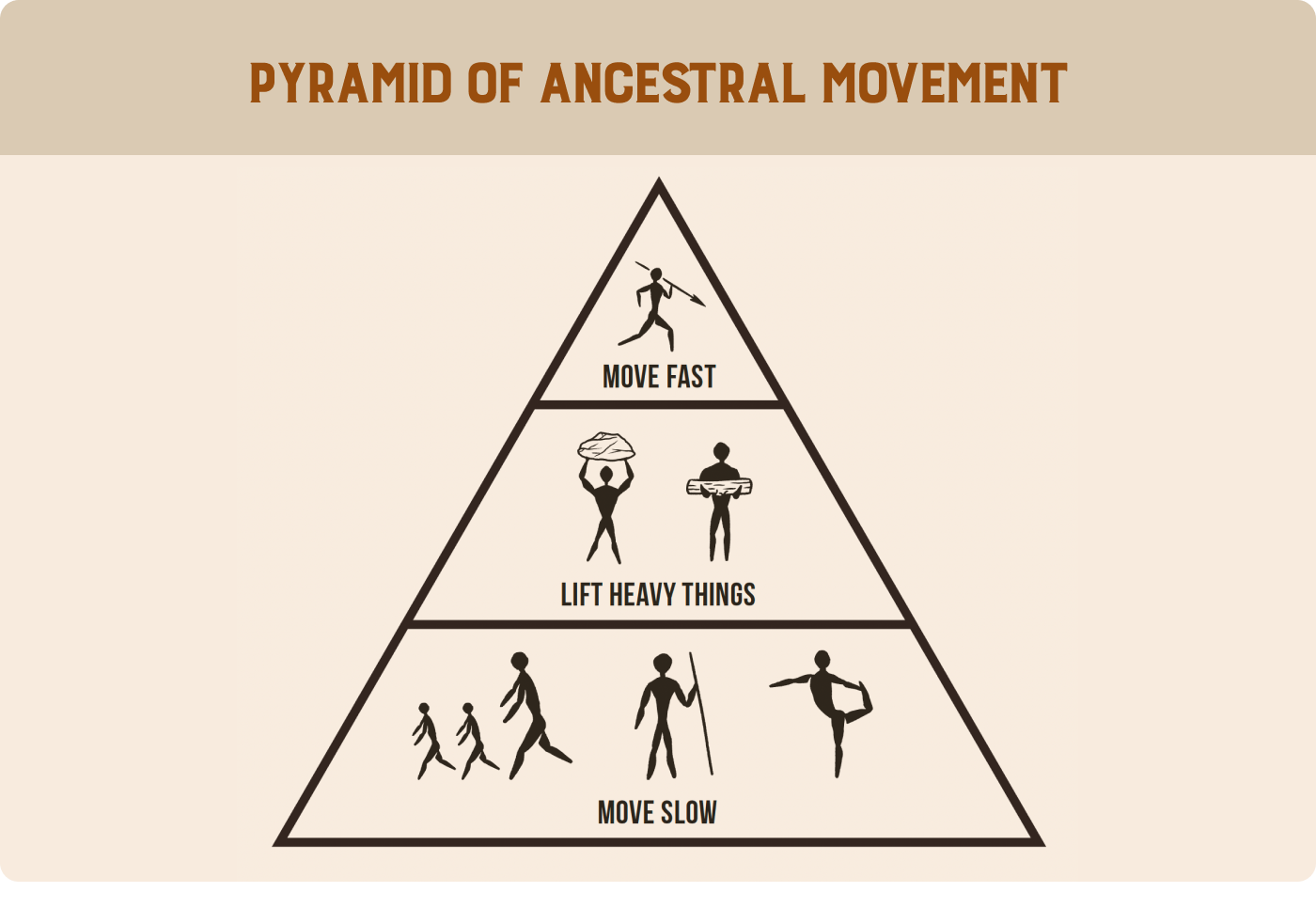
7. Strength Train Wisely
Muscle is more than tissue; it’s an endocrine organ.
Here’s why strength training matters for balanced hormones:
- Increases lean mass, which improves insulin sensitivity and metabolic rate (9).
- Stimulates anabolic hormones like testosterone and growth hormone (10).
- Enhances thyroid function through improved glucose disposal (11).
- Supports mental resilience by raising dopamine and lowering cortisol (12).
But more isn’t always better. Intensity without recovery destroys hormonal balance. The goal isn’t to crush every workout every day. It’s to train hard, recover fully, and build long-term strength without hormonal cost.
How to strength train wisely:
- Train 2–4x per week with intention: Focus on compound lifts like squats, presses, and rows to stimulate the largest hormonal response.
- Track fatigue and back off when needed: If you’re dreading the gym or feel weaker than usual, rest. Listen to your body’s wisdom.
- Walk daily, especially after meals: Gentle movement improves glucose handling and stress regulation without taxing your system.
- Avoid chronic high-volume cardio: Long runs or HIIT workouts can deplete progesterone and spike adrenaline, especially in women (13)
You don’t need to train harder; you need to train smarter! Set a small goal and get moving today.
8. Maintain a Healthy Body Fat Range
Your body fat percentage affects balanced hormones and signaling, but not in the black-and-white way diet culture taught you.
What’s actually true:
When body fat drops too low (typically under 21% for women, 10% for men), your body perceives threat. Reproductive hormones shut down, thyroid slows, and stress hormones rise. You lose your cycle, libido, warmth, and energy.
When inflammation is chronic (often appearing alongside higher body fat but caused by many factors, including stress, sleep deprivation, and poor nutrition), hormone signaling becomes less efficient. Insulin resistance develops, estrogen metabolism shifts, and energy regulation suffers.
But here’s what matters more: Your hormones can balance across a wide range of body compositions when the fundamentals are in place: nourishing food, stable blood sugar, quality sleep, stress management, and movement you enjoy.
Fat Loss Stack
Grass-Fed Organs for Metabolic Health
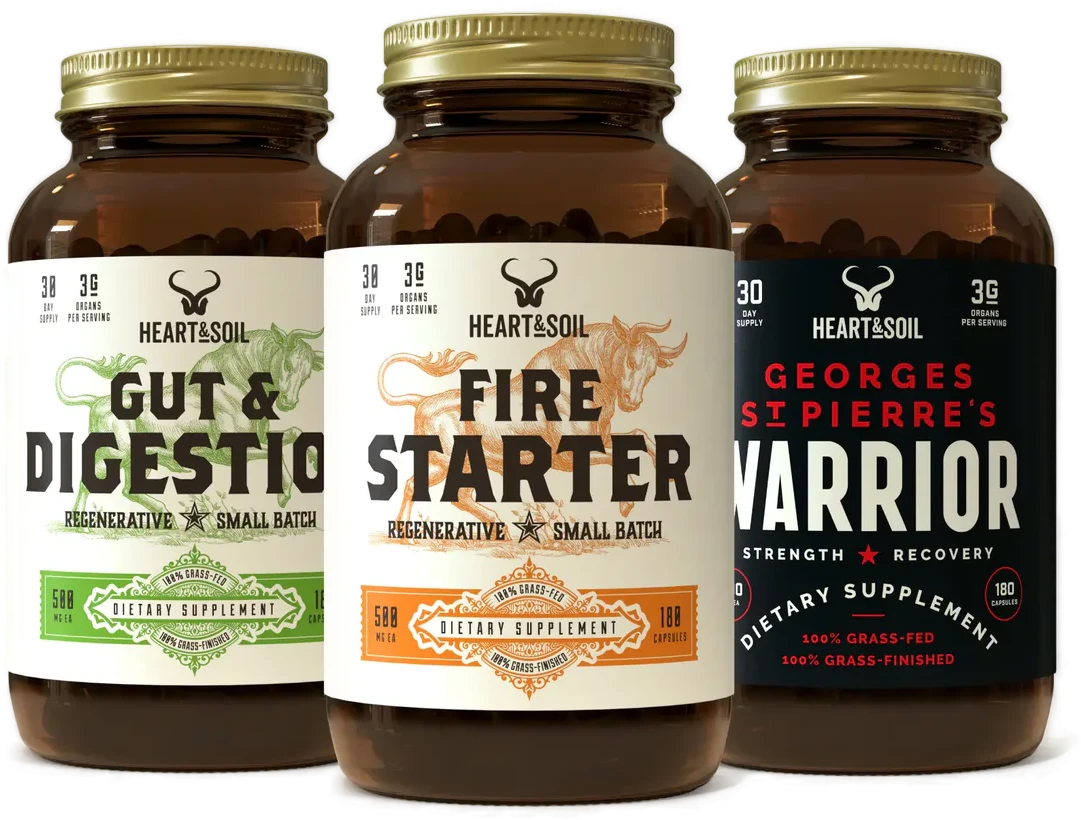
- Firestarter, Gut & Digestion, Warrior
- Supports sustainable fat loss while enhancing metabolism and muscle retention
- Help fight cravings, boost energy, and nourish your gut
60-day risk-free guarantee. No questions asked.
How to approach body composition with wisdom:
- Prioritize markers over mirrors. Track energy levels, libido, sleep quality, strength, mood stability, and menstrual regularity. These tell you more about hormonal health than any scale.
- Nourish, don’t restrict. Chronic dieting and extreme calorie deficits destroy hormonal balance faster than any other single factor. Your body needs abundant nutrition to produce hormones. Feed it well.
- Move your body with respect. Strength training builds metabolic health. Walking supports insulin sensitivity. But crushing yourself daily in pursuit of leanness backfires hormonally. Balance intensity with genuine recovery.
- Question the goal. If you’re pursuing lower body fat because you think it will finally make you worthy, successful, or lovable, pause. Your worth isn’t negotiable based on body composition. Hormonal health flourishes when you treat your body with dignity, not punishment.
⚠️ Important: If you have a history of disordered eating, body dysmorphia, or chronic dieting, work with a qualified therapist or eating disorder specialist before focusing on body composition goals. Your mental health is as important as your physical health.
Hormonal vitality comes from respect, nourishment, and trust. When you stop fighting your body and start supporting it, everything begins to shift.
Learn more: Animal-Based Diet for Fat Loss (Does It Work

9. Limit Hormone-Disrupting Substances
Your liver is your hormonal processing plant. If it’s burdened by synthetic chemicals, alcohol, or drugs, your hormone clearance suffers, and imbalance sets in (14).
Common disruptors and what they do:
- Plastics (BPA, phthalates): mimic estrogen and interfere with detox pathways
- Pesticides and herbicides: burden the liver and disrupt thyroid signaling
- Fragrance chemicals: disrupt androgen and estrogen receptors
- Alcohol and cannabis: impair liver detox, lower testosterone, and elevate cortisol
How to reduce hormone-disrupting exposure:
- Use glass and stainless steel instead of plastic: Especially for food storage, drinking bottles, and reheating leftovers.
- Buy organic animal-based foods when possible: Reduces pesticide load and improves nutrient density.
- Eliminate synthetic fragrances: Ditch scented candles, air fresheners, dryer sheets, and chemical-heavy perfumes.
- Choose clean skincare and cleaning products: If you wouldn’t eat it, don’t put it on your skin.
- Reduce alcohol and recreational drug use: These compromise liver function and directly interfere with hormone clearance.
Every small swap makes a difference. Cut the toxins, and your body will do what it’s built to do: heal and thrive.
Learn more: I Went From 500 to 857 Testosterone at 48 (5 Simple Tips)

10. Care For Yourself
The state of your hormones, mood, and libido reflects how you relate to yourself every single day.
Self-neglect, perfectionism, and disconnection from your body keep your nervous system on high alert. Over time, this leads to chronically elevated cortisol, suppressed reproductive hormones, and unstable energy.
Your biology listens to your inner dialogue. If your body senses rejection, judgment, or mistrust, it responds with hormonal shutdown. If it senses compassion and care, it begins to heal.
How to care for yourself:
- Morning body check-in (2 minutes): Before reaching for your phone, scan your body. Notice: How’s your energy? Any tension? What does hunger feel like today? This isn’t about judgment, it’s about listening.
- Honor hunger and fullness: If you’re hungry, eat, even if it’s “not time.” If you’re full, stop, even if food remains. Practice trusting your body’s signals instead of overriding them with rules.
- Weekly self-compassion practice: Set a timer for 5 minutes. Write or speak to yourself as you would to someone you deeply love who’s struggling. Notice how different this feels from your usual self-talk. Practice this tone daily.
- Physical reconnection (10 minutes daily): Try gentle stretching, self-massage, or simply lying down and noticing sensations without trying to change them. Reconnecting with your body heals the disconnect created by years of fighting it.
- Schedule non-negotiable rest: Block 1 hour per week minimum for something that restores you: reading, baths, crafting, walking in nature, therapy, time with friends who energize you. Treat this as seriously as a doctor’s appointment.
- Rewrite the inner critic: When negative self-talk appears, pause. Ask: “Would I say this to someone I care about?” If not, revise it. Example: “I’m so weak” becomes “I’m learning to trust my body again, and that takes courage.”
- Celebrate micro-wins: Did you eat breakfast today? Celebrate it. Went outside for sunlight? That counts. Small actions compound into massive transformation.
Balanced hormones and healing isn’t just about what you eat or how you sleep. It’s about how you treat yourself when no one is watching.
Your Path Back to Balanced Hormones
Feeling overwhelmed? That’s normal! Healing hormones, mood, and libido doesn’t happen in a day. It happens step by step.
The most powerful transformations we’ve seen didn’t come from doing everything at once. They came from choosing one thing and doing it consistently.
You already know your body better than anyone else. Which of the principles above jumped out at you? Start there. Maybe it’s eating breakfast within an hour of waking. Maybe it’s stepping outside first thing in the morning. Maybe it’s finally cutting out seed oils or switching to real food.
As you stay consistent, here’s a general timeline many people experience as their body begins to rebalance:
1–2 weeks: Energy starts to feel steadier throughout the day. Digestion often improves, with less bloating, reflux, or sluggishness after meals.
3–4 weeks: Brain fog begins to lift. Mood stabilizes. Cravings tend to soften as blood sugar and stress hormones become more regulated.
2–3 months: Libido often returns or strengthens. Menstrual cycles may become more regular. Body composition can begin to shift as metabolic signals normalize.
These timelines aren’t rigid, and everyone’s path is different, but they reflect what we’ve seen repeatedly when the foundations are in place.
Build momentum one small decision at a time.
You’re not broken; you’re just out of sync. And with patience and consistency, your body knows how to find its way back. We’ve seen it happen thousands of times.
Reclaim Your Health
When your hormones are out of balance, your entire life is affected: energy, mood, metabolism, focus, sleep, emotional resilience, and drive.
But hormone balance isn’t magic. It’s the natural result of meeting your body’s true needs:
- Consistent energy and nourishment
- Abundant micronutrients from animal foods and organs
- A strong, stable gut that absorbs and signals properly
- Daily rhythms aligned with sunlight and rest
- Low chronic stress and high recovery
- A calm, regulated nervous system
When you restore these foundations, your body remembers what to do. Hormones normalize. Energy returns. Libido wakes up. Mood stabilizes. Confidence returns. You feel like you again.
You don’t need a complicated protocol. You need deep nourishment, daily regulation rituals, and the confidence to trust your biology again.
Radical health is possible. Hormonal harmony is within reach. Your body is ready to heal. Start with one principle from this guide today. Balanced hormones, mood, and libido are waiting on the other side of these decisions. You deserve to feel alive again
Subscribe to future articles like this:
