

PLEASE NOTE: The information in this blog is for educational purposes only. It is not a substitute for professional medical advice. Consult your healthcare provider if you’re seeking medical advice, diagnosis, or treatment.
You have probably heard that seed oils are best avoided. You have probably also heard that olive oil is one of the healthiest fats on the planet. So which is it? Is olive oil a seed oil, or is it in a category of its own?
The answer matters because not all oils are created equal, and knowing the difference could change what you put in your body every single day.
TL;DR
Is olive oil a seed oil? No. Olive oil is not a seed oil. It is pressed from the fruit of the olive tree, not extracted from a seed. This distinction matters because olive oil has a fundamentally different fat composition, processing method, and health profile than seed oils such as soybean, canola, sunflower, and cottonseed. Olive oil is one of the few plant-derived oils with thousands of years of human use and a substantial body of research supporting its benefits.
Table of Contents

What Is a Seed Oil, Exactly?
Seed oils are oils extracted from the seeds of crops. The term is often used interchangeably with “vegetable oil,” but that framing is imprecise.
All seed oils are technically vegetable oils, but not all vegetable oils are seed oils. Olive oil and avocado oil, for example, are vegetable oils pressed from fruit, not seeds, and they have a meaningfully different nutritional profile.
The oils worth avoiding are better understood by their fat composition than by their label. The problem with seed oils is not simply that they come from seeds.
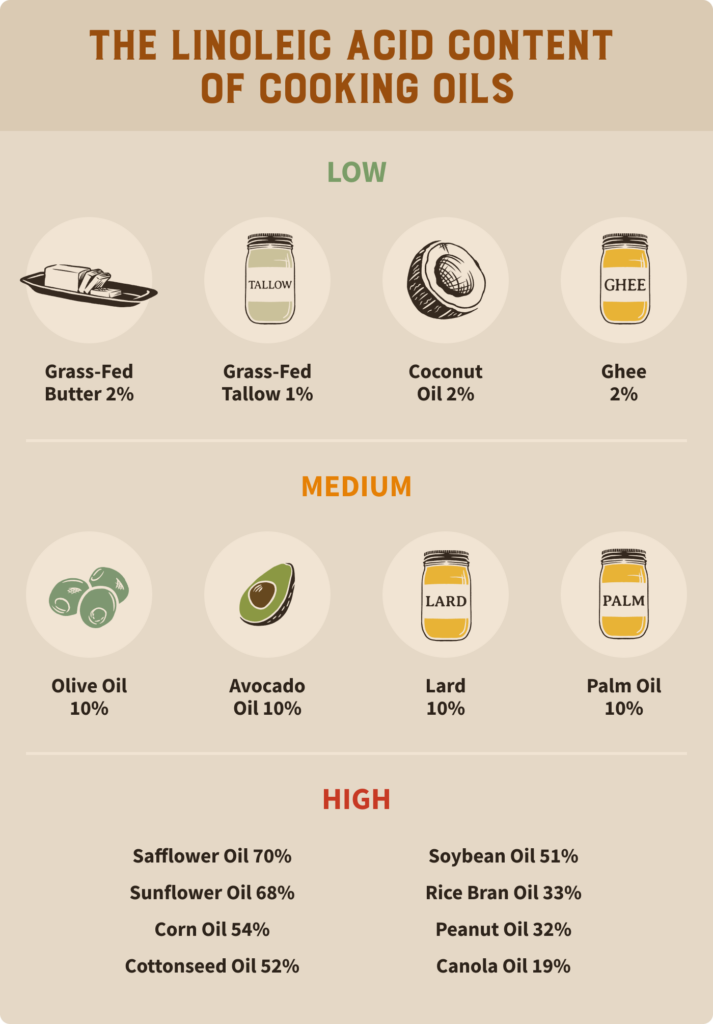
The problem is that they are overwhelmingly high in polyunsaturated fatty acids (PUFAs), specifically linoleic acid, an omega-6 fat that the modern diet already delivers in excess.
Common high-PUFA seed oils include:
- Soybean oil
- Canola (rapeseed) oil
- Sunflower oil
- Cottonseed oil
- Grapeseed oil
- Safflower oil
Check out the Complete List of Seed Oils.
These oils are extracted using chemical solvents under high heat, a process that damages the unstable PUFA molecules before the oil even reaches your plate.
Linoleic acid is not inherently harmful in small amounts, but the excessive quantities found in the modern diet, driven largely by processed foods and restaurant cooking, may contribute to cardiovascular disease, autoimmune disease, and cancer(1),(2). Frying these oils compounds the problem by generating free radicals, potentially driving chronic inflammation (3).
The reason olive oil sits in a different category is its fat composition. It is predominantly monounsaturated, not polyunsaturated, which makes it far more chemically stable and far less prone to the oxidative damage that makes high-PUFA oils problematic.
| Seed Oils | Olive Oil | |
| Source | Seeds | Olive fruit |
| Extraction | Chemical solvents | Mechanical processing |
| Primary Fat | Omega-6 PUFAs (linoleic acid) | Monounsaturated (oleic acid) |
| Processing | Heavy refining | Minimal (for EVOO) |
| History of Use | Less than 100 years | 6,000+ years |

Is Olive Oil a Seed Oil? Why the Distinction Matters
Olive oil is pressed from the flesh of the olive fruit, not a seed. This single difference changes everything about its nutritional profile and how your body responds to it.
Olive oil is notably high in monounsaturated fatty acids (MUFAs), specifically oleic acid. Of all plant-derived oils, it has the highest ratio of monounsaturated to polyunsaturated fatty acids (4).
Monounsaturated fat is associated with improved immune function and heart health (5). That fat profile also makes olive oil far more stable than seed oils, which oxidize easily at high temperatures and may promote disease when heated (6).
The processing difference is equally important. Seed oils require chemical solvents and multiple rounds of refinement that strip beneficial compounds. Extra virgin olive oil (EVOO) is essentially cold-pressed fruit juice. That minimal processing preserves over 200 beneficial minor compounds, including polyphenols, vitamin E, and powerful antioxidants (7).
Switching from seed oils to olive oil is one of the best swaps you can make for your health.
7 Science-Backed Benefits of Olive Oil
1. Cardiovascular Health
Olive oil has been extensively studied for its effects on heart health. Research shows that olive oil consumption is associated with reduced cardiovascular disease risk, lower blood pressure, and improved endothelial function (8). Cardiovascular diseases remain the leading cause of global death, and the majority are considered largely preventable through diet (9).
The oleic acid in olive oil helps reduce LDL oxidation and arterial inflammation, 2 of the primary drivers of heart disease, without the omega-6 overload that makes seed oils problematic for cardiovascular health (10, 11).

2. Links to Cancer Risk Reduction
Around 40% of cancer cases are considered preventable through physical activity and a proper diet12. Olive oil has demonstrated protective effects against multiple cancer types (13). A meta-analysis of 45 studies found a 31% lower risk of cancer among those with the highest olive oil consumption (14).
The polyphenols and antioxidants preserved in extra virgin olive oil appear to drive much of this effect, which is one reason quality matters significantly when choosing an olive oil.
3. Weight and Metabolic Health
More than 33% of adults globally are now considered overweight or obese (15). Olive oil, as part of a nutrient-dense diet, is associated with reduced body fat and improved metabolic markers (16). Its high MUFA content supports satiety and metabolic function in ways that refined seed oils do not.
Read more tips on fat loss here.
4. Nutrient Density and Antioxidant Protection
Extra virgin olive oil provides vitamin E, polyphenols, and over 200 minor compounds with documented anticancer, antioxidant, antimicrobial, and anti-inflammatory effects (17). These compounds are largely absent in refined seed oils, which lose their beneficial components during heavy processing (18).
5. Skin Health
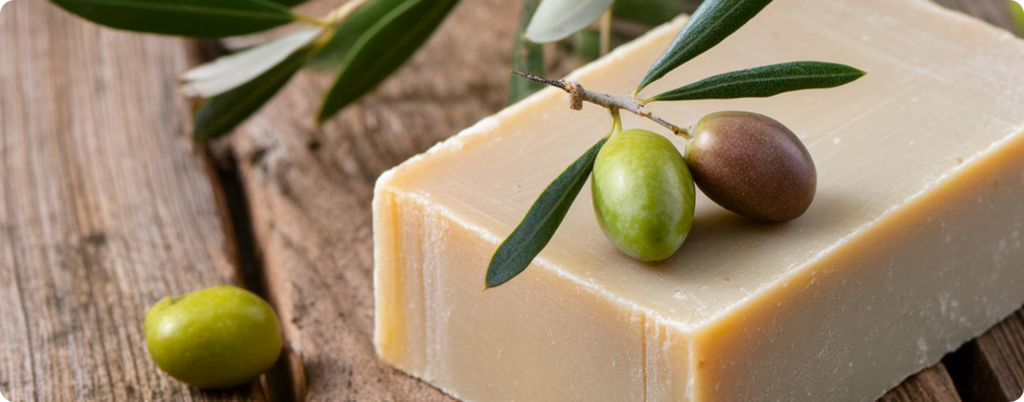
Olive oil has been used for skin health for thousands of years. A medical text from approximately 1,550 BCE, the Ebers Papyrus, contained olive oil-based recipes for eczema and psoriasis, as well as for soothing insect bites and stings (19). Modern research supports this tradition: a combination of olive oil, honey, and beeswax has been shown to reduce eczema symptoms in a clinical study (20).
Its vitamin E content and anti-inflammatory compounds support skin barrier function and reduce oxidative damage to skin cells (21).
6. Bone Health
Olive oil appears to protect bone density and reduce bone loss (22). Research suggests it supports bone mineral density through its anti-inflammatory and antioxidant mechanisms, making it a useful dietary complement to the calcium, zinc, copper, and collagen-supporting minerals found in animal-based foods like oysters, raw dairy, and organs.
7. Brain Health and Cognitive Protection
Olive oil has demonstrated meaningful effects on brain health, including reduced cognitive decline, enhanced blood-brain barrier function, and improved behavioral performance (23). Extra virgin olive oil is also being studied for its potential protective effects against Alzheimer’s disease, which currently affects approximately 50 million people globally (24, 25).
The oleocanthal compound in EVOO has anti-inflammatory properties similar in mechanism to ibuprofen, without the pharmaceutical side effects (26).
The Olive Oil Fraud Problem: What You Need to Know
Knowing that olive oil is not a seed oil does not mean every bottle on the shelf delivers what it promises. Olive oil fraud is widespread, and many products labeled “extra virgin” contain cheaper seed oils mixed in.
The 3 most common forms of olive oil fraud are (27, 28):
- Blending with cheaper oils: Soybean, canola, corn, and peanut oils have all been detected in olive oil products
- Misleading quality labeling: Products labeled extra virgin that do not meet EVOO standards
- False origin claims: Oils labeled as Italian or Greek that are sourced elsewhere

If you are choosing olive oil specifically to avoid seed oils, a contaminated product defeats the purpose entirely.
How to Choose a High-Quality Olive Oil
Not all olive oil is equal. Here is what to look for:
- Extra virgin only: EVOO undergoes minimal processing and preserves the highest polyphenol and antioxidant content. Refined olive oil loses most of these benefits (29).
- Dark glass bottle: Light degrades olive oil quickly. Clear plastic or glass bottles accelerate oxidation (30).
- Single origin: Oils from a single region or producer are easier to verify and less likely to be blended (31).
Organic certification: Reduces pesticide exposure, which can concentrate in fats (32).

FAQ: Is Olive Oil a Seed Oil?
Q: Is olive oil inflammatory like seed oils? A: No. Olive oil’s primary fat is oleic acid, a monounsaturated fat associated with reduced inflammation (33). Seed oils are high in linoleic acid, an omega-6 PUFA, which, in excess, is associated with pro-inflammatory effects (34). The 2 oils have opposite profiles in this regard.
Q: Can you cook with olive oil or does it become harmful like seed oils? A: Extra virgin olive oil is more heat-stable than seed oils due to its high MUFA content and natural antioxidants (35). It is appropriate for low- to medium-heat cooking. At very high temperatures, some beneficial compounds are degraded, so for high-heat cooking, animal fats like tallow or ghee remain the better option.
Q: Is avocado oil a seed oil? A: No, avocado oil is not a seed oil. Like olive oil, avocado oil is pressed from the fruit, not the seed. It has a similar MUFA-dominant fat profile. However, avocado oil is also subject to significant fraud, so the same sourcing caution applies.
Q: Is olive oil approved on an animal-based diet? A: Yes, olive oil is approved on an animal-based diet, but not a carnivore diet. It does not contain seed oils, antinutrients, or the problematic linoleic acid load that makes other plant oils worth avoiding.
Q: Why do some people avoid olive oil on a carnivore diet? A: Some strict animal-based practitioners (i.e., carnivore diet) avoid all plant foods, including olive oil, and rely entirely on animal fats like tallow, butter, ghee, and suet. This is a personal choice for a short period of time for intense healing, rather than a response to the idea that olive oil is harmful. Extra virgin olive oil does not carry the same concerns as seed oils, and its risk profile is substantially different.
What to Eat On a Carnivore Diet (Food List and Meal Plan!)
Promote Healthy Weight Management
Metabolism. Energy. Drive.
- 1 ingredient: grass-fed & finished suet
- Rendered at low temperatures to preserve nutrients
- Encourages the absorption of fat-soluble vitamins
60-day risk-free guarantee. No questions asked.
Bottom Line: Is Olive Oil a Seed Oil?
Olive oil is not a seed oil. It is pressed from olive fruit, processed with minimal intervention, and carries a fat profile, antioxidant content, and a 6,000-year history that no seed oil can match. Research on its benefits for heart health, cancer risk, brain function, skin, and bone density is among the most robust for any dietary fat (36).
If you are already committed to avoiding seed oils, eliminating processed foods, and eating animal-based foods, extra virgin olive oil is one of the few plant-derived additions that earns its place. Choose it carefully, store it properly, and use it in addition to, not instead of, the animal fats your body runs best on.
Subscribe to future articles like this:
