
Medical Disclaimer: This article is not written to provide specific medical advice to treat any medical condition. Always consult your medical care team before making changes to your diet or supplement routine during pregnancy.
You are growing a human being. Every nutrient you consume, every food you choose, and every supplement you take directly shapes the environment your baby develops in. That is not a small thing!
And yet, most prenatal nutrition advice points you toward synthetic multivitamins with poorly absorbed forms of nutrients your body struggles to use.
There is a better path, and it is one your ancestors walked for millions of years: organ meats.
This article dives into pregnancy and organ supplements: benefits, risks, safety, and everything you need to know to thrive during all three trimesters and beyond.
Table of Contents
TL;DR: Pregnancy and Organ Supplements
- Pregnancy and organ supplements are a well-supported nutritional pairing. Grass-fed beef liver and other whole food prenatal beef organs deliver bioavailable folate (as active 5-MTHF), heme iron, B12, DHA, and fat-soluble vitamins A, D, E, and K2 in forms the body absorbs efficiently (1).
- Desiccated beef organ supplements provide the same nutritional profile as fresh organs, without the sourcing barriers or taste challenges.
- Consuming 0.5 to 1 oz of grass-fed liver daily delivers roughly 1,700 to 3,500 IU of Vitamin A (2), well below the 10,000 IU daily threshold identified in teratogenicity research and the WHO recommendation of no more than 10,000 IU during the first 60 days of gestation (3), while supplying nutrients that no synthetic prenatal vitamin can replicate.
- Iron deficiency is the most common nutritional deficiency in pregnancy worldwide, affecting an estimated 37.1% of pregnant women globally, which makes heme iron from organs particularly relevant (4).
Pregnancy and Organ Supplements
Pregnancy and organ supplements refer to the use of organ meats, either fresh or in desiccated capsule form, as the primary nutritional strategy during pregnancy. The most relevant organs are liver, brain, heart, kidney, and bone marrow, each carrying a distinct nutrient profile that overlaps and complements the others. Whole food prenatal beef organs are the foundation of this approach, distinct from synthetic prenatal vitamins in both nutrient form and bioavailability.
- Beef liver alone provides folate, B12 (0.85 mcg/g), heme iron (51.53 mcg/g), zinc (38.90 mcg/g), copper (119.47 mcg/g), Vitamin A (37.02 mcg/g), and fat-soluble vitamins D, E, and K2 (5).
- Brain and bone marrow supply DHA and EPA, the omega-3 fatty acids critical to fetal neurological development.
- Heart contributes CoQ10 and additional B vitamins, including riboflavin at 11.4 mcg/g.
The complete organ matrix is not something a lab assembles from isolated compounds.
The critical distinction between whole food organ nutrition and synthetic prenatal vitamins is bioavailability. Nutrients in animal organs arrive in forms the body reads and absorbs efficiently, alongside cofactors, peptides, and signaling molecules that synthetic versions do not contain.
Gram for gram, grass-fed beef liver delivers more folate, B12, heme iron, and fat-soluble vitamins than virtually any food on the planet, in forms your body was built to absorb.
Which Vitamins Are Most Important During Pregnancy?
Fetal development demands a specific and substantial nutrient load. The most critical nutrients during pregnancy include:
- Folate (B9): Essential for DNA synthesis and neural tube formation in the first weeks of pregnancy, often before a woman knows she is pregnant. Found as active 5-MTHF in liver.
- Vitamin B12: Required for neurological development and red blood cell formation. Deficiency during pregnancy is associated with neural tube defects and developmental delay (6).
- Iron (heme): Supports oxygen transport to the fetus and placenta. Deficiency is the most common nutritional deficiency in pregnancy globally, affecting an estimated 37.1% of pregnant women (7). Beef liver contains 51.53 mcg/g of iron, heart contains 46.40 mcg/g, and kidney contains 52.13 mcg/g (8).
- Vitamin A (retinol): Supports fetal eye development, immune function, and organ formation. Must be consumed in appropriate amounts from whole food sources.
- DHA: An omega-3 fatty acid concentrated in brain and bone marrow that directly supports fetal brain and retinal development (9).
- Zinc: Required for cell division and growth throughout pregnancy. Beef liver contains 38.90 mcg/g (10).
- Copper: Supports connective tissue development and iron metabolism. Liver is one of the richest food sources available, containing 119.47 mcg/g, compared to just 3.70 mcg/g in heart (11).
- Choline: Critical for fetal brain development and often absent from standard prenatal vitamins. Egg yolks and liver are the highest food sources (12).
Some synthetic prenatal vitamins address some of these. Organs address all of them, which is why pregnancy and organ supplements go hand-in-hand.
Why Is Folic Acid Important in Pregnancy?
Folic acid became a standard prenatal recommendation after research established that folate deficiency in early pregnancy increases the risk of neural tube defects, including spina bifida and anencephaly (13). The logic was sound, but the execution missed something significant.
Folic acid is a synthetic compound. Before the body can use it, folic acid must be converted to its active form, 5-methyltetrahydrofolate (5-MTHF), through a multi-step enzymatic process.
An estimated 40 to 60% of the population carries a variant in the MTHFR gene that meaningfully reduces this conversion (14). For those individuals, folic acid supplementation provides far less usable folate than the label implies.
Grass-fed beef liver delivers folate already in its active 5-MTHF form. One ounce provides approximately 18% of the recommended daily intake, without requiring any enzymatic conversion (15). The body receives folate it can actually use, not folate it has to work to process.
The MTHFR gene variant affects roughly half the population. For those people, folic acid in a prenatal vitamin is a workaround, not a solution. Liver delivers the active form directly.
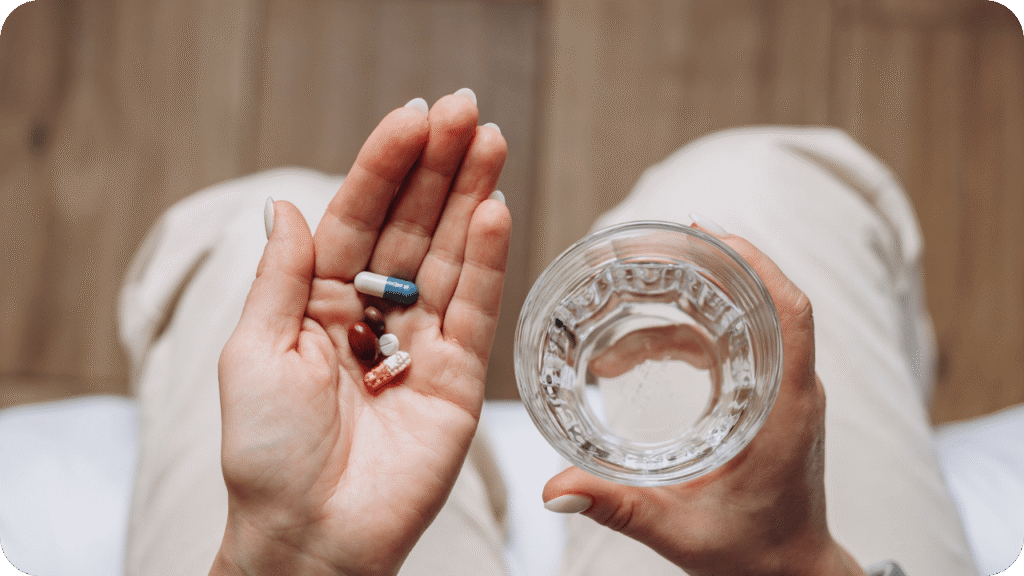
Pregnancy and Organ Supplements: the New Prenatal Vitamin?
Desiccated organ supplements are freeze-dried at low temperatures to preserve the nutrient and peptide profile of whole organs. They’re gaining attention as a whole food alternative to synthetic prenatal vitamins.
Nutrition: The question is whether that case actually holds up nutritionally. It does, for one specific reason: freeze-drying concentrates organ nutrients without the heat that destroys heat-sensitive vitamins and enzymes.
Convenience: The result is a product with the nutritional profile of the original organ, just shelf-stable and odor-neutral. That matters most in the first trimester, when food aversions and nausea can make fresh liver nearly impossible to prepare or eat.
Sourcing: Sourcing is the variable that determines quality. Grass-fed cattle produce meat with a more favorable fatty acid profile, including higher omega-3 and CLA content, than conventionally raised animals (16).
Heart & Soil sources exclusively from grass-fed, grass-finished, or USDA organic cattle raised without synthetic hormones, antibiotics, or pesticides.
The Bottom Line: Desiccated supplements are a practical way to deliver nutrients that are otherwise difficult to source and prepare consistently, and during pregnancy, that consistency is what matters.
Desiccated Organ Supplements vs. Synthetic Prenatal Vitamins: A Comparison
| Feature | Grass-Fed Desiccated Organ Supplements | Synthetic Prenatal Vitamins |
| Folate form | Active 5-MTHF (bioavailable) | Folic acid (requires conversion) |
| Iron type | Heme iron (15 to 35% absorption rate) | Non-heme iron (2 to 20% absorption rate) |
| B12 form | Naturally occurring methylcobalamin | Often cyanocobalamin (synthetic) |
| Vitamin A | Retinol from whole food with cofactors | Isolated synthetic retinol or beta-carotene |
| DHA | Present in brain and bone marrow organs | Often absent or from synthetic sources |
| Cofactors and peptides | Present as found in whole food | Absent |
| Choline | Present in liver and egg yolk | Often absent |
| MTHFR compatibility | Direct active folate, no conversion needed | Depends on conversion capacity |
| Additives | None in quality formulations | Fillers, binders, synthetic dyes common |
Nourish You and Your Baby
Whole-Food Prenatal Support from Organs
- Support healthy fetal development, hormone function, and steady vitality
- Real nutrients from liver, bone marrow, whole blood extract, and other organs
- Nothing synthetic. No fillers. No fluff. Just nature's prenatal nourishment.
60-day risk-free guarantee. No questions asked.
What Are the Benefits of Taking Organs While Pregnant?
Pregnancy and organ supplements go hand-in-hand. The nutritional case for beef organ supplements during pregnancy rests on 3 pillars: bioavailability, completeness, and cofactor complexity.
Bioavailability. Heme iron from beef liver absorbs at a rate of 15 to 35%, compared to 2 to 20% for the non-heme iron in plant foods and most synthetic supplements (17). That gap matters during pregnancy, when iron demand increases substantially to support fetal development, placental growth, and expanded maternal blood volume.
Completeness. Beef liver contains 0.85 mcg of B12 per gram of tissue, meaning a 3 oz serving delivers approximately 72 mcg, well over 700% of the 2.6 mcg RDA for pregnant women (18). Liver also contains 51.53 mcg/g of iron, 119.47 mcg/g of copper, 38.90 mcg/g of zinc, and 33.8 mcg/g of riboflavin (B2), alongside Vitamin A, and fat-soluble vitamins D, E, and K2.
Cofactor complexity. Synthetic vitamins supply isolated nutrients. Whole organ meats supply nutrients alongside the cofactors, enzymes, peptides, and signaling molecules that influence how the body absorbs and uses them. The food matrix in which a nutrient arrives affects its bioavailability and biological activity (19).
Additional benefits of the organ-based prenatal approach:
- Choline for fetal brain development, largely absent from synthetic prenatals
- Copper for connective tissue and iron metabolism
- CoQ10 from heart tissue for mitochondrial energy support
- DHA from brain and bone marrow for neurological and retinal development
- Vitamin K2 for fetal bone and cardiovascular development
Are B12 Supplements Safe While Pregnant?
B12 supplementation during pregnancy is safe and, for many women, necessary. Deficiency during pregnancy is associated with neural tube defects, preterm birth, and developmental complications (20). B12 is a water-soluble vitamin and excess is excreted rather than stored to toxicity.
The more relevant question is which form of B12 a prenatal vitamin contains.
- Many synthetic prenatals use cyanocobalamin, a synthetic form that requires conversion before the body can use it.
- Methylcobalamin, hydroxocobalamin, and adenosylcobalamin are the active, naturally occurring forms found in animal foods including liver, kidney, and beef muscle.
Grass-fed beef liver is one of the most concentrated food sources of B12 available, measuring 0.85 mcg/g of tissue, compared to 0.43 mcg/g in kidney and 0.12 mcg/g in heart. A 1 oz (28g) serving of liver provides approximately 23.8 mcg of B12, over 900% of the 2.6 mcg RDA for pregnant women (21).
Women following an animal-based diet during pregnancy who consume liver regularly are unlikely to be B12 deficient. Those following plant-forward or vegan diets during pregnancy carry a substantially higher risk of deficiency and require supplementation, and organs can give them just what they need.
Why Is Vitamin A Considered a Risk in Pregnancy, and What Does the Evidence Actually Show?
Vitamin A toxicity during pregnancy is a real concern, and the research that established it is worth understanding precisely. The concern emerged from a 1995 study showing that supplemental preformed Vitamin A above 10,000 IU per day was associated with cranial-neural-crest malformations, with an apparent threshold near that level for supplement-only intake (22).
A separate review found that mothers who consumed more than 25,000 IU per day had children with an increased risk of urinary tract malformations, and the WHO recommends no more than 10,000 IU daily before 60 days of gestation (23).
These thresholds apply to supplemental, isolated preformed Vitamin A, a meaningfully different context than whole food liver consumption.
At 0.5 to 1 oz (14 to 28 grams) of liver daily, grass-fed beef liver amounts to roughly 518 to 1,036 mcg of retinol, or approximately 1,727 to 3,453 IU, well below the thresholds flagged in both studies (24). The teratogenicity threshold for supplemental Vitamin A is 10,000 IU.
Whole-food retinol also arrives alongside cofactors including Vitamins D, K2, and E that influence how the body regulates Vitamin A, a matrix not replicated in an isolated supplement.
The risk picture has two sides. Vitamin A deficiency in pregnancy is associated with night blindness, increased maternal mortality risk, and adverse birth outcomes, and remains a public health concern in many parts of the world (25).
The goal is adequacy within a range that whole food liver consumption comfortably occupies. Unregulated use of synthetic Vitamin A multivitamins, where doses can accumulate without awareness, is the more realistic route to excess in developed countries.

Learn more: Vitamin A Toxicity: Is the Danger Real?
Can Beef Organ Supplements During Pregnancy Support Healthy Iron Levels?
Iron deficiency is the most common nutritional deficiency in pregnancy worldwide, affecting an estimated 37.1% of pregnant women globally (26). Pregnancy increases iron demand substantially: the body uses iron to expand maternal red blood cell mass, support placental development, and build fetal iron stores for the first months of life.
This is one of the clearest places where pregnancy and organ supplements intersect, since iron demand rises sharply just as absorption efficiency becomes critical.
Heme iron from beef organs absorbs at 15 to 35%, a rate that non-heme iron from plant sources and most synthetic supplements cannot match (27). Among beef organs, measured iron content per gram of tissue is: liver at 51.53 mcg/g, kidney at 52.13 mcg/g, heart at 46.40 mcg/g, and whole blood at an exceptional 491.33 mcg/g (28).
Lifeblood, the Heart & Soil whole blood and organ supplement, draws on that blood iron density alongside iron-supporting peptides and nutrients found in whole blood extract.
Copper in liver, measured at 119.47 mcg/g, plays a direct role in iron metabolism and red blood cell formation, a concentration more than 30 times higher than in heart (3.70 mcg/g) (29). The nutrient relationship between iron and copper in whole food sources is not replicated in most synthetic iron supplements, which often cause gastrointestinal distress and constipation that reduces compliance.
Heme iron from beef organs absorbs at 15 to 35%. Non-heme iron from plants absorbs at 2 to 20%.
Is It Okay to Not Take Any Vitamins During Pregnancy?
The answer depends entirely on what you are eating. A well-constructed animal-based diet that includes regular liver consumption, diverse organ meats, connective tissue, pasture-raised eggs, quality dairy, and muscle meat from sustainably raised animals can supply the critical prenatal nutrients without any synthetic supplementation. The nutrients are present in the food.
The challenge is consistency. Most women do not eat liver daily. Most do not have reliable access to pasture-raised organs year-round. First-trimester nausea frequently disrupts food intake during the period when neural tube development demands the most folate.
These practical realities are exactly what pregnancy and organ supplements are designed to address together: high-quality whole food organ supplements exist not to replace food, but to make nutrient density accessible when whole food preparation is not.
Women following plant-based or vegan diets during pregnancy cannot meet their B12, heme iron, DHA, or fat-soluble vitamin needs from plant foods alone. For those women, some form of supplementation is not optional. The question is which supplements best replicate the bioavailability of animal-based nutrition.
Many women thrive choosing to eat as close to a whole-food, animal-based diet as possible and fill gaps with high-quality organ supplements rather than synthetic prenatal vitamins.
During Pregnancy, What Is the Best Food and Medicine?
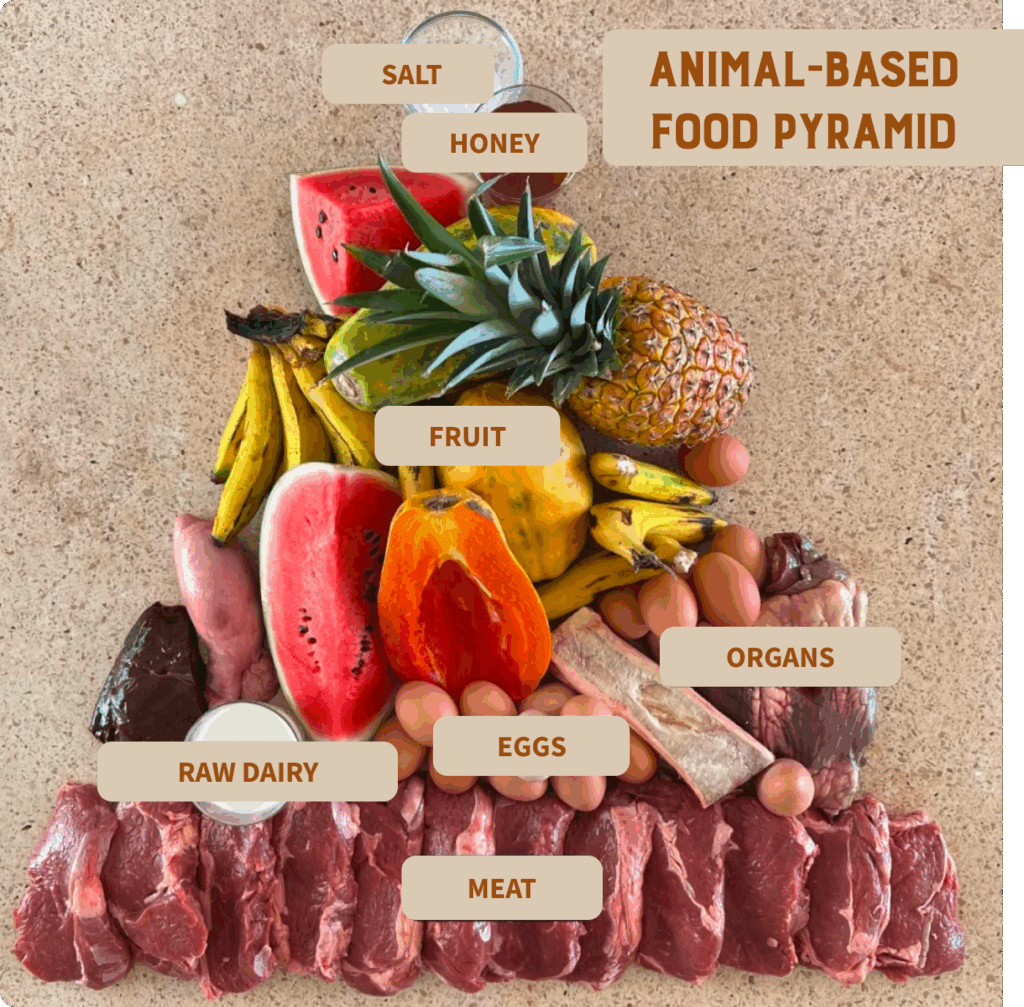
The nutritional framework that supported healthy human pregnancies for all of human history was not built around synthetic multivitamins. It was built around the most nutrient-dense foods available to each culture, and in nearly every indigenous food tradition studied, organs occupied a central place in pregnancy and infant feeding (30).
The foods that anchor an animal-based pregnancy diet:
- Grass-fed beef liver, heart, kidney, and brain
- Bone broth and collagen-rich cuts
- Pasture-raised eggs
- Grass-fed beef and lamb
- Animal fats, including beef tallow, butter, ghee, and suet
- Full-fat dairy from grass-fed animals
- Low-toxicity fruits, including mango, papaya, berries, and melon
Eliminating seed oils and processed foods reduces the inflammatory and metabolic burden on the body at a time when its systems are already navigating the unique demands of pregnancy.
For most women, pregnancy and organ supplements work best as a pairing, not a substitution: food first, with a high-quality organ supplement filling in on the days a full nose-to-tail plate isn’t realistic.
The best prenatal “medicine” is not a pill. It is a consistent, nutrient-dense, animal-based diet with organs at the center and processed food removed from the equation.
Learn more: Animal-Based Success Stories: “My Pregnancy Was Amazing!”
The Heart & Soil Prenatal Stack
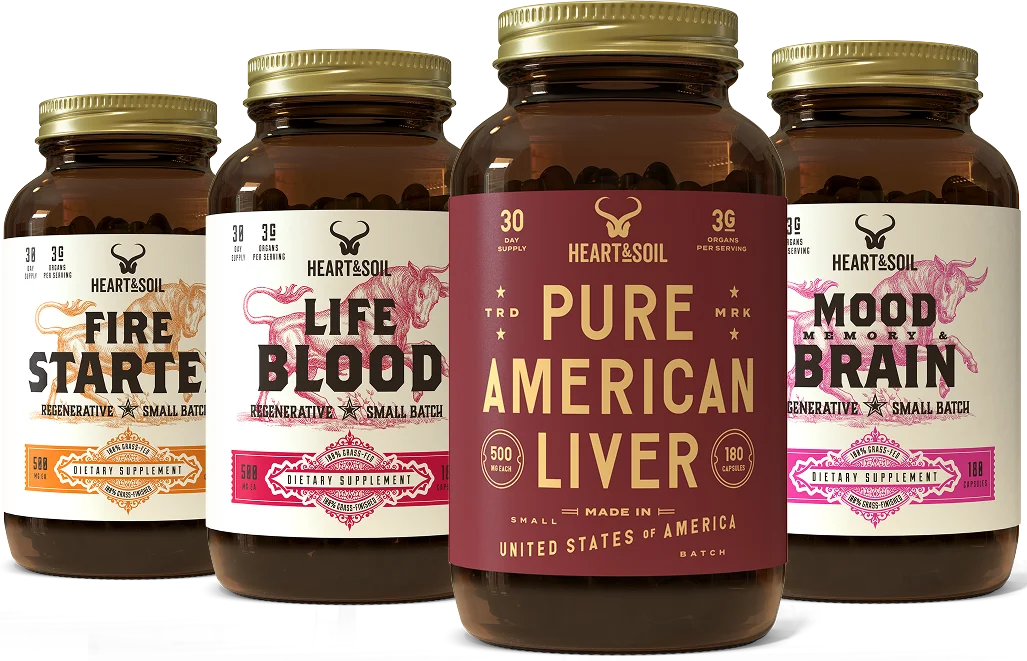
Heart & Soil supplements are freeze-dried at low temperatures to preserve the complete nutrient and peptide profile of whole organs. All products are sourced from grass-fed, grass-finished or USDA organic cattle raised without synthetic hormones, antibiotics, or pesticides.
Pure American Liver: Concentrated grass-fed liver delivering folate, B12, heme iron, zinc, copper, Vitamins A, D, E, and K2. Sourced entirely from American family farms.
Mood, Memory & Brain: Contains brain including cortex, hypothalamus, pituitary, and pineal gland, alongside bone marrow and liver. A whole food source of DHA and EPA to support fetal brain and nervous system development.
Lifeblood: Whole blood extract with organ support for iron stores, oxygen delivery, and red blood cell formation. Relevant specifically for women managing iron levels during pregnancy.
Firestarter: Rendered beef suet providing stearic acid, pentadecanoic acid, and other animal fatty acids critical to fetal brain development, immune function, and skin integrity (31).
Nourish You and Your Baby
Whole-Food Prenatal Support from Organs
- Support healthy fetal development, hormone function, and steady vitality
- Real nutrients from liver, bone marrow, whole blood extract, and other organs
- Nothing synthetic. No fillers. No fluff. Just nature's prenatal nourishment.
60-day risk-free guarantee. No questions asked.
Should You Eat Seed Oils While Pregnant?
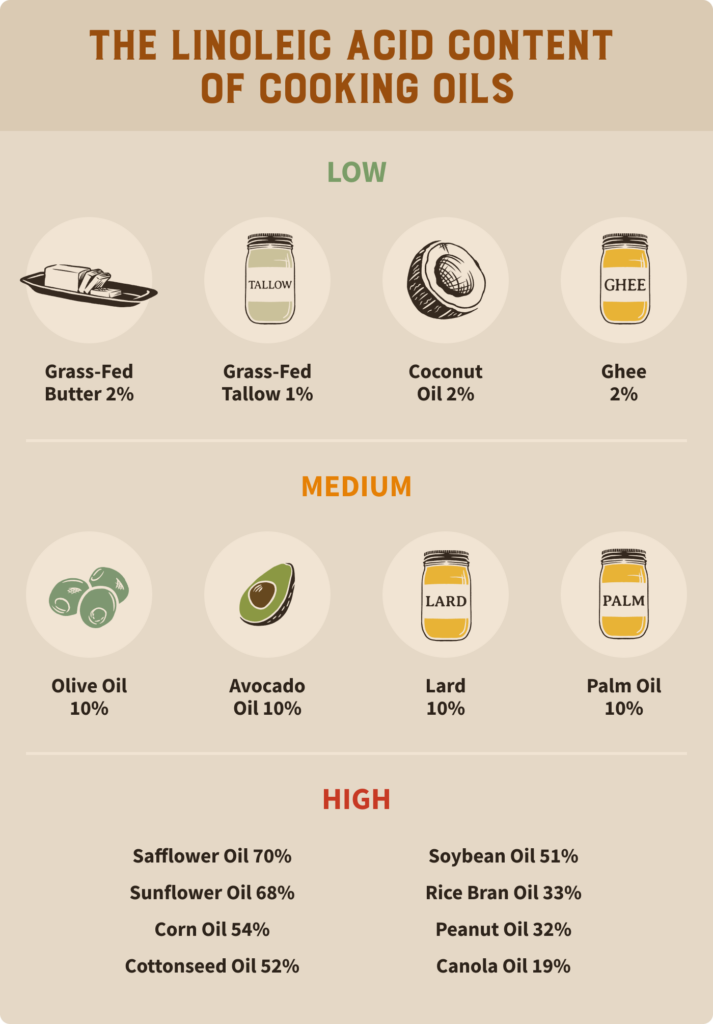
Seed oils like soybean, corn, sunflower, canola, and safflower are high in linoleic acid, an omega-6 fat. Rising intake has pushed the Western omega-6 to omega-3 ratio to roughly 8 to 10:1, well above the proposed ideal of 1 to 2:1 (32).
This matters in pregnancy because omega-6 and omega-3 fats compete for the same metabolic pathways, so excess omega-6 can reduce the DHA and EPA available for fetal brain development.
A rat model study found that 3 times the recommended linoleic acid intake was associated with altered liver inflammatory proteins, increased prostaglandin E (linked to uterine contractions), and reduced leptin in pregnant subjects (33). A human observational study similarly linked high omega-6 intake during pregnancy to lower infant birth weight (34).
Choosing tallow, butter, ghee, or suet over seed oils naturally improves this ratio. Olive and avocado oil, both predominantly monounsaturated, are good options as well.
FAQ: Pregnancy and Organ Supplements
Q: Which vitamin is most important during pregnancy? A: Folate is the most commonly cited because neural tube development, which occurs in the first 4 weeks, depends on adequate folate supply before most women know they are pregnant. But B12, heme iron, DHA, Vitamin A, choline, zinc, and Vitamin D are all critical. Grass-fed liver (found in Pure American Liver) addresses most of this list in a single food.
Q: Are B12 supplements safe while pregnant? A: Yes. B12 is water-soluble and excess is excreted. Deficiency during pregnancy is associated with neural tube defects and developmental delay. Grass-fed beef liver contains 0.85 mcg of B12 per gram of tissue, delivering approximately 72 mcg in a 3 oz serving, well over 700% of the 2.6 mcg RDA for pregnant women (35)
Q: What are the benefits of taking organs as prenatal vitamins? A: Bioavailable folate as active 5-MTHF, heme iron with a significantly higher absorption rate than non-heme iron, naturally occurring B12, fat-soluble vitamins A, D, E, and K2, DHA from brain tissue, choline for fetal brain development, and a complete cofactor matrix that synthetic vitamins cannot replicate. This is the core case for pregnancy and organ supplements: one whole food source covering a list of nutrients that would otherwise require several separate pills.
Q: Why is Vitamin A considered bad for pregnancy? A: The concern applies specifically to excessive amounts of supplemental preformed Vitamin A. Research has identified an apparent threshold near 10,000 IU per day from supplements for cranial-neural-crest malformations, and intake above 25,000 IU per day has been associated with urinary tract malformations (36). Grass-fed liver at 37.02 mcg of retinol per gram delivers roughly 1,700 to 3,500 IU per 0.5 to 1 oz serving, well within safe ranges, and alongside the fat-soluble cofactors that govern Vitamin A regulation in the body.
Q: During pregnancy, what is the best food and medicine? A: Grass-fed beef liver, pasture-raised eggs, full-fat dairy, bone broth, quality animal fats, fruit, and organ meats form the nutritional foundation. These provide the folate, iron, DHA, fat-soluble vitamins, and growth factors that fetal development requires.
Q: Can beef organ supplements during pregnancy help support healthy iron levels? A: Beef organs, particularly liver and whole blood extract, supply heme iron at absorption rates significantly higher than plant-based or synthetic iron sources. Copper in liver also supports iron metabolism and red blood cell formation. Women managing their iron levels during pregnancy may find organ-based nutrition and supplementation more effective than conventional iron pills.
Learn More: Pregnancy and Organ Supplements

Bottom Line: Pregnancy and Organ Supplements
Pregnancy and organ supplements are not a fringe idea or a nutrition trend. They are what human beings have eaten to support healthy pregnancies for all of recorded history, and the nutritional science now explains exactly why.
A single ounce of grass-fed liver delivers meaningful amounts of B12, active folate, heme iron, zinc, copper, and fat-soluble vitamins A, D, E, and K2, all in forms the body absorbs without workarounds.
Pregnancy and organ supplements go hand-in-hand. Desiccated organ supplements make that nutritional density accessible every day, regardless of food aversions, sourcing limitations, or first-trimester nausea.
You are building a human being. Give your body the nutrients it was designed to use.
Subscribe to future articles like this:
