
This blog is for educational purposes only. It is not a substitute for professional medical advice. Consult your healthcare provider if you are seeking medical advice, diagnosis, or treatment.
You already know something is off. Your energy crashes by 2 PM, your nails break easily, and your hair grows slowly. Your diet is cleaner than 90% of people you know, yet you still feel like you are running on empty.
The missing piece is not another green smoothie. It is the most nutrient-dense food on the planet, one your great-grandparents ate without a second thought: beef liver.
Organ meats, and liver in particular, were not always an afterthought. Indigenous cultures, traditional societies, and ancestral medicine all treated liver as a sacred food, prioritized for warriors, pregnant women, and the sick. It was pattern recognition built over thousands of years.
Beef liver supplement benefits are not hype. They are the predictable result of giving your body a concentrated package of bioavailable vitamins, minerals, and cofactors it needs for radical health.
Let’s dive into the powerful beef liver supplement benefits.
Table of Contents
Quick Answer (TL;DR)
Beef liver supplements deliver a broad spectrum of bioavailable nutrients, including vitamin A (retinol), B vitamins, heme iron, zinc, copper, and choline, in a shelf-stable capsule that removes the taste barrier of fresh liver. Research confirms liver qualifies as an “Excellent Source” of vitamin A, riboflavin, niacin, B6, B12, copper, iron, manganese, phosphorus, and zinc per USDA standards (#). While all beef organs are nutrient-dense, no other offal item tested earned “Excellent Source” status across all 11 of these nutrients. Liver is in a category of its own.
Key beef liver supplement benefits include support for energy metabolism, immune function, skin health, and addressing widespread nutrient gaps. Look for grass-fed, grass-finished, third-party tested products with no fillers for the highest-quality beef liver supplements for you and your family.
7 Beef Liver Supplement Benefits Backed by Nutrition Science
1. Unmatched Nutrient Density
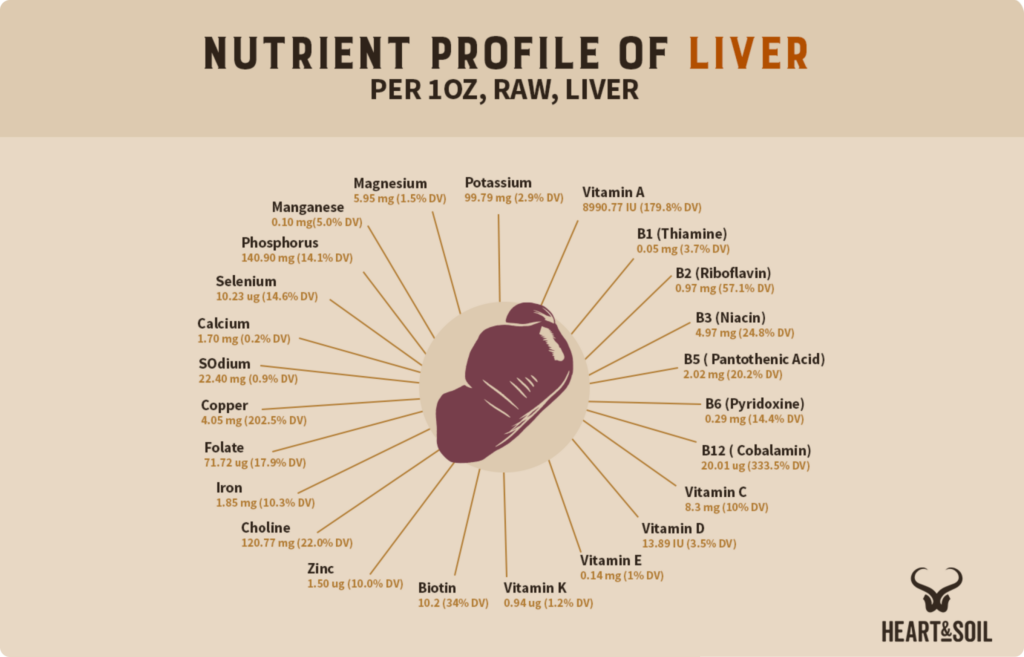
No single food, synthetic supplement, or plant source delivers what beef liver provides per ounce. The 2024 Fuerniss et al. data makes this concrete: liver’s B12 content of 0.85 mcg/g is more than 7 times that of heart and nearly twice that of kidney (2).
Desiccated liver supplements concentrate this profile into capsule form, giving you whole-food nutrition without rearranging your entire diet.
B Vitamins Per Gram of Beef Liver (3):
- Riboflavin (B2): 33.8 mcg/g (heart: 11.4 mcg/g, kidney: 29.1 mcg/g)
- Niacin (B3): 141.33 mcg/g (heart: 45.13 mcg/g, kidney: 62.67 mcg/g)
- Pantothenic Acid (B5): 56.93 mcg/g (heart: 12.63 mcg/g, kidney: 22.13 mcg/g)
- Pyridoxine (B6): 7.87 mcg/g free base (heart: 2.92 mcg/g, kidney: 5.88 mcg/g)
- Vitamin B12: 0.85 mcg/g (heart: 0.12 mcg/g, kidney: 0.43 mcg/g)
Minerals Per Gram of Beef Liver (4):
- Copper: 119.47 mcg/g (heart: 3.70 mcg/g, kidney: 4.80 mcg/g)
- Iron: 51.53 mcg/g (heart: 46.40 mcg/g, kidney: 52.13 mcg/g)
- Phosphorus: 3550 mcg/g (heart: 2000 mcg/g, kidney: 2336.67 mcg/g)
2. Superior Bioavailability vs. Synthetic Vitamins
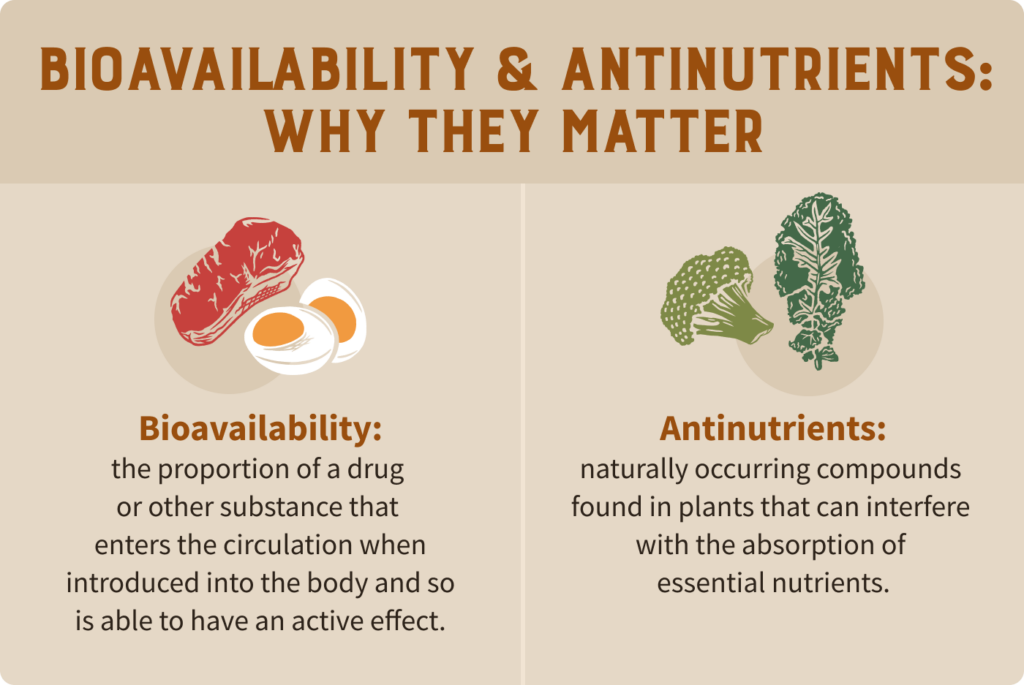
Many of the beef liver supplement benefits come from the bioavailability of the organs. Bioavailability is the fraction of an ingested nutrient that is absorbed and available at the site of action in the body. Live is not only loaded with nutrients, but those nutrients are easily utilized by the body.
- Heme iron from animal tissue is absorbed at 2 to 3 times the rate of non-heme iron from plants (5).
- Zinc from meat sources is similarly better absorbed due to the absence of phytates, which block mineral absorption in plant foods (6).
- Liver contains preformed retinol, the active form your body uses immediately, not beta-carotene, which requires conversion and is poorly absorbed by a significant portion of the population (7).
3. Whole-Food Nutrition, Not Isolated Compounds
Vitamins in nature operate as a team. Liver delivers the full B-vitamin complex alongside the cofactors and trace minerals that support their function. You are not getting a reconstituted powder of isolated compounds. You are getting the actual food, condensed.
It’s not natural to consume vitamins in isolation. For example, a synthetic B12 supplement gives you just cyanocobalamin, but beef liver gives you natural methylcobalamin alongside riboflavin, niacin, B6, pantothenic acid, copper, and iron, all in the ratios your body evolved to use together. Desiccated liver, whether freeze-dried or air-dried, preserves this nutrient matrix intact.
4. Support for Energy Metabolism
One of the beef liver supplement benefits many people find most noticeable is a boost in energy. The B vitamins in beef liver, particularly B2, B3, B5, B6, and B12, are central to cellular energy production. B12 plays a direct role in red blood cell formation and neurological function (8).
Fatigue is the number one reported symptom of anemia. Beef liver has been used in protocols to address iron-deficiency anemia in both adults and children, given its high heme iron content alongside the copper and B vitamins needed to utilize it (9).
5. Support for Skin and Immune Function
Liver’s retinol content of 37.02 mcg/g supports skin cell turnover, mucosal barrier integrity, and immune cell function directly (10). This is not beta-carotene that your body has to convert. It is the active form, delivered ready to use.
Zinc and copper, both concentrated in liver, are cofactors in immune response, wound healing, and collagen synthesis (11). Liver’s copper concentration of 119.47 mcg/g is particularly relevant here: copper is essential for the antioxidant enzyme superoxide dismutase, collagen cross-linking, and iron transport across cell membranes (12).
6. Convenient, Portable, and Shelf-Stable
If the biggest barrier is the taste, beef liver supplements solve it entirely. One of the biggest beef liver supplement benefits is that you take just a few capsules with water, and you are done. No smell, no texture, and no preparation.
The dehydration process removes moisture and extends shelf life, making organ supplements easy to travel with through airports or wherever your animal-based lifestyle takes you.

7. Nutritional Support for Everyone
Beef liver supplements have been used across a wide range of populations, including children and adults with nutrient deficiencies and individuals managing fatigue, weight gain, hair loss, and iron insufficiency.
Beef liver supplement benefits are loved by pregnant, postpartum, and breastfeeding mothers. They’re a perfect option for filling nutrient gaps and supporting radical health at all ages and in all seasons of life.
And the list of beef liver supplement benefits goes on and on!
The Problem With the Modern Diet (And Why Liver Fixes It)
The processed food system has replaced organ meats with muscle meat, refined carbohydrates, seed oils, and processed food. Canola oil, soybean oil, sunflower oil, and their industrial cousins are now the primary fat source for most people in the Western world. These fats were not part of the ancestral human diet. They are high in linoleic acid, processed with chemical solvents, and a far cry from the fat-soluble vitamins and nutrient density delivered by animal-based foods like liver.
The result is widespread nutrient depletion in populations eating what they are told is a “balanced diet.” Choline deficiency, B12 deficiency, iron deficiency anemia, and zinc insufficiency are common, and they are correctable with a return to animal-based nutrition.
Beef liver supplements benefits include having a convenient way to get the nutrients that are absent in the standard American diet. They’re also essential for obtaining the nutrients that aren’t found in other foods or found in abundant quantities.

What is Nose-to-Tail? Why Eating the Whole Animal Is the Strategy
Most people focus on muscle meat like chicken breasts and steak. That is a good start, but it is only part of the picture. The full strategy is nose-to-tail eating, and the reason it works goes deeper than just nutrient variety.
Each part of the animal delivers a different nutritional role in your body’s core biochemistry:
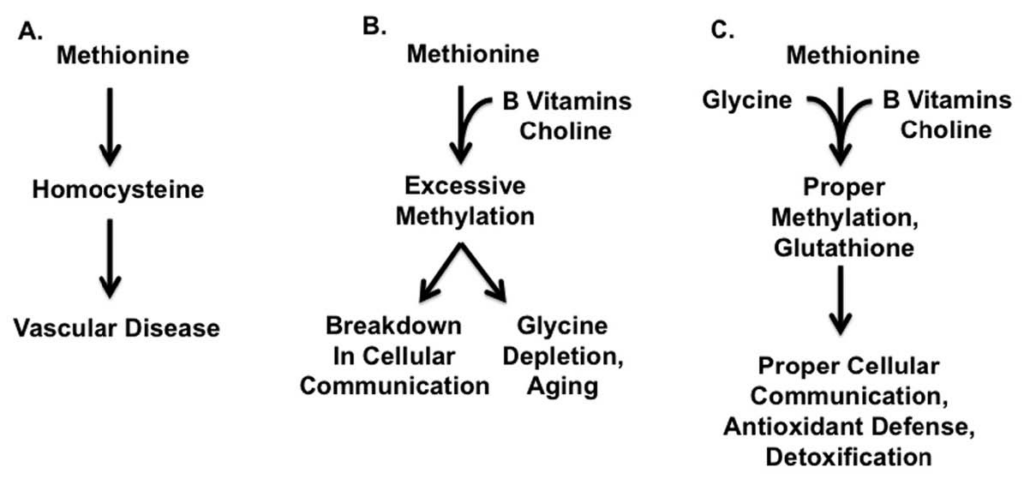
- Muscle meat is rich in the amino acid methionine (13)
- Organ meats like liver supply B vitamins (especially B12, B6, riboflavin) and choline (14)
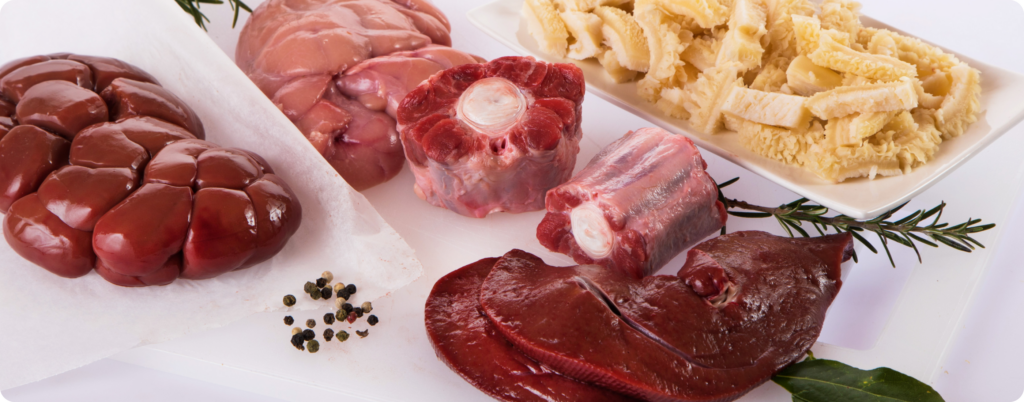
- Connective tissues like oxtail, tendons, and bone broth are rich in glycine (15)
These 3 inputs work together to fuel one of the most important pathways in human biology: methylation, which then supports the production of glutathione, your body’s primary antioxidant.
Why Glutathione Matters
Efficient methylation produces glutathione, your body’s master antioxidant. Most people have never heard of it, but nearly every chronic health challenge involves depleted glutathione levels (16).
Here is what glutathione does in the body:
- Neutralizes free radicals and reactive oxygen species (ROS): Unstable molecules that damage cells, accelerate aging, and degrade tissue are rendered harmless when glutathione donates an electron to stabilize them (17).
- Drives detoxification: Glutathione binds directly to toxins, heavy metals, and harmful metabolites and flags them for removal, making it the central molecule in your liver’s phase II detoxification pathway (18).
- Repairs DNA and supports immune function: Glutathione maintains the redox environment cells need to replicate accurately, supports T-cell proliferation, and regulates the inflammatory response (19).
The result of a complete nose-to-tail diet and beef liver supplement benefits: a body that is resilient under stress, resistant to illness, and capable of clearing the metabolic waste that accumulates in everyday life.
What is Like Supports Like? The Ancestral Logic Behind Organ Meats
Across cultures and throughout history, people ate organ meats with a specific intention: the organ you eat supports the same organ in your body. This principle is sometimes called “like supports like” or the ancestral doctrine of signatures.
Modern nutritional science is beginning to catch up. Organ meats contain tissue-specific peptides, enzymes, and cofactors concentrated in the corresponding tissue.
Here is how this maps practically:
- Liver contains nutrients that support liver function: choline for fat metabolism, copper for antioxidant enzymes, and B vitamins for detoxification pathways
- Heart contains CoQ10, carnitine, and elastin, nutrients that support cardiovascular muscle function and energy production in cardiac tissue
- Kidney is a source of selenium and specific renal peptides
- Thyroid glandular contains naturally occurring thyroid-supportive compounds
- Testicle is one of the richest sources of zinc and is associated in ancestral diets with reproductive and hormonal support
Beef Organs
Nature's Ultimate Multivitamin
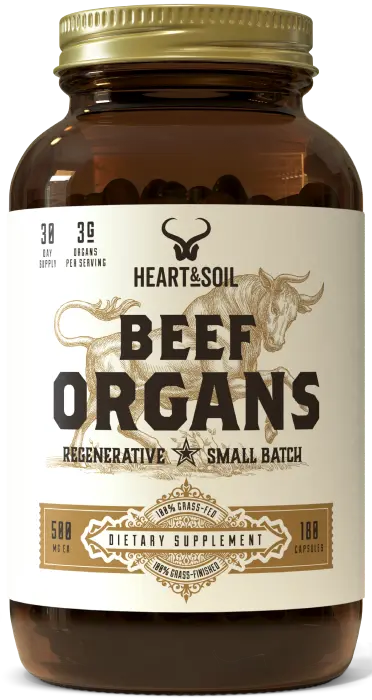
- Grass-fed liver, heart, pancreas, kidney, & spleen
- Designed to support overall energy & well-being
- Ideal daily foundation for nose-to-tail nutrition
60-day risk-free guarantee. No questions asked.
Which Organs are Best for Your Goals
Beef liver is the foundation. But depending on what your body needs most, adding other organ meats expands what you are getting in meaningful ways.
Heart & Soil builds organ blends specifically around this logic.
Matching Your Goal to the Right Product
| Goal | Recommended Product |
| Whole-body health | Beef Organs |
| Iron support | Lifeblood |
| Testosterone support | Whole Package |
| Female hormonal balance | Her Package |
| Histamine tolerance, immune support | Histamine & Immune |
| Cardiovascular health | Warrior |
| Joint health | Joint Strength & Repair |
| Fat loss | Firestarter |
How to Choose the Right Beef Liver Supplement
Not all liver supplements are equal. The quality of the source animal, the processing method, and what is added or kept out determines whether you are getting a genuine nutritional upgrade or a glorified placebo.
What to Look For
Grass-fed and grass-finished: Cattle raised entirely on pasture have a diet that more closely matches their evolutionary design and produce liver with a more ancestrally consistent fatty acid and nutrient profile compared to grain-finished alternatives.
Third-party testing: Reputable manufacturers test for heavy metals, pesticide residues, and microbial contamination during and after production. If a company does not publish test results, that is a red flag.
Clean ingredient list: Desiccated beef liver supplements should contain organ meat and a gelatin capsule. No fillers, no flow agents, no GMO-derived additives, no seed oils.
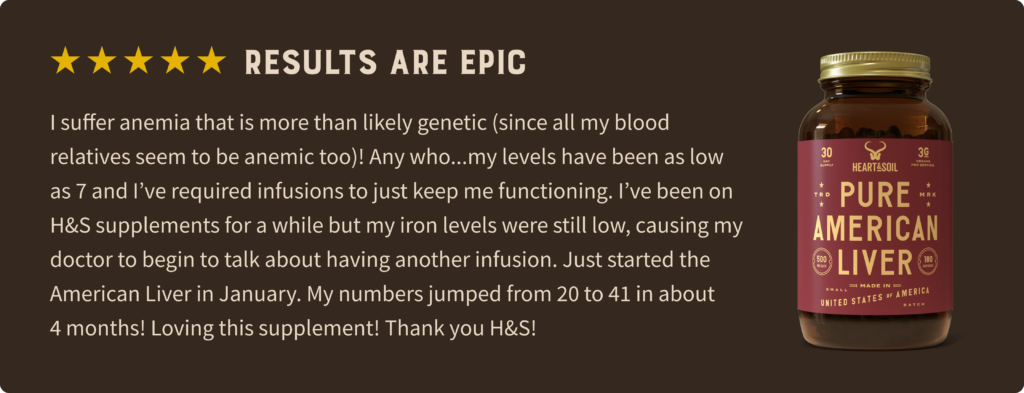
Heart & Soil checks these boxes and more, with over a dozen unique organ options and thousands of 5-star reviews (such as this review of Pure American Liver):
Glossary
Animal-based diet: A dietary approach centered on animal foods, including muscle meat, organ meats, eggs, dairy, and animal fats, while typically minimizing or eliminating seed oils and processed foods.
Bioavailability: The fraction of an ingested nutrient that is absorbed and becomes available at the site of action in the body. Animal-source nutrients, particularly heme iron and retinol, are generally more bioavailable than their plant-source equivalents.
Choline: An essential nutrient classified with the B vitamins. Required for liver fat metabolism, cell membrane integrity, and the production of the neurotransmitter acetylcholine. Over 90% of Americans do not consume adequate choline (21). Beef liver is one of the richest dietary sources.
Desiccated liver: Beef liver that has been dehydrated, typically through freeze-drying or air-drying, to remove moisture and concentrate nutrients. Sold in capsule or powder form. Preserves the nutrient matrix of fresh liver with extended shelf life. Without the taste!
Glutathione: The body’s primary endogenous antioxidant and a central molecule in detoxification. Synthesized from glycine, cysteine, and glutamate. Requires adequate B vitamin and mineral cofactors to produce effectively.
Heme iron: The form of iron found in animal tissue, absorbed at 2 to 3 times the rate of non-heme iron from plants. Not blocked by phytates or other plant antinutrients.
Like supports like: The ancestral principle that consuming an animal organ delivers concentrated nutrients that support the corresponding organ in the human body. Increasingly supported by the identification of organ-specific peptides, cofactors, and signaling molecules in glandular tissue.
Methylation: A core biochemical process in which a methyl group (one carbon, three hydrogens) is transferred between molecules. Required for DNA repair, gene expression, neurotransmitter synthesis, and homocysteine clearance. Depends on adequate B vitamins, choline, and methionine.
Nose-to-tail eating: The practice of consuming all parts of the animal, including organs, connective tissue, fat, and bone, rather than only muscle meat. Provides the complete nutritional matrix that ancestral humans evolved on.
Organ meat supplement: A broader category of supplements that includes any dehydrated or freeze-dried organ or glandular tissue, such as liver, heart, kidney, spleen, pancreas, or thymus, in capsule form.
Retinol: The preformed, active form of vitamin A found in animal foods. Used directly by the body without conversion. Distinct from beta-carotene, the plant precursor that must be converted to retinol and is poorly converted in a significant portion of the population.
Seed oils: Industrially processed vegetable oils extracted from seeds, including canola, soybean, sunflower, corn, and safflower oil. High in linoleic acid (omega-6). Not a traditional human food and not found in animal-based diets.
FAQ: Beef Liver Supplement Benefits
Q: What are the main beef liver supplement benefits? A: Beef liver supplements deliver bioavailable vitamin A (retinol), B vitamins (B2, B3, B5, B6, B12), heme iron, zinc, copper, manganese, phosphorus, and choline in a whole-food form. A 2024 peer-reviewed analysis confirmed liver qualifies as a USDA “Excellent Source” of 11 nutrients, more than any other offal item tested (21). These nutrients support energy metabolism, immune function, skin health, and methylation.
Learn more: 10 Powerful Beef Liver Benefits (Is it the #1 Superfood?)
Q: How do beef liver supplements compare to synthetic multivitamins? A: They are not comparable products. Multivitamins provide isolated synthetic vitamins in forms and ratios that do not occur in nature. Beef liver supplements provide whole-food nutrients with their naturally occurring cofactors, in ratios the human body evolved to use. Retinol in liver is immediately active. B12 in liver occurs as natural methylcobalamin. Heme iron is absorbed at 2 to 3 times the rate of the synthetic alternatives in most multivitamins (22).
Q: What is the nose-to-tail approach and why does it matter? A: Nose-to-tail eating means consuming all parts of the animal: muscle meat, organs, connective tissue, fat, and bone. Each part delivers different nutrients that work together in the body’s core pathways. Muscle meat provides methionine. Organs provide B vitamins and choline. Connective tissue provides glycine. Together, these fuel proper methylation and glutathione production, the biochemical systems behind cellular communication, antioxidant defense, and detoxification.
Q: Are beef liver supplements safe? A: Beef liver supplements are safe for adults and children, but be sure to chat with your doctor to determine what’s best for you.
Learn more: Beef Liver Supplements: Benefits, Dosage, & How to Choose the Best
Q: How much should I take? A: The serving size is usually around 6 capsules a day. We suggest consuming 0.5-1oz of beef liver daily for optimal nutritional support. Follow the manufacturer’s guidance and work with your healthcare provider to dial in the right amount for your situation.
Related Reading
- The Ultimate Guide to The Animal-Based Diet
- Animal-Based Egg Salad Sandwich With Homemade Avocado Mayo
- What is Offal Meat? The Animal-Based Guide to Nature’s Multivitamin
Bottom Line
Beef liver supplement benefits are not a wellness trend. Our ancestors consumed organs, including liver, for centuries because it worked. Liver is packed with bioavailable nutrition that supports your energy, skin, hair, metabolism, immune function, and beyond.
Try beef liver supplements today and feel the difference.
Nature's Ultimate Superfood
From Pure American Liver
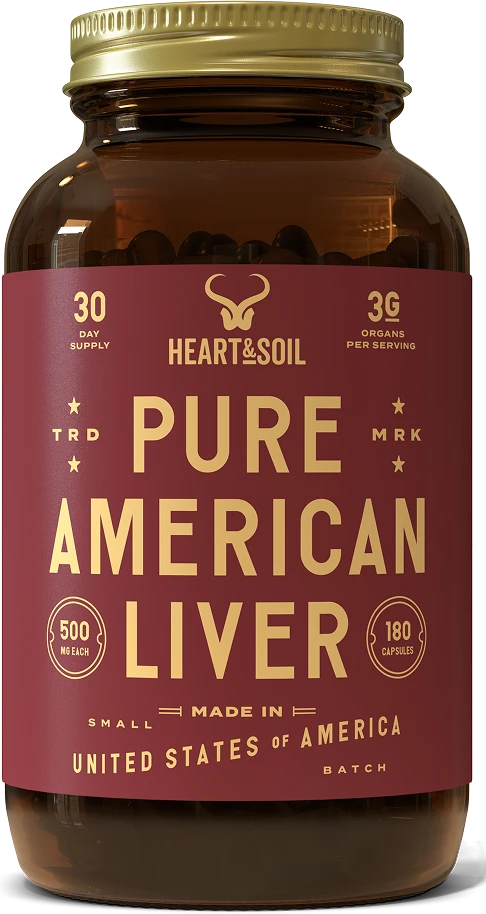
- Whole-food support for strength, energy, & vitality
- 100% American liver from grass-fed & pasture-raised cattle
- Nature's #1 superfood, freeze-dried to retain bioavailability
60-day risk-free guarantee. No questions asked.
Subscribe to future articles like this:
