
You’re halfway through a workout, sweat is running down your face, and your shirt is soaked.
It may seem like your body is simply leaking water. But the science of sweat is much more interesting than that.
Sweating is a coordinated cooling system involving your brain, nervous system, circulation, sweat glands, water, and electrolytes. Its main job is simple: prevent excess heat from building up inside your body (1).
Here’s the five-step process happening every time you work up a sweat.
This article is for educational purposes only and is not medical advice. If this relates to a medical condition or could affect something you’re taking, talk with your healthcare provider before making changes. These statements have not been evaluated by the Food and Drug Administration. Our products are not intended to diagnose, treat, cure, or prevent any disease.
Key Takeaways
- The science of sweat starts with temperature regulation: sweating helps the body release excess heat.
- Your brain detects rising internal and skin temperatures and signals sweat glands to respond.
- Sweat is mostly water but also contains electrolytes, especially sodium and chloride.
- Sweat only cools you effectively when it evaporates from your skin.
- Sweat rate and salt losses vary significantly from person to person.
- After heavy sweating, replacing both fluids and electrolytes can help restore what was lost.
Table of Contents
Why Do We Sweat?
Your body is constantly producing heat.
Even at rest, metabolism generates heat as your cells turn food into energy. During exercise, working muscles generate much more of it.
The science of sweat explains how humans prevent that extra heat from pushing internal body temperature too high.
Our primary cooling system relies on eccrine sweat glands, which are small glands found across most of the skin. When activated, they release fluid onto the skin’s surface (2).
But producing sweat is only the beginning.
The Science of Sweat in 5 Steps
Step 1: Your Body Starts Producing More Heat
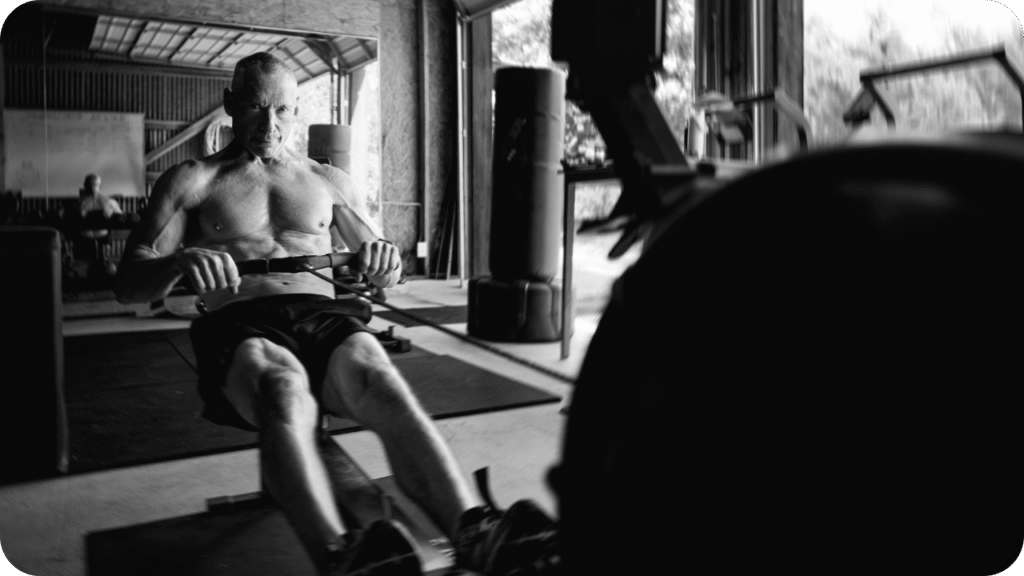
Run, lift weights, hike in the sun, or spend enough time outside on a hot day, and your body begins accumulating heat.
Exercise is especially effective at generating heat because your muscles are not perfectly efficient. Only part of the energy they use becomes movement; much of the rest becomes heat.
As internal temperature begins to rise, the body has to find a way to get rid of that excess heat.
This is the first stage in the science of sweat.
Step 2: Your Brain Detects the Change
Your body continuously monitors temperature signals from both inside the body and at the skin.
A region of the brain called the hypothalamus helps integrate those signals and coordinate temperature regulation.
As the thermal challenge increases, the body responds by increasing blood flow toward the skin and activating sweat glands. Internal and skin temperature are the two primary physiological signals that control thermoregulatory sweating (3).
You can think of the hypothalamus as part of your built-in thermostat.
Sweating starts in the brain before the sweat ever reaches your skin.
Step 3: Your Nervous System Activates Sweat Glands
Once the brain recognizes that cooling is needed, it has to send the message to your skin.
Signals travel through the sympathetic nervous system, part of the autonomic nervous system that controls processes you don’t have to consciously think about.
The nerves supplying eccrine sweat glands primarily release acetylcholine, a chemical messenger called a neurotransmitter.
Acetylcholine binds to receptors on sweat glands and stimulates them to produce fluid (4).
That’s one of the more unusual details in the science of sweat: although these sweat glands are controlled by sympathetic nerves, acetylcholine is their main signaling molecule.
Step 4: Your Sweat Glands Produce & Modify Sweat
The first fluid made inside the sweat gland is called primary sweat.
It contains water and electrolytes. But it doesn’t travel straight to the skin unchanged.
As primary sweat moves through the sweat duct, the gland reabsorbs some sodium and chloride. The final sweat that reaches the surface of your skin is therefore more dilute than the fluid circulating in your body (5).
The main electrolytes lost through sweat include:
- Sodium
- Chloride
- Potassium
Smaller amounts of magnesium and calcium are also present (6).
This part of the science of sweat also explains why sweat tastes salty: some sodium and chloride remain in the fluid that reaches your skin.
Step 5: Sweat Evaporates and Carries Heat Away
This is the part that actually cools you down.
When liquid sweat changes into water vapor, it requires energy. Heat from the skin helps provide that energy.
As the water evaporates, heat leaves the body with it. Evaporation is what produces the cooling effect.
This is why humidity can make a hot day feel especially miserable. When the air already contains a lot of moisture, sweat cannot evaporate as efficiently.
You may sweat heavily while getting less cooling benefit from it.
That final phase, evaporation, is one of the most important concepts in the science of sweat (7).
What Do You Actually Lose When You Sweat?
Sweat is mostly water, but every drop also carries small amounts of dissolved minerals.
Here’s a simple breakdown:
| What You Lose | Why It Matters |
| Water | Supports blood volume and normal temperature regulation |
| Sodium | Helps regulate fluid balance, nerve signaling, and muscle function |
| Chloride | Works with sodium in fluid and electrolyte balance |
| Potassium | Supports normal nerve and muscle function |
| Magnesium & calcium | Present in smaller amounts and involved in muscle and cellular function |
The amount you lose can vary dramatically.
A review of athlete sweat testing found large differences in both sweat rate and sodium concentration between individuals. Factors include exercise intensity, environment, body size, heat acclimation, fitness, clothing, diet, and hydration status (8).
Another analysis of 1,303 athletes found average sweat rates ranging from approximately 0.83 L/hour in baseball players to 1.51 L/hour in American football players (9).
That variability is an important part of the science of sweat: there is no perfect hydration strategy for everyone.
How Can You Estimate How Much You Sweat?
One practical method is to weigh yourself before and after exercise under similar conditions.
Researchers often estimate sweat loss using changes in body weight while accounting for fluids consumed and urine produced during the session (10).
For example, if you finish a long workout noticeably lighter despite drinking water, you likely lost a meaningful amount of fluid.
Why Water May Not Be Enough After Heavy Sweating
For a short walk or easy workout, plain water and normal meals may be plenty.
But after prolonged exercise, hot-weather training, a long hike, outdoor work, or another activity that causes heavy sweating, you haven’t lost water alone; you’ve also lost electrolytes.
The American College of Sports Medicine recommends considering both the fluid and electrolyte deficit when rehydrating after exercise, particularly when sweat losses are substantial (11).
That doesn’t mean you need an electrolyte drink every time you sweat. It means hydration should match the situation.
After significant sweating, hydration may include:
- Water
- Sodium
- Potassium
- Magnesium
- Mineral-rich whole foods
- Carbohydrates and protein when recovering from exercise
That’s where a well-formulated electrolyte powder can make things convenient.
Why We Made Heart & Soil Electrolytes
At Heart & Soil, we think hydration should be simple.
Heart & Soil Electrolytes provide key minerals involved in hydration, including sodium, potassium, and magnesium, making it easy to replenish minerals alongside water after heavy sweating.
They’re a practical option after:
- Hard workouts
- Long runs or rides
- Hot-weather activity
- Hiking
- Outdoor work
- Sauna sessions
- Any day when you’re sweating significantly more than usual
We also offer an unsweetened version for people who want electrolytes without needing a sweet drink.
The formula fits our broader philosophy: give the body what it actually needs without making the ingredient list unnecessarily complicated.
Be First to Try Heart & Soil Electrolytes
Join the waitlist to be the first to know when they launch.
FAQ
1. Why does sweating cool your body?
Sweating cools the body mainly through evaporation. When liquid sweat turns into water vapor, energy is required, and some of that energy comes from heat at the skin’s surface.
2. What electrolytes do you lose when you sweat?
The largest electrolyte losses are generally sodium and chloride. Sweat also contains potassium and smaller amounts of minerals such as magnesium and calcium (12).
3. Why does my sweat taste salty?
Sweat contains sodium and chloride. Sweat glands reabsorb some of these minerals before sweat reaches the skin, but some remain in the final fluid.
4. Do I need electrolytes every time I sweat?
Not necessarily. Light or short-duration activity may not create enough loss to require a dedicated electrolyte drink. Electrolyte replacement becomes more relevant with prolonged exercise, high temperatures, or heavy sweating (13).
5. Why do some people sweat more than others?
Sweat rate varies with factors such as exercise intensity, temperature, heat acclimation, body size, fitness, clothing, and individual physiology (14).
The science of sweat shows why hydration needs should be individualized rather than based on one universal number.
Related Reading
- Electrolytes for Fasting: 5 Reasons They’re Valuable
- Best Electrolyte Powder: 5 Powerful Things to Look For
- Electrolyte Imbalance: Signs to Pay Attention To
- Clean Electrolyte Powder: How to Tell What’s Actually Clean
- Sugar-Free Electrolyte Powder: What to Know Before You Buy
The Bottom Line
The science of sweat is a five-step cooling system:
- Heat builds up
- Your brain detects the change
- Nerves activate sweat glands
- Those glands produce and modify sweat
- Evaporation carries heat away from the skin
But cooling comes with a tradeoff: you lose water and electrolytes in the process.
For light sweating, water and a nutrient-dense diet may be enough. After longer or heavier sweat sessions, replacing electrolytes along with fluids can help restore what you lost.
Subscribe to future articles like this:
