

Medical Disclaimer: This article is for informational purposes only and is not a substitute for professional medical advice, diagnosis, or treatment. Always consult your physician or another qualified healthcare provider before making changes to your diet or supplement routine.
Headaches, fatigue, and muscle cramps can have dozens of causes. But hydration and electrolyte intake are two pieces of the puzzle worth paying attention to.
Electrolytes like sodium, potassium, magnesium, and calcium help regulate fluid balance, nerve signaling, and muscle function.
Your needs can also change depending on how much you sweat, what you eat, and how active you are.
This post covers what an electrolyte imbalance is, factors that can affect electrolyte needs, and simple ways to support healthy hydration and mineral intake.
Key Takeaways
- An electrolyte imbalance occurs when levels of minerals such as sodium, potassium, magnesium, or calcium fall outside their normal ranges.
- Sweating, dietary changes, and inadequate mineral intake can all influence fluid and electrolyte needs.
- Magnesium and calcium matter too. Both play important roles in normal muscle, nerve, and cellular function, yet many electrolyte powders contain little or none.
- Carbohydrates can support sodium and water absorption through glucose-sodium cotransport in the intestine.
- Supporting electrolyte balance starts with adequate fluids, mineral-rich foods, and adjusting intake based on factors such as activity and sweat loss.
Table of Contents

What Is an Electrolyte Imbalance?
An electrolyte imbalance refers to blood levels of minerals such as sodium, potassium, magnesium, calcium, chloride, or phosphate that fall outside their normal ranges (1).
These minerals help your body maintain fluid balance, transmit nerve signals, contract and relax muscles, and carry out countless cellular processes.
True electrolyte disorders are diagnosed through clinical evaluation and, when appropriate, laboratory testing. Symptoms alone can’t tell you whether your electrolyte levels are high or low.
That said, everyday factors such as sweating, exercise, dietary intake, fasting, and fluid consumption can all influence your body’s electrolyte needs.
5 Signs That Can Accompany Changes in Fluid or Electrolyte Balance
Many symptoms associated with electrolyte disturbances are nonspecific, meaning they can also occur for reasons completely unrelated to electrolytes.
Still, these are five commonly discussed symptoms that can occur when electrolyte levels become abnormal:
- Fatigue or weakness: Low potassium can affect normal nerve and muscle function and may contribute to weakness in clinically significant cases (2).
- Headaches: Headache can occur with abnormal sodium levels (3).
- Changes in heart rhythm: Significant changes in potassium or calcium levels can interfere with normal cardiac electrical activity (4).
- Muscle cramps: Electrolytes play important roles in muscle function, although exercise-associated cramps are complex and may also involve neuromuscular fatigue (5).
- Changes in coordination: Clinically significant abnormalities in certain electrolytes can affect neurological and muscular function (6).
These symptoms don’t necessarily mean you have an electrolyte imbalance. If symptoms are persistent, severe, unusual, or concerning, talk with a healthcare professional.
What Can Affect Your Electrolyte Needs?
Your electrolyte requirements aren’t static. They can shift depending on your environment, activity level, diet, and fluid losses.
Sweat Loss
Sweat contains both water and electrolytes, especially sodium.
The amount of sodium lost in sweat varies considerably from person to person (7). Heat, prolonged exercise, and physically demanding work can all increase both fluid and sodium losses.
Someone exercising outside for several hours may therefore have very different hydration needs than someone spending the day at a desk.
Low-Carb Diets and Fasting
Changes in carbohydrate intake can also influence sodium handling.
Research on fasting has documented increased urinary sodium excretion, sometimes referred to as natriuresis of fasting (#).
That doesn’t mean everyone following a low-carb diet or fasting needs large amounts of supplemental electrolytes. It does mean sodium and fluid intake may be worth considering as part of an individual’s overall diet and hydration strategy.
Dietary Intake
Electrolytes don’t only come from powders and sports drinks.
Meat, dairy, fruit, root vegetables, mineral-rich water, and salt can all contribute different electrolytes to the diet. An animal-based diet is centered on nutrient-dense foods that support electrolyte balance and overall nutrition.
Potassium intake is particularly low for many Americans. Research using U.S. dietary data has found that only a small percentage of adults reach recommended potassium intake levels (8).
Why Magnesium and Calcium Matter Too
Sodium and potassium tend to get most of the attention in electrolyte products, but magnesium and calcium also support normal physiological function.
Magnesium is involved in hundreds of enzymatic reactions and contributes to normal muscle, nerve, and cellular function. Nearly half of Americans consume less magnesium from food and beverages than their estimated requirement (9).
Calcium is best known for its role in bone health, but calcium ions also participate in normal muscle contraction and nerve signaling. Many Americans also consume less calcium than recommended (10).
Here’s how several popular electrolyte products compare:
| Brand | Sodium | Potassium | Magnesium | Calcium |
| Heart & Soil Electrolytes | 950 mg | 520 mg | 176 mg | 320 mg |
| LMNT | 1,000 mg | 200 mg | 60 mg | 0 mg |
| Liquid I.V. | 510 mg | 370 mg | 0 mg | 0 mg |
| Gatorade | 230 mg | 70 mg | 0 mg | 0 mg |
| BodyArmor | 25 mg | 680 mg | 75 mg | 0 mg |
In this comparison, all four alternatives to Heart & Soil provide no calcium, and several contain little or no magnesium.
How Can You Support Healthy Electrolyte Balance?
There’s no universal electrolyte formula that works for everyone.
Your needs can change based on activity, climate, diet, health status, medications, and how much you sweat.
Rather than trying to self-diagnose an electrolyte imbalance, consider the everyday factors that influence hydration and mineral intake.
1. Pay Attention to Fluid Loss
If you’re exercising or sweating heavily, body-weight changes can give you a rough estimate of fluid loss.
One commonly used sports-hydration method is weighing yourself immediately before and after exercise. Changes in body weight can help estimate how much fluid was lost during that session (11).
This isn’t a diagnostic test for dehydration or electrolyte status, but it can help athletes better understand their personal hydration needs.
2. Include Sodium When You’re Sweating Heavily
Because sweat contains sodium, prolonged or heavy sweating increases sodium losses alongside water.
Sports-hydration guidelines generally recommend consuming both fluid and electrolytes during prolonged exercise rather than relying exclusively on plain water (12).
Exactly how much sodium someone needs depends heavily on sweat rate, sweat sodium concentration, exercise duration, diet, climate, and individual health considerations.
3. Consider Carbohydrates During Prolonged Activity
There’s a reason many traditional rehydration formulas contain both sodium and glucose.
The intestinal SGLT1 transporter moves glucose and sodium together across the intestinal wall, which also promotes water absorption (13).
This doesn’t mean sugar-free electrolytes can’t support hydration. They still provide fluid and minerals.
However, during prolonged or demanding activity, a small amount of carbohydrate can serve an additional physiological purpose by supporting sodium and water absorption while also supplying energy.
4. Get Electrolytes From Food Too
An electrolyte powder should complement your diet, not replace it.
Foods can provide meaningful amounts of several key minerals:
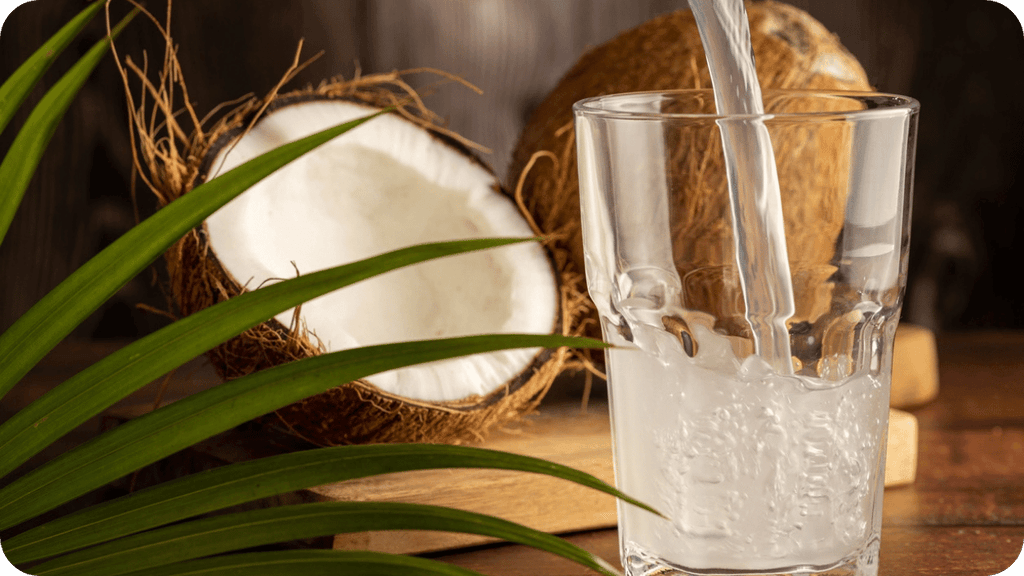
- Potassium: potatoes, bananas, oranges, coconut water, meat, and dairy
- Magnesium: dairy, meat, mineral water, and certain fruits and vegetables
- Calcium: milk, yogurt, cheese, and bone-containing foods
- Sodium: salt and salted foods
Eating a nutrient-dense diet provides electrolytes alongside protein, vitamins, trace minerals, and other nutrients.
If You Follow a Low-Carb Diet or Fast
Because carbohydrate restriction and fasting can affect sodium and fluid handling, paying attention to hydration and adequate dietary sodium may be helpful.
Individual needs vary, particularly for people with health conditions or those taking medications that affect blood pressure, kidney function, or fluid balance. Talk with your healthcare provider if you’re unsure what intake is appropriate for you.
If You’re Exercising in Heat or Sweating Heavily
Long periods of sweating increase losses of both water and minerals.
Replacing large amounts of sweat with plain water alone can sometimes lower blood sodium concentration, particularly during prolonged endurance activity (14).
For prolonged or intense activity, consuming fluids alongside electrolytes can help support hydration.
When to Seek Medical Care
Electrolyte disturbances can sometimes be serious and can’t be reliably diagnosed based on symptoms alone.
Seek prompt medical attention for symptoms such as confusion, seizures, fainting, chest pain, or a significant or persistent change in heart rhythm.
Heart & Soil Electrolytes
Heart & Soil Electrolytes was formulated to provide more than sodium and potassium alone.
Depending on the blend, ingredients include:
- Organic coconut water as a source of potassium
- Organic coconut sugar to provide real-food carbohydrate
- Mineral salt as a source of sodium
- Seawater-derived minerals to provide magnesium
- Microcrystalline hydroxyapatite (MCHA) from bone matrix as a source of calcium
The result is an electrolyte formula designed to provide sodium, potassium, magnesium, and calcium together rather than focusing exclusively on sodium.
Be First to Try Heart & Soil Electrolytes
Join the waitlist to be the first to know when they launch.
Glossary
- Electrolyte Imbalance: Electrolyte levels in the body that fall outside their normal physiological ranges.
- Natriuresis: Increased excretion of sodium through the urine.
- SGLT1: An intestinal transporter that moves sodium and glucose across the intestinal wall and helps facilitate water absorption.
- Hyponatremia: A medical condition defined by abnormally low blood sodium concentration.
Frequently Asked Questions
How do I know if I have an electrolyte imbalance?
Symptoms such as fatigue, headaches, weakness, or muscle cramps can occur alongside electrolyte disturbances, but they have many other possible causes. A healthcare professional can determine whether laboratory testing or further evaluation is appropriate.
Can dehydration affect electrolytes?
It can. Sweat and other fluid losses can also result in electrolyte losses. The relationship between hydration and electrolyte concentration depends on how much fluid and minerals are lost and subsequently consumed.
Does keto affect electrolyte needs?
Carbohydrate restriction can influence sodium and fluid handling by the kidneys. Some people following low-carbohydrate diets may therefore pay closer attention to dietary sodium and hydration, but individual needs vary.
Do electrolyte drinks need sugar?
Not necessarily. Sugar-free electrolyte drinks can still provide fluids and minerals. However, glucose and sodium are transported together through SGLT1 in the intestine, so carbohydrate-containing drinks can support sodium and water absorption, particularly during prolonged exercise.
How much sodium do I need if I sweat a lot?
There’s no single number that applies to everyone. Sweat sodium concentrations vary considerably between individuals, and needs depend on factors such as exercise duration, sweat rate, climate, diet, and health status (15).
Related Reading
- What Are Electrolytes? Your Ultimate Hydration Guide
- Electrolytes for Fasting: 5 Reasons They’re Valuable
- Best Electrolyte Powder: 5 Powerful Things to Look For
The Bottom Line
Electrolytes help your body manage fluid balance, nerve signaling, muscle function, and countless cellular processes.
How much you need depends on factors like your diet, activity level, climate, and sweat losses. Rather than using symptoms to diagnose an electrolyte imbalance, focus on the fundamentals:
- Drink according to your needs
- Eat mineral-rich foods
- Replace electrolytes when you’re losing significant amounts through sweat
- Choose an electrolyte product that fits your lifestyle
And if you’re experiencing persistent or concerning symptoms, talk with a healthcare professional rather than assuming electrolytes are the cause.
Subscribe to future articles like this:
