


Your dog can have seasonal allergies too. The mechanisms are remarkably similar to humans. Here is what to look for and what you can do.
If your dog starts scratching more in spring or fall, develops red or irritated skin, licks their paws obsessively, or gets recurring ear infections around the same time every year, seasonal allergies are a likely explanation. Seasonal allergies in dogs are extremely common and, like human allergies, they are on the rise.
The good news is that the underlying biology is remarkably similar to what happens in humans. The same IgE-mediated immune response, the same mast cell degranulation, and the same principles of barrier integrity, immune balance, and nutritional support apply.
Table of Contents

How to Recognize Seasonal Allergies in Dogs
Dogs present differently than humans. While we get sneezing and congestion, dogs tend to show allergies through their skin and ears:
Excessive scratching or licking, especially paws, belly, armpits, and groin. Paw licking is one of the most reliable signs.
Red, irritated, or inflamed skin. Look for redness between the toes, on the belly, or around the ears.
Recurring ear infections. Chronic or seasonal ear infections are one of the most common presentations of canine allergies.
Hot spots. Localized areas of moist, inflamed skin that develop rapidly.
Hair loss from excessive scratching or licking in affected areas.
Sneezing and watery eyes can occur but are less common in dogs than in humans.
The seasonal pattern is key. If these symptoms appear around the same time each year and improve in winter, seasonal allergies are the most likely explanation.
What Is Happening Inside Your Dog’s Body
The mechanism is the same IgE-mediated Type I hypersensitivity response that occurs in humans. Your dog’s immune system encounters a pollen allergen, produces IgE antibodies, and primes mast cells throughout the body. On subsequent exposures, those mast cells degranulate and release histamine and other inflammatory mediators.
The reason it shows up primarily as skin issues rather than respiratory symptoms relates to how histamine receptors are distributed in dogs. Dogs have a higher density of mast cells in the skin compared to the nasal passages, so the allergic response manifests on the skin surface.

Conventional Treatments and Their Limitations
If you have taken your dog to the vet for allergies, you have probably been offered one or more of these:
Apoquel (oclacitinib): A JAK inhibitor that blocks itch signaling. Effective for symptom management but works by suppressing part of the immune system. Does not address the underlying cause.
Cytopoint: A monoclonal antibody injection that targets a specific itch-signaling protein. Provides relief for 4 to 8 weeks. Again, manages symptoms without addressing the root immune dysregulation.
Steroids (prednisone): Powerful anti-inflammatory. Effective short-term but comes with significant side effects with prolonged use including increased thirst, weight gain, and immune suppression.
Antihistamines: Benadryl and similar drugs. Work for some dogs, not for others. Same limitation as in humans: only address one receptor during one phase of the response.
All of these manage symptoms. None of them address the barriers, immune balance, or nutritional status that determine how your dog’s body responds to allergens.
FREE DOWNLOAD
Your Seasonal Allergy Action Plan
The foods, nutrients, and lifestyle steps to start building a stronger foundation before pollen season peaks. One printable page. Zero guesswork.
The Nutritional Approach for Dogs
The same principles that apply to humans apply to dogs. The immune system, the barriers, the histamine metabolism, and the gut health factors all work the same way.
Diet Quality
Most commercial kibble is heavily processed, contains seed oils, emulsifiers, and synthetic ingredients, and provides minimal nutrient diversity. Just as processed food undermines human immune regulation, processed pet food undermines canine immune regulation.
Consider: fresh or raw food diets, adding organ meats (liver, kidney, heart) to your dog’s meals, omega-3 supplementation (fish oil), and bone broth. The same foods that support human allergy resilience support canine allergy resilience.
Gut Health
Dogs have the same gut-immune connection humans do. Gut barrier dysfunction drives immune dysregulation in dogs just as it does in people. Colostrum, bone broth, and probiotic-rich foods support canine gut health.
Omega-3 to Omega-6 Balance
Most commercial dog foods are loaded with omega-6 fatty acids from vegetable oils. Supplementing with omega-3s (fish oil, sardines) shifts the balance and provides nutritive support for a healthier inflammatory environment.
Organ Meats
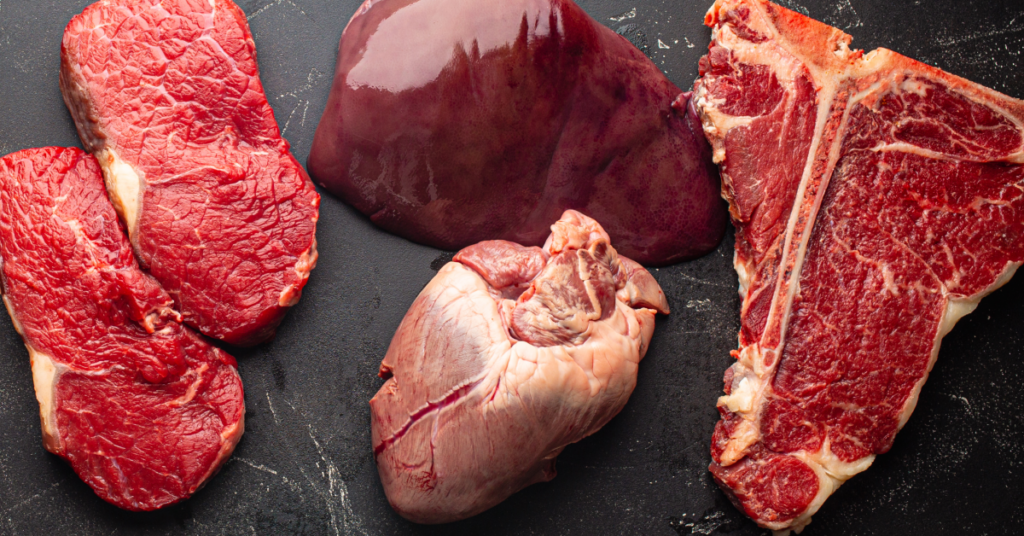
Liver, kidney, and heart provide the same concentrated nutrients for dogs that they do for humans. Retinol for skin and barrier integrity. Zinc for immune function. Copper and B6 for DAO. Many traditional dog diets included organs as a matter of course. Most modern commercial diets have eliminated them.
Can Dogs Take Heart & Soil Products?
Heart & Soil products are formulated for humans. But the organs in Histamine & Immune (kidney, thymus, liver, spleen, lung) provide the same nutrients that support immune regulation in dogs. The biology is the same.
Many of our customers share their supplements with their dogs. The capsules can be opened and the contents mixed into food. If you are considering this, consult your veterinarian about appropriate dosing based on your dog’s size and health status.
We are not making medical claims about using human supplements for dogs. We are simply acknowledging that organ meats support the same biological systems across mammalian species, and that many of our customers have found this approach helpful for their pets.
When to See a Vet
If your dog has severe symptoms, secondary skin infections, chronic ear infections, or if symptoms persist year-round rather than following a seasonal pattern, see your veterinarian. Allergies can overlap with other conditions, and some dogs genuinely need pharmaceutical support alongside nutritional strategies.
For the full human allergy science (which applies to the underlying biology in dogs): Read the Ultimate Guide to Seasonal Allergies
Foods that help (and hurt) seasonal allergies.
Daily Nourishment for Seasonal Wellness
Strategic Immune Support
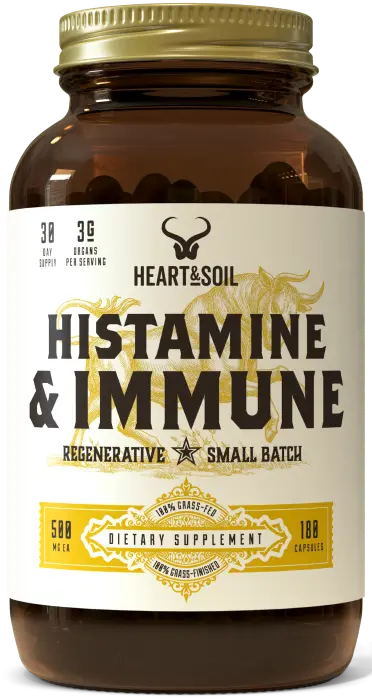
- Grass-fed thymus, lung, spleen, liver, and kidney
- Contains diamine oxidase (DAO) to aid histamine metabolism
- Helps your body respond naturally and stay resilient
60-day risk-free guarantee. No questions asked.
These statements have not been evaluated by the Food and Drug Administration. These products are not intended to diagnose, treat, cure, or prevent any disease. Heart & Soil products are formulated for human consumption. Consult your veterinarian before giving supplements to your pet.
Subscribe to future articles like this:
