
Medical Disclaimer: This post is for informational purposes only and does not constitute medical advice. Consult a qualified healthcare provider before making any significant dietary changes, especially if you have an existing health condition.
TL;DR
The carnivore diet is a way of eating that includes only animal foods and zero plants. A well-constructed carnivore diet goes beyond just muscle meat to include organ meats like liver, connective tissue, and quality animal fats like tallow. This nose-to-tail approach delivers the most nutrient-dense, bioavailable foods on the planet and has helped thousands of people lose weight, reduce inflammation, and reverse chronic illness.
Table of Contents
What is the Carnivore Diet?
The carnivore diet is simple: you eat only animals. No plants, no seed oils, no processed foods. What makes this way of eating particularly powerful is going nose-to-tail, meaning you eat the entire animal, including organs, connective tissue, fat, and muscle meat.
The strongest version of the carnivore diet centers around:
- Connective tissue (collagen-rich, from bones and joints)
- Fatty cuts of red meat (ribeye, ground beef, brisket)
- Organ meats, especially liver
- Seafood
- Animal fats like tallow, suet, and butter
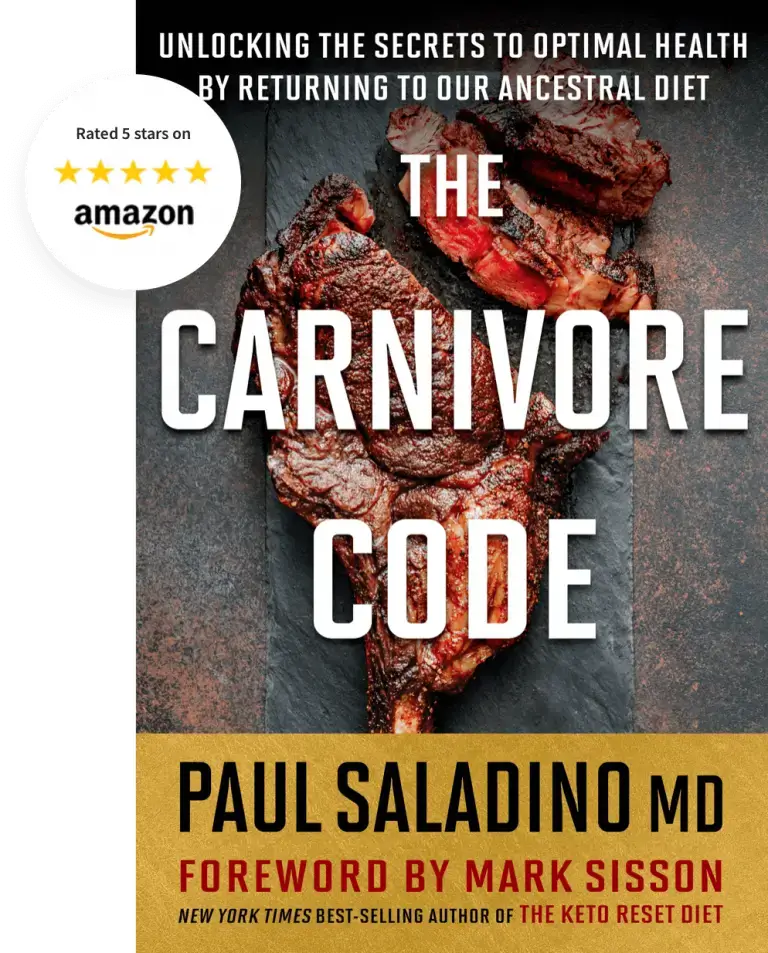
To learn more, check out The Carnivore Code.
Is the Carnivore Diet a Trend?
Your ancestors have been eating animals for approximately 4 million years, beginning when early humans started hunting. There is compelling evidence that hunting and consuming animals is what drove the growth and complexity of the human brain over time.
Analyses of 80,000-year-old collagen samples from Neanderthals and Homo sapiens reveal stable nitrogen isotope levels in bones that were greater than those found in other carnivorous animals, including hyenas. This suggests that our recent ancestors were eating animals, and lots of them.
The carnivore diet is not a trend. It is a return to how humans have eaten for most of their existence.
Is a Carnivore Diet Safe?
Yes. Concerns about kidneys, scurvy, and nutrient deficiencies on a carnivore diet are not supported by the evidence.
A few facts worth knowing:
- Animal foods contain vitamin C.
- Nose-to-tail eating provides plenty of micronutrients, including those typically associated with plant foods.
- Kidney and liver health are not negatively impacted by eating animals nose-to-tail.
Cultures like the Canadian Inuit have thrived on nearly all-animal diets for generations, especially during arctic winters when plant matter is unavailable. Historical accounts from Vilhjalmur Stefansson document their robust health and absence of common nutrient deficiencies. The Fat of the Land by Vilhjalmur Stefansson
If you want reassurance from bloodwork, checking labs before and during a carnivore diet is a smart move.
Learn more: Top 3 Mistakes On A Carnivore Diet (Easy Solutions)
Health Benefits of a Carnivore Diet
Hundreds of testimonials from the Heart & Soil community tell the same story: profound health improvements after switching to an animal-based diet. The benefits go well beyond the scale.
Weight Loss and Body Composition
Animal foods are extraordinarily satiating and nutrient-dense. This means:
- You eat less without feeling deprived
- You get more bioavailable nutrition per calorie
- Fat loss happens without hunger
Obesity itself is a driver of inflammation. Losing body fat universally improves blood pressure, insulin sensitivity, and inflammatory markers.
Energy, Mood, and Libido
Many people report dramatic improvements in mental clarity, mood stability, and libido after removing plants and seed oils and replacing them with quality animal foods.
Autoimmune and Inflammatory Conditions
A nose-to-tail carnivore diet has been associated with profound improvements in conditions including:
- Fibromyalgia
- Autoimmune illness
- Arthritis
Jordan Peterson and his daughter Mikhaila Peterson have publicly credited a carnivore diet with helping them reverse severe autoimmune disease. Joe Rogan Experience #1070
What Can You Eat on a Carnivore Diet?
The Nose-To-Tail Framework
Do not just eat muscle meat. Your ancestors ate the entire animal after a successful hunt, and the anthropological record supports this. A nose-to-tail carnivore diet delivers a richer nutrient profile and is more sustainable long-term.
| Food Category | Examples |
| Fatty red meat | Ribeye, ground beef, short ribs |
| Organ meats | Liver, heart, kidney, spleen |
| Connective tissue | Bone broth, tendons, cartilage |
| Animal fat | Suet, tallow, butter |
| Eggs | Whole eggs, preferably pasture-raised |
| Seafood | Salmon, sardines, oysters |
| Dairy (optional) | A2 dairy only (goat, sheep, buffalo) |
Learn more: What To Eat On A Carnivore Diet (Food List And Meal Plan!)
Beef Organs
Nature's Ultimate Multivitamin
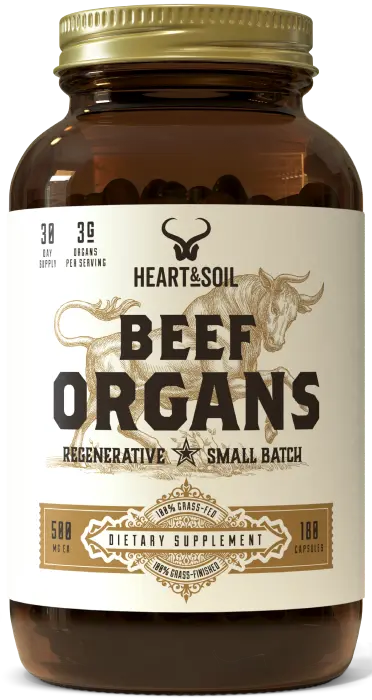
- Grass-fed liver, heart, pancreas, kidney, & spleen
- Designed to support overall energy & well-being
- Ideal daily foundation for nose-to-tail nutrition
60-day risk-free guarantee. No questions asked.
A Word on Dairy
Dairy is optional and individual tolerance varies. If you choose to include dairy:
- Only use A2 dairy. There is evidence that the A1 variant of the casein protein can trigger immune issues.
- A2 sources include goat, sheep, and buffalo dairy. A few cattle breeds also produce A2 milk.
- If you notice skin flares, mood changes, or weight gain, eliminate dairy and reassess.
- Many people who are taking a break from dairy get their calcium from bones, such as Bone Matrix.
Learn more: What Is A2 Milk? The Perfect Option For Sensitive Stomachs
How Much to Eat on a Carnivore Diet
Let satiety guide you. Because organ meats, especially liver, are so micronutrient-dense, many people find they are simply less hungry when they include them consistently.
Basic Macronutrient Templates
For weight loss:
- Minimize carbohydrates and dairy
- Target 1g of protein per pound of your goal body weight
- Add quality animal fat until satiety
- Aim for roughly a 1:1 protein-to-fat ratio in grams
- Note: 1 pound of meat contains approximately 100g of protein

For athletic performance:
- Target 0.8g of protein per pound of lean body mass
- Fat intake at approximately 1.5x your protein intake (in grams)
- Prioritize solid fats like suet and trimmings over liquid fats
For muscle gain:
- Create a caloric surplus with quality animal fat
- Target 1g to 1.2g of protein per pound of lean body mass
- Pair with an anabolic stimulus like resistance training
What’s the Evidence for a Carnivore Diet?
Does Red Meat Cause Heart Disease?
Mainstream thinking suggests that red meat drives cardiovascular disease. The evidence does not support this.
What appears to be the real driver of arterial plaque formation is insulin resistance (which leads to metabolic syndrome and diabetes), not LDL cholesterol. LDL has many vital roles in the body, including immune function, transport of cell wall components, and hormone precursors.

Bloodwork and Monitoring
Check labs before and during a carnivore diet. Key markers to monitor include metabolic panels, lipid panels, inflammatory markers, and fasting insulin.

Supporting Your Carnivore Diet with Organ Meats
The single most powerful upgrade you can make to your carnivore diet is adding organ meats, especially liver. Liver is one of the most nutrient-dense foods on the planet, providing concentrated amounts of fat-soluble vitamins, B vitamins, iron, and copper in forms the body absorbs with exceptional efficiency.
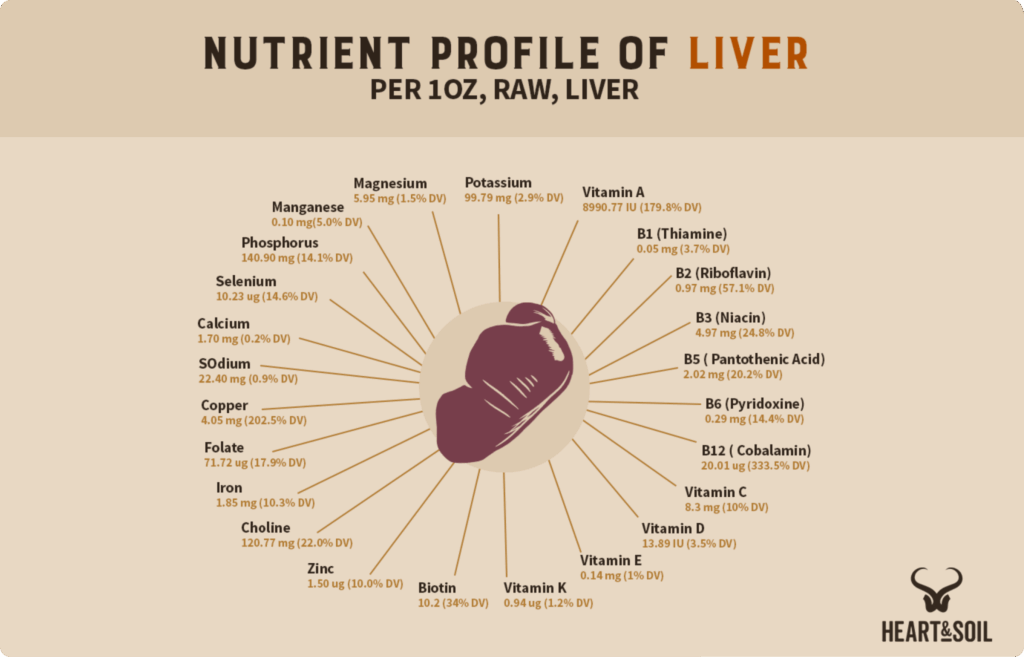
If you struggle to eat liver and other organs regularly, Heart & Soil’s organ supplements make it easy to get the benefits of nose-to-tail eating in a convenient daily capsule. No prep, no taste barrier, just organs.
Learn more: Is Beef Liver Better Than a Multivitamin? (#1 Natural Vitamin)
Nature's Ultimate Superfood
From Pure American Liver
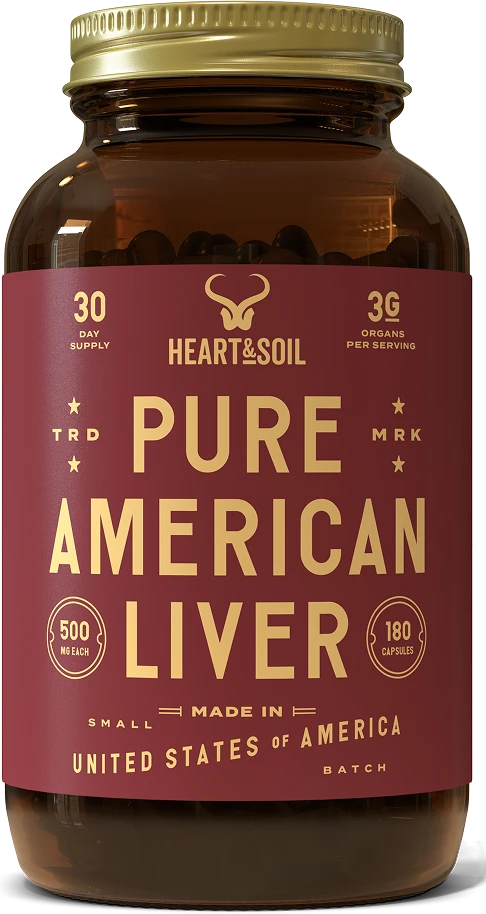
- Whole-food support for strength, energy, & vitality
- 100% American liver from grass-fed & pasture-raised cattle
- Nature's #1 superfood, freeze-dried to retain bioavailability
60-day risk-free guarantee. No questions asked.
How Long To Eat a Carnivore Diet
We advocate for a strict carnivore/ketogenic diet (limiting carbohydrate intake to 100 grams or less) only for a strategic period of 1-3 months under specific circumstances. These include transitioning from an unhealthy diet, using it as an “elimination diet” approach, or combating autoimmune illness.
Reintroducing low-toxicity carbohydrates into the diet can offer benefits such as balanced hormones, improved sleep, consistent energy, enhanced performance, better digestive health, and improved insulin sensitivity.

Carnivore Diet FAQ
Q: What foods are permitted on an animal-based diet? The core foods on an animal-based, nose-to-tail carnivore diet include fatty cuts of red meat (ribeye, ground beef, short ribs), organ meats (liver, heart, kidney, spleen), eggs, seafood, animal fats (tallow, suet, butter), connective tissue (bone broth, cartilage), and optionally A2 dairy from goat, sheep, or buffalo sources.
Q: What foods are not allowed on an animal-based diet? A strict carnivore diet excludes all plant foods, including vegetables, fruits, grains, legumes, nuts, and seeds. Seed oils (canola, soybean, sunflower, vegetable oil) are out entirely. Processed foods, sugar, and anything containing plant-derived ingredients do not belong on an animal-based diet.
Q: Do I need fiber on a carnivore diet? This is a larger conversation. The short answer is that many people do extremely well without dietary fiber and find that eliminating it resolves digestive issues rather than causing them.
Q: Can I gain muscle on a carnivore diet? Yes. It is possible to gain muscle and strength on a carnivore diet, but you need a caloric surplus and an anabolic stimulus like resistance training.
Q: Is dairy allowed on the carnivore diet? Dairy is optional and individual. If you include it, stick to A2 dairy sources. If you notice negative reactions, eliminate it.
Q: What if I don’t like the taste of organs? Start with heart, which tastes closest to muscle meat. Or use a whole-food organ supplement from Heart & Soil to get all the benefits without the preparation or taste.
Q: How long should I eat a carnivore diet? Most of the time, we don’t suggest consuming a carnivore diet for more than 1-3 months. In the long run, consider an animal-based diet.
Bottom Line
The carnivore diet is the ancestral human diet, and a nose-to-tail approach delivers the most nutrient-dense eating pattern available. Animal-based eating supports fat loss, reduces inflammation, improves mood and energy, and has helped thousands reverse chronic conditions that conventional medicine could not fix.
Autoimmune Issues Stack
Restore Balance To Your Immune System
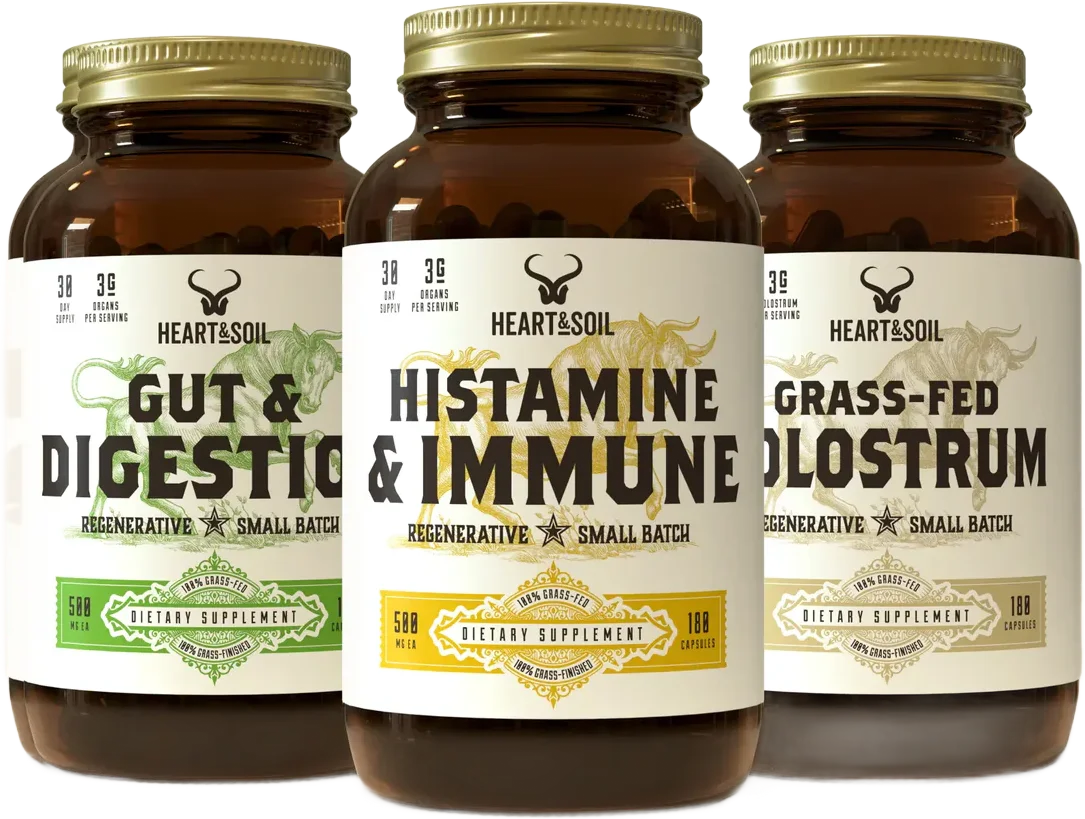
- Histamine & Immune, Gut & Digestion, Grass-Fed Colostrum
- Supports immune regulation and digestion for balanced health
- 100% allergen, pesticide, and GMO-free
60-day risk-free guarantee. No questions asked.
Subscribe to future articles like this:
