
70% of your immune system lives in your gut. When the gut breaks down, allergies follow.
If you have seasonal allergies and also deal with bloating, food sensitivities, skin issues, or digestive discomfort, those things are probably not a coincidence. The connection between seasonal allergies and gut health is one of the most underappreciated factors in understanding why some people react to pollen and others do not.

70% of Your Immune System Lives in Your Gut
This is not a metaphor. Approximately 70% of your immune tissue is concentrated in the gut-associated lymphoid tissue (GALT). The gut is where your immune system encounters the most foreign material on a daily basis. It is where immune cells are trained, where tolerance is developed, and where the balance between overreaction and appropriate response is established.
When the gut is functioning well, your immune system learns to distinguish between genuine threats and harmless substances like food proteins and pollen. When the gut breaks down, that discrimination fails.
How Gut Dysfunction Drives Allergies
Leaky Gut and Th2 Skew
The gut lining is held together by tight junctions, which are protein structures that control what passes through. When these tight junctions break down (from emulsifiers in processed food, seed oils, chronic stress, alcohol, or NSAID use), the gut becomes permeable. Partially digested food proteins, bacterial fragments, and other molecules leak into the bloodstream where they are not supposed to be.
The immune system responds to this constant stream of foreign material. And over time, that response skews toward Th2 dominance, the same immune pattern that drives allergic sensitization to pollen, dust, and other environmental allergens.
Microbial Diversity and Treg Function
Your gut bacteria produce short-chain fatty acids like butyrate, which nourish the gut lining and support the development of regulatory T cells (Tregs). Tregs are the immune cells that tell the rest of the system to stand down when a substance is not actually dangerous. When microbial diversity drops (from antibiotic use, processed food, or lack of diverse whole-food intake), butyrate production decreases, Tregs decline, and the immune system loses a critical brake pedal.
FREE DOWNLOAD
Your Seasonal Allergy Action Plan
The foods, nutrients, and lifestyle steps to start building a stronger foundation before pollen season peaks. One printable page. Zero guesswork.
The Gut-Lung Axis
Research has identified a direct communication pathway between the gut and the lungs called the gut-lung axis. Inflammation originating in the gut can manifest as respiratory symptoms. This is one reason why people with gut issues often also have nasal congestion, sinus problems, or asthma, even when they do not think of themselves as having “allergies.”
The connection works through several mechanisms. Immune cells that are trained (or mistrained) in the gut circulate throughout the body, including to the respiratory mucosa. Inflammatory signals produced by gut dysbiosis travel through the bloodstream and affect distant tissues. And the microbial metabolites produced in a healthy gut (especially short-chain fatty acids like butyrate) have systemic anti-inflammatory effects that protect the airways.
When gut health deteriorates, the airways lose that protection. This is why asthma and allergic rhinitis so frequently coexist with digestive issues. They are not separate problems. They are different expressions of the same underlying gut-immune dysfunction.
Can Seasonal Allergies Cause Gut Symptoms?
Yes. The relationship goes both ways. Seasonal allergies can cause nausea, bloating, diarrhea, and abdominal discomfort during flares. The systemic inflammatory response triggered by allergen exposure affects the gut along with the nasal passages and airways. Histamine itself acts on receptors in the GI tract, directly increasing intestinal secretion and motility. So your gut symptoms during allergy season are not a coincidence and they are not a separate problem. They are part of the same cascade. See the full symptom breakdown.

What Damages the Gut Barrier
Emulsifiers (polysorbate 80, carboxymethylcellulose, carrageenan) directly disrupt tight junctions. They are in most processed foods. Research has shown that even at concentrations found in typical diets, these compounds reduce mucus thickness and increase bacterial contact with the epithelium.
Seed oils promote inflammation in the gut lining and throughout the body. The excess omega-6 fatty acids from seed oils are converted into pro-inflammatory mediators that damage the epithelium over time.
Chronic stress reduces blood flow to the gut and impairs barrier repair. Cortisol also shifts the immune environment in the gut toward Th2 dominance, compounding the problem.
NSAIDs (ibuprofen, aspirin) increase intestinal permeability. Regular use is a documented cause of increased gut permeability, and many allergy sufferers use these for headaches and body aches caused by their allergies, creating a vicious cycle.
Alcohol directly damages the gut epithelium and depletes the nutrients needed for repair. It also disrupts the gut microbiome and increases histamine levels.
Low microbial diversity from antibiotics, low-fiber diets, and lack of diverse whole-food intake reduces butyrate production and weakens the epithelial barrier from the inside.
How to Support Your Gut Barrier
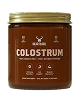
Grass-fed colostrum. This is one of the most targeted whole-food supplements for nutritive support of the gut barrier. Colostrum provides immunoglobulins (IgG) that support a healthy gut environment. Lactoferrin, an iron-binding glycoprotein, provides nutritive support for barrier integrity through its antimicrobial and anti-inflammatory properties. Growth factors (including TGF-beta and IGF-1) support epithelial cell turnover. And proline-rich peptides (PRPs), which are unique to colostrum, support healthy immune function by influencing T-cell differentiation. Heart & Soil’s processing preserves these proline-rich peptides, which are destroyed by the high-heat processing used by many other colostrum products.
Bone broth. Rich in glycine, proline, and glutamine, which directly support gut lining repair. Glycine is a key component of collagen and supports the structural integrity of the intestinal wall. Glutamine is the primary fuel source for enterocytes (the cells lining the gut). Regular bone broth intake is one of the most practical ways to support the gut lining daily.
Diverse whole foods. Variety in your diet feeds a variety of gut bacteria, which supports microbial diversity and butyrate production. Aim for a wide range of vegetables, fruits, animal proteins, and fats rather than eating the same few foods on rotation.
Fermented foods. Sauerkraut, kimchi, and yogurt (outside of active allergy flares when you may want to limit high-histamine fermented foods) support microbial diversity and provide beneficial bacteria that strengthen the gut environment.
Remove the damaging inputs. Cut emulsifiers, reduce seed oils, manage stress, limit alcohol, and avoid unnecessary NSAID use. Removing what is breaking the barrier down is just as important as adding what builds it back up.
Full food guide: what to eat and what to avoid for seasonal allergies.
Uncut Colostrum
Colostrum Powder in Its Purest Form

- Supports gut health, immunity, and exercise recovery
- 100% grass-fed, pasture-raised colostrum
- Third-party tested for biological activity
60-day risk-free guarantee. No questions asked.
For the complete framework: Read the Ultimate Guide to Seasonal Allergies
These statements have not been evaluated by the Food and Drug Administration. These products are not intended to diagnose, treat, cure, or prevent any disease.
Subscribe to future articles like this:
