
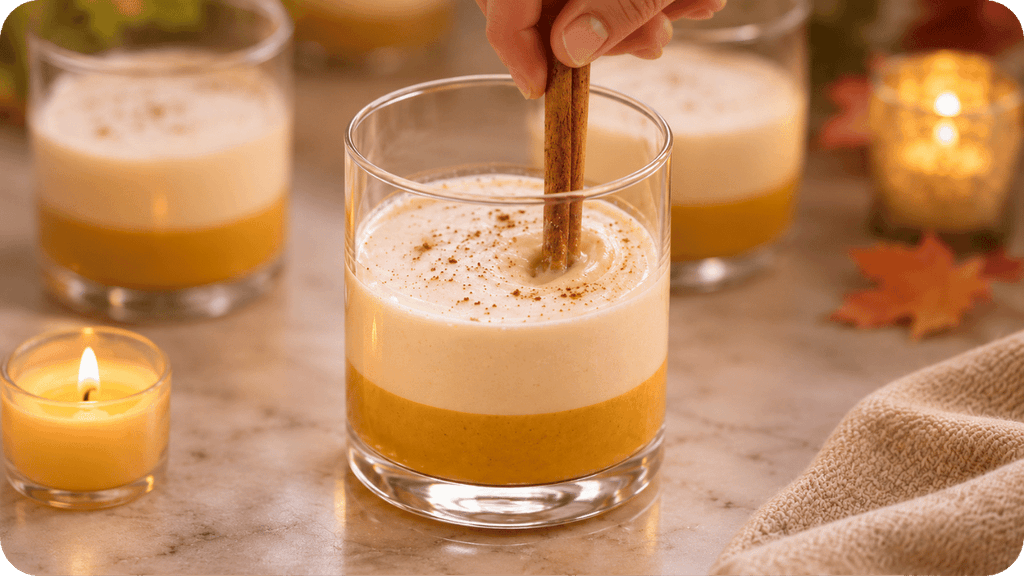
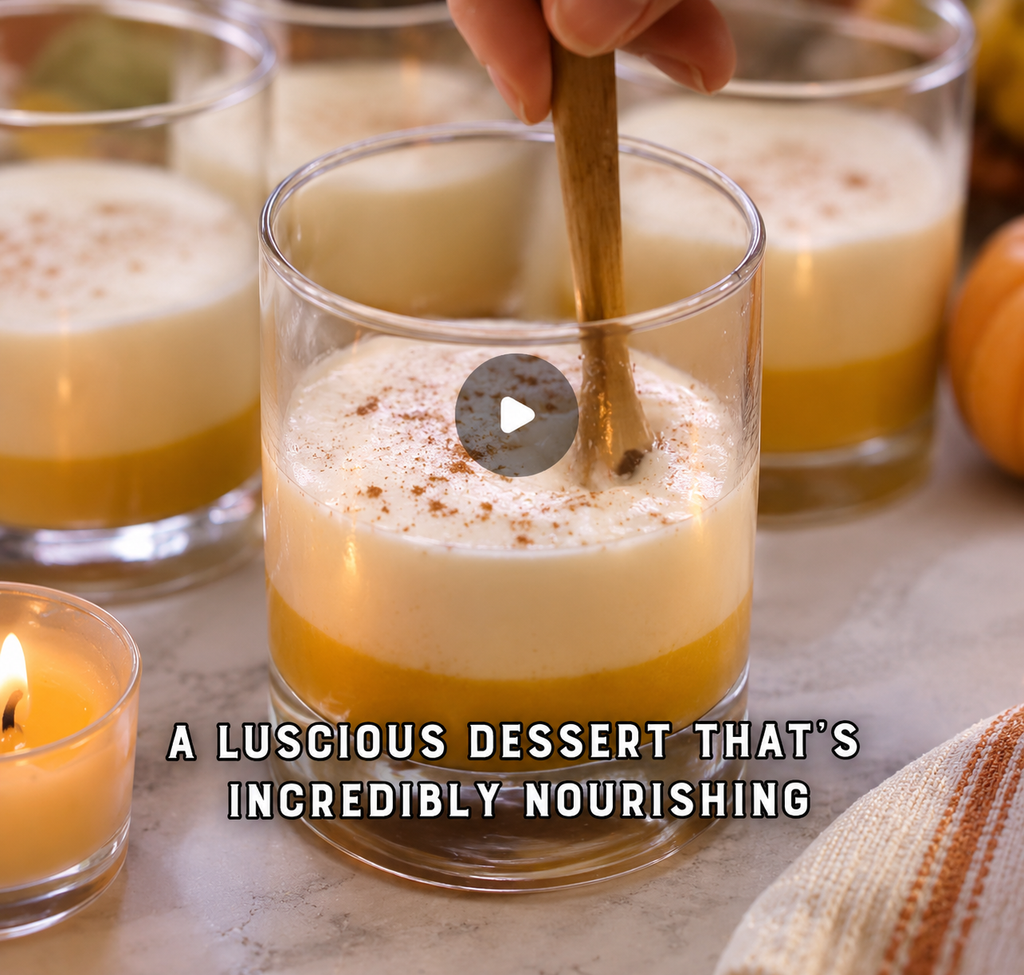
This pumpkin panna cotta might be the easiest and tastiest fall dessert you make all season.
It’s creamy, lightly sweet, and made with just a handful of ingredients.
And that gelatin does more than give panna cotta its signature jiggle. It also provides amino acids found in collagen-rich animal tissues.
Key Takeaways
- Pumpkin panna cotta is a creamy fall dessert made with heavy cream, honey, pumpkin puree, pumpkin spice, and beef gelatin.
- Gelatin comes from collagen-rich animal tissues and provides amino acids including glycine, proline, and hydroxyproline.
- Research on hydrolyzed collagen peptides (not culinary gelatin specifically) suggests potential benefits for skin hydration and elasticity.
- Pumpkin panna cotta is an easy way to bring a little more nose-to-tail nutrition into an animal-based dessert.
Table of Contents
What Is Pumpkin Panna Cotta?
Panna cotta is a chilled cream dessert that gets its soft, silky texture from gelatin.
This pumpkin panna cotta gives the classic recipe a fall twist with real pumpkin puree, honey, and pumpkin pie spice.
The result is somewhere between pumpkin pie filling and custard, but lighter, smoother, and much easier to make.
No pie crust. No baking. No complicated technique.
How To Make Pumpkin Panna Cotta
The hardest part of this pumpkin panna cotta recipe is waiting for it to set.
Ingredients: Pumpkin Panna Cotta
- 2 cups heavy cream
- ¼ cup honey
- 2½ teaspoons beef gelatin
- 3 tablespoons cold water
- 1–2 tablespoons pumpkin puree
- Dash of pumpkin pie spice
- Optional: Add a scoop of Grass-Fed Whey for a protein boost.
Feel free to adjust the pumpkin, honey, and spice to taste.
Instructions: Pumpkin Panna Cotta
- Bloom the gelatin. Sprinkle 2½ teaspoons of beef gelatin over 3 tablespoons of cold water. Let it sit for about 5 minutes.
- Warm the cream and honey. Add the heavy cream and honey to a saucepan over medium-low heat. Stir until the honey dissolves and the mixture begins to steam. Don’t let it boil.
- Add the gelatin. Remove the saucepan from the heat and stir in the bloomed gelatin until completely dissolved.
- Add the pumpkin. Whisk in 1–2 tablespoons of pumpkin puree and a dash of pumpkin pie spice. Optional: whisk in a scoop of Grass-Fed Whey.
- Pour and chill. Divide the mixture among molds, glasses, or ramekins. Let it cool briefly, then refrigerate for at least 3 hours or until set.
When you’re ready to serve, enjoy it straight from the bowl or carefully unmold it onto a plate.
Watch the Pumpkin Panna Cotta Come Together
Want to see exactly what the texture should look like?
Watch the Heart & Soil pumpkin panna cotta recipe on Instagram.
3 Reasons to Make Pumpkin Panna Cotta
1. Gelatin Helps You Eat More Nose-to-Tail
Eating nose-to-tail means getting more than just muscle meat.
Skin, cartilage, connective tissue, bones, and organs all provide different nutrients and amino acids. Gelatin is an easy way to bring more collagen-rich animal tissue into your diet.
That matters because a wider variety of animal tissues gives you a broader nutritional profile.
2. Gelatin Provides the Building Blocks for Connective Tissue
Gelatin is rich in glycine, proline, and hydroxyproline, the amino acids heavily used to build collagen.
Collagen is the main structural protein in your skin, tendons, ligaments, cartilage, and bones (1).
In a small randomized trial, 15 grams of vitamin C-enriched gelatin increased collagen-related amino acids in the blood and markers of collagen synthesis compared with placebo (2).
3. Collagen Research Shows Benefits for Skin and Joints
Most human studies use hydrolyzed collagen peptides rather than culinary gelatin, but they come from the same collagen-rich tissues.
A review of 35 clinical trials found improvements in skin hydration and elasticity with collagen peptides (3). Other randomized trials have found improvements in skin markers and some measures of activity-related joint discomfort (4, 5).
So while gelatin and collagen peptides aren’t identical, the research helps explain why collagen-rich foods are worth including in the diet.
Is Gelatin the Same as Collagen Peptides?
Not exactly. They start from the same basic material, animal collagen, but they’re processed differently.
| Gelatin | Collagen Peptides | |
| Source | Animal collagen | Animal collagen |
| Processing | Collagen is heated and partially broken down | Collagen is hydrolyzed into smaller peptides |
| Texture | Forms a gel when cooled | Does not gel |
| Best for | Panna cotta, gummies, sauces, desserts | Coffee, smoothies, drinks, supplements |
| Key amino acids | Glycine, proline, hydroxyproline | Glycine, proline, hydroxyproline |
| Human research | Less extensive; direct evidence includes collagen-synthesis research | More extensively studied for skin and joint outcomes |
Neither one is automatically “better.”
If you’re making pumpkin panna cotta, you want gelatin because collagen peptides won’t create the same set texture.
For a deeper comparison, read our full guide to gelatin vs collagen.
What Kind of Gelatin Should You Use?
Look for plain, unflavored beef gelatin without unnecessary added ingredients.
The gelatin should be able to bloom, meaning it absorbs cold liquid and swells before being dissolved into the warm cream.
Don’t swap gelatin for collagen peptides in this recipe.
Collagen peptides dissolve easily but won’t give pumpkin panna cotta its classic soft, jiggly texture.
Save and Share
Frequently Asked Questions
What does pumpkin panna cotta taste like?
Pumpkin panna cotta is rich and creamy with a mild pumpkin flavor and a little sweetness from honey. Pumpkin spice gives it the cinnamon, ginger, nutmeg, and clove flavors you’d expect from a fall dessert.
Why is my pumpkin panna cotta not setting?
The most common reasons are too little gelatin, gelatin that wasn’t properly bloomed, or not giving it enough time to chill. Let the dessert refrigerate for at least three hours before judging the final texture.
Can I make pumpkin panna cotta without pumpkin spice?
Absolutely. Leave the pumpkin spice out or use only the individual spices you tolerate and enjoy. The pumpkin puree alone will still give the dessert color and subtle pumpkin flavor.
Is gelatin good for skin?
Gelatin provides amino acids found in collagen, but most human skin research has studied hydrolyzed collagen peptides rather than culinary gelatin. Clinical trials of collagen peptides have found potential improvements in skin hydration and elasticity, although results vary by product, dose, and duration (5).
Can I use collagen powder instead of gelatin in panna cotta?
Not if you want panna cotta texture. Collagen peptides don’t gel when chilled, so they won’t set the cream the way gelatin does.
More Fall Recipes
The Bottom Line
Pumpkin panna cotta is proof that getting more gelatin into your diet doesn’t have to mean drinking another supplement.
Heavy cream, honey, real pumpkin, warm spices, and beef gelatin come together into a creamy fall dessert that supports your health.
Grass-Fed Whey Protein for Muscle Recovery
1 Ingredient. 24 Grams of Protein.

- Supports muscle protein synthesis with naturally occurring leucine
- No flavors, sweeteners, additives, or fillers
- 100% plastic-free packaging (including the scoop!)
60-day risk-free guarantee. No questions asked.
Subscribe to future articles like this:
