
Dr. Paul Saladino shared how to make natural toothpaste at home using just a handful of simple ingredients.
His recipe combines coconut oil, baking soda, bentonite clay, hydrogen peroxide, and peppermint essential oil. That’s it.
If you’ve been wondering how to make natural toothpaste without a long ingredient list, here’s the recipe he shared, and what the research actually says about the ingredients.
The information in this blog is for educational purposes only. It is not a substitute for professional medical advice. Consult your healthcare provider if you’re seeking medical advice, diagnoses, or treatment. These statements have not been evaluated by the Food and Drug Administration. Our products are not intended to diagnose, treat, cure, or prevent any disease.
Key Takeaways
- Dr. Paul Saladino’s natural toothpaste recipe uses just five simple ingredients.
- If you want to know how to make natural toothpaste, you’ll need coconut oil, baking soda, bentonite clay, hydrogen peroxide, and peppermint essential oil.
- Baking soda has the strongest clinical evidence of the ingredients in this recipe for supporting plaque removal and gingival health.
- This exact homemade formula has not been studied in a clinical trial.
Table of Contents
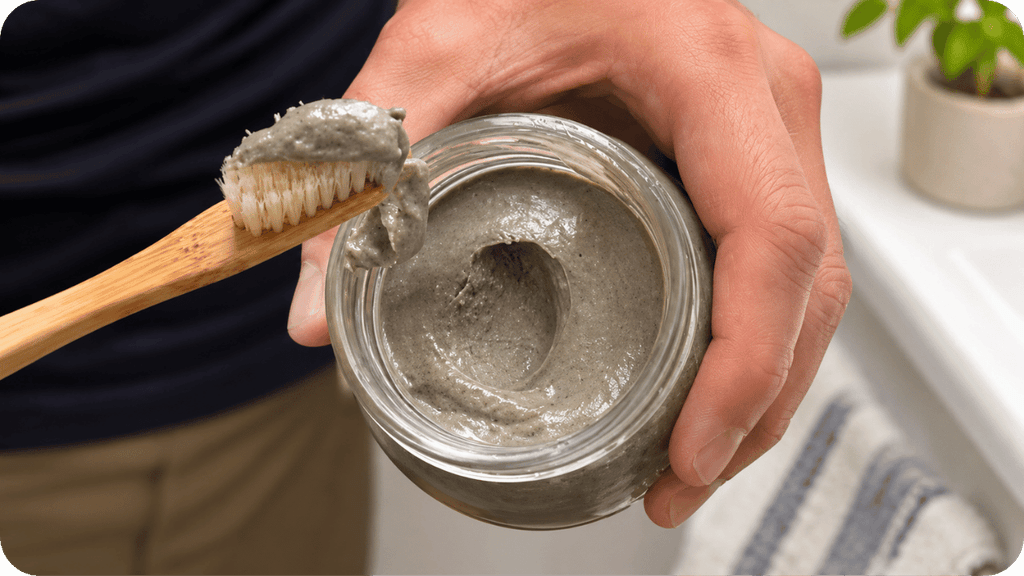
How to Make Natural Toothpaste With 5 Ingredients
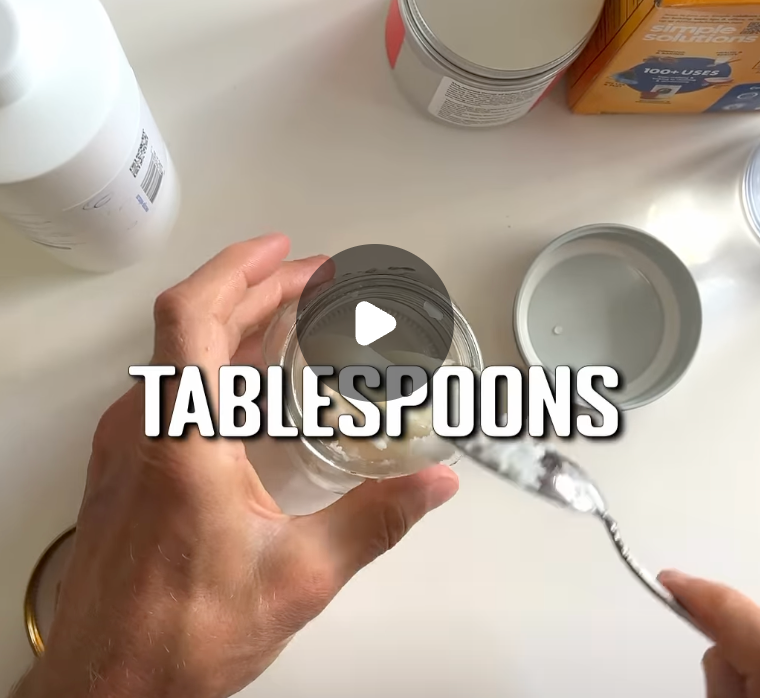
Here’s how to make natural toothpaste based on the recipe Dr. Paul shared in his Instagram reel.
Ingredients
- 3 heaping tablespoons coconut oil
- 2 tablespoons baking soda
- 2 tablespoons bentonite clay
- 1 small spoonful of hydrogen peroxide (3% dilution)
- Peppermint essential oil
Save the ingredient list and recipe on Pinterest.
Instructions
- Add the coconut oil, baking soda, and bentonite clay to a small bowl.
- Add the hydrogen peroxide.
- Add a small amount of peppermint essential oil.
- Mix everything together with a wooden spoon until it forms a paste.
- Transfer it to a clean container.
And that’s how to make natural toothpaste at home.
Watch Dr. Paul make it on Instagram.
What Does Each Ingredient Do?
Coconut Oil
Coconut oil gives the toothpaste its creamy base.
There is also some research on coconut oil for oral hygiene. In a small randomized crossover trial of 29 people, coconut oil pulling inhibited short-term plaque regrowth similarly to a chlorhexidine rinse, although oil pulling is different from brushing with coconut-oil toothpaste (1).
Baking Soda
Baking soda, or sodium bicarbonate, is probably the most researched ingredient in this natural toothpaste recipe.
A randomized controlled trial of 247 adults found that brushing twice daily with a toothpaste containing 67% sodium bicarbonate improved plaque and gingival bleeding measures compared with a toothpaste without sodium bicarbonate over 24 weeks (2).
A systematic review of seven randomized trials reached a similar conclusion for 67% sodium bicarbonate toothpastes (3).
Importantly, those studies tested professionally formulated toothpastes, not this DIY mixture.
Bentonite Clay
Bentonite clay acts as a mineral-based abrasive in the recipe.
Abrasives help physically remove buildup and surface stains while brushing. But abrasivity depends on the specific particles, concentration, formulation, and brushing technique, so you can’t determine a homemade toothpaste’s abrasivity from the ingredient list alone.
That’s one reason to brush gently rather than aggressively.
Hydrogen Peroxide
Hydrogen peroxide is used in some commercial oral-care products.
A systematic review found that mouth rinses containing hydrogen peroxide, most commonly around 1.5% in the included studies, performed somewhat better than placebo for plaque and gingival inflammation, but were less effective than chlorhexidine (4).
Concentration matters. Higher or prolonged exposures can irritate oral tissues, which is why you shouldn’t assume any bottle of peroxide is appropriate for a homemade toothpaste (5).
Peppermint Essential Oil
Peppermint gives the toothpaste that familiar fresh feeling. Because essential oils are concentrated, more isn’t necessarily better. Use an oil intended for oral or food use and keep the amount modest.
Save & Share
How Does Homemade Natural Toothpaste Compare?
If you’re learning how to make natural toothpaste, it helps to understand what this recipe does—and what hasn’t been established.
| Dr. Paul’s DIY Recipe | Conventional Fluoride Toothpaste | |
| Ingredient list | Very simple | Usually longer |
| Baking soda | Yes | Sometimes |
| Coconut oil | Yes | Usually no |
| Fluoride | No | Usually yes |
| Customizable | Yes | No |
| Formula clinically tested | No | Many are |
| Evidence for cavity prevention | Not established for this recipe | Strong evidence |
Fluoride deserves a specific mention here. A large Cochrane review found that fluoride toothpastes reduce dental caries compared with non-fluoride toothpastes, including evidence in adults using toothpaste containing around 1,000–1,100 ppm fluoride (6).
That doesn’t mean you have to use fluoride. But if you choose to learn how to make natural toothpaste without it, it’s worth understanding the tradeoff and discussing your individual cavity risk with your dentist.
Fluoride-free products containing ingredients such as hydroxyapatite also have emerging clinical evidence for cavity prevention (7).
Does Diet Matter for Healthy Teeth Too?
Absolutely. Toothpaste is only one piece of the picture.
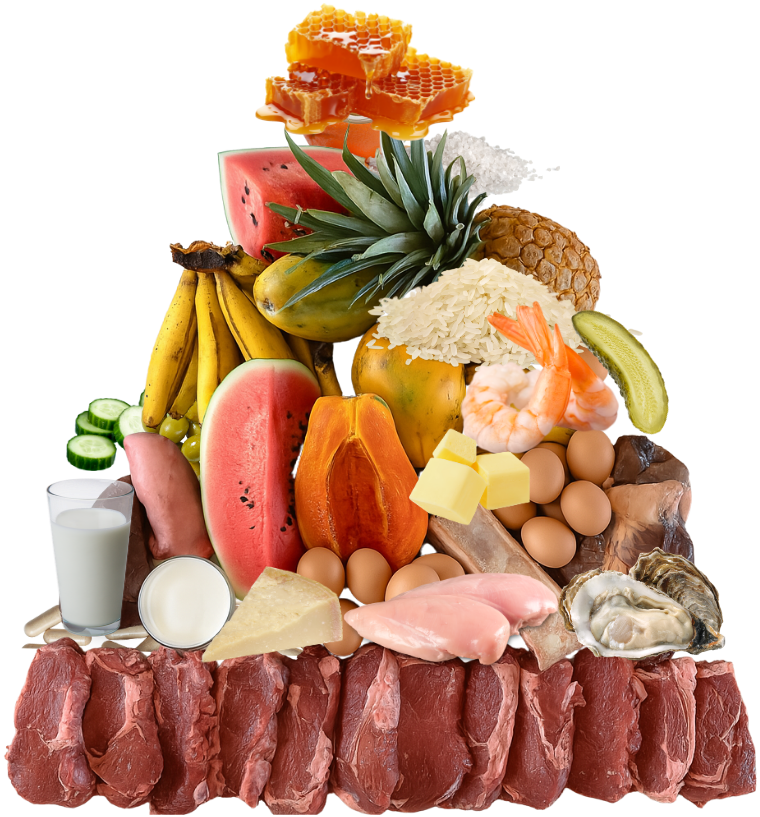
Your teeth are living structures that depend on nutrients from your diet. At Heart & Soil, we prefer a food-first approach: build your diet around nutrient-dense foods you tolerate rather than expecting one toothpaste, supplement, or ingredient to do everything.
A few nutrients stand out when it comes to oral health.
Calcium and Phosphorus
Calcium is probably the first mineral people think of for strong teeth, and for good reason.
Calcium and phosphorus are the primary minerals used to form hydroxyapatite, the hard mineral that makes up most of tooth enamel (8).
That makes foods rich in these minerals especially relevant for oral health. Dairy foods such as milk, yogurt, bones, and cheese provide both calcium and phosphorus, along with high-quality protein.
Interestingly, research has also found that eating cheese can temporarily increase calcium concentrations in saliva and dental plaque (9).
Some good food sources include:
- Milk, yogurt, and cheese
- Bone Matrix
- Sardines and other fish eaten with the bones
- Bone-in canned salmon
- Eggs
- Meat and seafood
Bone Matrix
Become Unbreakable
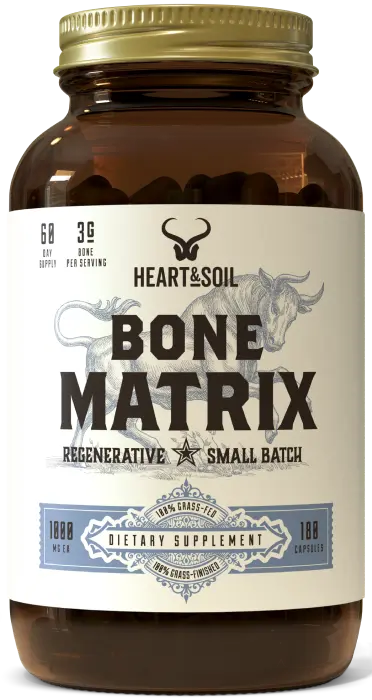
- Made with grass-fed and finished long bones
- Supports bone strength, joint health, and connective tissue integrity
- Delivers calcium and phosphorus in a natural 2:1 balance
60-day risk-free guarantee. No questions asked.
Vitamin D
Vitamin D helps your body absorb and regulate calcium and phosphorus, so getting enough of it matters for more than just your bones.
A systematic review of clinical trials found that vitamin D supplementation may benefit some measures of oral health, particularly periodontal health, although researchers noted that the evidence is still limited and more high-quality trials are needed (10).
Fatty fish, egg yolks, organ meats, dairy, and regular sun exposure can all contribute to healthy vitamin D status.
Vitamin C
Healthy teeth also need healthy gums.
Vitamin C is required for collagen production, making it especially important for the connective tissue that helps support your teeth.
A systematic review found that lower vitamin C intake and blood levels were associated with poorer periodontal health. Clinical trials also found that vitamin C improved gingival bleeding in people with gingivitis, although it did not appear to significantly improve established periodontitis (11).
Fruit is an easy way to get vitamin C within an animal-based diet.
Protein
Your mouth isn’t made of minerals alone.
Your gums, periodontal ligaments, bone, and other connective tissues all require amino acids for normal maintenance and repair. Adequate protein is therefore another basic part of supporting healthy oral tissues (12).
Meat, eggs, organ meats, seafood, dairy, and whey protein powder are all excellent sources of complete protein.
Grass-Fed Whey Chocolate Sea Salt
Protein. Recovery. Taste.

- Supports muscle repair and daily protein intake
- Naturally flavored with maple syrup, cacao, and sea salt
- 100% plastic-free packaging (including the scoop!)
60-day risk-free guarantee. No questions asked.
Related Reading
- The Ultimate Guide to the Animal-Based Diet
- The Complete List of Seed Oils
- Synthetic vs Natural Vitamins
You can also learn more about the relationship between traditional diets, nutrition, and dental health on the Weston A. Price site.
The Bottom Line
Learning how to make natural toothpaste is surprisingly simple.
Dr. Paul Saladino’s recipe uses five ingredients: coconut oil, baking soda, bentonite clay, hydrogen peroxide, and peppermint essential oil.
Dental health starts with the food you eat every day. Prioritize protein, dairy, organ meats, and fruit to support your teeth.
Subscribe to future articles like this:
