

It’s easy to treat a multivitamin like nutritional insurance, especially when lunch comes from a drive-through and dinner barely happens. One pill seems like a simple way to cover what you missed at mealtime. But a long list of nutrients on a label doesn’t prove you’re well nourished.
Some multivitamins can fill specific gaps, but routine use hasn’t consistently been shown to prevent major chronic disease in generally healthy adults. And you can’t get the protein, fats, or natural variety of eggs, meat, dairy, fruit, and organs from a pill.
Liver alone brings vitamin A, B12, folate, copper, and heme iron together in one food, which is why we believe it deserves more attention than another all-in-one formula.
Starting with nutrient-dense foods gives you more of the nourishment that isn’t listed on a multivitamin label, and it helps you decide whether that daily pill is actually worth your money.
Disclaimer: The information in this blog is for educational purposes only. It is not a substitute for professional medical advice. Consult your healthcare provider if you’re seeking medical advice, diagnosis, or treatment. These statements have not been evaluated by the Food and Drug Administration. Our products are not intended to diagnose, treat, cure, or prevent any disease.
Table of Contents
What Does a Multivitamin Actually Do?
A multivitamin is a combination of vitamins and usually minerals sold in one supplement. Because there’s no single required formula, the ingredients, nutrient forms, and amounts can differ substantially between brands. One bottle may contain iron, while another deliberately leaves it out. Some supply around the Daily Value for many nutrients, while others contain far larger amounts.
A multivitamin adds vitamins and minerals to your diet. If food doesn’t give you enough of a particular nutrient, a supplement containing it can help fill that gap, as the NIH Office of Dietary Supplements explains.
Getting more of a vitamin doesn’t necessarily lower disease risk or improve how you feel, particularly if your diet already supplies enough of it. Know what you need before judging a bottle by how many nutrients it lists.
Do Multivitamins Actually Work?
Multivitamins can help fill nutrient gaps, but that doesn’t prove they prevent disease or help you live longer.
Can Multivitamins Fill Nutrient Gaps?
Yes. When someone doesn’t get enough of a nutrient from food, a multivitamin that supplies that nutrient can increase total intake. That’s a useful nutritional function, especially when food variety or appetite is limited.
But that same bottle may include twenty nutrients you already get from food, and it might not address an absorption problem behind low B12. Find the nutrient you’re missing before assuming a longer ingredient list is better.
Do Multivitamins Prevent Chronic Disease?
For generally healthy adults, the evidence for broad prevention claims remains unconvincing. Large studies and reviews haven’t consistently found that routine multivitamin use prevents cardiovascular disease, cancer, or other major chronic conditions. You can read about those limitations in the NIH evidence summary.
Vitamins are essential, and deficiencies can have serious consequences. But correcting inadequate intake is a different goal from preventing a complex chronic disease, even when the marketing for a supplement blurs the two.
Do Multivitamins Help You Live Longer?
A major 2024 JAMA Network Open study followed data from 390,124 generally healthy U.S. adults across more than 20 years. Regular multivitamin use wasn’t associated with a lower risk of death. Those results don’t support the idea that a daily multivitamin reliably helps healthy adults live longer.
This was an observational study, so it doesn’t show that multivitamins cause harm. And it doesn’t justify promises of extra years of life. You can read more about the finding in the NIH’s study summary.
Are Multivitamins Completely Useless?
No. Multivitamins can be useful when they address a real nutritional need. Prenatal vitamins have specific roles, for instance, and supplements may help people with restricted diets, low intake, or diagnosed deficiencies.
There are some intriguing results in specific populations, too. In COSMOS-related randomized studies, for example, daily multivitamins may have provided modest benefits in selected cognitive measures among older adults. But those trials measured particular cognitive outcomes in older adults, not dementia prevention or cognitive benefits for everyone.
Why a Multivitamin Can’t Replace Real Food

Real food contains protein, essential fatty acids, carbohydrates where appropriate, minerals, and hundreds of other naturally occurring compounds. Vitamins are part of that picture, but they’re not the entire picture. You can’t replace dinner with a capsule containing the vitamins dinner might have supplied.
Think about eggs. They provide complete protein, fat, choline, and a range of micronutrients in one familiar food. Liver offers B12, retinol, copper, folate, and other nutrients alongside protein, while meat provides iron, zinc, B vitamins, and complete protein. You’ll miss much of that nutritional variety if you judge foods only by the percent-Daily-Value column on a supplement label.
An isolated vitamin can have a purpose, but whole foods give you more than vitamins alone, and that’s why we start with meat, organs, eggs, seafood, fruit, and dairy when tolerated.
Multivitamin vs Nutrient-Dense Foods
With a multivitamin, you get selected nutrients in measured amounts. Whole foods supply vitamins and minerals alongside protein, fats, and other food components, so the two aren’t interchangeable.
| Question | Typical multivitamin | Nutrient-dense whole food |
| Does it increase vitamin or mineral intake? | Yes, for the nutrients included | Yes, according to the food’s natural composition |
| Does it provide substantial complete protein? | Usually no | Animal foods such as meat, eggs, and dairy do |
| Does it provide the food matrix? | Usually limited to isolated nutrients | Yes |
| Is the dose standardized? | Usually, according to the label | Depends on the food and portion |
| Can it address a specific gap? | Sometimes, if the formula and dose fit | Often, when the relevant food is eaten consistently |
| Is it a replacement for a good diet? | No | Food is the foundation of the diet |
Are Multivitamins Necessary If You Eat a Healthy Diet?
If you’re already meeting your nutrient needs through food, adding a general multivitamin may do little for you. But eating enough calories isn’t the same as getting enough micronutrients, so look at what’s actually on your plate.
Start with your actual meals. Do you regularly eat meat, eggs, seafood, dairy, fruit, and organs? Does low appetite or a dietary restriction leave something out? You’ll learn more about your nutritional needs by looking at your actual meals than by relying on a supplement advertisement.
An Animal-Based diet built around meat, eggs, seafood, dairy when tolerated, fruit, and organs can deliver a wide range of vitamins and minerals in actual foods. That’s why we teach food-first nutrition before reaching for a generic supplement. And when someone’s missing organ foods in particular, our freeze-dried formulas offer a practical way to make nose-to-tail eating consistent.
When Might a Multivitamin Be Worth It?
A multivitamin or another targeted supplement can be appropriate when diet alone doesn’t meet a person’s needs. Pregnancy, limited food intake, malabsorption, or a specific deficiency can change the decision.
Examples that warrant considering supplementation include:
- Pregnancy or planning pregnancy: Folic acid and other prenatal nutrients have specific evidence-based roles, so a standard multivitamin isn’t a substitute for appropriate prenatal guidance.
- Documented nutrient inadequacy: The question becomes which nutrient, form, and dose actually address the shortfall.
- Reduced intake or absorption: A limited appetite, digestive condition, or relevant medication may affect nutrient status.
- Dietary exclusions: Avoiding major food categories can make some nutrients harder to obtain.
The right nutrient, amount, and form depend on the actual gap. Someone missing one nutrient doesn’t automatically benefit from a high-dose blend of twenty others.
Can You Get Too Many Vitamins From a Multivitamin?
Yes, especially when high-dose multivitamins are combined with other fortified products or individual nutrient supplements. The NIH notes that some formulas can raise intake of vitamin A, iron, zinc, niacin, and folic acid above recommended amounts. Certain nutrients also have established upper intake levels.
The actual amount and form matter here. A conventional high-dose vitamin product and an ordinary serving of liver contribute nutrients differently, so the better comparison looks at the real exposure and the person’s needs.
People taking anticoagulants such as warfarin may need specific guidance around vitamin K intake, and pregnancy creates additional considerations. In those situations, checking the label matters more than the marketing language.
Is a Multivitamin a Waste of Money?
A multivitamin may be worth buying when it fills a real nutrient gap. But if you’re buying one to compensate for a diet short on nourishing food, you’re expecting a pill to replace a meal.
Before buying another bottle, consider what you could add to your meals instead, whether that’s eggs, beef, seafood, dairy, fruit, or liver. Those foods provide protein, energy, and a wider range of nourishment that a multivitamin can’t replace.
What’s the Whole-Food Alternative to a Multivitamin?
Start with foods that contribute a lot of nutrition per meal. In an Animal-Based approach, that often means meat, eggs, seafood, dairy when tolerated, fruit, and a range of organs. You don’t need a perfect menu to benefit from their nutritional strengths.
Beef, eggs, seafood, and fruit can anchor regular meals, while liver and other organs add nutrients found in smaller amounts in muscle meat. Most people already know how to cook a steak, so the harder part is finding a regular place for organs on the menu.
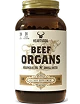
Most people aren’t cooking liver, heart, kidney, spleen, and pancreas every week, so we created Beef Organs to bring all five freeze-dried organs into one convenient serving. You can include that nose-to-tail variety without preparing five separate recipes, and it remains an addition to real meals rather than a replacement for them.
Why Organ Meats Are Sometimes Called “Nature’s Multivitamin”

Liver gets called ‘nature’s multivitamin’ because it concentrates preformed vitamin A, B12, copper, folate, riboflavin, and other nutrients in one food. Heart, kidney, spleen, and pancreas bring different nutrient profiles, so eating more of the animal increases dietary variety.
We cover those nutrients in detail in our liver nutrition guide. We’re talking about the density of real food, not pretending liver contains every nutrient ever put into a supplement bottle.
In Beef Organs, we combine liver, heart, pancreas, spleen, and kidney in one formula. Each organ contributes its own nutritional profile, which is the point of eating more of the animal. We freeze-dry them to make that variety easier to keep up with, especially for anyone who enjoys meat but rarely prepares organs.
Embed video: Why Your Animal-Based Diet Lacks Key Nutrients
Multivitamin or Whole Foods: Which Should You Choose?
For everyday nutrition, eat nutrient-dense foods first, identify genuine gaps, and supplement when there’s a reason. Meat, organs, eggs, seafood, dairy, and fruit bring more to the diet than a list of isolated vitamins.
That doesn’t mean every nutritional challenge can be solved by eating another steak. A true deficiency, a pregnancy-related need, or a problem absorbing nutrients may call for targeted support. Those needs don’t change the role of regular, nutrient-dense meals as the dietary foundation.
Are Multivitamins Worth It? We’d Start With Food
A multivitamin may fill a genuine nutrient gap. But if your regular meals are missing meat, eggs, seafood, and organs, a capsule won’t give you the protein, fats, and other nutrients those foods provide. We’d fix the foundation before shopping for extras.
We believe muscle meat and organs belong together. In Beef Organs, we combine freeze-dried liver, heart, pancreas, spleen, and kidney for people who don’t regularly cook those foods. Targeted vitamins have their place, but we believe real nourishment is built meal by meal, and some of the best parts of the animal shouldn’t be missing from those meals.
Frequently Asked Questions About Multivitamins
Are multivitamins worth it?
They can be worthwhile when they provide nutrients that are consistently missing from your diet. For generally healthy adults, evidence doesn’t establish that taking one routinely prevents major chronic disease or extends life. The best value comes from knowing what nutritional problem you’re trying to solve, rather than expecting a broad formula to cover everything.
Do multivitamins actually work?
Yes, they increase your intake of the vitamins and minerals listed on the label. Whether that produces meaningful benefits depends on which nutrients you need and what outcome you’re measuring. Filling a documented gap is a clearer use than claiming a multivitamin prevents disease for everyone.
Are multivitamins necessary if you eat a healthy diet?
Not automatically. A varied, nutrient-dense diet can provide many of the nutrients that multivitamins contain, along with protein and other food components. Some people still have particular life-stage needs, absorption difficulties, or documented deficiencies, so the decision is more useful when made around a real need.
Are multivitamins a waste of money?
They can be poor value if they’re purchased as nutritional insurance without a specific reason. A product that genuinely helps fill a gap may be worthwhile. Before buying, compare its nutrient content with your diet and consider whether spending that money on more nutrient-dense foods would do more for your overall nourishment.
What is the whole-food alternative to a multivitamin?
A varied diet built around meat, eggs, seafood, fruit, dairy when tolerated, and organ meats provides many vitamins and minerals together with other important components of food. Liver and other organs are especially nutrient-dense. Freeze-dried organ foods are a convenient option when eating fresh organs regularly isn’t practical.
Subscribe to future articles like this:
