
If you tried a bone broth powder and didn’t love the taste, price, or how it mixed, you’re not alone in looking for another option. But before buying the next tub, it’s worth knowing what you wanted from the first one.
Maybe you wanted the collagen-related amino acids found in broth, or maybe you expected a complete protein powder to help with strength training. Those aren’t quite the same goal, which is why switching to another broth powder and switching to whey solve different problems.
Comparing products gets easier when you start with the amino acids and the meals you’re trying to improve. Flavor and cost matter, of course, but they come after you’ve figured out whether the protein itself fits.
At Heart & Soil, we make Animal-Based Protein with whey, collagen, and colostrum because we see a place for both complete protein and connective-tissue amino acids. It’s one option for people who want those ingredients together, although the best alternative still depends on why you were using broth protein in the first place.
Disclaimer: The information in this blog is for educational purposes only. It is not a substitute for professional medical advice. Consult your healthcare provider if you’re seeking medical advice, diagnosis, or treatment. These statements have not been evaluated by the Food and Drug Administration. Our products are not intended to diagnose, treat, cure, or prevent any disease.
Table of Contents
Key Takeaways
When someone says they want a bone broth alternative, the first thing to ask is what they want to keep. Is it the collagen-rich amino acids, a dairy-free animal source, or the convenience of a protein powder? That answer changes which products are worth comparing.
- Paleovalley and Ancient Nutrition are direct bone broth protein options. Both offer products derived from bone broth, although their formulas and flavor choices differ.
- Whey is a stronger choice for muscle-focused nutrition. It provides a complete essential-amino-acid profile and substantial leucine.
- Collagen and bone broth emphasize different amino acids from whey. Glycine, proline, and hydroxyproline are especially prominent.
- Animal-based blends occupy a separate category. A combination of whey and collagen can provide both complete protein and collagen-related amino acids.
- The best choice depends on your goal. Dairy avoidance, muscle maintenance, ingredient simplicity, and collagen intake may call for different products.
First, Decide What You Are Trying to Replace
Maybe the last bone broth powder tasted strange, or maybe you wondered why twenty grams of it didn’t behave like twenty grams of whey. Before you buy another tub, think about what you actually wanted from the first one, because that can save a lot of money and second-guessing.
What Should You Look for in a Bone Broth Protein Alternative?
First decide whether you’re replacing the taste and convenience of broth, its collagen-related amino acids, or the idea of a protein scoop for muscle. Those are different needs. Get that clear and you’ll save yourself a lot of comparing things that never belonged in the same contest.
Once the protein source matches your goal, check grams per serving, dairy content, sodium, ingredients, animal sourcing, and testing. Cost matters too, but a cheap scoop of collagen isn’t necessarily good value if you actually need complete protein to support training.
- Protein source and amino-acid profile
- Protein per serving
- Complete-protein status
- Dairy content
- Ingredient simplicity
- Flavorings and sweeteners
- Sodium
- Animal sourcing
- Quality testing
- Price per serving
Once those features are clear, product comparisons become more useful.
Best Bone Broth Protein Alternatives at a Glance
Here’s the short version. Broth and collagen powders are close relatives, while whey and egg protein are different choices because they supply complete protein. The comparisons below make more sense once you keep that distinction in mind.
| Product or Category | Protein Type | Best Fit | Main Tradeoff |
| Paleovalley Bone Broth Protein | Beef bone broth | True bone broth, dairy avoidance, simple unflavored formula | Modest protein per serving |
| Ancient Nutrition Bone Broth Protein | Bone broth protein | Broth-derived protein with flavor variety | Formula complexity and cost vary |
| Heart & Soil Grass-Fed Whey | Complete whey | Muscle maintenance, strength training | Contains dairy |
| Heart & Soil Animal-Based Protein | Whey, collagen, colostrum | Complete protein plus collagen-related amino acids | Not dairy-free or true bone broth |
| Collagen peptides | Collagen | Glycine- and proline-rich nutrition | Not complete protein |
| Egg-white protein | Complete egg protein | Dairy-free muscle-focused nutrition | Doesn’t replicate bone broth’s collagen profile |
| Beef-derived protein powders | Varies by formulation | Dairy-free animal protein | Amino-acid quality varies substantially |
Use the table to narrow your choices by protein type first. Dairy avoidance rules out both of our whey-containing products, while a muscle-building goal favors a complete protein over a collagen-dominant bone broth powder.
Two Bone Broth Powders, Two Sets of Tradeoffs
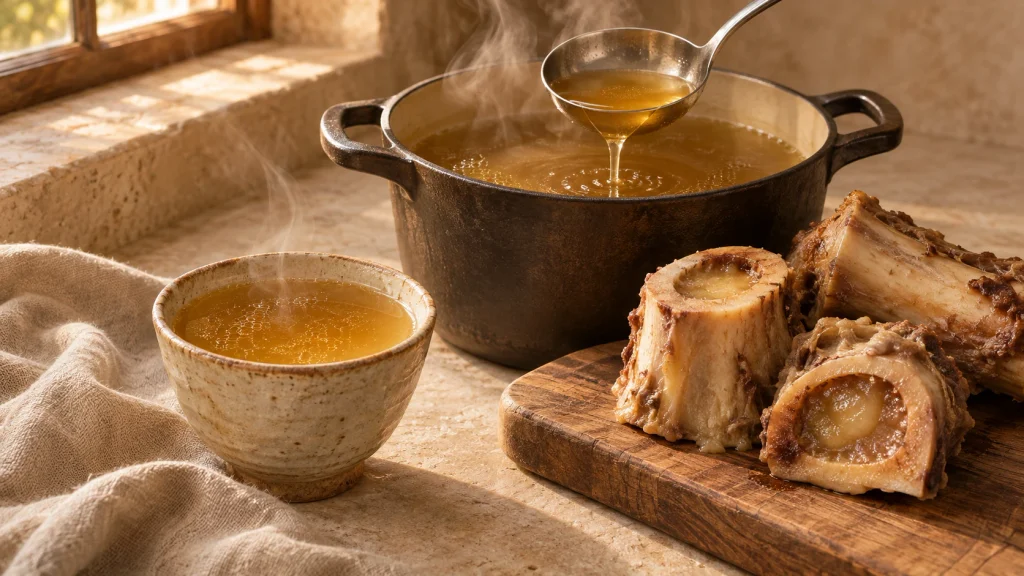
Paleovalley and Ancient Nutrition both make bone-broth-style products, but the details on each label matter more than the shared category. Look at the actual protein source, serving, flavors, and cost. Two tubs can sit on the same shelf without being the same purchase.
Paleovalley 100% Grass Fed Bone Broth Protein
Paleovalley is one of the closest matches when you specifically want beef bone broth rather than another type of animal protein. Its Grass Fed Bone Broth Protein is made from grass-fed and grass-finished beef bones, with an unflavored version presented as a single-ingredient powder.
The October 2026 brief lists roughly 12–13 grams of protein and 60–80 calories in several varieties. That’s less protein than a typical whey serving, so it may take more servings to reach a muscle-focused daily target. Paleovalley’s strength is offering actual broth-derived, dairy-free, collagen-rich protein, which is a different reason to buy it than the complete-protein nutrition in whey.
What Paleovalley Does Well
Paleovalley may appeal to buyers with the following priorities.
- Beef bone broth-derived protein
- Grass-fed and grass-finished sourcing
- Dairy-free nutrition
- An unflavored single-ingredient formula
- Collagen-rich amino acids
Different flavors may contain other ingredients, and sodium content can vary substantially between products. For someone who specifically wants bone broth nutrition, these characteristics make Paleovalley relevant. If your main goal is complete protein for muscle growth, its amino-acid profile is a less direct fit than whey.
Ancient Nutrition Bone Broth Protein
Ancient Nutrition is another actual bone broth protein option, with a larger selection of preparations and flavors than many single-formula competitors. Its Bone Broth Protein collection has included unflavored, chocolate, vanilla, pumpkin spice, and savory varieties, giving buyers options for drinks and recipes without always having to add their own ingredients.
That convenience comes with a reason to read each label separately. Flavoring, sodium, ingredient count, and serving size can differ across the range, even though the underlying protein remains broth-derived and collagen-rich. It suits someone looking for variety within the bone broth category rather than a substitute for complete whey protein.
What Ancient Nutrition Does Well
Ancient Nutrition may be worth considering if the following features matter to you.
- Bone broth-derived protein
- Sweet and savory flavors
- Multiple serving-size options
- A powder suited to different recipes or drinks
- Dairy-free options within the range
The nutritional role remains collagen-rich protein rather than complete whey-like muscle nutrition.
Paleovalley vs. Ancient Nutrition Bone Broth Protein
Both brands sell products in the broth-protein category, but the most useful comparison starts with the ingredient list and nutrition panel. Look at how much actual protein is there, whether the products are flavored, and what you’re paying for the serving. Shared category names don’t make formulas identical.
| Feature | Paleovalley | Ancient Nutrition |
| Main protein | Beef bone broth | Bone broth protein |
| Unflavored option | Yes | Yes |
| Sweet flavors | Yes | Yes |
| Savory options | Yes | Yes |
| Protein per serving | About 12–13 g in several brief-listed variants | Depends on product |
| Serving count | Around 30 in referenced format | Varies by tub |
| Dairy-free options | Yes | Yes |
| Strongest appeal | Sourcing and minimalism | Flavor and format choice |
Neither wins for everyone, because Paleovalley may appeal more if you prioritize minimal ingredients and specific cattle sourcing, whereas Ancient Nutrition may be more convenient when you want flavor choices for drinks or recipes. Check the exact variant before deciding, since ingredients and sodium content can change across a product range.
When “Alternative” Means a Different Animal Protein
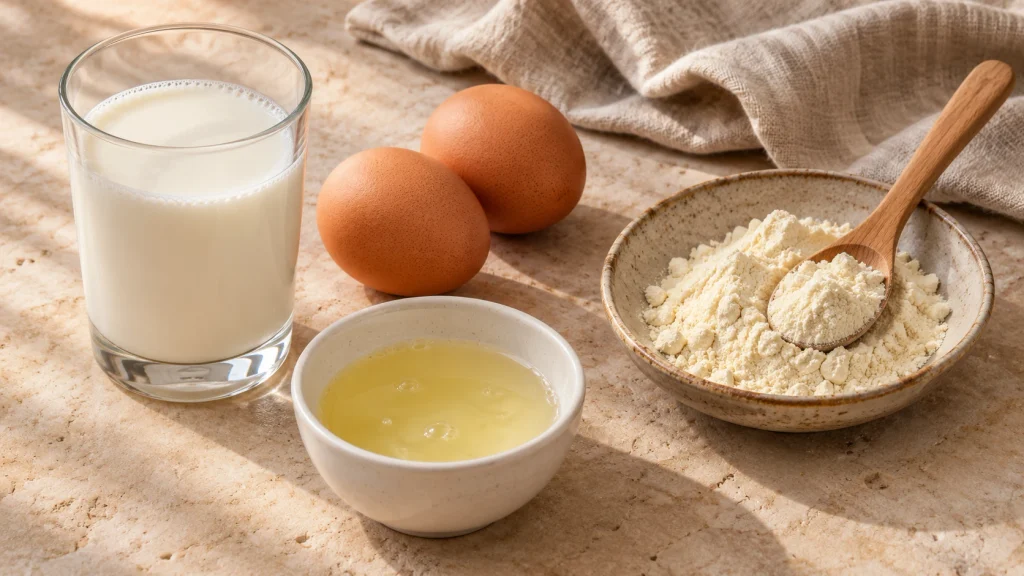
Sometimes a better alternative is a different kind of animal protein altogether, especially when your goal is complete protein for muscle nutrition. Whey or egg may meet that need more directly than another collagen-rich powder, so you’d be changing your approach rather than just the brand.
Heart & Soil Grass-Fed Whey as a Bone Broth Alternative
Our unflavored Grass-Fed Whey is a useful alternative when you began searching for bone broth because you wanted an animal-derived protein for muscle maintenance. Made from grass-fed whey concentrate, it provides all nine essential amino acids, including substantial leucine, in a simple formula.
That makes it a stronger fit for resistance training than collagen-dominant bone broth protein, but it’s important not to confuse the categories. Whey comes from milk and doesn’t reproduce the collagen-rich profile of broth. If you avoid dairy or specifically want connective-tissue amino acids, a true bone broth or collagen product remains more appropriate.
Heart & Soil Animal-Based Protein as an Alternative
Our Animal-Based Protein combines grass-fed whey, collagen, and colostrum, so it provides complete whey protein along with collagen-derived amino acids in one blend. That can be convenient if you want both types of protein without buying separate products.
It isn’t bone broth, and the whey component means it isn’t dairy-free. For someone who wants actual broth-derived ingredients, Paleovalley or Ancient Nutrition is the closer match. For someone who wants complete protein with collagen included, our blend serves a different nutritional purpose.
Bone Broth Protein vs. Animal-Based Protein
Bone broth protein and an animal-based blend aren’t automatically substitutes. One often emphasizes collagen-related amino acids, while a blend containing whey can bring more complete protein to the serving. Compare the actual ingredients before deciding that animal-based means the same thing in every tub.
| Feature | Bone Broth Protein | Whey-Collagen Animal-Based Blend |
| True bone broth | Yes | No |
| Complete-protein component | Usually absent | Present through whey |
| Collagen-rich amino acids | Yes | Present through collagen |
| Leucine | Generally lower | Higher through whey |
| Muscle-focused nutrition | Weaker primary choice | Stronger fit |
| Dairy-free | Usually | No |
| Best use | Collagen-rich protein | Complete protein plus collagen |
If your main goal is complete protein alongside collagen-rich amino acids, our Animal-Based Protein may be more relevant. If you’re specifically seeking a broth-derived powder without milk ingredients, a true bone broth product remains the more suitable category.

Is Collagen Powder a Good Bone Broth Protein Alternative?
If you wanted collagen-related amino acids, collagen powder is a sensible alternative to broth powder. It’s concentrated for a different format, so look at the ingredients and serving rather than assuming identical results from every product. If you’re after complete protein, though, you’re asking a different question.
Is Whey a Good Bone Broth Protein Alternative?
Yes, whey is a strong alternative when your real goal is complete protein for muscle nutrition. It supplies all nine essential amino acids, including leucine. The tradeoff is that you’re no longer choosing a collagen-rich broth product, which may be perfectly fine once you know what you want.
The tradeoff is that whey contains dairy and doesn’t have the same glycine- and proline-rich profile as bone broth. Choose it when complete protein is the priority, not when you specifically need a dairy-free or broth-derived powder.
What About Beef Protein Isolate?
Beef protein isolate can sound like meat in powdered form, but that’s not always what the amino acids reveal. Some formulas rely heavily on collagen-related material, so ask to see the protein profile. A picture of a cow isn’t enough to judge a powder’s amino acids.
If you’re replacing bone broth because you want more complete protein, check the published amino-acid information rather than the picture of a steak on the label. Some beef powders may suit that goal, while others are much closer to collagen supplements.
What About Egg-White Protein?
Egg-white protein is worth considering if you want complete animal protein without dairy. It’s familiar food in a different format, even though it has a different amino-acid profile from bone broth. For someone with a milk allergy who wants a muscle-focused powder, that difference can be especially useful.
For someone avoiding dairy while prioritizing muscle, egg-white protein is often a more direct choice than collagen-heavy bone broth powder.
Choose by the Job You Want the Protein to Do
It’s easy to compare powders by what the front says and the price per scoop. A better comparison starts with what you want the scoop to do. You can’t evaluate a collagen-rich powder and a complete protein using only total protein grams.
Which Option Is Best for Muscle?
For muscle nutrition, we’d start with whey or another complete protein that supplies useful leucine. Bone broth and collagen have different strengths, but they aren’t the most direct replacement for a complete-protein serving. A simple question about your goal can make this decision much easier.
Our Grass-Fed Whey therefore belongs in this comparison because of what it does, not because it resembles broth. Egg-white protein provides a dairy-free complete alternative, whereas bone broth can be kept for its separate collagen-rich contribution.
Which Option Is Best for Joints and Connective Tissue?
For someone interested in collagen-related amino acids, broth or collagen powders may be more relevant than whey. That isn’t a promise about joint outcomes, since studies depend on the product and what was actually measured. It just means you’re comparing ingredients that bring different things to your diet.
However, research involving specific collagen preparations shouldn’t automatically be used as evidence for every generic bone broth powder. When joint comfort is the goal, look for the exact preparation studied and whether the finished product resembles that formulation.
Which Option Is Best for Dairy-Free Users?
If you avoid dairy, egg protein can supply complete protein without milk, while broth and collagen powders have their own amino-acid profiles. Still, you’d want to check the finished product for milk ingredients and other allergens, since animal-based doesn’t automatically mean dairy-free.
Our Grass-Fed Whey and Animal-Based Protein both contain whey, so neither is suitable for someone who must avoid milk proteins. If you need dairy-free complete protein for muscle, egg-white protein is often a more direct option than collagen-rich bone broth.
Which Has the Fewest Ingredients?
You can find one-ingredient powders in several categories, but that simplicity doesn’t make whey, egg white, and collagen nutritionally identical. Once you’ve checked what’s in the bag, the protein source still matters because the amino acids are different.
What a Price per Scoop Does Not Tell You
The lowest-priced powder may still cost more per gram of the protein you actually need. A serving price only tells part of the story, so compare it with the grams and types of amino acids you’re getting. That’s how to spot real value.
Bone Broth Protein Alternative Price Comparison
A low price per scoop feels good until you realize you’re comparing different kinds of protein. Look at what a serving actually supplies before deciding which tub is the bargain. You’re paying for nourishment, not for the number of times you can open the container.
| Product | Brief-Listed One-Time Price | Servings | Approximate Cost per Serving |
| Paleovalley Bone Broth Protein | $59.99 | 30 | $2.00 |
| Ancient Nutrition Bone Broth Protein | $52.95 | 20 | $2.65 |
| Ancient Nutrition larger tub | $89.95 | 40 | $2.25 |
| Heart & Soil Grass-Fed Whey | $68.00 | 30 | $2.27 |
| Heart & Soil Animal-Based Protein | $82.00 | 30 | $2.73 |
Pricing snapshot: October 2026 brief. Confirm current prices, serving counts, and product variants before publication. Price per scoop only tells part of the story when two products deliver different amounts and types of protein. A serving with 12 grams of collagen-rich protein and one with 25 grams of whey shouldn’t be judged on scoop price alone. For muscle-focused use, compare the cost per gram of complete protein as well.
How to Choose the Best Bone Broth Protein Alternative
The easiest way to choose is to be clear about what you’re trying to replace. If you want the same broth-style ingredients, compare bone broth powders on their sourcing and amino-acid profiles. If you need complete protein for muscle, whey or egg is usually the more relevant comparison, while collagen-focused options make more sense when those particular amino acids are what you value.
If the priority is complete protein for muscle and dairy is acceptable, our whey is the stronger nutritional match. Our Animal-Based Protein may be useful if you want a blend of whey and collagen, while plain collagen peptides can supply collagen-related amino acids if your meals already provide enough complete protein. Egg-white protein is a particularly useful alternative when dairy-free muscle nutrition is the goal.
Best Bone Broth Protein Alternatives: The Heart & Soil Perspective
If you want broth, compare broth powders on their own terms. If you want complete protein, start with whey or egg. And if you like the idea of eating more of the animal, there’s room for both without pretending they do the same job.
Our Grass-Fed Whey supplies the complete essential-amino-acid profile, while our Animal-Based Protein combines whey, collagen, and colostrum. We wouldn’t call either product bone broth, because identifying the actual source is part of making an informed comparison.
If your priority is complete protein, explore our Grass-Fed Whey. If you’d like whey with collagen already included, consider our Animal-Based Protein.
Frequently Asked Questions About Bone Broth Protein Alternatives
What Is the Best Alternative to Bone Broth Protein?
The best alternative depends on why you want bone broth protein. For a direct bone broth product, Paleovalley and Ancient Nutrition are relevant options. For muscle-focused nutrition, whey or egg-white protein provides a stronger complete essential-amino-acid profile. For collagen-related amino acids, plain collagen peptides may be a simpler choice.
Is Paleovalley Bone Broth Protein Good?
Paleovalley offers true beef bone broth protein with grass-fed and grass-finished sourcing. Its unflavored formula is presented as a single-ingredient product, while other flavors contain additional ingredients. Several variants listed in the October 2026 brief provide approximately 12–13 grams of protein per serving. It’s better suited to collagen-rich nutrition than maximizing complete protein for muscle.
Is Ancient Nutrition Bone Broth Protein Good?
Ancient Nutrition offers bone broth protein in several plain, sweet, and savory formulations. That variety may appeal to people who want more flexibility than an unflavored powder provides. Ingredient lists, sodium, serving counts, and prices vary across products. Its bone broth protein remains nutritionally different from complete whey protein when muscle-building is the main goal.
Is Whey Better Than Bone Broth Protein?
For muscle protein synthesis, whey is generally better because it supplies all nine essential amino acids and substantially more leucine. Bone broth protein provides more glycine and proline associated with collagen-rich tissues. Whey also contains dairy, so it isn’t appropriate for everyone. The better choice depends on nutritional priorities and tolerance.
Is Heart & Soil Protein Bone Broth Protein?
No, because our Grass-Fed Whey contains whey protein concentrate, while our Animal-Based Protein combines whey, collagen, and colostrum. Neither is bone broth protein. They’re alternatives for people whose actual goal is complete animal protein or a whey-collagen blend rather than a powder derived from bone broth.
Which Bone Broth Protein Has the Fewest Ingredients?
Paleovalley’s unflavored Bone Broth Protein is described as a single-ingredient product. Our unflavored Grass-Fed Whey also contains one protein ingredient, although it isn’t bone broth. Ingredient count should be considered alongside the protein source, since a simple bone broth formula and a simple whey formula deliver different amino-acid profiles.
Is Bone Broth Protein Better Than Collagen Peptides?
Neither is universally better, since bone broth protein comes from a broth preparation while collagen peptides come from more specifically extracted and processed collagen. Both can provide substantial glycine and proline, but the finished composition depends on the formulation. Their actual amino-acid profiles and other characteristics depend on manufacturing, ingredient sources, and product formulation.
Is Bone Broth Protein Good for Muscle?
Bone broth protein contributes amino acids, but collagen-dominant products generally supply less leucine and fewer essential amino acids than whey or egg protein. That makes them weaker primary choices for maximizing muscle protein synthesis. Bone broth can still complement a diet already containing adequate complete protein.
Subscribe to future articles like this:
