
Medical Disclaimer: This article is for informational purposes only and does not constitute medical advice. Consult a qualified healthcare provider before making changes to your diet, especially if you have an existing health condition.
Your ancestors did not waste a kill. They ate the muscle, the fat, the liver, and yes, the stomach.
They understood something that modern food culture has spent decades trying to forget: the parts that look the most unfamiliar are often the most nourishing.
Tripe sat at the center of traditional diets across every continent for thousands of years. Then processed foods and fear of “weird” foods pushed it off the table.
That was a mistake! If you’re serious about optimal nutrition, tripe belongs on your plate.
Key Takeaways
- What is tripe? Tripe is the edible stomach lining of a ruminant animal, most commonly beef (cow), but also lamb, pork, and goat.
- Tripe is a whole-food organ meat that delivers a concentrated dose of protein, collagen, zinc, selenium, B vitamins, and more (1).
- Green tripe, the unprocessed version from grass-fed ruminants, also contains digestive enzymes and probiotics. It is one of the most nutrient-dense, ancestrally eaten foods available.
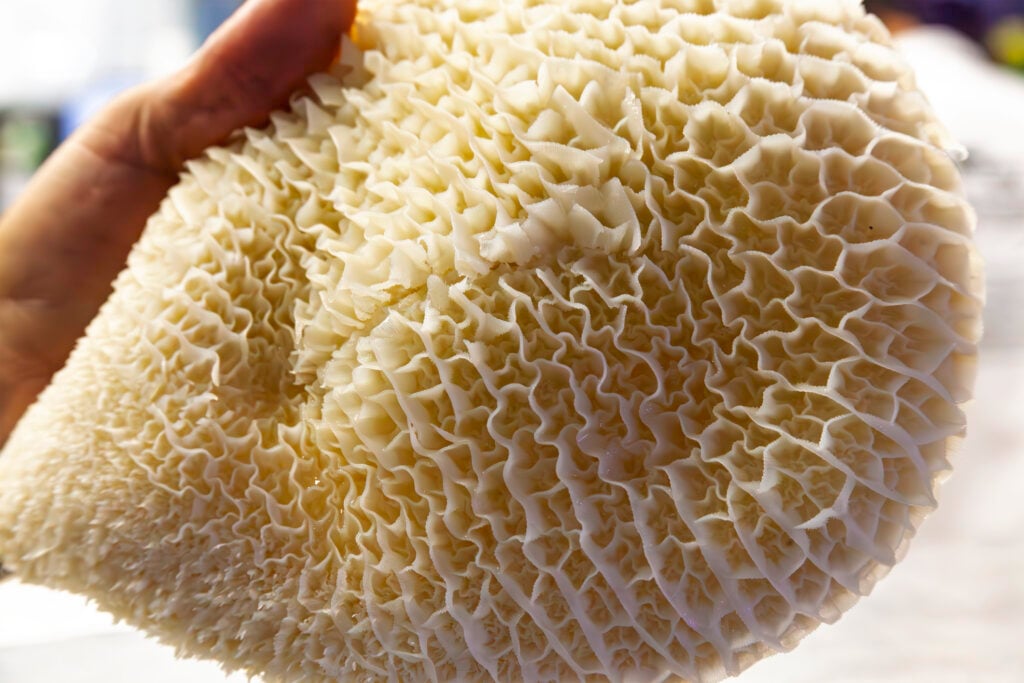
Table of Contents
What Is Tripe? Definition and Types
Tripe (noun): The edible lining of the stomach of a ruminant animal, consumed as food. Derived from the Old French word tripe, meaning entrails.
Ruminant animals have 4 stomach chambers. Tripe can come from any of them, and each has a distinct texture and appearance:
- Blanket tripe (rumen): From the first and largest stomach chamber. Flat, smooth surface. The most commonly sold variety in grocery stores.
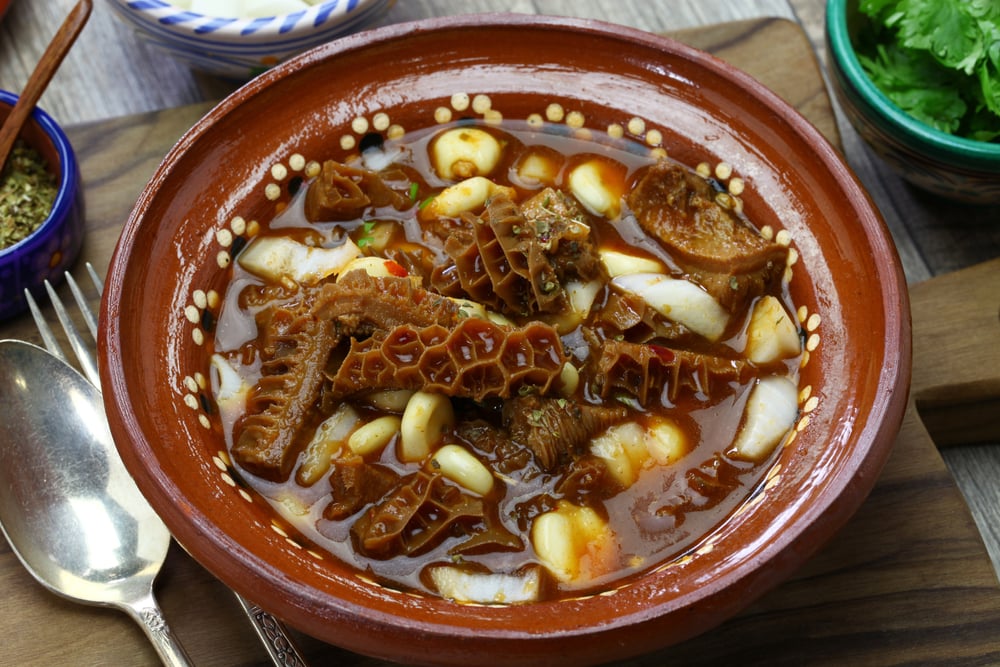
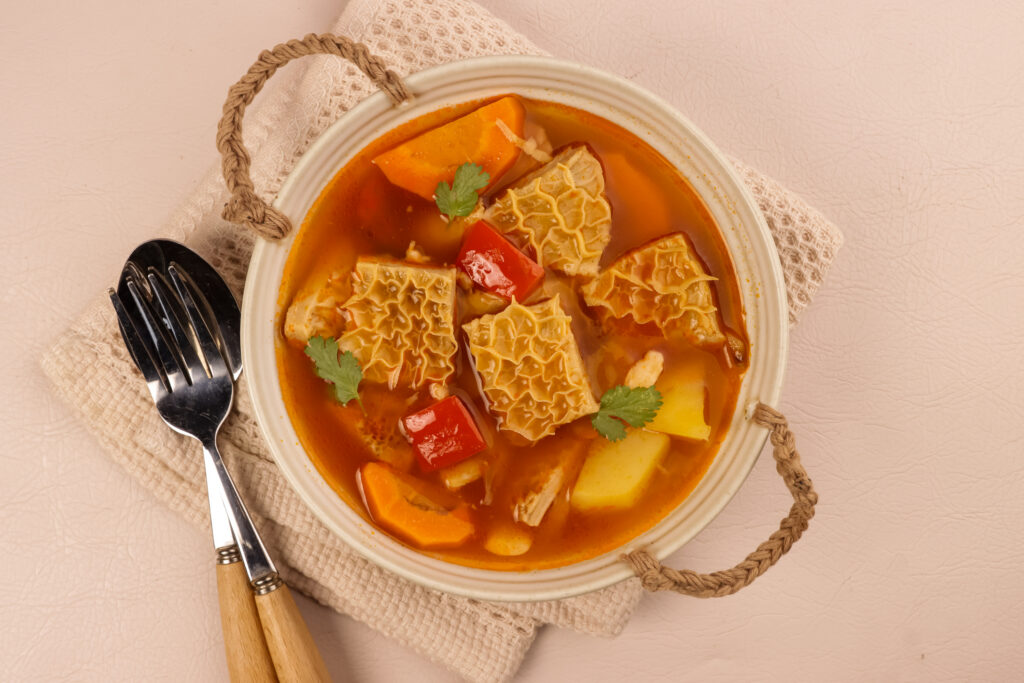
- Honeycomb tripe (reticulum): From the second chamber. Named for its distinctive hexagonal texture. The most popular variety in cooking due to its tender bite and ability to absorb flavors.
- Omasum tripe (bible or book tripe): From the third chamber. Named for its layered, leaf-like folds. Less common but is eaten in many Asian and African culinary traditions.
- Abomasum tripe (reed tripe): From the fourth, true digestive stomach. Softer texture. Less widely sold but consumed in traditional cultures globally.
What Is Green Tripe?
Green tripe is unbleached, unprocessed tripe that still contains the animal’s partially digested stomach contents, digestive enzymes, and naturally occurring probiotics. It gets its name not from its color (it is actually grayish-green or brown), but because it has not been cleaned or treated.
Green tripe is extremely popular as a raw food for dogs, but humans also consume it in traditional cultures and by ancestral-diet communities.
Why Tripe Matters: The Nutritional Case for Stomach Lining
You do not eat tripe for the flavor alone. You eat it because it is one of the most complete, ancestrally validated sources of nutrients available in a single food.
Tripe Nutrition Facts (per 1 oz raw)
- Calories: 96
- Protein: 13.6g (complete amino acid profile)
- Fat: 4.2g (primarily saturated and monounsaturated)
- Collagen/gelatin precursors: High (glycine, proline, hydroxyproline)
- Zinc: 1.6mg (~15% of the daily value)
- Selenium: 14.1mcg (~26% of the daily value)
- Vitamin B12: 1.6mcg
- Iron: 0.67mg
- Calcium: 78m
- (University of Rochester Medical Center)
The Collagen Advantage
Modern diets are heavily skewed toward muscle meat, which means most people consume abundant methionine but very little glycine. This amino acid imbalance may contribute to metabolic dysfunction, and restoring dietary glycine through connective-tissue foods like tripe and bone broth can help rebalance it (2).
Tripe contains high levels of collagen, the most abundant structural protein in the human body (3). You need collagen for joint integrity, gut lining health, skin elasticity, and wound healing.
Tripe and Gut Health
The gastrointestinal tract depends heavily on the structural integrity of collagen and glycosaminoglycans (GAGs) to maintain barrier function (4). Tripe naturally contains both. This is not a supplement. This is food doing what food is supposed to do!
Nourish Your Gut
Grass-Fed Organs for Digestive Wellness
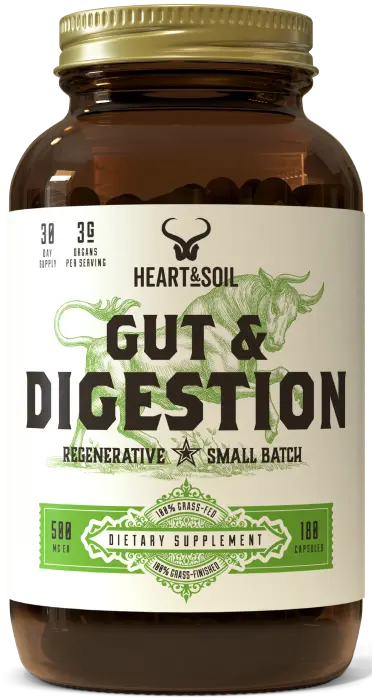
- Tripe (stomach), intestines, pancreas, liver, and spleen
- Supports a healthy gut lining and nutrient breakdown
- Nourishes the immune system
60-day risk-free guarantee. No questions asked.
Tripe Around the World: An Ancestral Food With a Global Resume
Tripe is not a fringe food. It is one of the most universally eaten organ meats in human history.
- Mexico: Menudo, a slow-simmered tripe soup with hominy and red chile broth, is a national dish consumed especially on weekends and at celebrations.
- Italy: Trippa alla Romana (Roman-style tripe braised with tomatoes and mint) and lampredotto (Florentine street food made from the abomasum) are cultural staples.
- France: Tripes à la mode de Caen is a slow-braised Norman tripe dish considered a culinary classic.
- West Africa: Tripe appears in pepper soups and stews across Nigeria, Ghana, and Senegal.
- China and Southeast Asia: Tripe is a staple in dim sum, hot pot, and noodle soups.
- Eastern Europe: Tripe soup (flaczki in Poland, shkembe chorba in Bulgaria) is a traditional comfort food.
- UK: Tripe and onions were a staple working-class dish in northern England well into the 20th century.
This global distribution is not a coincidence. It is evidence. When every traditional culture on earth independently arrives at the same food source, that food source is doing something nutritionally important.
How to Cook Tripe: A Practical Guide for Beginners
Tripe intimidates people because they have never worked with it. Once you understand a few basic principles, it is a straightforward ingredient.
Step 1: Source It
Buy tripe from a butcher or farmer who works with grass-fed, pasture-raised animals when possible. Look for pre-cleaned (white) tripe at Latin, Asian, or Eastern European grocery stores.
Step 2: Clean It
Pre-cleaned commercial tripe still benefits from a brief rinse under cold water. If you have raw tripe, scrub it gently with coarse salt, rinse, blanch briefly in boiling water for 5 minutes, then drain and rinse again. This removes residual odor.
TIP: If you want a cleaner base flavor, boil tripe in plain water for 15–20 minutes, then drain and proceed.
Step 3: Season Boldly
Tripe is a neutral base. It takes on the character of whatever you cook it in. Classic pairings include:
- Beef bone broth, garlic, onion, bay leaf, and herbs
- Tomato, white wine, and olive oil (Italian style)
- Ancho and guajillo chiles, hominy, lime, and oregano (Mexican menudo)
Step 4: Cook It Low and Slow
Tripe is dense connective tissue. It requires low-and-slow cooking to become tender:
- Pressure cooker: Cover with broth or water (at least 2–3 cups); cook 45–60 minutes at high pressure or use “slow cook” setting
- Slow cooker: Submerge in seasoned broth or water; cook 6–8 hours on low
- Stovetop simmer: 2–3 hours in seasoned broth at high pressure
Do not rush this step. Undercooked tripe is chewy and unpleasant. Properly cooked tripe is tender, absorbs surrounding flavors, and has a mild, savory, slightly mineral taste.
What is Tripe Compared to Other Organ Meats?
You already know that liver is the king of organ meats for micronutrient density. But tripe fills a completely different nutritional role.
Beef liver contains more protein, vitamin A, zinc, and vitamin B per 100g than beef tripe. Beef tripe contains more glycine and collagen precursors than beef liver (5).
This is where the ancient principle of like supports like becomes relevant. Traditional cultures ate the whole animal intuitively, and modern nutrition science is beginning to catch up with why. The idea is straightforward: the nutrients concentrated in a specific tissue tend to support that same tissue in your own body. Eat heart for your heart. Eat liver for your liver. Eat tripe for your stomach.
Tripe is loaded with the exact amino acids (glycine, glutamine, and proline) that your intestinal lining is built from and depends on for repair. Tripe delivers them in their most concentrated, bioavailable form.
The takeaway: Liver gives you the micronutrient load. Tripe gives you the structural proteins that support your own stomach. On a well-constructed animal-based diet, you want both.
Learn more: Why You Should Be Eating More Liver
Nose-to-Tail Eating Is Not Optional
At Heart & Soil, the belief is simple: the animal offers everything your body needs, and wasting those parts is both a nutritional and a philosophical loss.
Organs like liver, kidney, heart, and tripe contain nutrients that muscle meat simply cannot replicate, such as the collagen matrix in tripe, the B12 load in liver, and the CoQ10 in heart. These are not interchangeable!
Seed oils replaced animal fats in the 20th century. Muscle meat replaced organ meats. Both shifts moved modern diets away from the most nutrient-dense foods that sustained human populations for millennia.
The animal-based movement is a return to that ancestral wisdom, backed by modern nutritional science.
If you are not yet cooking whole tripe, Heart & Soil’s organ-based supplements let you start accessing those benefits immediately.
FAQ: What is Tripe?
Q: What does tripe taste like? A: Properly cleaned and cooked tripe has a mild, savory, slightly mineral flavor. It is much more neutral than liver. The texture, when cooked correctly, is chewy-tender and gelatinous, similar to slow-cooked oxtail.
Q: Is tripe good for you? A: Yes. Tripe is a nutrient-dense whole food that delivers complete protein, collagen precursors, zinc, selenium, B vitamins, and choline.
Q: What is the difference between white tripe and green tripe? A: White tripe has been bleached and cleaned for commercial sale. Green tripe is unprocessed and retains the animal’s digestive enzymes and microbial content. Green tripe is more nutritionally complex but has a stronger odor and is harder to source for human consumption.
Q: Is tripe safe to eat raw? A: Raw tripe carries the same food safety considerations as any raw animal product. It is generally not recommended to eat it raw unless it has been sourced from a verified clean operation and handled with strict food safety protocols. Cooking fully eliminates pathogen risk.
Q: Can you eat tripe on a carnivore diet? A: Yes. Tripe is an ideal carnivore and animal-based food. It is pure animal tissue with no plant matter. It provides nutrients that muscle meat does not, making it a valuable addition to any nose-to-tail carnivore approach.
Q: Where can I buy tripe? A: Look for tripe at Latin grocery stores, Asian markets, Eastern European butchers, or specialty online meat suppliers. Many traditional butchers carry it. If you cannot source it locally, Heart & Soil’s desiccated organ products provide organ nutrition in a convenient, shelf-stable form.
Q: How do I get rid of the smell when cooking tripe? A: Blanch the tripe first in boiling water for 5 minutes, drain, and rinse. Cooking it with aromatics like onion, garlic, bay leaf, and fresh herbs significantly reduces and transforms the odor. The smell during cooking is stronger than the flavor of the finished dish.
Nourish Your Gut
Grass-Fed Organs for Digestive Wellness
- Tripe (stomach), intestines, pancreas, liver, and spleen
- Supports a healthy gut lining and nutrient breakdown
- Nourishes the immune system
60-day risk-free guarantee. No questions asked.
Bottom Line
What is tripe? It is the stomach lining of a ruminant animal. It is also one of the most complete, ancestrally validated, nose-to-tail foods available to you.
Tripe delivers a protein and collagen matrix that muscle meat cannot, fills nutritional gaps that even a well-designed animal-based diet can miss, and connects you to a culinary tradition spanning every continent and every culture that ever raised livestock.
Modern food culture told you tripe was peasant food. Traditional cultures across the globe told you it was medicine. The nutritional science is catching up to what your great-grandmother already knew!
Subscribe to future articles like this:
