
PLEASE NOTE: The information in this blog is for educational purposes only. It is not a substitute for professional medical advice. Consult your healthcare provider if you’re seeking medical advice, diagnosis, or treatment.
Canola oil sits in your salad dressing, your fried food, your mayonnaise, your cookies, and your margarine. It is in your oat milk. It is very likely in something you ate today. And it did not exist before the 1970s (1).
The FDA and major medical institutions call canola oil a heart-healthy cooking oil. But the science behind canola oil dangers tells a more complicated story, one that gets buried under decades of marketing.
This article walks through what canola oil actually is, the canola oil dangers backed by peer-reviewed research, and what to use instead.
Table of Contents
TL;DR: Canola Oil Dangers
Canola oil health dangers are real and documented in peer-reviewed literature, even though canola oil is widely marketed as heart-healthy. The most well-supported concerns include rapid oxidation at high heat, the formation of trans fats and toxic lipid oxidation products (OXLAMs) during frying, and a labeling system that allows hidden trans fat. The role of canola oil in omega-6 to omega-3 imbalance is a legitimate area of scientific inquiry (2), though researchers continue to debate its clinical significance. Canola oil is not inherently poisonous, but the concerns compound with high heat, repeated reuse, and the sheer volume most people consume.
What Is Canola Oil?
Canola oil is a genetically modified version of rapeseed oil, developed in Canada in the 1970s specifically to reduce 2 naturally toxic compounds.
Rapeseed oil is naturally high in erucic acid and glucosinolates, both of which are toxic in high amounts (#). Canola, short for “Canada oil, low acid,” was bred to lower both compounds to safer levels. The name itself is a registered trademark, not a separate plant species.
Canola oil is rich in linoleic acid, monounsaturated fatty acids, and alpha-linolenic acid (ALA), and it has low saturated fat content, which is the basis for its heart-healthy reputation (3).
Canola oil is the third most popular seed oil in the world, behind soybean oil and palm oil, used throughout the United States, Japan, Australia, and Europe (4).
Usage of canola oil increased by 167% in the 13 years after its introduction, driven by its low cost and its health halo (5).

Subscribe to future articles like this:
Are Seed Oils Unhealthy or Healthy?
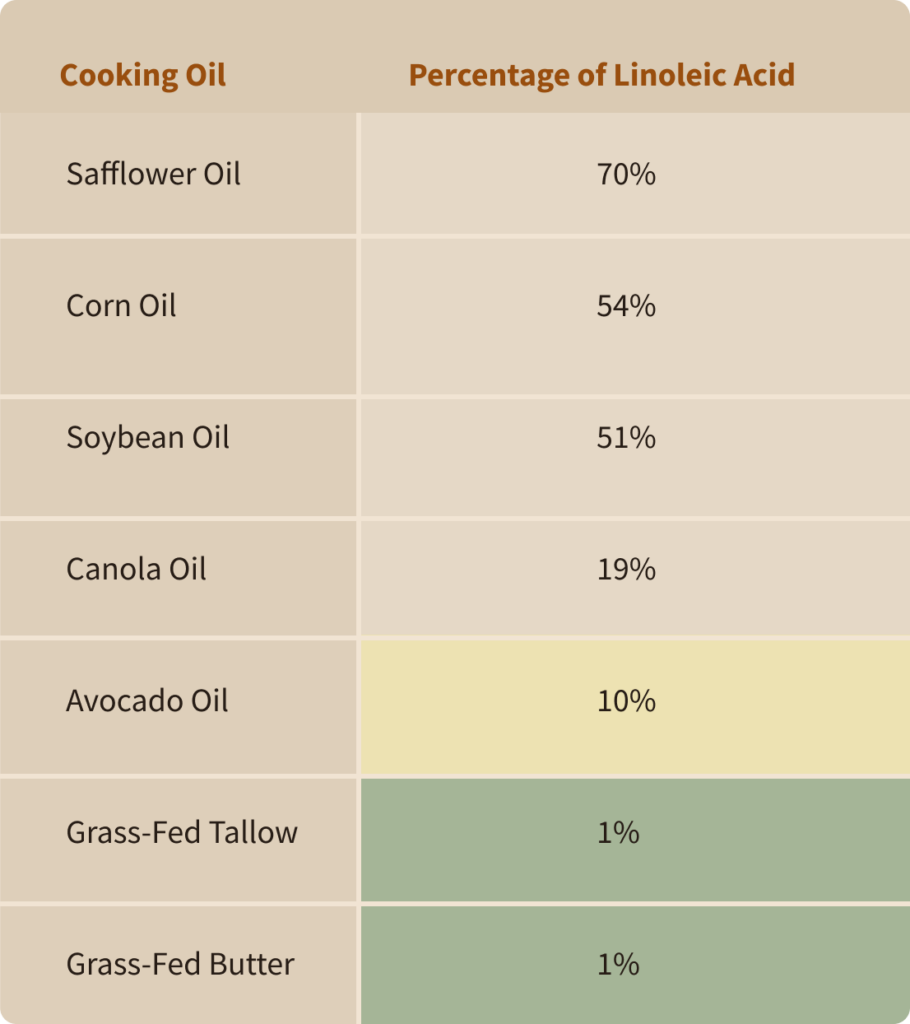
Seed oils are vegetable oils extracted from the seeds of crops, and most of them, including canola oil, are high in linoleic acid, an omega-6 polyunsaturated fat that the modern diet now contains in historically unprecedented amounts.
Major medical institutions have pushed seed oils as a replacement for traditional fats like butter for decades. But a growing body of research has identified a connection between seed oil consumption and chronic disease, though the evidence is mixed and causation has not been established (6).
What the research shows:
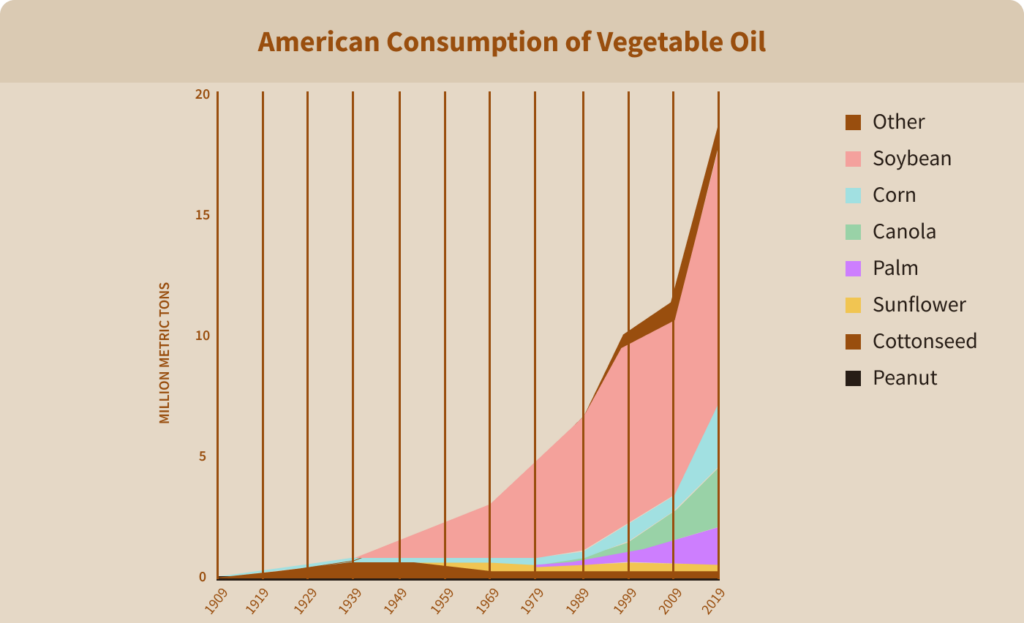
- Seed oil consumption has increased roughly 1,000-fold since 1960, a period that has coincided with rising rates of type 2 diabetes, obesity, and other chronic conditions (7). Researchers caution this is correlational, and many other dietary and lifestyle factors changed during this period.
- Excessive linoleic acid intake may drive the formation of oxidized linoleic acid metabolites (OXLAMs), compounds that have been studied in connection with cancer, Alzheimer’s disease, and cardiovascular disease (8). Whether OXLAMs cause these conditions in humans at normal dietary levels is not yet established.
- Despite massive global consumption, the long-term health impact of seed oils remains poorly understood. Americans now consume an average of 40 grams, about 3 tablespoons, of vegetable oil daily (9).
- High linoleic acid intake from seed oils may reduce the body’s availability of EPA and DHA, the 2 omega-3 fatty acids most associated with cardiovascular and neurological health, though this effect is debated in the literature (10, 11).
The problems do not stop there. Canola oil dangers, in particular, are frequently overlooked, even as the research connecting it to multiple health concerns continues to grow.
Check out: The Complete List Of Seed Oils To Avoid
A Note on the Scientific Debate
It’s worth noting that most large-scale dietary reviews still consider linoleic acid neutral to beneficial for cardiovascular health. We’re also skeptical of the methodology behind many of those reviews: most rely on observational data, self-reported diet, and food-frequency questionnaires, which struggle to isolate linoleic acid from the ultra-processed foods it typically travels with.
The concerns raised in this article are not primarily about linoleic acid in isolation, but about the conditions under which canola oil is actually consumed: high heat, daily volume, and repeated reuse, where the research tells a more complicated story.
Where evidence is strong, we say so. Where it is preliminary, contested, or built on methodology we find weak, we say that too.
What Are the Canola Oil Dangers?
The dangers of canola oil span 6 distinct categories: oxidation, improper high-heat usage, misleading labeling, excessive linoleic acid content, processing chemicals, and genetic modification concerns.
1. Oxidation
Oils high in unsaturated fat, like canola oil, oxidize far more readily than oils high in saturated fat, like butter (12). When oils oxidize, they can produce harmful compounds including aldehydes and free radicals that damage cells, accelerate aging, and are linked to cardiovascular disease and cancer (13).
Oxidation accelerates at high cooking temperatures and even during ordinary storage at room temperature, which shortens shelf life and degrades quality before the bottle is empty (14).
The refining process canola oil undergoes can strip away much of its remaining nutritional value, leaving a finished product that is already partially oxidized before it reaches your kitchen, meaning you may be consuming a damaged oil from the first pour (15).

2. Improper High-Heat Usage
One of the canola oil dangers is related to frying. Frying with canola oil triggers a cascade of chemical reactions that raise legitimate safety concerns (16). Less than 1% of cooking oils like canola are consumed raw; an estimated 80% of usage involves frying (17). One study found 23% of men and 14% of women ate fried food 4 to 6 times per week (18).
Heating canola oil can generate trans fats along with genotoxic and cytotoxic lipid oxidation products, which are compounds that damage DNA, kill healthy cells, and carry documented health risks in the research literature (19).
Restaurants frequently reuse frying oil dozens of times to cut costs. Each round of reheating strips beneficial compounds, generates additional trans fats, produces free radicals, and accelerates lipid oxidation throughout the body, compounding the harm with every use (20, 21).
3. Misleading Labeling
You often cannot determine the actual polyunsaturated fat content of a packaged product containing canola oil without laboratory testing (22). Labels are not required to disclose that figure, which leaves consumers guessing about how much oxidation-prone fat they are actually ingesting.
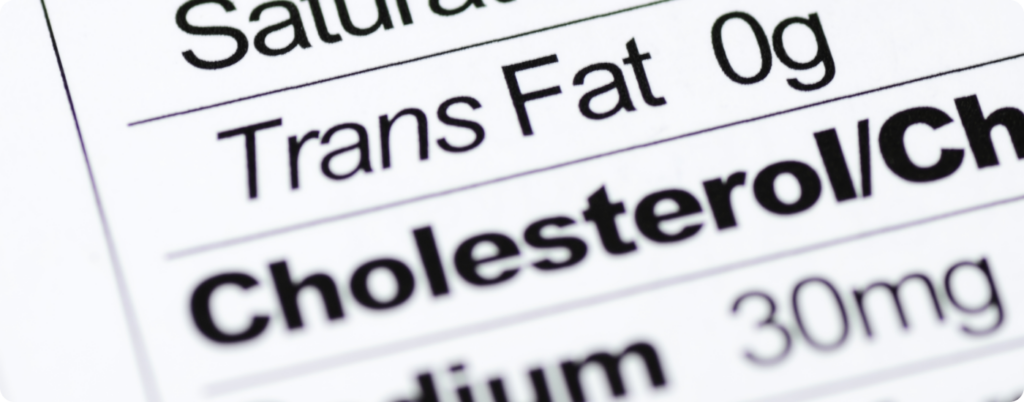
US food labeling law allows a product to claim “0 grams trans fat” as long as a single serving contains less than 0.5 grams (23). Eat multiple servings, or heat the oil further during cooking, and the real trans fat intake climbs well past what the label implies.
This matters because trans fats raise LDL cholesterol, lower HDL cholesterol, promote systemic inflammation, and have been recognized as harmful in the scientific literature for more than 40 years (24). This is one of the most well-established findings in nutrition science.
4. Excessive Linoleic Acid Content
Linoleic acid is not a dietary villain to eliminate. It is an essential fatty acid, meaning your body cannot make it and must get it from food. The issue is not whether you need it. The issue is how much of it you are now getting compared to how much the human diet historically supplied.
Reconstructions of pre-agricultural diets estimate linoleic acid intake at roughly 2% to 4% of total calories (25). Modern intake in the United States runs closer to 5.5% to 6% of calories on average (26). That is not a small shift; it is roughly double the ancestral exposure, sustained across an entire population for decades.
Chronically elevated linoleic acid intake may shift the body toward a pro-inflammatory state, though this remains contested and ongoing clinical trials are working to clarify its role (27).
The average human omega-6 to omega-3 ratio was once close to 1:1; researchers now estimate it at as much as 30:1 (28). Its direct clinical significance is debated.
What is not debated is that the shift has left a measurable mark on human tissue. Adipose tissue linoleic acid in U.S. adults rose from 9.1% in 1959 to 21.5% in 2008, a 136% increase over roughly half a century (29).
This is evidence that this dietary change is accumulating in the body, even if the full health implications are still being studied.
5. Toxic Processing Byproducts
Canola oil is rarely cold-pressed. Most commercial production relies on chemical solvent extraction, typically hexane, followed by high-heat refining, bleaching, and deodorizing to make the oil shelf-stable and flavor-neutral (30).
The high-heat refining process generates oxidation byproducts before the oil ever reaches your kitchen. While refining removes most hexane, trace residues have been detected in commercially sold oils (31). Studies have generally found these levels below regulatory limits, but long-term health effects of low-level chronic exposure remain understudied, and researchers have called for updated toxicology data.
6. Genetic Modification and Crop Concerns
The vast majority of canola grown for oil production is genetically modified to resist herbicides, which means most canola oil traces back to genetically modified crops treated with herbicide formulations during cultivation (32).
The concern that herbicide residues, particularly glyphosate-based formulations, may carry into the finished oil and affect gut microbiome health, hormone function, or cellular processes, is an active area of research (33).
Learn more: Key Differences Between Organic And Conventional Foods
Is Canola Oil Actually Dangerous?
Are canola oil dangers real? In small amounts, used cold, and consumed rarely, canola oil is unlikely to cause acute harm. The real danger comes from how canola oil is actually used in the modern food system: heated repeatedly, consumed in large daily volumes, and embedded in nearly every processed food on the shelf.
How dangerous is canola oil depends entirely on context. A teaspoon of cold-pressed canola oil drizzled on a salad is a different exposure than the same oil heated to frying temperature, reused a dozen times, and consumed several times a week for years.
The research on oxidation, trans fat formation, and OXLAM production is specifically about what happens to canola oil under real-world cooking and storage conditions, not about the molecule in a vacuum.
The honest answer sits in the middle: canola oil is not an acute poison, but the cumulative exposure most people actually experience (high heat, repeated reuse, and daily volume) is where the documented risks become more meaningful.
How Dangerous Is Canola Oil, Compared to Other Fats?
| Fat | Oxidative Stability | Trans Fat Risk When Heated | Omega-6 Content | Processing Method |
|---|---|---|---|---|
| Canola oil | Low (high PUFA) | Significant when fried or reused | High | Solvent-extracted, refined |
| Soybean oil | Low (high PUFA) | Significant when fried or reused | Very high | Solvent-extracted, refined |
| Butter (grass-fed) | High (high saturated fat) | Minimal | Low | Churned, minimal processing |
| Tallow | High (high saturated fat) | Minimal | Low | Rendered, minimal processing |
| Olive oil (extra virgin, unheated) | Moderate (high MUFA) | Minimal when unheated | Low | Cold-pressed |
| Coconut oil | High (high saturated fat) | Minimal | Very low | Cold-pressed or expeller-pressed |
The pattern is consistent: oils and fats higher in saturated fat resist oxidation and trans fat formation far better than seed oils high in polyunsaturated fat (34).
What to Use Instead of Canola Oil
Animal-based fats with high saturated fat content are significantly more heat-stable than canola oil and do not carry the same oxidation and trans fat risk during cooking.
- Grass-fed butter or ghee: Stable at moderate cooking temperatures, naturally rich in fat-soluble vitamins.
- Beef tallow: Highly heat-stable, traditionally used for frying long before seed oils existed.
- Lard: Heat-stable and historically the default cooking fat in most Western kitchens before the 1970s.
- Extra virgin olive oil: A reasonable choice for unheated or low-heat applications like dressings, though less stable than animal fats at high heat.
- Coconut oil: Heat-stable due to its high saturated fat content, suitable for higher-temperature cooking.
Subscribe to future articles like this:
Glossary
Canola oil: A genetically modified, low-erucic-acid variant of rapeseed oil developed in Canada in the 1970s.
Erucic acid: A fatty acid naturally abundant in rapeseed oil that is toxic in high concentrations; canola was bred specifically to reduce it.
Linoleic acid: An omega-6 polyunsaturated fatty acid abundant in most seed oils, including canola oil, consumed today in historically unprecedented quantities.
OXLAMs (oxidized linoleic acid metabolites): Byproducts formed when linoleic acid degrades through oxidation, studied in connection with several chronic disease processes. Whether they cause disease at normal dietary exposure levels in humans remains under investigation.
Oxidation: A chemical degradation process that occurs when unsaturated fats are exposed to heat, light, or oxygen, producing compounds linked to cellular damage.
Polyunsaturated fatty acid (PUFA): A fat molecule with multiple double bonds in its chemical structure, which makes it more chemically reactive and prone to oxidation than saturated fat.
Seed oil: Any vegetable oil extracted from the seeds of a plant, including canola, soybean, corn, sunflower, and safflower oil.
Trans fat: A type of fat formed naturally in small amounts or artificially during high-heat processing, associated with cardiovascular risk in the research literature for more than 4 decades.

FAQ
Is canola oil dangerous? Canola oil is not an acute toxin in small, cold-use amounts, but the dangers of canola oil become meaningful under the conditions most people actually use it: high-heat frying, repeated reuse, and frequent daily consumption across processed foods.
What are canola oil dangers? The most well-supported dangers include rapid oxidation, trans fat formation when heated, and misleading “0 grams trans fat” labeling. Additional concerns, including linoleic acid accumulation, processing byproducts, and GMO herbicide residues, are documented in the literature but vary in the strength of evidence behind them.
How dangerous is canola oil? How dangerous canola oil is depends on use. Cold and occasional use carries minimal documented risk. Repeated high-heat frying and daily consumption across a highly processed diet is where the peer-reviewed evidence on oxidation, OXLAMs, and trans fat formation becomes most relevant.
Is canola oil actually dangerous, or is this overblown? The concerns about oxidation and trans fat formation under heat are well-documented. The linoleic acid and omega-6/omega-3 ratio concerns are real but scientifically contested. Most large dietary reviews do not find LA harmful, and researchers debate whether the ratio itself is the right metric. The honest answer is: some concerns are solid, some are emerging, and the risk depends heavily on how much you consume and how it is prepared.
Is canola oil healthier than butter? Canola oil oxidizes more readily, is less heat-stable, and contributes to a far higher dietary omega-6 to omega-3 ratio than butter does.
Why does the FDA call canola oil heart-healthy? The FDA’s qualified health claim for canola oil is based primarily on its low saturated fat content and its monounsaturated and polyunsaturated fat composition, factors associated with modest cholesterol reduction in some research. The claim does not account for oxidation risk under real cooking conditions or the broader omega-6 to omega-3 imbalance.
Related Reading
- The Ultimate Guide To The Animal-Based Diet
- Are Seed Oils Bad For You? 10 Things You Need to Know
- Is Corn Oil Healthy? 4 Dangers & What To Choose Instead
Bottom Line: Canola Oil Dangers
Canola oil dangers to health are not a fringe theory, but they are not all equally proven either. The concerns around oxidation, trans fat formation under heat, and the labeling loophole are well-documented across peer-reviewed research.
Canola oil’s heart-healthy reputation rests almost entirely on its saturated fat content, while largely ignoring what happens to the oil once it is heated, stored, and consumed at the volume most people now eat it.
The fix requires choosing fats that have been part of the human diet for far longer than canola oil has existed: butter, tallow, lard, and other animal-based fats that hold up to heat instead of breaking down under it.
Heart Health Stack
Nature's Formula for Cardiovascular Strength
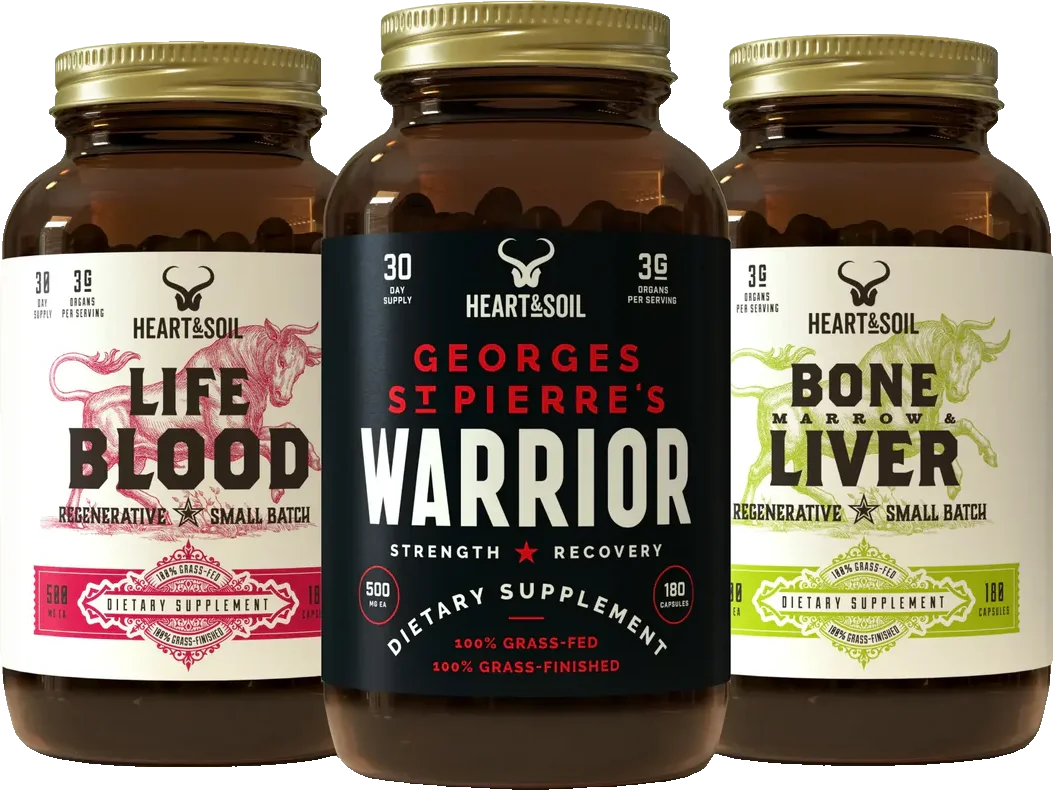
- Warrior, Lifeblood, Bone Marrow & Liver
- Supports vascular integrity, red blood cell formation, energy, and optimal endurance
- Naturally contains CoQ10, B vitamins, iron, and more
60-day risk-free guarantee. No questions asked.
Subscribe to future articles like this:
