
Meat, eggs, fish, and other animal foods can provide enough protein on a carnivore diet without a supplement. Still, a powder can be convenient when you’re traveling, training, or short on time and want an animal-derived source of protein without preparing another meal.
Not every protein powder made from an animal serves the same purpose. Whey and egg-white powders supply complete protein, while collagen and many bone broth products provide more of the amino acids associated with connective tissues. Some beef powders are made largely from collagen-rich hide rather than muscle protein, which changes the essential-amino-acid profile. Dairy powders raise a separate question, since whey and casein are animal-derived but may not fit a carnivore approach that excludes milk.
Our approach at Heart & Soil starts with whole animal foods, while protein powder is a convenient addition when it makes a routine easier. We want you to know what the powder contains and whether its amino-acid profile matches your goal, rather than relying on an animal-based label alone.
Disclaimer: The information in this blog is for educational purposes only. It is not a substitute for professional medical advice. Consult your healthcare provider if you are seeking medical advice, diagnosis, or treatment. These statements have not been evaluated by the Food and Drug Administration. Our products are not intended to diagnose, treat, cure, or prevent any disease.
Table of Contents
Can You Have Protein Powder on a Carnivore Diet?
Yes. Animal-derived powders such as whey, egg, beef protein, collagen, and bone broth protein can fit a carnivore diet when their ingredient lists match the version you follow. Strict animal-only eaters may exclude dairy or plant-derived flavorings, while others include those ingredients. Decide on your ingredient rules first, then choose a powder whose amino-acid profile suits the reason you’re using it.
There isn’t a universally standardized definition of the carnivore diet. Some people eat only meat and animal fat, while others include eggs, dairy, and a wider range of animal-derived foods. A looser animal-based approach may also include fruit and honey, which makes its ingredient rules less restrictive than those of strict carnivore.
If you include dairy, plain whey can fit comfortably into a carnivore routine. Flavored powders containing plant ingredients may not meet stricter animal-only rules, so the full ingredient list matters as much as the protein source.
What Makes a Protein Powder Carnivore-Friendly?
A carnivore-friendly protein powder starts with animal-derived protein and excludes ingredients that conflict with your chosen version of the diet. Whey, egg, beef, collagen, and bone broth qualify by source, but plant sweeteners, gums, and flavorings may matter to strict animal-only eaters. Once the ingredient list passes that test, assess protein quality because a collagen-heavy powder won’t serve muscle-building goals like whey or egg protein.
The rest of the ingredient list determines how the powder fits your specific rules. Someone following strict carnivore may want a single-ingredient product without plant-derived flavors, gums, or sweeteners, while someone following a flexible animal-based approach may accept ingredients such as honey or fruit-derived flavoring.
After checking dietary fit, compare nutritional quality. Collagen-rich powder may satisfy an animal-only ingredient rule while supplying less leucine and fewer essential amino acids than whey. That distinction matters when your main reason for buying a powder is muscle growth.
What Are the Best Types of Carnivore Protein Powder?
For muscle gain, whey and egg-white powders are the strongest general options because they provide complete essential-amino-acid profiles, while collagen and bone broth protein are better suited to complementary collagen-rich nutrition. Beef-derived powders require one extra check: some use muscle-derived proteins, but others are made largely from collagen-rich hide or connective tissue, which contains far less leucine and can lack a complete essential-amino-acid profile. Read the listed source and amino-acid breakdown, especially leucine and total essential amino acids, before assuming a ‘beef protein’ product will perform like steak.
| Protein source | Carnivore fit | Main nutritional strength |
| Whey | Yes if dairy is included | Complete protein, leucine, muscle-focused nutrition |
| Beef-derived protein | Yes | Dairy-free animal protein, variable by formulation |
| Egg white | Yes | Complete dairy-free protein |
| Casein | Yes if dairy is included | Complete dairy protein with slower digestion |
| Collagen peptides | Yes | Glycine, proline, and collagen-related amino acids |
| Bone broth protein | Yes | Collagen-rich nourishment, usually dairy-free |
| Plant proteins | No for strict carnivore | Plant-derived protein, outside strict animal-only rules |
For beef-derived powders, ask whether the protein comes mainly from muscle-derived material or from hydrolyzed connective tissue. The label should disclose leucine and other essential amino acids before you rely on the product for muscle-building. That check is more useful than the word beef alone.
Is Whey Protein Allowed on Carnivore?
Yes, whey is compatible with carnivore eating that includes dairy because it comes from cow’s milk. It also provides complete protein and substantial leucine, making it useful when your aim is muscle maintenance or growth. If you avoid dairy, choose another animal-derived complete protein, but there’s no reason to label whey inappropriate for every carnivore diet.
For people who tolerate milk proteins, whey is an efficient way to add complete protein when a full meal isn’t practical. Our unflavored Grass-Fed Whey uses whey protein concentrate as its single listed ingredient, making it a simple option for readers whose carnivore definition includes dairy.
Whey Concentrate vs Whey Isolate on Carnivore
Whey concentrate and isolate are both complete dairy proteins, but isolate is processed to remove more lactose and fat. Concentrate retains more milk components, which some people prefer, while isolate can be useful for someone who wants a higher protein percentage or has difficulty tolerating lactose. Neither form is automatically nutritionally superior for every person, and milk-protein allergy remains a concern with both.
Whey concentrate usually retains more naturally occurring lactose and milk components. That may appeal to someone who prefers a less filtered dairy protein, although the lactose can matter if they don’t tolerate it well.
Whey isolate is generally more highly filtered, giving it a higher protein percentage and less lactose and fat. This can be useful for some people with lactose intolerance, but it isn’t automatically the better choice for everyone.
Someone with a milk-protein allergy should not assume whey isolate is safe just because it contains less lactose. Lactose is a sugar, while a milk allergy concerns proteins, and these are different issues.
What About Beef Protein Isolate?
Beef protein isolate can provide a dairy-free animal-derived powder, but its value for muscle depends on the tissues and amino acids used to make it. A product based on muscle-derived beef protein can differ substantially from one produced by hydrolyzing hide or other collagen-rich material, since collagen generally contains much less leucine and fewer essential amino acids. Before comparing beef isolate with whey, inspect the actual amino-acid profile and protein source rather than relying on ‘beef’ as a proxy for meat-quality protein.
Is Beef Protein as Good as Whey for Muscle?
Some beef protein preparations can support muscle gain, but whey generally offers a more predictable complete-protein and leucine profile. Studies of beef-derived proteins don’t turn every beef-labeled powder into an equivalent ingredient, especially when some formulations are collagen-heavy. If dairy is tolerated and you want a straightforward muscle-building supplement, whey has stronger support, while a well-characterized beef protein can be considered when avoiding milk.
Whey usually provides a more predictable leucine and essential-amino-acid profile. It also has a substantial research history in muscle protein synthesis, which makes it a practical default when dairy is tolerated.
Is Egg White Protein Carnivore-Friendly?
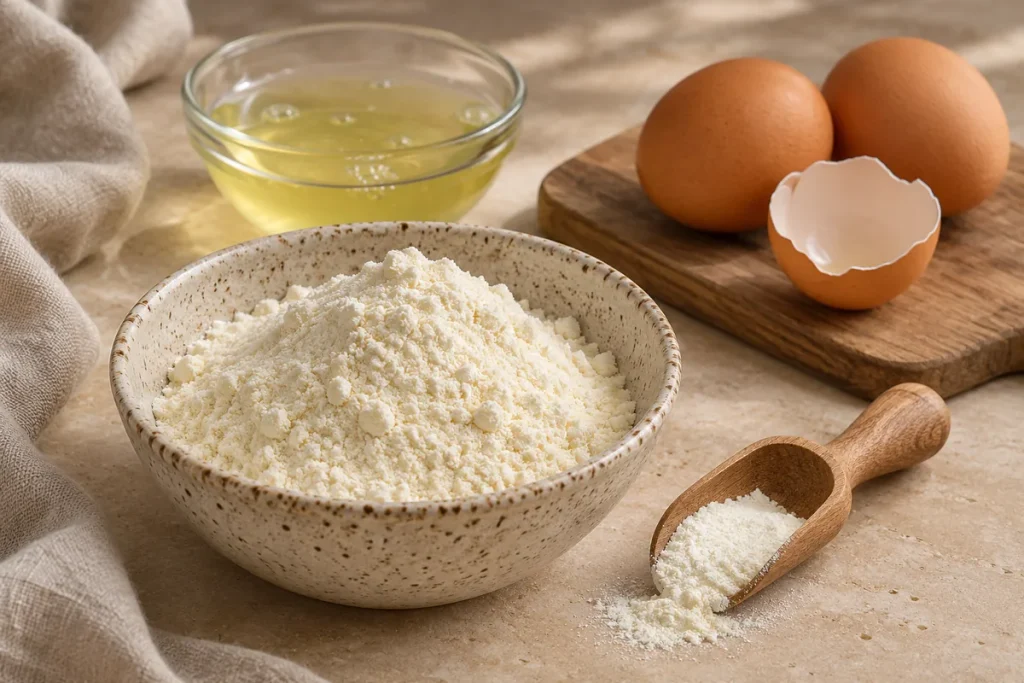
Yes. Egg-white protein is animal-derived, contains all essential amino acids, and can provide a complete dairy-free alternative to whey. That makes it particularly useful for a carnivore eater who avoids milk but wants to support muscle with a clearly defined protein source. Check for added flavors and other ingredients if your diet excludes anything plant-derived, and avoid egg protein if you have an egg allergy.
Is Collagen Protein Carnivore-Friendly?
Yes, collagen is animal-derived and fits most carnivore ingredient rules, but it shouldn’t be your only muscle-focused protein powder. Collagen supplies glycine, proline, and hydroxyproline while containing much less leucine and fewer essential amino acids than whey or egg protein. Use it as a complement to meals rich in complete protein rather than treating equal protein grams as equal support for muscle growth.
Can Bone Broth Protein Fit a Carnivore Diet?
Yes, bone broth protein can fit carnivore eating when it comes from animal tissues and has no ingredients excluded by your approach. It usually contains collagen-derived proteins from bones and connective tissue, making it richer in glycine and proline and lower in leucine than whey. That may be useful for someone seeking dairy-free or nose-to-tail-oriented nutrition, but it’s less suitable as the main powder for muscle gain.
It may appeal to someone who wants dairy-free protein or a convenient way to include collagen-associated amino acids. That doesn’t make it a complete replacement for a high-quality muscle protein, because collagen-rich formulations are usually lower in essential amino acids.
Is Casein Carnivore-Friendly?
Yes, casein fits carnivore approaches that include dairy because it’s a complete milk protein. It generally digests more slowly than whey, which gives people another way to add essential amino acids across the day. Choose it when dairy is acceptable and you prefer that digestion profile, not because every carnivore eater requires a slower protein.
The main difference is digestion speed. Casein generally digests more slowly, while whey produces a relatively rapid rise in circulating amino acids after a serving. Both can help increase complete-protein intake, although the ideal choice depends on meals, preferences, and individual tolerance.
What Protein Powders Don’t Fit Strict Carnivore?
Plant-based protein powders made from pea, soy, rice, hemp, or pumpkin seed don’t fit a strict animal-only carnivore diet. Powders with plant gums, sweeteners, flavorings, or starches may also fall outside someone’s chosen rules even when the main protein is whey or beef. That’s a dietary classification, not evidence that every excluded plant ingredient is toxic.
Someone following strict carnivore may avoid powders with maltodextrin, plant gums, cocoa, seed-derived lecithins, sweeteners, or fruit-derived ingredients. Other people may use a more flexible animal-based definition and find some of those ingredients acceptable.
This is about dietary fit, not a claim that every non-animal ingredient is toxic. You can be clear about what a strict carnivore approach excludes without turning the ingredient list into a moral judgment about every other food.
Are Flavored Protein Shakes Carnivore-Friendly?
Flavored protein shakes may fit a flexible animal-based diet, but many don’t meet a strict animal-only carnivore definition. Cocoa, gums, sweeteners, and plant-derived flavors can appear even when the base protein comes from milk or beef. If strict ingredient purity matters, start with an unflavored single-ingredient powder and read the complete label instead of relying on a ‘carnivore’ claim on the front.
An unflavored powder with a single animal-derived ingredient is usually easier to evaluate. If you’re following a looser animal-based approach, a flavored whey may still fit your dietary preferences, especially when it helps you meet practical protein needs.
Our Grass-Fed Whey and Animal-Based Protein
Our unflavored Grass-Fed Whey and Animal-Based Protein serve different nutritional priorities within an animal-based routine. The whey is a single-ingredient complete dairy protein for readers focused on protein and leucine, while our Animal-Based Protein combines a whey base with colostrum and a collagen-rich cartilage ingredient. We distinguish those formulas because an ingredient blend offers variety, not proof that it contains more muscle-building protein per serving.
Our unflavored Grass-Fed Whey is a single-ingredient whey concentrate from grass-fed dairy. The current product page lists about 24 to 25 grams of protein and 2.5 grams of leucine per serving, and describes it as NSF Certified for Sport®. Those details make it especially relevant when someone prioritizes muscle-focused nutrition and a very short ingredient list.
Our Animal-Based Protein combines whey concentrate, colostrum, and collagen-rich cartilage ingredients. The current product page lists 19 grams of protein and 2 grams of colostrum per serving. We describe the cartilage component separately rather than treating the ingredient amount as an exact quantity of purified collagen.
Whey vs Animal-Based Protein for Carnivore
Choose our Grass-Fed Whey when your priority is a simple complete protein powder with a higher protein amount per serving. Our Animal-Based Protein is a better match when you also want colostrum and cartilage-derived ingredients alongside whey. Both are animal-derived, but their serving amounts, ingredient roles, and sport-certification status need to be judged separately rather than presented as interchangeable versions of the same powder.
| Goal | Grass-Fed Whey | Animal-Based Protein |
| Higher complete protein per serving | More direct fit | Lower total protein per serving |
| Simplest ingredient list | Single-ingredient unflavored whey | Multi-source animal-derived blend |
| Additional colostrum | No | Yes |
| Collagen-rich cartilage ingredient | No | Yes |
| Carnivore with dairy allowed | Yes | Yes, based on current unflavored primary ingredients |
| Sport certification | Product page lists NSF Certified for Sport® | Do not assume the same certification |
What Is the Best Carnivore Protein Powder for Muscle?
Whey is one of the best carnivore-compatible powders for muscle growth when dairy is tolerated because it supplies all essential amino acids and substantial leucine. Those nutrients support muscle protein synthesis in a way collagen-heavy powders cannot match gram for gram. Egg-white protein is a strong dairy-free alternative, while a beef-derived product should be considered only after checking whether it supplies comparable essential amino acids.
Egg-white protein can also provide complete dairy-free protein, while some beef products may be useful when their amino-acid composition is clearly established. Collagen and bone broth protein generally have a weaker essential-amino-acid profile and are less suitable as the only muscle-focused supplement.
For a simple whey option, our unflavored Grass-Fed Whey uses one listed ingredient and provides a clearly stated amount of complete protein per serving. We include it here because its amino-acid profile makes sense for muscle-focused nutrition, while dairy-free readers may prefer egg or a suitable beef-derived powder.
What Is the Best Dairy-Free Carnivore Protein Powder?
Egg-white protein is a strong dairy-free carnivore option for muscle because it provides all essential amino acids without milk ingredients. A beef protein powder can also work if its source and amino-acid profile show that it isn’t primarily collagen, while bone broth and collagen peptides fit better as complementary proteins. Choose based on whether you’re trying to build muscle or add collagen-associated amino acids rather than looking for one universal dairy-free winner.
Bone broth protein and collagen peptides are dairy-free when formulated without milk ingredients, but they usually contribute more collagen-related amino acids and less complete protein. That makes them useful for a different purpose rather than nutritionally superior substitutes for whey.
Which Carnivore Protein Powder Is Easiest to Digest?
There isn’t one easiest-to-digest carnivore protein powder for everyone. Someone with lactose intolerance may tolerate whey isolate better than concentrate because isolate generally contains less lactose, while someone with a milk-protein allergy needs to avoid both. Egg, beef, and bone broth powders remove dairy from the equation when formulated without milk ingredients, but tolerances and other additives still matter.
Egg protein may be suitable for people avoiding dairy, provided they tolerate eggs. Beef and bone broth products can be dairy-free alternatives, although the rest of the ingredient list still matters.
A short ingredient list makes troubleshooting easier because there are fewer potential contributors to discomfort. That is a practical benefit of simple formulas, not a guarantee that any particular protein is universally easier to digest.
Do You Need Protein Powder on Carnivore?
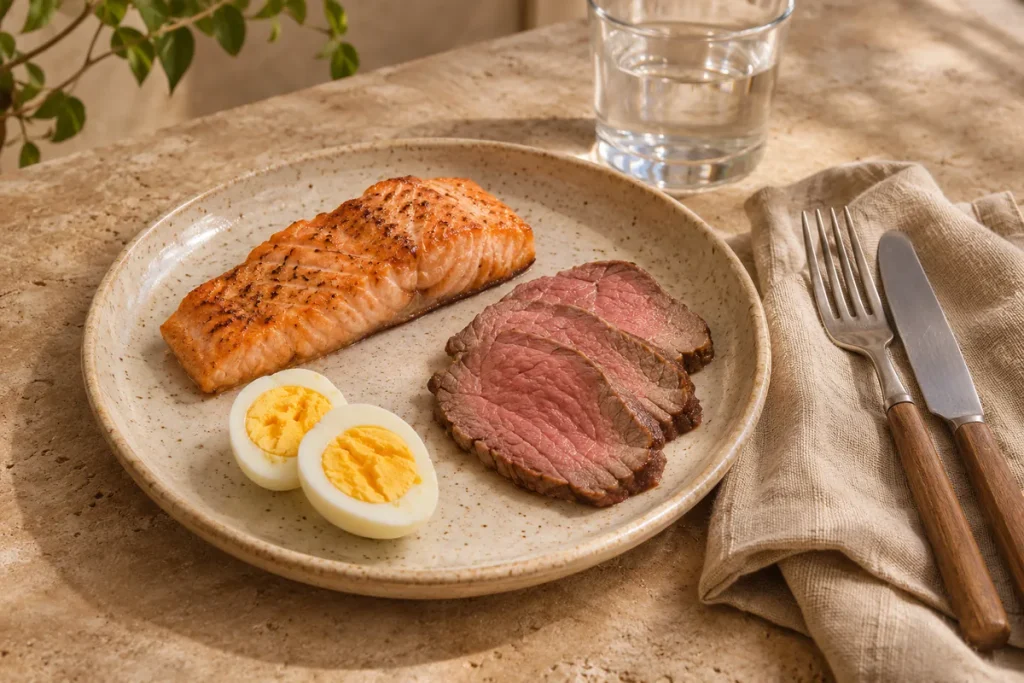
No. Meat, eggs, fish, and dairy where tolerated can supply sufficient protein without powders. A supplement becomes useful when travel, appetite, training, or a busy schedule makes an ordinary meal inconvenient, particularly if you have a defined protein target to meet. Treat the powder as a practical tool rather than a requirement of carnivore eating.
A demanding workday, travel, a busy training schedule, or low appetite may make a powder helpful. On other days, a meal built around animal foods may be just as practical and provide additional nutrients beyond isolated protein.

How Much Protein Do You Need on Carnivore?
The amount of protein you need on carnivore depends on your size, training, age, and overall energy intake, not simply the name of the diet. Research on resistance-trained adults often uses roughly 1.6 grams per kilogram of body weight per day as a useful reference for muscle gain, although individual needs vary. Start with your total food intake and use powder only if there’s a genuine gap to fill.
Does Protein Powder Kick You Out of Ketosis?
No, one serving of protein powder doesn’t automatically end nutritional ketosis. Ketone levels depend on overall carbohydrate intake, the protein-to-fat balance, energy needs, and individual physiology, while carnivore and ketogenic diets aren’t identical. If ketosis matters to your goals, check the full formula for added carbohydrates rather than assuming an animal-derived protein is always carb-free or ketogenic.
Carnivore and ketogenic eating aren’t identical definitions. A person can eat animal foods while consuming different ratios of protein and fat, and those differences can influence nutritional ketosis.
If keeping carbohydrate intake low matters to your routine, check the actual carbohydrate amount per serving and look for added sugar or carbohydrate-based fillers. Don’t assume the word ‘carnivore’ guarantees zero carbohydrate or a particular ketone reading.
What Should You Check on a Carnivore Protein Label?

Check the animal protein source, grams per serving, essential-amino-acid profile, and any added ingredients before choosing a carnivore powder. A serving isn’t always one scoop, and the same protein number can represent complete whey or collagen-heavy protein with very different amounts of leucine. If you compete in tested sport, check certification for the exact product and flavor rather than assuming it applies to every item from a brand.
- Review third-party testing. If you compete in a tested sport, look for certification that applies to the exact product you’re buying, not another formula from the same manufacturer.
Best Carnivore Protein Powder by Goal
For muscle and recovery, whey is a direct choice when you tolerate dairy, while egg-white protein is a useful complete-protein alternative when you don’t. Collagen or bone broth powders suit people seeking more connective-tissue-associated amino acids, and an unflavored single-ingredient product is easiest to evaluate for strict carnivore. Use the table to match the primary goal to the protein’s actual composition, not just its animal-derived marketing.
| Goal | More direct protein choice |
| Muscle gain and recovery | Whey if dairy is tolerated |
| Complete dairy-free protein | Egg white or a characterized beef product |
| Strict animal-only ingredients | Unflavored single-source animal protein |
| Collagen-related amino acids | Collagen peptides or bone broth protein |
| Whey plus other animal components | Animal-based blend with a clearly stated ingredient list |
| Tested sport participation | Exact product with independently verified sport certification |
| Convenience alongside whole animal foods | Whichever product fits the actual gap |
After choosing the goal, compare the actual ingredients and amino-acid profile. An animal-based label can tell you where a protein came from, but it doesn’t establish whether that protein will meet a muscle-building or connective-tissue nutrition goal.
Carnivore Protein Powder: The Bottom Line
Carnivore-compatible protein powders aren’t nutritionally interchangeable simply because they come from animals. Whey and egg provide complete essential-amino-acid profiles suited to muscle goals, while collagen and bone broth contribute more collagen-associated amino acids, and beef powders depend on the actual tissue and processing used. We start with whole animal foods and use powders to fill practical gaps, choosing the ingredient profile that genuinely serves the goal instead of assuming the carnivore label is enough.
For someone who includes dairy and wants a convenient source of leucine-rich protein, whey is a straightforward option. Egg and certain beef proteins may make more sense when avoiding dairy, while collagen can complement rather than replace complete proteins. You don’t need a powder simply because you’re eating carnivore, and a nourishing routine built around whole animal foods should still come first.
If a powder would make your routine easier, our two animal-derived options are a good place to compare ingredients and serving details:
Keep it simple: Explore Unflavored Grass-Fed Whey.
Compare a multi-source option: See Animal-Based Protein.
Frequently Asked Questions About Carnivore Protein Powder
What is the best protein powder for a carnivore diet?
For muscle-building, whey is the strongest default when dairy fits your carnivore approach because it delivers complete protein and substantial leucine. Egg-white protein is a practical dairy-free alternative, while beef-derived powders need a verified amino-acid profile before you treat them as equivalent to muscle-derived protein. Collagen and bone broth products provide different, complementary amino acids rather than a primary muscle-building protein.
Can you have protein powder on a carnivore diet?
Yes, if the powder is animal-derived and its other ingredients fit the version of carnivore you follow. Strict animal-only approaches may exclude plant-derived sweeteners, gums, and flavorings that a looser animal-based diet allows.
Is whey protein allowed on carnivore?
Yes, for carnivore approaches that include dairy. Whey comes from milk and provides complete protein rich in leucine. Someone following a dairy-free definition would choose a different animal-derived source.
Is beef protein powder carnivore-friendly?
Usually, but check the source and amino-acid profile. Some beef-branded powders are based heavily on collagen or gelatin rather than muscle protein, so the product may not be nutritionally comparable to whey.
Is collagen protein carnivore-friendly?
Yes. Collagen is animal-derived, though it contains a different amino-acid profile from complete proteins and shouldn’t replace whey, meat, or eggs as the main protein source for muscle growth.
What is the best dairy-free carnivore protein?
Egg-white protein is a practical complete-protein option, and a quality beef protein may also work when its amino-acid composition is clear. Bone broth and collagen products can add connective-tissue-oriented amino acids instead.
Are flavored protein shakes carnivore-friendly?
It depends on the ingredients and how strict the diet is. Cocoa, gums, sweeteners, and plant-derived flavors may be acceptable for a flexible animal-based approach but not for strict carnivore.
Do you need protein powder on carnivore?
No. Whole animal foods can provide enough protein, and a powder is mainly a convenience option. Choose one if it makes your nutrition easier, not because the diet itself requires supplementation.
Subscribe to future articles like this:
