
Your body has a built-in antihistamine system. It is called DAO. Here is how it works and why modern diets have broken it.
Everyone knows about histamine. It is the molecule that causes the sneezing, itching, congestion, and watery eyes that define seasonal allergies. What most people do not know is that your body has a dedicated enzyme whose entire job is to break histamine down and clear it from your system.
That enzyme is called diamine oxidase, or DAO. And for most people dealing with seasonal allergies, it is not working at full capacity.

What DAO Does
DAO (diamine oxidase) is the primary enzyme responsible for breaking down extracellular histamine. When mast cells release histamine during an allergic response, DAO is supposed to metabolize it before it accumulates and causes prolonged symptoms.
Think of it like a drain in a bathtub. Histamine is the water flowing in. DAO is the drain. When the drain is clear and working, the water level stays manageable even when the faucet is running. When the drain is clogged or too small, the tub overflows.
For people with seasonal allergies, the faucet is running full blast (mast cells are degranulating, histamine is pouring out) and the drain is partially clogged (DAO activity is low). The result is histamine accumulation that persists long after the initial allergen exposure.
Where DAO Comes From
DAO is produced in several tissues throughout the body, including the intestinal lining and the placenta. But the highest known concentration of DAO is found in the kidneys.
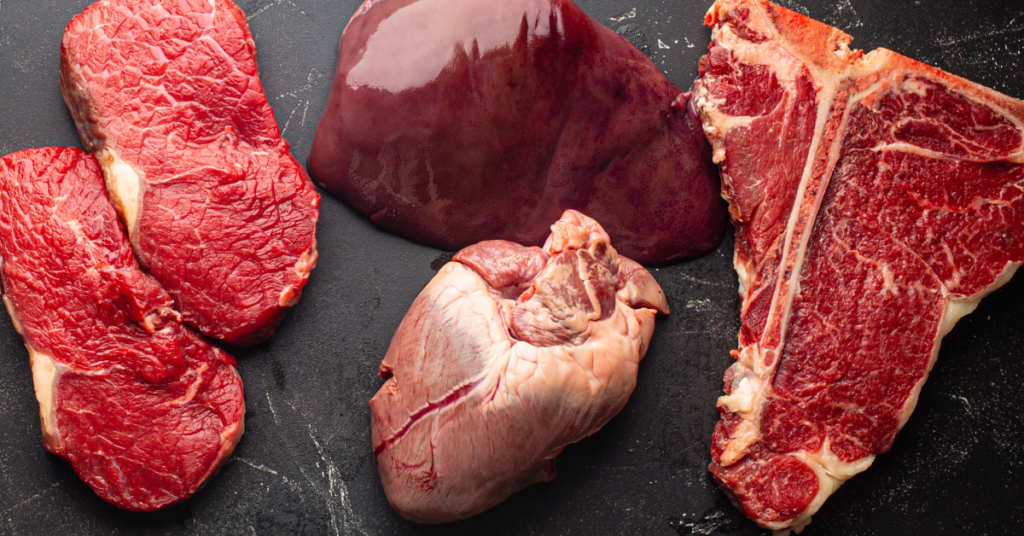
This is a critical detail. For most of human history, kidney was a regular part of the diet. Virtually every traditional culture consumed organ meats including kidney. Today, kidney has been almost entirely eliminated from the modern Western diet. We have removed our richest dietary source of the enzyme that clears histamine.
What DAO Needs to Function
DAO is not a standalone system. It requires specific cofactors to work:
Copper. An essential cofactor for DAO enzyme activity. Liver is the richest dietary source of copper.
Vitamin B6. Required for DAO synthesis and function. Found in organ meats, fish, and poultry.
When copper and B6 are low, DAO cannot function properly even if the enzyme itself is present. This is why simply “having DAO” is not enough. You need the cofactors too.
FREE DOWNLOAD
Your Seasonal Allergy Action Plan
The foods, nutrients, and lifestyle steps to start building a stronger foundation before pollen season peaks. One printable page. Zero guesswork.
The Double Burden
Modern life creates a two-sided problem:
Histamine production is up. Th2 immune dominance means more IgE, more mast cell activation, and more histamine release. Unstable mast cells (from low magnesium, low vitamin D, and seed-oil-loaded membranes) degranulate more frequently. More on what drives this pattern.
Histamine clearance is down. Kidney has disappeared from the diet. DAO cofactors (copper, B6) are chronically low. And dietary histamine from aged cheeses, wine, fermented meats, and leftovers adds to the total load the system has to clear.
Antihistamines block one receptor type. They do not reduce production. They do not increase clearance. They do not address the double burden at all.
To visualize this: imagine a seesaw. On one side is everything that produces histamine (mast cell degranulation, Th2 skew, dietary histamine, unstable mast cells, stress). On the other side is everything that clears it (DAO, copper, B6). For most people with seasonal allergies, the production side is slammed to the ground and the clearance side is floating in the air. An antihistamine does not rebalance this seesaw. It puts a small cushion under the production side. The imbalance remains.
Mast Cell Stability: The Other Half of the Equation
Supporting DAO is critical for clearing histamine after it is released. But reducing how much histamine gets released in the first place is equally important. That is where mast cell stability comes in.
Mast cells are not supposed to fire at every provocation. In a healthy system, they are stable and only degranulate when a genuine threat is present. Several factors determine how stable your mast cells are:
Vitamin D. Mast cells have vitamin D receptors. When vitamin D levels are low, mast cells become more likely to degranulate randomly, even without an allergen trigger. This is one reason allergy symptoms can seem unpredictable. Your mast cells may be firing even when pollen counts are low simply because they lack the vitamin D signal that keeps them stable.
Magnesium. Magnesium controls the calcium gate on mast cells. Calcium flowing into the cell is what triggers degranulation. Magnesium maintains the electrical gradient that keeps that gate closed. When magnesium is depleted (by stress, alcohol, poor sleep, and sweating), the gate opens more easily and mast cells fire with less provocation. Magnesium deficiency is widespread and often undiagnosed because serum magnesium tests do not reflect intracellular levels.
Zinc. Zinc contributes to cell membrane stability across all cell types, including mast cells. It also supports tight junction function in epithelial barriers, so zinc deficiency hits the allergy problem from two directions: less stable mast cells and weaker barriers.
Cell membrane fatty acid composition. This is where seed oils do their damage. Seed oils load mast cell membranes with arachidonic acid, an omega-6 fatty acid. When an arachidonic acid-rich mast cell degranulates, it produces more prostaglandins and leukotrienes, amplifying the inflammatory response. Omega-3 fatty acids from fish, on the other hand, produce less inflammatory mediators upon degranulation. The ratio of omega-6 to omega-3 in your cell membranes directly determines how aggressively your mast cells respond when triggered.
The takeaway: histamine is not just a clearance problem. It is a production and clearance problem simultaneously. Addressing both sides (stabilizing mast cells to reduce production AND supporting DAO to increase clearance) is what shifts the equation. The dietary changes that affect both sides.
How to Support Your DAO System
Eat kidney. Whether as whole food or through a supplement like Histamine & Immune, kidney provides DAO itself along with its cofactors. This is one of the most direct ways to nutritionally support your histamine clearance system.
Get enough copper. Liver is the richest source. Oysters, dark chocolate, and nuts also contribute.
Get enough B6. Organ meats, fish, poultry, and potatoes.
Reduce dietary histamine during flares. Aged cheeses, wine, beer, fermented meats, vinegar-based condiments, and leftovers. Reducing the incoming load gives your DAO system room to keep up. Full food guide here.
Support mast cell stability. Reducing histamine production on the front end (through vitamin D, magnesium, zinc, and omega-3s) means less work for DAO on the back end.
Daily Nourishment for Seasonal Wellness
Strategic Immune Support
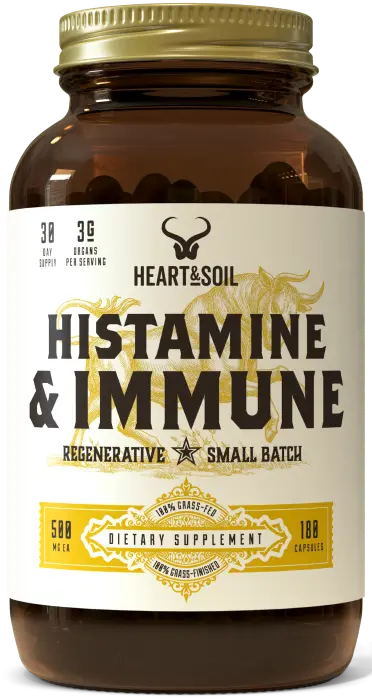
- Grass-fed thymus, lung, spleen, liver, and kidney
- Contains diamine oxidase (DAO) to aid histamine metabolism
- Helps your body respond naturally and stay resilient
60-day risk-free guarantee. No questions asked.
For the complete picture: Read the Ultimate Guide to Seasonal Allergies
These statements have not been evaluated by the Food and Drug Administration. These products are not intended to diagnose, treat, cure, or prevent any disease.
Subscribe to future articles like this:
