

Start now. Not after the sneezing starts. Here is the 4-to-6 week protocol for building a stronger foundation.
Most people wait until they are already miserable to do something about seasonal allergies. By then, the allergic cascade is fully active. Mast cells are degranulating. Histamine is accumulating. The late phase inflammatory response is compounding day after day. Trying to address the root causes at that point is like trying to reinforce a dam while the water is already pouring over.
If you want to know how to prepare your immune system for allergy season in a way that actually shifts the equation, the answer starts with timing.

The 4 to 6 Week Priming Window
The nutritional and lifestyle strategies that influence allergic response are not instant. They require consistent input over weeks to build:
DAO cofactors (copper, B6) need time to accumulate and support increased enzyme activity. You cannot eat kidney once and expect your histamine clearance to improve overnight.
Barrier nutrients (retinol, zinc) need sustained intake to strengthen tight junctions in the gut, nasal passages, and airways. Epithelial cells turn over on a cycle, and each new generation benefits from adequate nutrient availability during formation.
Immune balance shifts gradually. Treg cell differentiation, Th1/Th2 rebalancing, and microbial diversity changes happen over weeks, not days.
Gut barrier support takes time. Colostrum, bone broth, and the removal of barrier-damaging foods create conditions that support the gut epithelium, but consistent nutritive support over weeks is what makes the difference.
If your symptoms typically start in April, begin in late February or early March. If they start in September (fall ragweed), begin in late July. Mark it on your calendar and treat it like a seasonal practice.
The Protocol: What to Do During the Priming Window
1. Nourish
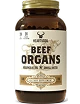
Start eating organ meats daily or begin supplementing with Histamine & Immune. Kidney for DAO and its cofactors. Liver for retinol, zinc, copper, and B vitamins. Thymus for immune-balancing peptides. This is the non-negotiable foundation.
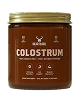
Add colostrum. Grass-Fed Colostrum provides the immunoglobulins, lactoferrin, and growth factors that support gut barrier integrity. Start this at the beginning of the priming window, not halfway through.
Uncut Colostrum
Colostrum Powder in Its Purest Form

- Supports gut health, immunity, and exercise recovery
- 100% grass-fed, pasture-raised colostrum
- Third-party tested for biological activity
60-day risk-free guarantee. No questions asked.
Increase omega-3 intake. Fatty fish 3 to 4 times per week. Pastured egg yolks daily. This shifts the fatty acid balance in your cell membranes away from the pro-inflammatory arachidonic acid pattern driven by seed oils.
Add bone broth. Daily if possible. The glycine, proline, and glutamine support gut lining repair.
2. Eliminate
Cut seed oils completely. This is the highest-leverage elimination. Every day you consume seed oils, you are loading mast cell membranes with arachidonic acid, priming them to degranulate more aggressively. Full food guide.
Reduce processed foods. Especially anything containing emulsifiers. Read labels.
Begin limiting high-histamine foods as you get closer to your typical symptom onset. During the priming window, moderate reduction is sufficient. During active season, tighten up.

3. Move
Establish a consistent aerobic exercise habit. 30 to 45 minutes, most days. Walking counts. The goal is consistency, not intensity. Aerobic exercise modulates the leukotriene pathway, lowers cortisol, and supports gut microbiome diversity. If you do not currently exercise regularly, start with daily walks and build from there. The immune benefits come from regularity, not from any single intense session.
Get outside regularly. Sunlight for vitamin D. Fresh air for microbial exposure. Nature for stress reduction. All of these directly support the immune balance you are trying to build. During the priming window (before pollen season peaks), outdoor exposure carries minimal allergy risk and maximum benefit.
Practice nasal breathing. During exercise and throughout your day, breathe through your nose rather than your mouth. Your nasal passages filter, warm, and humidify air. They also produce nitric oxide, which has antimicrobial and vasodilatory properties in the airways. Mouth breathing bypasses all of these defenses.
4. Recover
Prioritize sleep. Sleep deprivation elevates cortisol, which directly promotes Th2 skew. Seven to nine hours consistently matters more than one perfect night. If you are not sleeping well, addressing this during the priming window may do more for your allergies than any single supplement.
Manage stress actively. Whatever works for you: walking, meditation, time in nature, reducing commitments, better boundaries. Cortisol is not a minor factor. It is a primary driver of the immune pattern that causes allergies. And stress management is not a soft recommendation. Cortisol directly promotes Th2 differentiation, depletes magnesium and zinc, impairs gut barrier repair, and disrupts sleep. Addressing chronic stress removes fuel from the fire on multiple fronts simultaneously.
FREE DOWNLOAD
Your Seasonal Allergy Action Plan
The foods, nutrients, and lifestyle steps to start building a stronger foundation before pollen season peaks. One printable page. Zero guesswork.
What to Expect: A Realistic Timeline
Week 1 to 2: You are building the foundation. DAO cofactors are starting to accumulate. Gut barrier repair is beginning. You may not notice anything yet. That is normal. The changes happening are at the cellular and immune level.
Week 2 to 4: Barrier nutrients are starting to strengthen tight junctions. Mast cell membrane composition is shifting as omega-6 from seed oils is gradually replaced. Gut microbial diversity may be improving if you have been adding diverse whole foods and colostrum. Some people notice improved digestion or skin quality during this phase.
Week 4 to 6: This is when immune balance starts to shift measurably. Treg function is improving. DAO capacity has built up. Barriers are stronger. When pollen season arrives, the fire pit is more intact. The response is not gone (you are still encountering allergens), but the magnitude of the response is reduced because the upstream systems are functioning better.
Over subsequent seasons: The foundation compounds. Gut health, nutritional status, and lifestyle habits build over time. The allergic march is not destiny. Consistent effort across seasons gives your body more to work with each year.
This is not a guarantee and individual results vary. But the biology supports the trajectory. You are not managing symptoms. You are rebuilding the systems that determine how your body responds.
Build Your Stack
Start here: The Seasonal Allergy Bundle. Histamine & Immune plus Grass-Fed Colostrum. Begin at the start of the priming window and continue through allergy season.
Add the multiplier: Lifeblood. If you want the full foundational nutrient stack with additional retinol, zinc, copper, heme iron, and B vitamins.
Go all in: The Full Allergy Stack. Protocol plus Lifeblood plus Gut & Digestion. If you have persistent gut issues or year-round symptoms, the deeper gut support is worth adding from day one.
Allergies Stack
Nature's Shield Against Allergies

- Bioavailable nutrients from grass-fed organs and colostrum
- Helps fight inflammation and strengthen the immune response
- 100% allergen, pesticide, and GMO-free
60-day risk-free guarantee. No questions asked.
For the complete science: Read the Ultimate Guide to Seasonal Allergies
These statements have not been evaluated by the Food and Drug Administration. These products are not intended to diagnose, treat, cure, or prevent any disease.
Subscribe to future articles like this:
