
What you eat directly affects your barriers, your mast cells, and your body’s ability to clear histamine. Here is the research-backed food guide for allergy season.
Diet is not usually the first thing people think about when their allergies flare up. But if you are looking for foods that help with seasonal allergies, the answer is more specific and more powerful than you might expect. Every recommendation below maps to a specific mechanism in the allergic cascade. This is not general “eat healthy” advice. It is targeted.
FREE DOWNLOAD
Your Seasonal Allergy Action Plan
The foods, nutrients, and lifestyle steps to start building a stronger foundation before pollen season peaks. One printable page. Zero guesswork.
Foods That Make Seasonal Allergies Worse
Seed Oils
Canola, soybean, corn, sunflower, and safflower oils. These are in virtually every packaged food, restaurant meal, and condiment on the shelf.
Seed oils load your cell membranes (including mast cell membranes) with arachidonic acid, an omega-6 fatty acid that is converted into prostaglandins and leukotrienes. These are the inflammatory mediators that amplify the allergic response, drive the late phase reaction, and make your symptoms worse and longer-lasting.
Cutting seed oils is probably the single highest-leverage dietary change you can make for mast cell stability. Cook with butter, ghee, tallow, coconut oil, or olive oil instead.
Processed Foods and Emulsifiers
Emulsifiers like polysorbate 80, carboxymethylcellulose, and carrageenan are in most processed foods. They directly damage the tight junctions that hold your gut lining together. When those junctions break down, you get increased gut permeability, which drives the Th2 immune skew that makes you react to pollen in the first place. More on the gut-allergy connection.
High-Histamine Foods (During Active Flares)
These foods do not cause allergies, but they add to the histamine load your body has to clear. During active allergy season when your DAO system is already working overtime, reducing dietary histamine gives it room to keep up.
High-histamine foods to limit during flares: aged cheeses, wine, beer, fermented meats (salami, prosciutto), vinegar-based condiments, canned fish, soy sauce, and leftovers (histamine builds in cooked food as it sits in the fridge).
This is a temporary reduction during active symptoms, not a permanent elimination. Outside of flare periods, many of these foods are perfectly fine.
Alcohol
Alcohol is a triple hit. It directly damages the gut barrier, depletes magnesium and zinc (both critical for mast cell stability), and many alcoholic drinks (wine, beer) are themselves high in histamine. If your allergies are bad, alcohol during peak season will make them worse.

Foods That Help With Seasonal Allergies
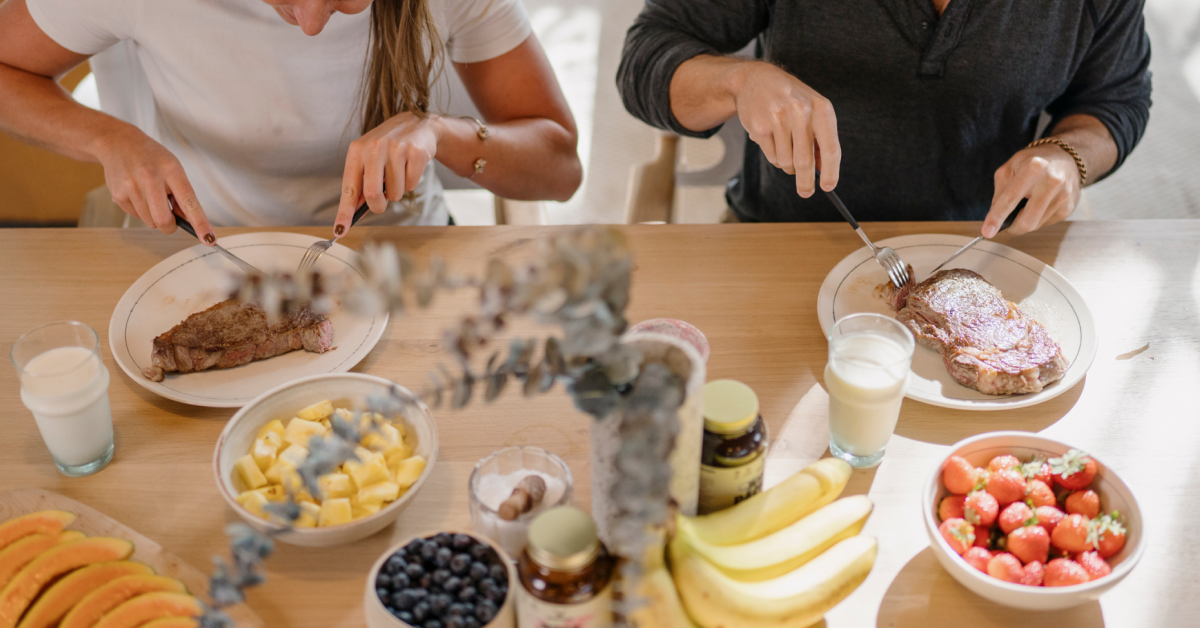
Organ Meats
The single most nutrient-dense food category for allergy support. Liver provides retinol (vitamin A) for epithelial barrier integrity, zinc for mast cell stability, copper for DAO enzyme function, and the full B vitamin complex for immune cell regulation. Kidney provides DAO itself, the enzyme that clears histamine, along with its cofactors. Why kidney and DAO matter.
If you are not eating organs regularly, a nose-to-tail supplement like Histamine & Immune provides liver, kidney, thymus, spleen, and lung in capsule form.
Fatty Fish and Omega-3 Sources
Salmon, sardines, mackerel, anchovies, and pastured egg yolks. Omega-3 fatty acids directly counterbalance the arachidonic acid from seed oils and support the resolution of inflammation. The ratio of omega-6 to omega-3 in your diet directly affects how reactive your mast cells are.
Bone Broth
Rich in glycine, proline, and glutamine. These amino acids support gut barrier repair and reduce intestinal permeability. Regular bone broth intake is one of the most practical ways to support the gut lining daily.
Grass-Fed Colostrum
Colostrum provides immunoglobulins (IgG), lactoferrin, and growth factors that provide nutritive support for gut epithelial integrity. Proline-rich peptides support healthy immune function. With 70% of your immune system in your gut, colostrum addresses the foundation.
Uncut Colostrum
Colostrum Powder in Its Purest Form

- Supports gut health, immunity, and exercise recovery
- 100% grass-fed, pasture-raised colostrum
- Third-party tested for biological activity
60-day risk-free guarantee. No questions asked.
Vitamin D-Rich Foods
Fatty fish, egg yolks, liver. Vitamin D is critical for mast cell stability (mast cells have vitamin D receptors and degranulate more when D is low) and for Treg differentiation (the immune cells that prevent overreaction). Most people are low.
Magnesium-Rich Foods
Bone broth, dark chocolate, pumpkin seeds, leafy greens. Magnesium controls the calcium gate on mast cells. When magnesium is low, calcium enters too easily and triggers degranulation. Stress, alcohol, and poor sleep all deplete magnesium.
Zinc-Rich Foods
Oysters, red meat, liver, pumpkin seeds. Zinc supports mast cell membrane stability, tight junction function, and overall immune regulation.
Daily Nourishment for Seasonal Wellness
Strategic Immune Support
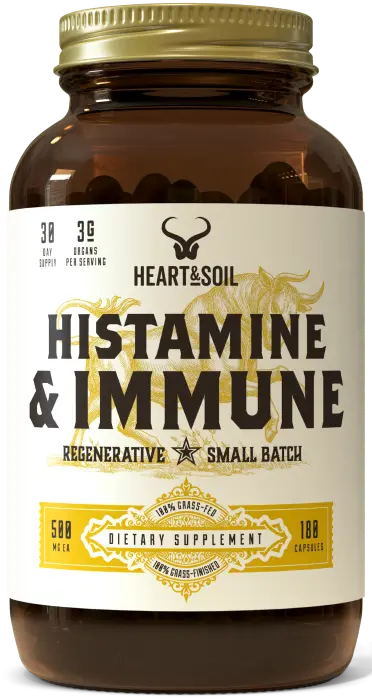
- Grass-fed thymus, lung, spleen, liver, and kidney
- Contains diamine oxidase (DAO) to aid histamine metabolism
- Helps your body respond naturally and stay resilient
60-day risk-free guarantee. No questions asked.
A Practical Framework
Daily foundations: organ meats (or Histamine & Immune), bone broth, fatty fish, colostrum, olive oil for cooking.
During active flares: reduce aged cheeses, wine, fermented meats, leftovers, and alcohol. Increase fresh-cooked meals.
Always avoid: seed oils, processed foods with emulsifiers, artificial additives.
For the complete action plan: Read the Ultimate Guide to Seasonal Allergies
These statements have not been evaluated by the Food and Drug Administration. These products are not intended to diagnose, treat, cure, or prevent any disease.
Subscribe to future articles like this:
