
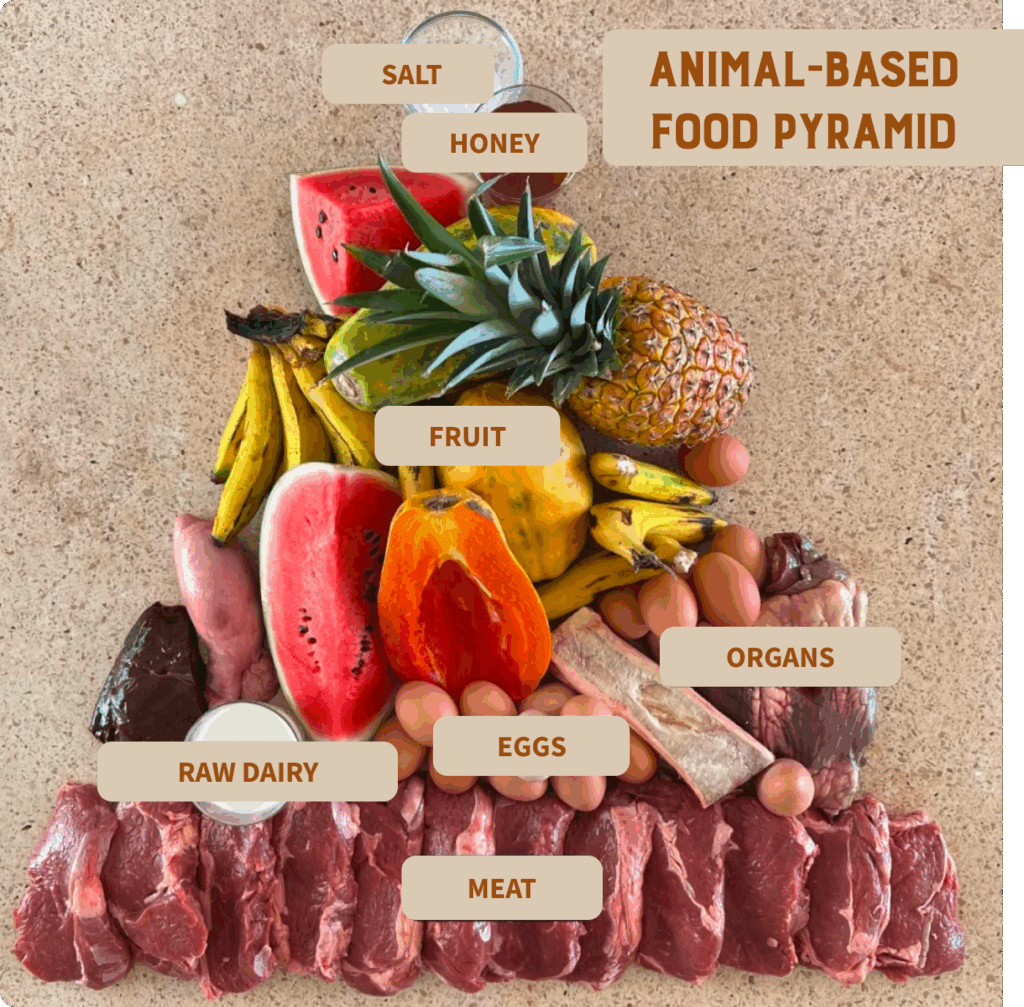
An animal-based grocery list centers on the most nutrient-dense foods on the planet: meats, organs, seafood, bone broth, eggs, raw dairy, fruit, and honey.
The animal-based grocery list excludes processed foods, seed oils, grains, legumes, nuts, seeds, and most vegetables.
The goal is simple: eat the foods humans have thrived on for millennia, and drop the modern industrial food-like products that have contributed to the current health crisis.
Table of Contents
What Is an Animal-Based Grocery List?
Most people have been told that a healthy diet means loading their cart with whole-grain pasta, spinach, soy protein bars, lentils, and low-fat yogurt. But if that approach actually worked, we would not be living in a world where 3 in 4 Americans have a chronic condition (1).
An animal-based grocery list flips the conventional model. It is built around animal foods as the foundation of your diet, specifically the most nutrient-dense options available: organs, muscle meat, seafood, eggs, and raw dairy. It rounds out with fruit and honey for carbohydrates and eliminates the foods that work against your biology, including seed oils, grains, nuts, seeds, and most vegetables.
This is not a fad diet. It is a return to an ancestral way of eating that aligns with the foods humans evolved eating and thriving on for hundreds of thousands of years.
At Heart & Soil, we believe radical health starts at the grocery store. The animal-based grocery list below gives you the exact animal-based foods to fill your cart with and explains why each one belongs there.
Learn more: The Ultimate Guide to the Animal-Based Diet
Get Your Grocery List Here
7 Staples: What Goes ON the Animal-Based Grocery List
1. Meat: The Protein Foundation
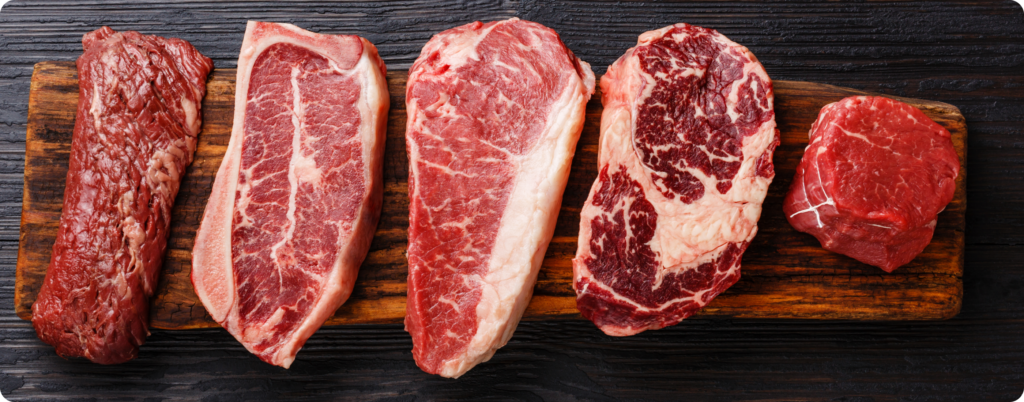
Meat is the backbone of your animal-based diet grocery list. Grass-fed ruminant meat (beef, bison, lamb) leads the category because it provides complete protein, creatine, zinc, iron, B12, and carnosine in forms your body absorbs with near-perfect efficiency. The bioavailability of nutrients in red meat is significantly higher than plant-based equivalents (2).
Prioritzing collagenous cuts of meat like oxtail, feet, and shank and bone broth, which are crucial for the intake of collagen, gelatin, proline, and glycine. These nutrients support joints, skin, hair, nails, gut lining, and sleep.
Low-PUFA pork and chicken are also on the list, but the emphasis is on sourcing. Conventional pork and chicken are fed high-omega-6 grain diets, which drives up their polyunsaturated fat content. Choose pasture-raised when possible.
Best options:
- Grass-fed, grass-finished beef and bison
- Pasture-raised pork
- Pasture-raised chicken
- Lamb and venison
2. Organs: Nature’s Most Nutrient-Dense Food
Gram for gram, liver is one of the most nutrient-dense foods on the planet. Beef liver contains more vitamin A, B12, riboflavin, folate, copper, and CoQ10 per gram than virtually any other food in existence (3).
Beyond liver, other organ meats, including heart, kidney, spleen, and pancreas provide nutrients that are nearly impossible to get from muscle meat alone. Heart is one of the richest sources of CoQ10. Kidney provides high-dose selenium. Spleen is loaded with heme iron and peptides that support your own immune function (4).
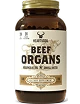
If you are not ready to eat organs fresh from the butcher counter, Heart & Soil’s Beef Organs supplement gives you grass-fed liver, heart, kidney, pancreas, and spleen in a convenient capsule form.
Best options:
- Grass-fed beef liver (fresh or desiccated)
- Testicles
- Beef heart, kidney, spleen, tripe, pancreas, etc.
Beef Organs
Nature's Ultimate Multivitamin
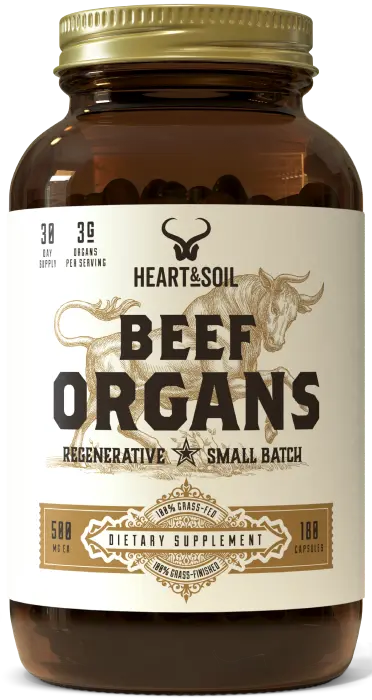
- Grass-fed liver, heart, pancreas, kidney, & spleen
- Designed to support overall energy & well-being
- Ideal daily foundation for nose-to-tail nutrition
60-day risk-free guarantee. No questions asked.
3. Seafood and Wild-Caught Fish: Rich in Omega-3 and Iodine
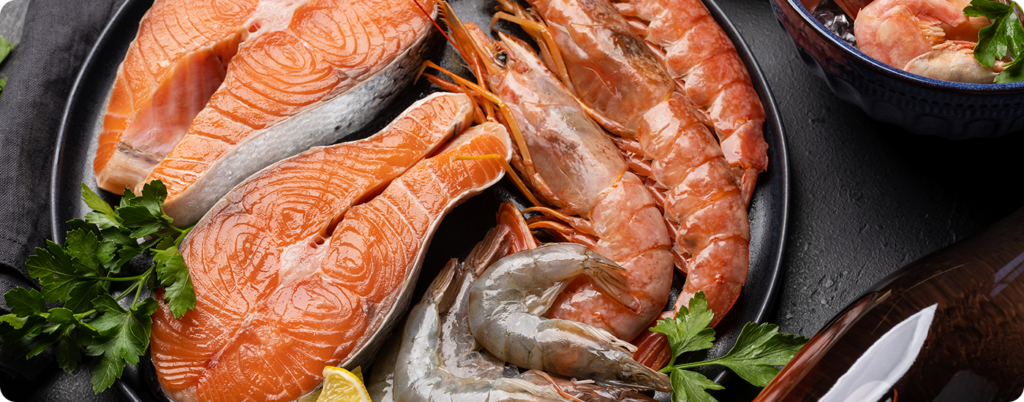
Wild-caught fish is one of the best sources of long-chain omega-3 fatty acids (EPA and DHA), iodine, selenium, and vitamin D (5).
Shellfish deserve special attention. Oysters are among the highest dietary sources of zinc on earth. Clams and mussels are loaded with B12 and iron. If you are building a truly nutrient-dense animal-based diet, shellfish are non-negotiable.
Best options:
- Oysters, clams, mussels, and shrimp
- Wild-caught salmon, sardines, mackerel, herring, and anchovies
Learn more: Is Seafood Safe to Eat? 8 Vital Issues to Keep in Mind
4. Eggs: The Perfect Whole Food
Corn-and-soy-free pasture-raised eggs are one of the most complete foods in existence. Each egg contains all essential amino acids, choline, fat-soluble vitamins A, D, E, and K2, and a healthy ratio of omega-3 to omega-6 fats. Choline alone is a nutrient that 90% of Americans are deficient in, and it is critical for liver function, brain development, and cell membrane integrity (6).
The keyword in sourcing is corn-and-soy-free. Standard “pasture-raised” eggs often still come from hens fed conventional grain. That grain raises the omega-6 content of the egg and introduces compounds from corn and soy into the yolk. Source directly from a local farm when possible.
5. Raw and A2 Dairy: Fat-Soluble Vitamins in Their Most Usable Form
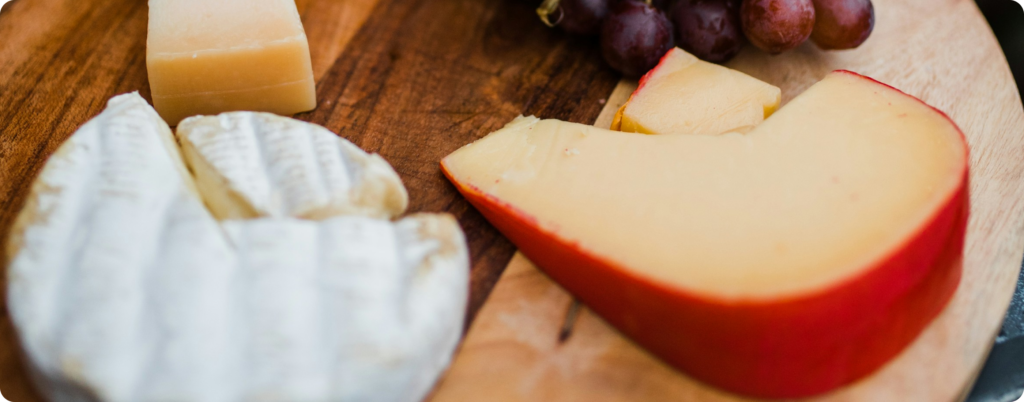
Not all dairy belongs on an animal-based grocery list, but high-quality dairy does. A2 milk, raw milk, grass-fed butter, raw cheese, yogurt, and kefir contain calcium and fat-soluble vitamins A, D, E, and K2 in the forms your body actually absorbs.
Grass-fed butter and ghee are particularly concentrated sources of butyrate, a short-chain fatty acid that feeds the cells lining your colon and has significant anti-inflammatory properties.
Raw dairy retains enzymes and beneficial bacteria that pasteurization destroys. If you have access to a trusted source of raw dairy, it is worth prioritizing. If not, A2 dairy from grass-fed cows is the next best option.
Best options:
- A2 or raw whole milk and cream
- Raw or A2 full-fat yogurt
- Grass-fed butter and ghee
- Raw or A2 cheese
6. Fruit: Carbohydrates With a Nutrient Package
Fruit earns its place on the animal-based grocery list because it is one of the few plant foods that is genuinely easy on your digestive system.
Unlike grains, legumes, and most vegetables, fruit is low in anti-nutrients and plant defense chemicals like lectins, oxalates, phytates, and glucosinolates. This is not a coincidence.
Fruits are designed by nature to be eaten. Plants want their fruit consumed so seeds get dispersed, which means the fruit itself poses little threat to the animal eating it.
The sugars are fast-digesting, the fiber is gentle, and the vitamins and antioxidants come without the gut-irritating compounds found in leaves, roots, and seeds. Fruit is the one category of plant food the body handles well.
7. Honey & Maple Syrup
Raw, organic honey is the one sweetener that belongs on an animal-based grocery list. It provides natural sugars alongside enzymes, antioxidants, and antimicrobial compounds that refined sugar and synthetic sweeteners simply do not contain.
Organic maple syrup is minimally processed and naturally rich in minerals like manganese, zinc, and antioxidant compounds. It supports energy production, and can fight oxidative stress while providing a steady, natural source of carbohydrates (7).
Get Your Grocery List Here
What Is NOT on the Animal-Based Grocery List
Seed Oils
Seed oils are the single most important food to eliminate. Canola oil, soybean oil, corn oil, sunflower oil, safflower oil, cottonseed oil, and grapeseed oil are industrial products extracted from seeds using high-heat processing, chemical solvents, and deodorization.
Check out: The Complete List Of Seed Oils (Avoid These)
Seed oils are are extraordinarily high in omega-6 linoleic acid, which is unstable, oxidizes rapidly in the body, and accumulates in cell membranes. Research shows linoleic acid intake has increased from roughly 2% to 8% of total calories in the American diet over the past century, a shift that correlates with rising rates of obesity, metabolic disease, and chronic inflammation (8).
Replace every seed oil in your kitchen with tallow, suet, grass-fed ghee, grass-fed butter, or beef tallow. These are the fats humans have cooked with for millennia.
Processed Foods
Processed and ultra-processed foods are designed in laboratories to override your body’s natural satiety signals. They combine seed oils, refined carbohydrates, artificial flavors, and synthetic additives in ratios that make it nearly impossible to stop eating. Ultra-processed foods now account for more than 57% of total daily calorie intake in the United States (9). These foods have no place on an animal-based grocery list.
Grains
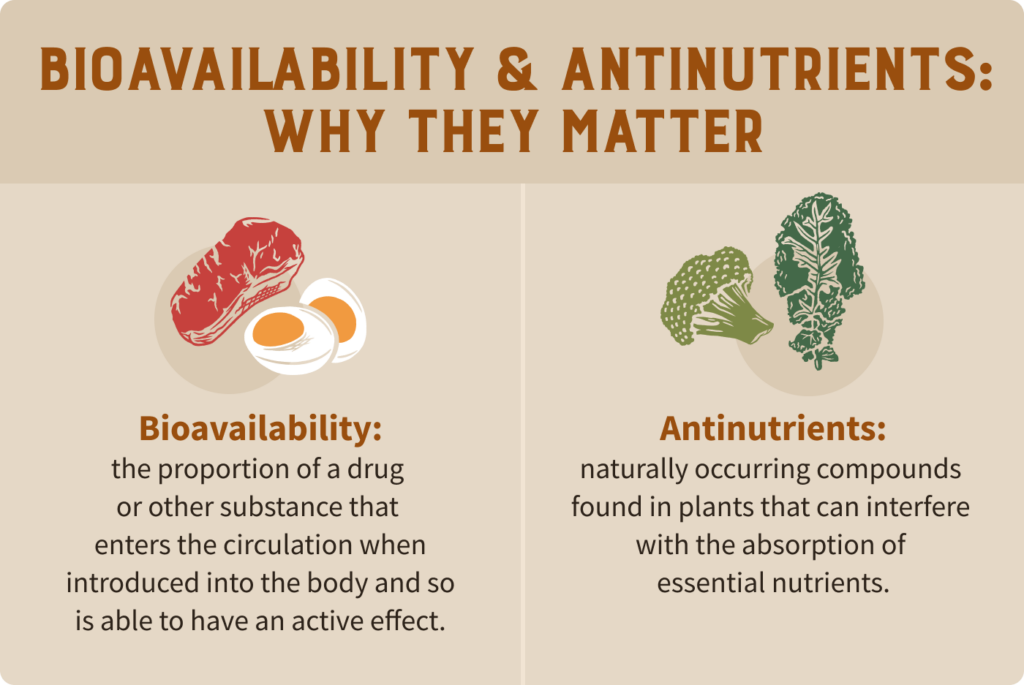
Grains including wheat, oats, corn, rice, and barley contain anti-nutrients like phytic acid, lectins, and gluten that interfere with the absorption of minerals like zinc, iron, and magnesium, and can damage the gut lining (10).
While white rice is tolerated by some people on an animal-based diet and may be used as a carbohydrate source in certain contexts, the majority of grain-based foods are not worth the trade-off.
The nutrients grains provide (B vitamins, iron, magnesium) are available in far more bioavailable forms in animal foods, without the anti-nutrient burden.
Legumes
You will not find processed foods on the animal-based grocery list. Legumes (beans, lentils, chickpeas, peanuts, soy) are often promoted as a source of protein and fiber, but the protein in legumes is incomplete, poorly absorbed, and packaged alongside plant toxins like lectins, phytates, and oxalates that actively interfere with mineral absorption and can irritate the gut lining (11). Soy in particular contains phytoestrogens that can disrupt hormone signaling.
Nuts and Seeds
Nuts and seeds are often considered “healthy snacks,” but most are extremely high in omega-6 polyunsaturated fats, the same type of fat found in seed oils. Eating large amounts of walnuts, almonds, sunflower seeds, flaxseed, or chia seeds drives up your linoleic acid intake and undermines one of the core goals of an animal-based diet: improving your cellular fat composition.
A small amount of macadamia nuts (the lowest-PUFA nut) is tolerated by some people, but nuts and seeds as a category do not belong as a regular food on this list.
Vegetables
Many vegetables contain significant anti-nutrients: oxalates (spinach, chard, beets), lectins (nightshades), glucosinolates (cruciferous vegetables), and goitrogens. These plant compounds alter gut function, drive inflammation, block nutrient absorption, and disrupt endocrine signaling (12).
The micronutrients vegetables provide are available in more bioavailable forms in organs and animal foods, without the cost to your gut, hormones, and overall body function.
How to Use Your Animal-Based Grocery List
Start at the Farmers Market
Start your grocery run at a local farmers market to find grass-fed and grass-finished meats, seasonal fruit, pasture-raised eggs, and local raw dairy from a producer you can actually talk to. From there, fill in the gaps at a health-focused grocery store.
Prioritize These 5 Foods Above All Others
If you are just starting out, focus on these 5 foods from the animal-based grocery list first:
- Grass-fed beef
- Beef liver
- Pasture-raised eggs
- Seasonal fruit
- Raw milk
Consume these foods daily and you will be better nourished than the vast majority of people eating the standard “health-conscious” diet.
Replace Seed Oils First
Before you add anything new, remove seed oils from your kitchen entirely. Check every label. Canola oil, soybean oil, and “vegetable oil” hide in salad dressings, sauces, mayonnaise, snack foods, and restaurant-prepared meals. Cook exclusively with tallow, butter, ghee, or lard.
Get Your Grocery List Here
Animal-Based Eating on a Budget: How to Make It Work
The biggest pushback people give to the animal-based grocery list is cost. Grass-fed beef, wild-caught salmon, and raw dairy are not cheap, and that is a real concern worth addressing directly.
But here is what most people miss: eating animal-based is one of the most cost-effective ways to eat when you do it strategically. You are getting far more nutrition per dollar than you ever did buying protein bars, supplements, oat milk, and packaged “health” foods. The key is knowing which corners to cut and which ones to protect.
Buy the Cheapest Cuts of Grass-Fed Beef
Ribeyes and NY strips are not the only way to eat grass-fed beef. Ground beef, chuck roast, short ribs, brisket, oxtail, and beef shanks are far cheaper per pound and just as nutritious as premium cuts.
Ground beef in particular is the most budget-friendly staple on the animal-based grocery list. Buy in bulk when it goes on sale and freeze what you do not use immediately.
Organ Meat Is the Most Affordable Food on the List
Beef liver is not expensive. At most grocery stores and butchers, grass-fed beef liver sells for $2 to $5 per pound, making it the single most affordable item on this entire list relative to its nutritional value. Chicken livers are even cheaper and widely available.
If you can work organ meat into your weekly rotation, you dramatically reduce how much you need to spend on other nutrient-dense foods because organs cover your micronutrient needs so efficiently.
Sardines and Canned Fish Are Your Best Friend
Wild-caught sardines, mackerel, anchovies, and even oysters in tins are among the most nutrient-dense and affordable foods you can buy. A tin of wild sardines packed in olive oil costs less than $3 and delivers a full serving of omega-3 fatty acids, calcium (from the bones), vitamin D, B12, and selenium.
Keep a stock of canned wild fish in your pantry and you will always have a fast, cheap, animal-based meal ready in under 2 minutes.
Budget-friendly seafood picks:
- Canned wild sardines in olive oil or water
- Canned wild mackerel
- Canned anchovies
- Frozen wild-caught salmon (far cheaper than fresh)
- Canned oysters (a zinc powerhouse for under $4)
Buy in Bulk and Build a Relationship With a Local Farmer
Buying a quarter, half, or whole cow directly from a local regenerative farmer is one of the best financial decisions you can make on an animal-based diet. The per-pound cost drops dramatically when you buy in bulk, and you get every cut including organ meats and bones that would otherwise be discarded or sold separately at a premium.
Many farms also offer payment plans or pre-order arrangements. Websites like EatWild.com and local Facebook groups are good places to find farms in your area.
Eggs Are the Budget Workhorse
Eggs are the most affordable high-quality animal protein available. Even corn-and-soy-free pastured eggs from a local farm rarely cost more than $8 to $10 per dozen, and each egg delivers a complete nutrient package including choline, B vitamins, fat-soluble vitamins, and complete protein.
If your budget is tight, any type of eggs is better than cereal for breakfast! Eating 4 to 6 eggs per day keeps costs low while keeping your nutrition high.
Make Your Own Bone Broth
Store-bought bone broth is convenient but expensive. A quality carton runs $8 to $12 and lasts 1 to 2 days of regular use. Making your own costs almost nothing.
Save the bones from every roast, whole chicken, or short rib meal and simmer them in a slow cooker or pot with water and a splash of apple cider vinegar for 12 to 24 hours. You get a richer, more collagen-dense broth than anything sold in a carton, for the cost of ingredients you would have thrown away.

Do Not Let “Perfect” Be the Enemy of Good
Grass-fed and grass-finished is the ideal for beef. Pasture-raised is the ideal for eggs. Wild-caught is the ideal for fish. But if your budget does not allow for all of that right now, conventional versions of these foods are still dramatically better than processed food, seed oils, and grain-heavy meals.
Conventional animal products are still one of the most nutritious foods on earth. Start where you are, upgrade as your budget allows, and focus first on eliminating the foods doing the most damage: seed oils and ultra-processed products.
Learn more: 11 Simple Ways to Save Money on an Animal-Based Diet
FAQ
What is an animal-based diet grocery list? An animal-based diet grocery list centers on meat, organs (especially liver), seafood, eggs, bone broth, raw dairy, fruit, and honey. It excludes seed oils, processed foods, grains, legumes, nuts, seeds, and most vegetables.
Is an animal-based grocery list the same as carnivore? It is similar but not identical. A strict carnivore diet includes only animal foods. An animal-based diet also includes fruit and honey, making it more flexible and sustainable for most people while still delivering the same foundational nutrient density.
How do I get organs if I cannot find them at the grocery store? Many local farmers markets and specialty butchers carry organ meats. If fresh organs are not accessible, Heart & Soil’s Beef Organs supplement contains grass-fed liver, heart, kidney, pancreas, and spleen in an easy capsule form. You can also find desiccated organ supplements at heartandsoil.co.
Why is fruit included but vegetables are not? Fruit is a whole food that humans have consumed throughout evolution, providing carbohydrates packaged with vitamins, antioxidants, and minerals. Most vegetables contain significant anti-nutrients and provide micronutrients that are already present in more bioavailable forms in animal foods. Non-sweet fruits like avocado, zucchini, cucumber, and squash are included as the overlap category.
Can I eat dairy on an animal-based diet? Yes. High-quality dairy is encouraged on an animal-based diet. Prioritize raw or A2 whole milk, grass-fed butter and ghee, full-fat raw yogurt, and raw or A2 cheese. Avoid low-fat dairy and ultra-pasteurized products.
Do I have to eat organ meat every day? Ideally, yes, in some form. Eating 0.5-1oz of liver daily or using a daily organ supplement covers most of your micronutrient needs. If you are not ready to eat organs fresh, start with desiccated organ capsules from a trusted source like Heart & Soil.
Animal-Based Recipes
Here are some popular, delicious recipes made with items from the animal-based grocery list.
- Beef Tongue Tacos: A Delicious High-Protein, Animal-Based Recipe
- Carnivore Pizza Recipe: The High-Protein, Zero-Grain Crust You Need to Try
- 6 Must-Try Beef Heart Dishes
- Animal-Based Egg Salad Sandwich With Homemade Avocado Mayo
- Animal-Based Chocolate Chip Cookie Dough Recipe
- Healthy Angel Food Cake
Bottom Line
Your animal-based grocery list is not complicated: build every meal around grass-fed meat, organ meat, wild-caught seafood, pasture-raised eggs, fruit, honey, bone broth, and quality raw dairy. Remove seed oils, processed foods, grains, legumes, nuts, seeds, and anti-nutrient-heavy vegetables.
The animal-based grocery list is not about restriction. It is about replacing low-quality, industrially produced, nutrient-poor foods with the most nutrient-dense foods on the planet. Liver alone contains more bioavailable vitamins and minerals than a plate full of superfoods. Grass-fed beef provides complete protein, creatine, B12, zinc, and iron in forms your body was built to absorb.
Take the animal-based grocery list to your next shopping trip, and start building the foundation of radical health, one nutrient-dense meal at a time!
Subscribe to future articles like this:
