
Medical Disclaimer: This article is for educational purposes only and does not constitute medical advice. Consult a qualified healthcare provider before making changes to your diet or supplement routine.
Most people are not getting enough vitamin D.
According to the National Institutes of Health, approximately 35% of adults in the United States are vitamin D deficient (1). That’s a modern health crisis hiding in plain sight.
Vitamin D is crucial for bone strength, brain function, immunity, cardiovascular health, cancer prevention, prenatal health, and more (2).
If you want to support your vitamin D levels naturally with nutrition, you need to know which vitamin D foods actually move the needle. This guide gives you the full picture.
TL;DR
The best vitamin D foods are animal-based. Fatty fish (salmon, mackerel, sardines), cod liver oil, beef liver, and pasture-raised egg yolks deliver the most bioavailable vitamin D. Fortified cereals and plant milks come nowhere close. If your levels are low, start with food first, prioritizing organs.
Why Vitamin D Is Non-Negotiable
Vitamin D is not just a “bone vitamin.” Every cell in your body has vitamin D receptors (3). It regulates immune function, supports muscle performance, modulates mood, and governs the expression of hundreds of genes involved in metabolism and inflammation.
A 2017 analysis found that vitamin D deficiency is associated with increased risk of autoimmune conditions, cardiovascular issues, and impaired immune defense (4). The sun is your primary source, but for most people living at northern latitudes and working indoors year-round, sunlight alone does not cut it.
That is where vitamin D-rich foods come in.
The Problem With Most “Vitamin D Foods” Lists
Search for vitamin D foods online and you will find the same recycled list: fortified orange juice, breakfast cereal, plant-based milk. Here is the problem: those are not real food sources of vitamin D. They are processed products with synthetic vitamin D2 added during manufacturing.
Vitamin D2 (ergocalciferol) and vitamin D3 (cholecalciferol) are not the same. Vitamin D3 is the form your skin produces from sunlight, and the form found in animal foods. A 2012 randomized controlled trial found that vitamin D3 is approximately 87% more potent at raising serum vitamin D levels than D2 (5).
If you are eating fortified cereal to hit your vitamin D needs, you are working with an inferior tool.
The Best Vitamin D Foods: Ranked
Top Animal-Based Vitamin D Sources
These are the vitamin D foods that actually build and sustain healthy blood levels.
1. Cod Liver Oil
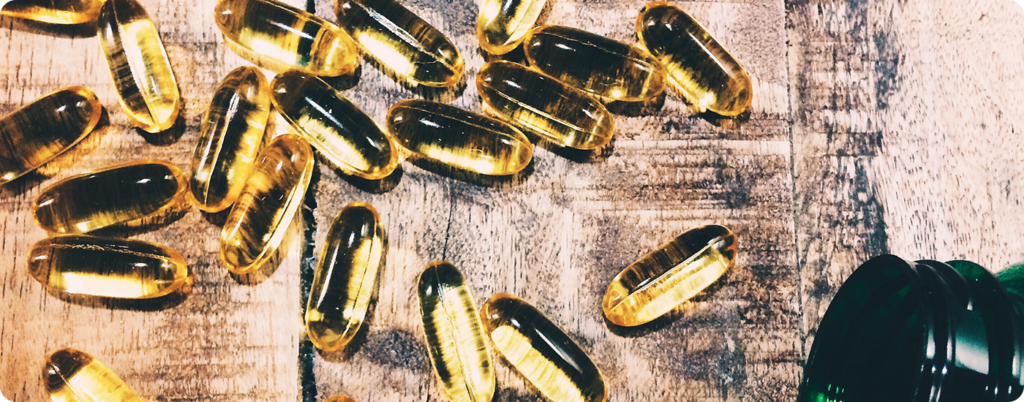
Cod liver oil is the most concentrated food source of vitamin D3 on the planet. 1 tablespoon delivers approximately 1,360 IU of vitamin D3, more than double the standard recommended daily intake (#). It also provides vitamin A and omega-3 fatty acids, which work synergistically with vitamin D for immune function and inflammation support.
Dr. Paul Saladino is generally not a fan of cod liver oil as it can be extremely unstable and is subject to oxidation. However, a brand such as Rosita’s undergoes testing to ensure this doesn’t occur, and they don’t use chemicals or solvents during extraction.
2. Fatty Fish
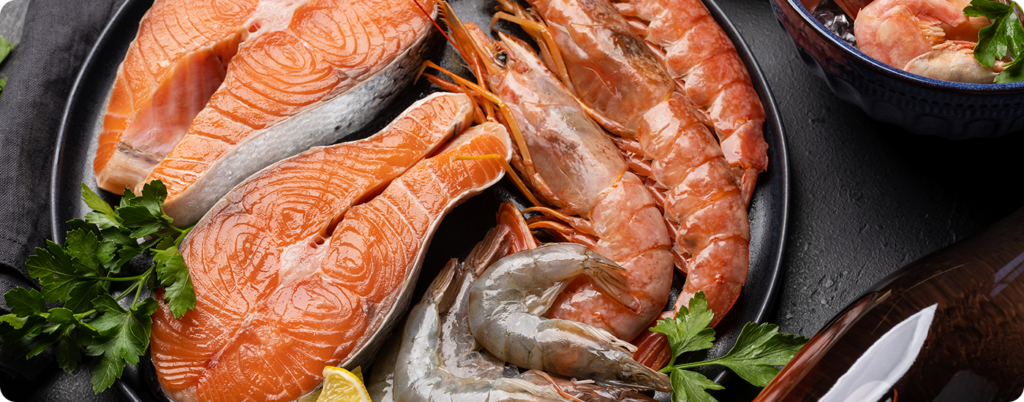
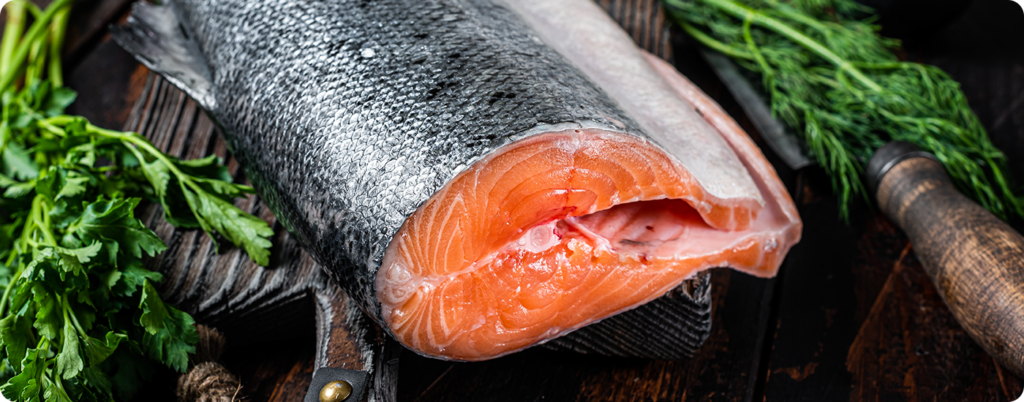
Fatty fish like wild-caught salmon, mackerel, and sardines are elite vitamin D foods. A 3.5-ounce serving of wild Atlantic salmon delivers around 988 IU of vitamin D3 (6). Sardines are particularly underrated. They’re cheap, shelf-stable, and loaded with vitamin D, calcium, and omega-3s.
- Wild salmon: ~988 IU per 3.5 oz
- Mackerel: ~643 IU per 3.5 oz
- Sardines (canned): ~272 IU per 3.5 oz
- Herring: ~216 IU per 3.5 oz
3. Beef Liver and Organ Meats
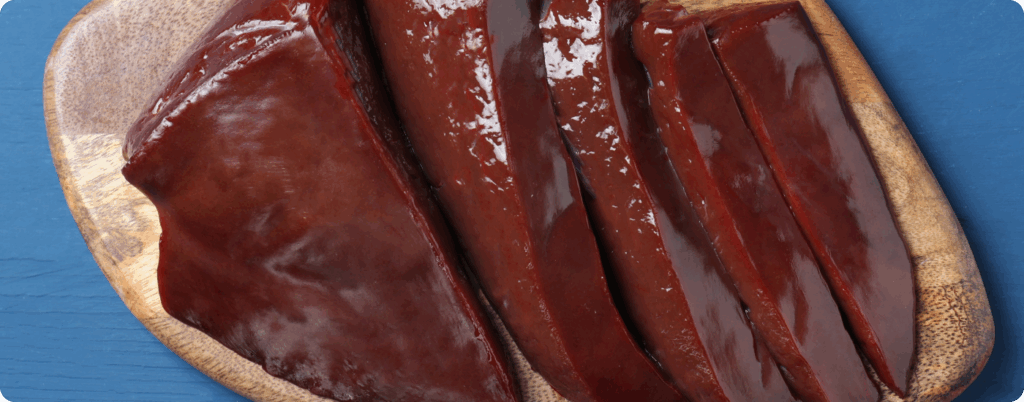
Liver is nature’s ultimate multivitamin. Research confirms that offal (organ meats) provides considerably more vitamin D than muscle meat: up to 140 μg/kg versus roughly 10 μg/kg in standard cuts (7). Beef liver delivers vitamin D3 alongside a density of B12, vitamin A, copper, CoQ10, and iron that no other food matches. At Heart & Soil, we call liver the most nutrient-dense food on the planet, because it is.
Support Your Iron Stores
With Lifeblood from Heart & Soil
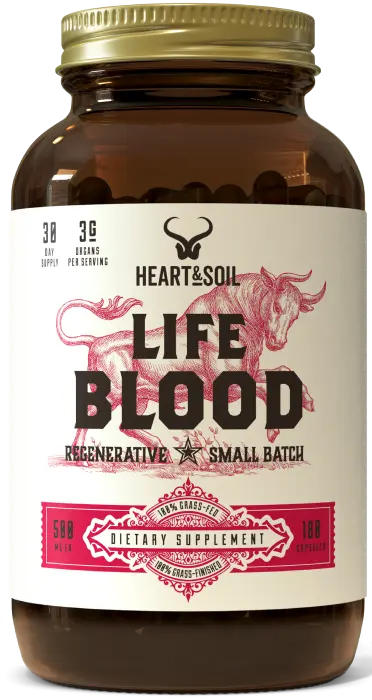
- Grass-fed whole blood extract, spleen, and liver
- Encourages red blood cell formation, oxygen delivery, and heart health
- Promotes stamina and exercise performance
60-day risk-free guarantee. No questions asked.
4. Pastured Egg Yolks
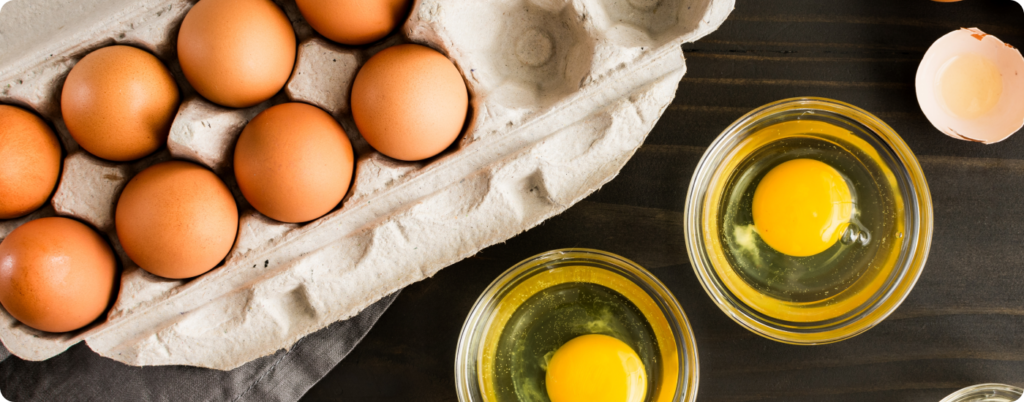
Egg yolks from pastured hens contain meaningful amounts of vitamin D3, roughly 37 to 41 IU per yolk, with significantly higher levels when hens are raised outdoors with sun exposure (8). The ScienceDirect review places egg yolk vitamin D values between those of muscle meat and offal, which tracks. The quality of the source matters here. Always choose pasture-raised!
Why Animal-Based Vitamin D Sources Are Superior
Bioavailability: Animal foods deliver vitamin D3, the form your body synthesizes naturally and absorbs most efficiently. Fortified foods deliver D2, which requires an additional conversion step and is consistently shown to raise serum levels less effectively.
Nutrient synergy: Animal-based vitamin D foods come packaged with co-factors that support D absorption and utilization. For example: vitamin A from liver, omega-3s from fatty fish, vitamin K2 from grass-fed dairy and egg yolks. These nutrients work together. You cannot replicate that synergy in a breakfast cereal.
No seed oils: Commercial fortified foods almost always come loaded with inflammatory seed oils (soybean oil, canola oil, cottonseed oil, etc.). These oils drive oxidative stress and undermine the very cellular processes vitamin D supports. Real vitamin D foods come with healthy animal fats, not industrial seed oils.
How Much Vitamin D Do You Actually Need?
The official RDA sits at 600–800 IU per day depending on age. Many researchers and clinicians who specialize in nutrient sufficiency consider that number far too low. Vitamin D researcher Dr. Michael Holick, one of the foremost authorities on the subject, has argued that optimal blood levels of 25-hydroxyvitamin D sit between 40–60 ng/mL for most adults (9).
General intake guidelines from the NIH (10):
| Age Group | RDA for Vitamin D |
|---|---|
| Children 1–18 years | 600 IU |
| Adults up to age 70 | 600 IU |
| Adults over 70 | 800 IU |
| Pregnant and breastfeeding women | 600 IU |
The bottom line: Hit your RDA through food, get regular sun exposure, and get a blood test. A simple 25(OH)D test tells you exactly where you stand. Don’t guess!
The Animal-Based Vitamin D Foods Protocol
You do not need to obsess over this. Add these vitamin D foods to your weekly routine, and you cover your bases:
- Daily: 2-4 pastured egg yolks with breakfast. Cook in tallow or lard.
- Daily: Lifeblood (contains liver, whole blood extract, and spleen).
- 2-3x per week: A serving of fatty fish:wild salmon, sardines, or mackerel.
This approach stacks vitamin D3 with its cofactors naturally and avoids processed, fortified, seed-oil-laden alternatives.
Subscribe to future articles like this:
What About Supplements?
Food first! But if your blood levels are low (below 30 ng/mL) or you live at a northern latitude during winter, a vitamin D3 supplement is worth considering alongside food sources. Always choose D3, not D2. Take it with your fattiest meal of the day for optimal absorption. Pair it with vitamin K2 (MK-7 form) to ensure calcium is directed to your bones, not your arteries.
A high-quality organ supplement like Heart & Soil’s Lifeblood gives you the full nutrient co-factor matrix (vitamin A, B12, CoQ10, and trace minerals) that makes vitamin D do its job.
Support Your Iron Stores
With Lifeblood from Heart & Soil
- Grass-fed whole blood extract, spleen, and liver
- Encourages red blood cell formation, oxygen delivery, and heart health
- Promotes stamina and exercise performance
60-day risk-free guarantee. No questions asked.
Glossary
Vitamin D3 (cholecalciferol): The form of vitamin D found in animal foods and produced by the skin in response to UVB sunlight. The most bioavailable and effective form.
Vitamin D2 (ergocalciferol): A plant-derived form of vitamin D used in most commercial fortification. Less potent and less effective at raising serum vitamin D levels than D3.
25-hydroxyvitamin D [25(OH)D]: The storage form of vitamin D measured in blood tests. This is the marker you want checked to assess your actual vitamin D status.
Bioavailability: The degree to which a nutrient is absorbed and used by the body. Animal-based vitamin D3 has higher bioavailability than D2 from fortified foods.
FAQ: Vitamin D Foods
Q: What are the best vitamin D foods for an animal-based diet? A: Cod liver oil, wild fatty fish (salmon, mackerel, sardines), beef liver, whole blood extract, and pasture-raised egg yolks from pasture-raised animals. These are high-quality, natural sources of vitamin D3.
Q: Can I get enough vitamin D from food alone? A: Possibly, if you an animal-based diet that includes fatty fish 2-3x per week. For most people, food plus regular sun exposure is the most reliable combination. Get your blood levels tested to know for certain.
Q: Is vitamin D2 from fortified foods effective? A: Less effective than D3. Research shows D3 raises serum vitamin D levels roughly 87% more efficiently than D2. Fortified cereals and plant milks are not a reliable strategy for hitting optimal levels.
Q: Do mushrooms count as a vitamin D food? A: UV-exposed mushrooms do produce vitamin D2 — but again, D2 is less bioavailable than D3. For an animal-based audience, mushrooms are a distant second to fatty fish, liver, and other animal-based food sources.
Q: Should I take a vitamin D supplement or just eat vitamin D foods? A: Food first. If your 25(OH)D blood level is below 30 ng/mL or you live far from the equator, a D3 supplement makes sense as a complement to food and sun. Never use supplements as a substitute for nutrient-dense animal foods.
Q: Does cooking destroy vitamin D in food? A: Cooking does cause some vitamin D loss, but not dramatically. Studies show that grilling and baking fish retains roughly 69–90% of vitamin D content. Frying causes greater loss. Eat your fatty fish grilled, baked, or canned.
Bottom Line
The best vitamin D foods are animal-based. Cod liver oil, wild fatty fish, beef liver, and pasture-raised egg yolks give you vitamin D3 in its most bioavailable form, packaged alongside the co-factors that make it work. Fortified breakfast cereals and plant milks give you an inferior synthetic version wrapped in seed oils.
Eat real food. Prioritize organs. Get regular sun. Test your blood levels. That is the animal-based approach to vitamin D.
Subscribe to future articles like this:
