

Medical Disclaimer: This article is for educational purposes only and is not medical advice. Talk with a qualified healthcare professional before making significant changes to your diet or supplement routine.
Beef liver has gone mainstream.
Bull testicles? They still make some people pause.
But throughout a nose-to-tail approach to eating, testicles belong in the same conversation as liver, heart, kidney, bone marrow, and other organs.
Eating more of the animal gives you a wider range of tissues, and each one has its own nutritional profile.
So if you’ve wondered whether bull testicles are worth eating, here are five bull testicle benefits, and why this organ deserves a place on the plate.
Key Takeaways
- Bull testicles can add more variety to a nose-to-tail animal-based diet.
- Per 100 grams, raw beef testicles provide about 10.8 grams of protein, 210 mg of phosphorus, 301 mg of potassium, 1.4 mg of zinc, and 1.6 mg of iron (1).
- Testicles also contain vitamin E, several forms of vitamin K2, naturally occurring peptides, and other compounds found in testicular tissue (2).
- Different organs offer different nutrient profiles, which is why eating liver, heart, kidney, spleen, testicles, and other tissues creates more variety than eating muscle meat alone.
- You can eat bull testicles fresh or consume them in freeze-dried form if sourcing or preparing fresh organs isn’t practical.
Table of Contents
What Are Bull Testicles?
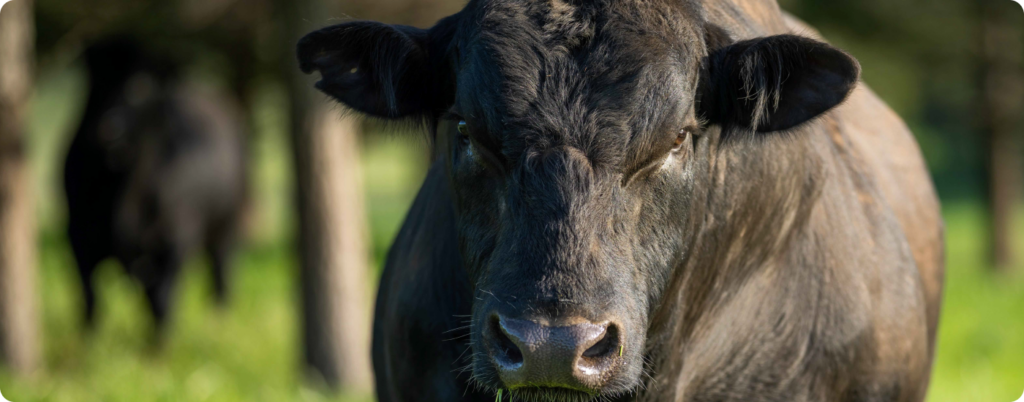
Bull testicles are the reproductive organs of male cattle.
Like beef liver, heart, kidney, spleen, and other organs, testicles are considered offal, a term used for edible organs and other non-muscle tissues from an animal.
Bull testicles are also commonly called:
- Beef testicles
- Bull fries
- Calf fries
- Prairie oysters
- Rocky Mountain oysters
Traditionally, eating testicles wasn’t about novelty. It was part of using more of the animal.
That same principle is at the heart of nose-to-tail eating today: instead of relying almost exclusively on steaks and ground beef, you include the organs, connective tissues, fat, marrow, and other parts of the animal too.
Each tissue brings a different nutritional profile.
What Is the Nutrition Profile of Bull Testicles?
One of the best sources of modern data comes from a 2024 study published in Nutrients.
Researchers collected raw beef offal from U.S. suppliers and sent samples to USDA Agricultural Research Service-approved laboratories for nutrient analysis using validated methods (3).
Here’s what researchers found per 100 grams of raw beef testicle tissue:
| Nutrient | Amount per 100 g | % Daily Value |
| Protein | 10.82 g | 22% |
| Fat | 2.91 g | 4% |
| Phosphorus | ~210 mg | 17% |
| Potassium | ~301 mg | 6% |
| Zinc | 1.40 mg | 13% |
| Iron | 1.61 mg | 9% |
| Magnesium | 13.27 mg | 3% |
| Vitamin E | ~2.02 mg | 13% |
| Cholesterol | ~219 mg | 73% |
Percent Daily Values are calculated using FDA Daily Values for adults and children ages 4 and older (4).
These numbers show why testicles deserve to be considered alongside better-known organs like liver and heart.
They aren’t nutritionally identical, and that’s the point. A nose-to-tail diet gets its strength from variety across different animal tissues, rather than expecting one food to provide everything.
What Are the 5 Main Bull Testicle Benefits?
1. Protein
Bull testicles provide 10.82 grams of protein per 100 grams of raw tissue (5).
Protein provides the amino acids used to build and maintain muscle, enzymes, connective tissues, and many other structures throughout the body.
What makes testicles interesting isn’t simply that they contain protein. It’s that you get that protein alongside the distinct micronutrients and naturally occurring compounds found in reproductive tissue.
That’s one reason nose-to-tail eating goes beyond muscle meat.
2. Phosphorus
Phosphorus may be one of the most overlooked bull testicle benefits.
Researchers measured approximately 210 mg of phosphorus per 100 grams of beef testicles and classified testicles as an excellent source of phosphorus (6).
Phosphorus is an essential mineral found throughout the body.
About 85% of the body’s phosphorus is found in bones and teeth, while the remainder is distributed throughout blood and soft tissues.
Phosphorus is also a component of DNA and RNA, cell membranes, and adenosine triphosphate, or ATP, the molecule cells use to store and transfer energy (7).
So while conversations about beef testicles tend to jump straight to testosterone, their phosphorus content is actually one of their biggest nutritional strengths.
3. Minerals
Bull testicles also contribute several essential minerals.
Per 100 grams, raw testicle tissue contains approximately (8):
- 301 mg potassium
- 13.3 mg magnesium
- 1.6 mg iron
- 1.4 mg zinc
4. Vitamin E and Vitamin K2
Beef testicles also provide fat-soluble nutrients.
Researchers measured approximately 2.02 mg of alpha-tocopherol, or vitamin E, per 100 grams and detected several forms of vitamin K2, including MK-4, MK-6, MK-7, and MK-11 (9).
Vitamin A and vitamin D were also detected, although in much smaller quantities.
This is another example of why organs work well together. Liver is exceptionally rich in vitamin A, while testicles bring a different nutrient profile.
Eating a range of animal foods, including liver, testicles, eggs, dairy, seafood, and muscle meat, creates far more nutritional variety than relying on any single food.
For more on vitamin D specifically, read The Best Vitamin D Foods: Why Animal-Based Sources Win Every Time.
5. Male Reproductive Support
Testicles are unique among organ meats because they are reproductive tissue.
At Heart & Soil, this fits into the traditional like-supports-like approach to nose-to-tail nutrition: consuming specific animal tissues to provide the nutrients and compounds naturally concentrated in those tissues.
Research here is still emerging, but several characteristics of testicular tissue make it particularly interesting for male nutrition.
Zinc
Beef testicles contain zinc, an essential mineral involved in normal testosterone metabolism, sperm production, and reproductive function.
In one small study, restricting zinc intake in four healthy young men for 20 weeks was associated with a decline in average serum testosterone from 39.9 nmol/L to 10.6 nmol/L.
In another portion of the study, nine marginally zinc-deficient older men received zinc supplementation for six months, with average testosterone increasing from 8.3 to 16.0 nmol/L (10).
That study evaluated zinc (not consumption of bull testicles), but it illustrates why zinc is relevant to male reproductive nutrition.
Peptides
Testicular tissue also contains naturally occurring peptides, or short chains of amino acids.
Research examining organ-specific peptide extracts suggests that testicular peptides may interact with reproductive and endocrine processes (11).
This emerging area of research is one reason testicles are particularly interesting within the broader nose-to-tail approach.
Naturally Occurring Androgens
Heart & Soil’s testing of Whole Package detected naturally occurring androgens, including testosterone and androgen metabolites, in trace, nanogram-level amounts:
- 5(6)-androstene-3,17-dione: 20 ng/g – 30 ng/g
- Testosterone: 250 ng/g – 300 ng/g
- 4-androstene-3β,17β-diol: 20 ng/g – 30 ng/g
- 17-OH-progesterone: 35ng/g – 45 ng/g
- 5(6)-androstene-3β,17β-diol: 50 ng/g – 100 ng/g
- 5α-androstane-3β,17β-diol: 25 ng/g – 35 ng/g
These amounts naturally vary and are far below pharmaceutical testosterone doses, and they do not establish an effect on testosterone levels. Whole Package is not testosterone replacement therapy.
Rather, it provides testicular tissue in its whole-food form alongside liver and whole blood extract.
That final sentence brings it back to eat the organ, instead of ending the section on a disclaimer.
How Do Bull Testicles Benefits Compare With Beef Liver?
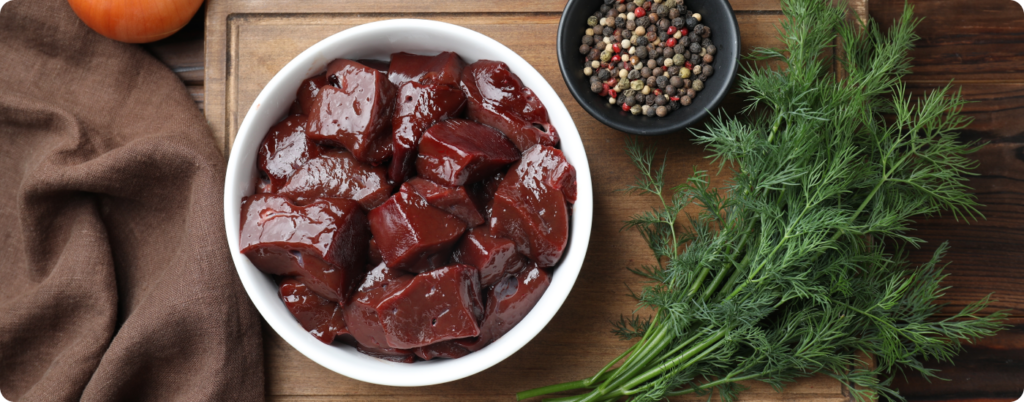
Bull testicles and beef liver are both organs, but nutritionally they are very different.
| Nutritional Strength | Bull Testicles | Beef Liver |
| Protein | Excellent source | Excellent source |
| Phosphorus | Excellent source | Excellent source |
| Vitamin A | Low | Exceptionally rich |
| Vitamin B12 | Not a standout | Exceptionally rich |
| Copper | Not a standout | Exceptionally rich |
| Iron | Moderate amount | Excellent source |
| Zinc | Moderate amount | Excellent source |
| Vitamin E | Present | Present |
| Vitamin K2 | Several forms detected | Several nutrients present |
Liver stands out for vitamin A, vitamin B12, copper, iron, and several other micronutrients, while testicles bring their own combination of protein, phosphorus, minerals, fat-soluble nutrients, peptides, and compounds unique to reproductive tissue (12).
That is the basic idea behind nose-to-tail eating: different organs complement one another.
If you’re comparing organ products, read The 7 Best Beef Organ Supplements (and Why They Work).
How Do You Cook Bull Testicles?
If you can source fresh bull testicles, try them.
They’re commonly served as Rocky Mountain oysters, but you don’t need to bread and deep-fry them to make them taste good.
For a simple animal-based preparation:
- Remove the tough outer membrane.
- Slice the testicles into medallions.
- Season generously with salt.
- Cook them in butter, ghee, or beef tallow.
- Serve with beef, fruit, dairy, potatoes, or another favorite animal-based side.
If testicles are unfamiliar, start with a small serving alongside foods you already enjoy.
Like liver, heart, kidney, and other organs, they may take a little experimentation to find the preparation you like best.
But don’t let unfamiliarity keep you from eating them.
What If You Can’t Find Fresh Bull Testicles?
Fresh testicles are worth trying when you can source them.
But they aren’t always easy to find, and not everyone is ready to prepare Rocky Mountain oysters at home.
That’s where freeze-dried organs can help.
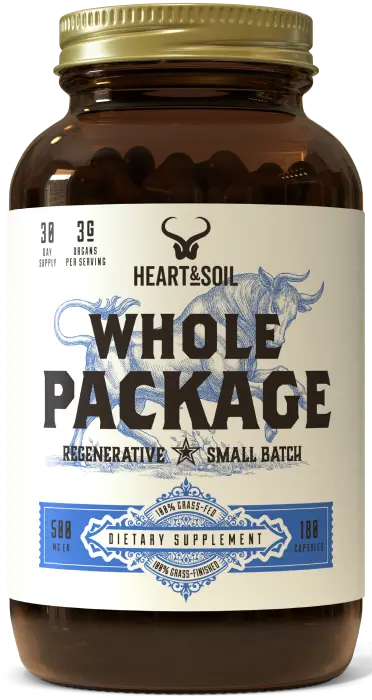
Heart & Soil’s Whole Package combines grass-fed and grass-finished testicle, liver, and whole blood extract.
It provides a convenient way to incorporate testicular tissue and other nose-to-tail foods into your routine when fresh organs aren’t practical.
Think of supplements as another way to participate in nose-to-tail nutrition, not a reason to stop seeking out real organ meats.
Real Organ Nutrition for Men
Strength. Drive. Testosterone.
- Support libido, energy, and performance naturally
- 100% grass-fed & grass-finished liver, testicle, and whole blood extract
- No fillers. No fluff. Real ingredients for real results
60-day risk-free guarantee. No questions asked.
FAQ
Are bull testicles nutritious?
Yes. A 2024 nutrient analysis found that beef testicles provide protein, phosphorus, potassium, zinc, iron, magnesium, vitamin E, and several forms of vitamin K2. Researchers classified testicles as an excellent source of protein and phosphorus (13).
How much protein is in bull testicles?
Raw beef testicles contain approximately 10.82 grams of protein per 100 grams, according to a 2024 laboratory analysis (14).
Are Rocky Mountain oysters actually bull testicles?
Yes. Rocky Mountain oysters are typically bull or calf testicles that have been peeled, sliced, breaded, and fried. Despite the name, they are not seafood.
Are bull testicles better than beef liver?
They provide different nutrients. Beef liver is substantially richer in nutrients such as vitamin A, vitamin B12, copper, iron, and zinc, while bull testicles stand out primarily for protein and phosphorus (15). Eating a variety of organs gives you a broader nutritional profile than relying on only one.
Related Reading
- The Ultimate Guide to the Animal Based Diet to Thrive
- Beef Liver Vs Chicken Liver Benefits: Which Is Healthier?
- Heart & Soil Guide to Balanced Hormones, Mood, and Libido
The Bottom Line
Eating nose-to-tail means going beyond steak and ground beef. Liver, heart, kidney, spleen, bone marrow, blood—and yes, testicles—all offer different nutrients and naturally occurring compounds.
Modern nutrient testing shows that beef testicles provide protein, phosphorus, potassium, zinc, iron, vitamin E, and several forms of vitamin K2 (16).
But the bigger reason to eat them is the same reason to eat organs in the first place: more of the animal means more nutritional variety.
So if you can find fresh bull testicles, cook them. If you can’t, freeze-dried testicle is an easy way to start.
Subscribe to future articles like this:
