



For most of human history, hay fever did not exist. The pollen was always there. So what changed?
In 1819, Dr. John Bostock stood before the Royal Medical and Chirurgical Society of London and described a condition he had been suffering from for years. Every summer, like clockwork, he experienced violent sneezing fits, runny eyes, and tightness in his chest. The symptoms vanished every fall.
He called it “summer catarrh.” He had no idea what caused it. And when he searched for other sufferers to study, he could only find 28 cases in all of England.
Twenty-eight. In the entire country.
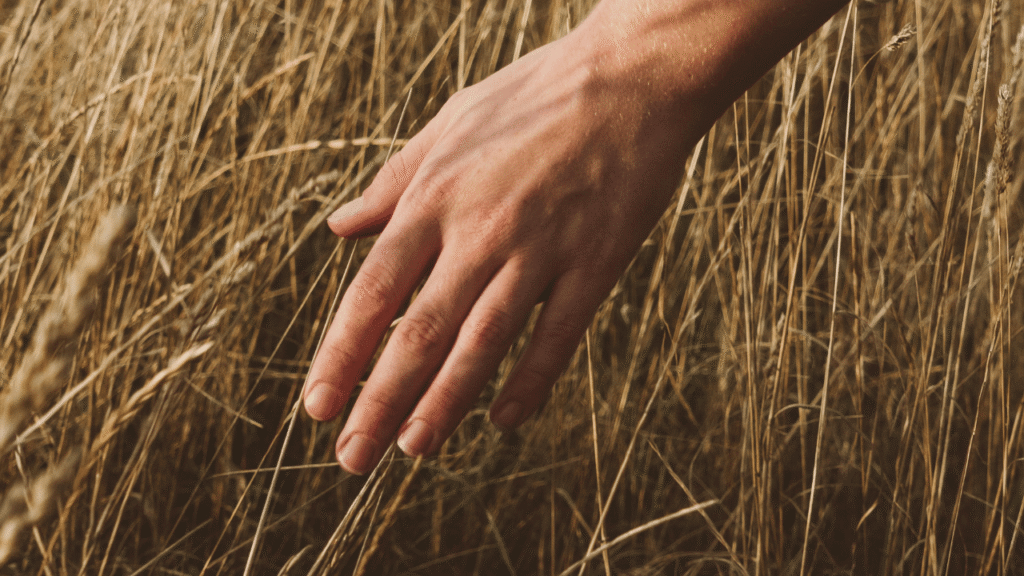
From 28 Cases to 30%
Today, approximately 30% of adults in the developed world experience seasonal allergies. What was once a medical curiosity documented by a handful of physicians is now so common that most people consider it a normal part of spring.
The rise was not gradual. It followed industrialization, urbanization, and the transformation of the human diet. Each decade brought higher prevalence. Each generation reacted to pollen more than the last.
The Farmer’s Paradox
In 1873, Charles Blackley became the first researcher to conclusively identify pollen as the trigger for hay fever. He conducted experiments on himself, applying pollen directly to his skin and nasal passages and documenting the reactions.
But Blackley noticed something that did not fit the simple “pollen causes allergies” explanation. Farmers, who spent their entire working lives surrounded by massive quantities of airborne pollen, almost never developed hay fever. The condition was concentrated in cities and among professionals, merchants, and the educated classes.
If pollen exposure caused allergies, farmers should have been the most affected group. They were the least affected. Something else was determining who reacted and who did not.
What Changed
The pollen did not change. Human immune systems changed because the environment they were operating in changed. Several shifts happened simultaneously over the past 200 years:
The diet shifted from whole foods to processed foods. Organ meats, which had been dietary staples for all of human history, disappeared. Seed oils replaced animal fats. Emulsifiers and preservatives entered the food supply. The nutrients that support immune regulation (retinol, zinc, copper, vitamin D, DAO cofactors) were systematically removed. The dietary connection is direct and specific.
FREE DOWNLOAD
Your Seasonal Allergy Action Plan
The foods, nutrients, and lifestyle steps to start building a stronger foundation before pollen season peaks. One printable page. Zero guesswork.
Microbial exposure declined. Urbanization separated humans from soil, animals, and the environmental microbes that train the immune system. Antibiotics, while life-saving, reduced gut microbial diversity. The immune system lost the microbial input it needed to develop proper regulatory function.
Gut health deteriorated. The combination of processed food, emulsifiers, seed oils, stress, and reduced microbial diversity created widespread gut barrier dysfunction. With 70% of the immune system in the gut, this set the stage for systemic immune dysregulation. The gut-allergy connection explained.
Stress became chronic. Pre-industrial life involved physical stress and acute threats. Modern life involves chronic psychological stress, sleep deprivation, and sustained cortisol elevation, all of which promote the Th2 immune skew that drives allergic sensitization.
Time indoors increased. Less sunlight means less vitamin D. Less outdoor exposure means less microbial diversity. More indoor time means more exposure to indoor allergens (dust mites, mold, pet dander) that keep the immune system in a state of chronic activation.
The Amish and the Hutterites
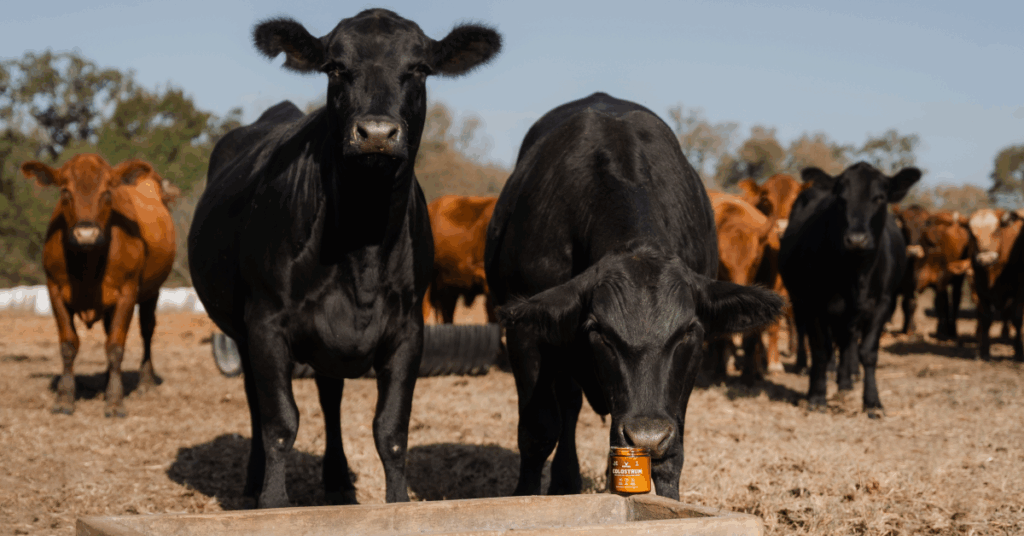
One of the most compelling modern comparisons comes from research on Amish and Hutterite communities. Both are genetically similar European-descent farming populations. Both live in rural areas. But their farming practices differ.
The Amish use traditional farming methods with close animal contact, raw milk consumption, and high exposure to farm dust and microbes. The Hutterites use industrialized farming with less direct animal contact and more modern food processing.
The Amish have dramatically lower rates of allergies and asthma compared to the Hutterites. The genetic background is the same. The microbial exposure and dietary pattern are different. The immune outcomes follow.
What This Means for You
You do not need to become a farmer or move to an Amish community. But understanding that seasonal allergies are a product of modern environmental changes, not an inevitable response to pollen, changes the equation. It means the factors driving your allergies are things you can influence: your diet, your gut health, your nutrient status, your stress load, and your relationship with the outdoors.
The solution is not to go back 200 years. It is to give your body the nutritional and environmental foundation it evolved to expect.
For the complete action plan: Read the Ultimate Guide to Seasonal Allergies
How to prepare your immune system before allergy season.
Allergies Stack
Nature's Shield Against Allergies

- Bioavailable nutrients from grass-fed organs and colostrum
- Helps fight inflammation and strengthen the immune response
- 100% allergen, pesticide, and GMO-free
60-day risk-free guarantee. No questions asked.
These statements have not been evaluated by the Food and Drug Administration. These products are not intended to diagnose, treat, cure, or prevent any disease.
Subscribe to future articles like this:
