
The information in this blog is for educational purposes only. It is not a substitute for professional medical advice. Consult your healthcare provider if you’re seeking medical advice, diagnoses, or treatment.
Think of animal-based eating as an evolutionarily informed starting framework rather than a closed system.
It goes like this:
Meat and organs + animal fats + fruit or another tolerated carbohydrate
But an animal-based diet can mean a lot of different things to different people.
So, in this guide, we will focus specifically on the Heart & Soil approach.
Table of Contents
What Is an Animal-Based Diet?
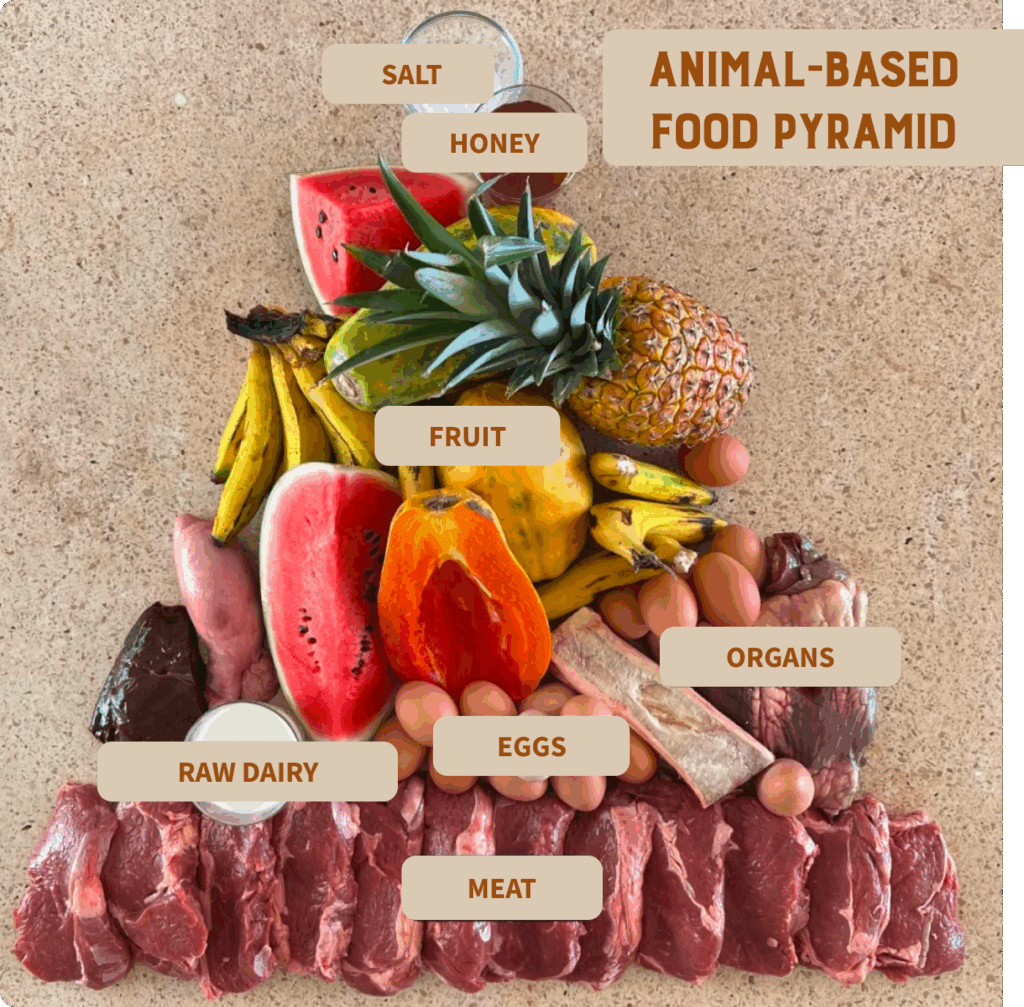
An animal-based diet is built around meat, organs, collagen-rich animal foods, fruit, honey, and dairy. The idea is to get most of your nutrition from animal foods, then use ripe fruit and honey as the main carbohydrate sources.
Humans historically sought out whole animals, including muscle meat, organs, and connective tissue, while also eating ripe fruit and honey when they were available.
That’s why the diet goes beyond simply eating steak.
Muscle meat provides protein and certain micronutrients, organs add nutrients found in different concentrations, and collagen-rich foods such as bone broth bring a different amino-acid profile.
Fruit and honey are also intentional parts of the diet, not exceptions. We suggest ripe fruit because it’s easier to digest and generally contains fewer of the plant defense compounds.
What Are the Main Principles of an Animal-Based Diet?
Heart & Soil’s animal-based diet has five core principles. Reduce industrial seed oils and heavily processed foods, build meals around animal protein, eat beyond muscle meat, get most fats from animal foods, and include carbohydrates rather than defaulting to zero-carb.

1. Remove industrial seed oils first
Before worrying about macros or building the perfect plate, reduce highly processed foods and industrial seed oils. Heart & Soil treats this as the first dietary lever to pull.
The oils they commonly avoid include:
- Corn oil
- Canola oil
- Cottonseed oil
- Safflower oil
- Sunflower oil
- Soybean oil
These show up everywhere once you start reading labels. Sauces, dressings, restaurant food, protein bars, packaged snacks, even foods that look pretty harmless can contain them.
There’s also a very simple reason to move away from highly processed food.
In a controlled NIH study, people eating an ultra-processed diet ate about 500 more calories per day than when they were given minimally processed food.
Heart & Soil puts particular emphasis on this because seed oils are concentrated sources of linoleic acid. Linoleic acid is a polyunsaturated fat. It’s more susceptible to oxidation than saturated fat, especially when exposed to heat and repeated cooking.
2. Build meals around quality animal protein
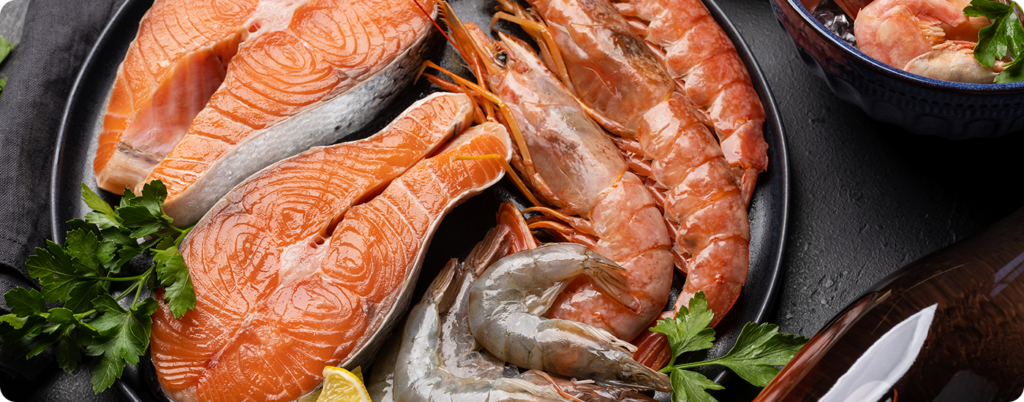
Beef, lamb, bison, venison, eggs, seafood, and dairy form the protein base of the diet.
That’s not just a preference.
Animal foods give you complete protein along with nutrients such as vitamin B12, iron, zinc, selenium, and preformed vitamin A in forms the body can use readily.
Heart & Soil puts extra emphasis on grass-fed, grass-finished ruminant meat.
And there are real nutritional differences.
In one two-year study, grass-finished beef had more omega-3 fats, vitamin E, iron, zinc, and a wider range of compounds that came from the pasture.
A newer 2025 metabolomics study found even bigger differences. Grass-fed beef contained about 3.1 times more phytochemical antioxidants, 2.9 times more vitamin A, and 4.2 times more vitamin E than the grain-fed beef it was compared with.
That does not mean grass-fed beef is magic. It means what the animal eats changes what ends up in the meat.
3. Include organs rather than eating muscle meat alone
Steak is great, but it’s not the whole animal. Organs fill gaps muscle meat does not.
Liver is loaded with vitamin A, B12, riboflavin, copper, and iron. Heart, kidney, and spleen each bring their own mix of nutrients.
One study compared 25 different food groups using 23 nutrients. Organ meats came out on top with a nutrient-density score of 754. Shellfish scored 643 and fatty fish 622.
Heart & Soil commonly uses 1–3 ounces of total organ meat per day as a practical rule of thumb. But that does not mean 1–3 ounces of liver every day.
But because liver is exceptionally concentrated, more is not automatically better. We cover serving size below.
4. Use animal fats as the default
Common animal-based fats include:
- Tallow
- Butter
- Ghee
- Bone marrow
- Egg yolks
- Full-fat dairy
- The fat naturally present in meat
There is no prize for adding extra fat to everything.
A ribeye, 80/20 ground beef, whole eggs, or full-fat dairy may already give you plenty.
The point is to get most of your fat from the same whole foods you are already eating rather than chasing isolated oils and turning every meal into a macro calculation.
5. Include carbohydrates instead of avoiding them
Animal-based eating is not zero-carb. Ripe fruit and honey are the main carbohydrate sources, with dairy and selected starches used according to activity and tolerance.
Carbohydrates are deliberately part of the framework rather than something you are expected to minimize.
That doesn’t mean everyone needs the same amount.
Someone surfing for hours, lifting hard, or training most days will usually have very different energy needs from someone who is less active.
Animal-Based Diet Food List

| Food category | Common animal-based foods | How they fit |
| Meat | Beef, lamb, bison, venison, goat | Main protein foundation |
| Organs | Liver, heart, kidney, spleen | Adds nutrients found in different concentrations from muscle meat |
| Seafood | Salmon, sardines, oysters, shrimp | Protein plus omega-3s and minerals |
| Eggs | Chicken, duck, quail eggs | Protein, fat, choline, vitamins, and minerals |
| Dairy | Milk, yogurt, kefir, cheese, butter, ghee | Included when tolerated |
| Fruit and lower-toxin plant foods | Berries, bananas, citrus, mango, melon, pineapple, avocado, squash, cucumber, zucchini | Preferred plant-based carbohydrate sources |
| Natural sugars | Honey, maple syrup | Concentrated carbohydrate sources |
| Optional starches | White rice, potatoes, sweet potatoes, yuca | Not core foods; some people include them based on tolerance, activity, and carbohydrate needs |
| Fats | Tallow, butter, ghee, bone marrow, egg yolks | Main added-fat options |
How Do I Start an Animal-Based Diet?

To start an animal-based diet, build your meals around ruminant meat, add collagen-rich foods and organs, get most of your carbohydrates from ripe fruit and honey, and let most of your fat come naturally from meat and dairy.
Step 1: Start with your protein
Put protein first. We generally suggest about 1 gram of protein per pound of body weight or goal body weight per day.
The preferred foundation is ruminant meat:
- Beef
- Bison
- Elk
- Deer
- Lamb
- Goat
Grass-fed, grass-finished meat is our first choice, but that doesn’t mean every meal needs an expensive steak. Ground beef makes this much easier and more affordable.
Chicken, pork, fish, and eggs can still fit, but we don’t put them at the center of the diet. Pay more attention to how pigs and chickens were fed and prefer eggs from pasture-raised birds that weren’t raised primarily on corn and soy.
Step 2: Don’t stop at muscle meat
A steak-only diet misses two parts of our animal-based framework.
The first is collagen-rich animal food.
Bone broth, tendons, connective tissue, and slow-cooked cuts contain much more glycine, proline, and hydroxyproline than muscle meat. We specifically suggest using bone broth alongside steak because it brings a different amino-acid profile.
You don’t need to turn that into a supplement routine.
A pot of bone broth made from beef or knuckle bones is one of the simplest ways to bring those collagen-rich tissues back into the diet.
Step 3: Add organs
Organs are the other part of the animal Heart & Soil doesn’t want people to ignore.
The reasoning is nutritional.
Muscle meat is rich in nutrients such as B12, B6, iron, and zinc. Liver brings much more copper, riboflavin, folate, and preformed vitamin A. Heart, kidney, spleen, and other organs add still different nutrients.
Fresh or frozen organs are our first choice. Freeze-dried organs are the alternative when sourcing, taste, or preparation makes fresh organs unrealistic.
Step 4: Get most of your carbohydrates from ripe fruit and honey
Carbohydrates are deliberately part of Heart & Soil’s animal-based diet.
The preferred sources include:
- Ripe fruit
- Honey
- Coconut water
- Milk
- Squash
- Avocado
- Cucumber
- Zucchini
We suggest at least around 150 grams of carbohydrate per day as a starting point and eating closer to 300 grams when you’re highly active.
The more important principle is that activity changes the equation.
White rice, sweet potatoes, yuca, and similar foods are options for additional carbohydrate sources rather than being at the center of his animal-based diet.
Some people tolerate them well and use them, particularly when they want more carbohydrate. But if you’re starting from his strictest version of the framework, fruit, honey, and dairycome first.
Step 5: Let most of your fat come with the food
You don’t need to pour extra fat over every meal. You can get much of your fat from foods such as:
- Fatty beef
- 80/20 ground beef
- Butter
- Tallow
- Full-fat dairy
- Cheese
If your meat is already fatty, there may be little reason to add more.
Roughly 30–40% of calories from fat is a useful range, but the practical advice is simpler. Start with appropriately fatty animal foods and add butter or tallow when the meal needs it.
Step 6: Add dairy if it works for you
Milk, yogurt, kefir, cheese, butter, and ghee can all fit. Dairy is optional, so there is no reason to force it if it consistently causes digestive problems.
How Do You Build an Animal-Based Meal?
Start with animal protein, add ripe fruit or another tolerated carbohydrate, and let most of the fat come from the foods already on your plate.
- Ground beef + fruit + honey + organs
- Steak + bone broth + squash + fruit
- Eggs + dairy + berries + honey
You don’t need every component at every meal. Think across the day and week rather than trying to make every plate nutritionally perfect.
Animal-Based Diet vs Carnivore Diet
The animal-based diet and carnivore diet share a strong animal-food foundation, but they are not the same diet.
| Animal-based | Carnivore | |
| Meat | Yes | Yes |
| Organs | Encouraged | Often encouraged |
| Seafood | Yes | Yes |
| Eggs | Yes | Yes |
| Dairy | Optional | Often optional |
| Fruit | Yes | No |
| Honey | Yes | No |
| Other carbohydrates | Sometimes | Generally no |
| Main idea | Animal foods + selected carbohydrates | Animal foods only or almost exclusively |
Why Does an Animal-Based Diet Include Carbohydrates?
Heart & Soil doesn’t treat carbohydrate restriction as a requirement for eating animal-based.
Dr. Paul Saladino arrived at this position after following a strict carnivore diet himself for roughly a year and a half. He has said that his sleep, muscle cramps, training, heart palpitations, and other subjective markers improved after he brought fruit, honey, and other carbohydrates back into his diet.

That is his personal experience, not proof that everyone will respond the same way.
But it does help explain why carbohydrates occupy such a central place in his version of animal-based eating.
In fact, a 2026 review of more than 160 studies found that consuming carbohydrates during exercise can improve performance, particularly during prolonged efforts.
Where do the carbohydrates come from?
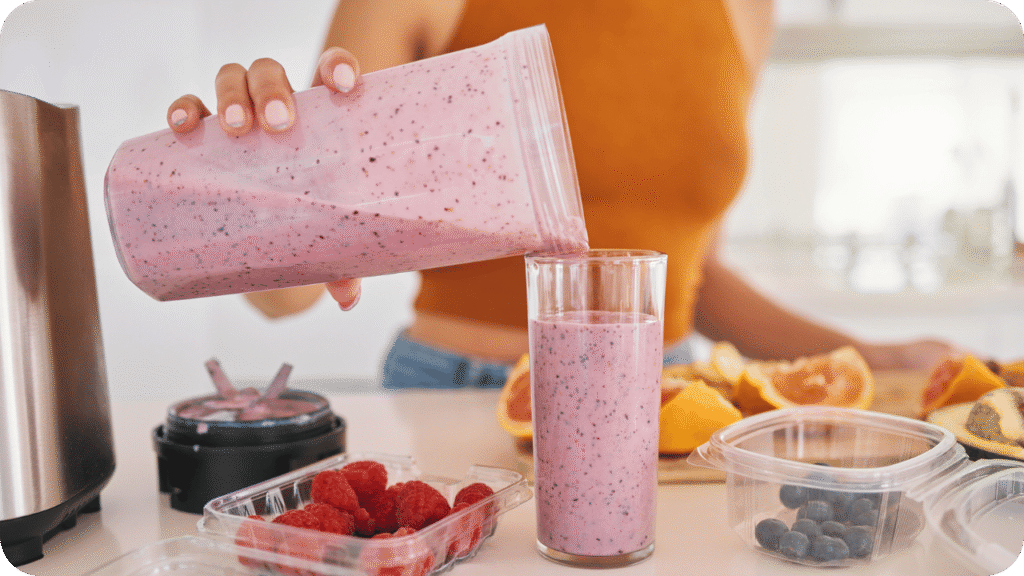
Heart & Soil generally starts with:
- Whole fruit
- Honey
- Milk
- Yogurt or kefir
- Fruit juice
Some people also use:
- Squash
- Sweet potato
- White rice
- Maple syrup
What Foods Are Limited on an Animal-Based Diet?
An animal-based diet generally limits industrial seed oils, heavily processed foods, grains, legumes, nuts, seeds, and many leafy vegetables. Fruit is treated differently and remains a core part of the diet, while foods such as white rice, potatoes, and yuca are sometimes added based on tolerance.
Industrial seed oils are already covered earlier in this guide, so the main additional distinction is how the diet treats different plant foods.
What About Plant Defense Chemicals?
The animal-based framework places plant foods on a spectrum based partly on compounds such as oxalates, phytates, lectins, and tannins.
Grains, legumes, nuts, seeds, leaves, and stems generally sit further from the center of the diet, while ripe fruit is favored.
There is some science behind specific concerns. Phytate, for example, can bind minerals in the gut. In a 2024 review of human intervention studies, 13 of 17 studies using phytate-rich foods found reduced iron or zinc bioavailability, while most interventions that lowered phytate improved mineral absorption.
That does not mean every plant compound is harmful in every amount.
Their effects change with the compound itself, dose, food preparation, the rest of the diet, and individual tolerance. Cooking, soaking, fermenting, and sprouting can also reduce or alter some of them.
The practical approach is to build most plant-food intake around ripe fruit and other well-tolerated foods. Treat grains, legumes, nuts, seeds, and many leaves as foods to limit rather than dietary staples.
Do You Need to Count Calories or Macros?
No, the animal-based diet does not require calorie or macro tracking.
Tracking can still be useful for a specific goal. Athletes may want to watch carbohydrate intake, someone gaining muscle may monitor protein, and someone intentionally changing body weight may find temporary calorie tracking useful.
Use it when it answers a question rather than making tracking another rule.
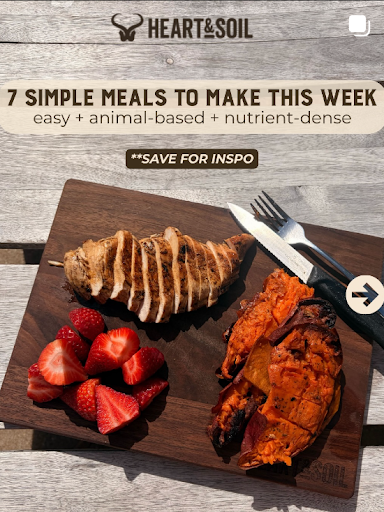
Follow Heart & Soil on Instagram for meal ideas, recipes, and more!
What Are the Potential Benefits of an Animal-Based Diet?
The strongest evidence-backed benefits of animal-based diet are greater satiety from higher protein intake, support for muscle and strength, access to nutrient-dense foods such as organs, useful carbohydrate availability for training, and the shift away from ultra-processed foods.
Greater satiety
Protein-rich meals tend to keep people fuller for longer. That can make appetite easier to manage without turning every meal into a calorie-counting exercise.
A meta-analysis of controlled trials found that higher-protein meals increased feelings of fullness compared with lower-protein meals.
Better support for muscle and strength
Getting enough protein is one of the clearest nutritional advantages of this way of eating.
When resistance training is part of the picture, higher protein intake can support gains in lean mass and strength. A meta-analysis of 49 studies involving 1,863 people found that protein supplementation improved both during resistance training.
More concentrated micronutrition
Including organs alongside muscle meat broadens micronutrient intake, particularly for vitamin A, B12, riboflavin, copper, iron, and other nutrients that occur in very different concentrations across animal tissues.
What Should You Pay Attention to Nutritionally?
On an animal-based diet, it is worth paying attention to fiber intake, your LDL response, how much liver you eat, and whether raw dairy is the right choice for you. These are not reasons to avoid the diet. They are simply areas where individual intake and response matter.
Fiber
Animal-based eating does not have to mean eating almost no fiber.
Whole fruit, avocado, squash, sweet potato, and other tolerated plant foods can all contribute. Someone eating plenty of whole fruit will have a very different fiber intake from someone eating mostly meat, dairy, honey, and juice.
A 2025 umbrella review covering more than 17 million people found that higher fiber intake was associated with better outcomes across several chronic diseases, particularly some cardiovascular and digestive outcomes.
Saturated Fat and LDL Cholesterol
Beef, butter, tallow, cheese, and full-fat dairy can make an animal-based diet relatively high in saturated fat.
Saturated fat can raise LDL cholesterol, but the size of that response is not identical for everyone.
The practical move is to look at your own numbers rather than assume how you will respond.
If you are eating a high-fat version of the diet, particularly if your LDL was already elevated, checking your lipid profile gives you something concrete to work with.
Learn more: What Causes Heart Disease? (The Truth About Cholesterol)
Vitamin A From Liver
Liver is one of the most nutrient-dense foods in the animal-based diet.
That is also why serving size matters.
A 3-ounce serving of cooked beef liver provides about 6,582 mcg RAE of preformed vitamin A. The adult upper intake level for preformed vitamin A is 3,000 mcg RAE per day. (NIH)
That means nose-to-tail eating works better when you rotate organs rather than treating liver as the only one that matters.
Raw Dairy
Raw dairy is part of Dr. Paul Saladino’s personal version of the animal-based diet, but it’s not required to eat this way.
Raw milk carries a higher risk of foodborne illness than pasteurized milk because it can contain organisms such as Campylobacter, E. coli, Listeria, and Salmonella. CDC recommends pasteurized dairy as the safer option.
That said, more illnesses are linked to leafy greens than to dairy, according to the CDC.
So this comes down to an informed choice.
Milk, yogurt, kefir, cheese, butter, and ghee can all fit an animal-based diet beautifully.
Learn more: Is Raw Milk Safe? What You Need to Know
Is the Animal-Based Diet Right for Everyone?
No. An animal-based diet may need modification or professional guidance. This is especially true for people with:
- Cardiovascular disease or markedly elevated LDL cholesterol
- Kidney disease
- Diabetes or other conditions requiring medication adjustment
- Food allergies
- Significant gastrointestinal disease
- Pregnancy-related nutritional needs
- A history of restrictive eating or an eating disorder
Do You Have to Follow the Animal-Based Diet Perfectly?
No. An animal-based diet is a starting framework, not a purity test. The goal is to give yourself a strong nutritional foundation, learn how different foods make you feel, and adjust from there.
You don’t have to change everything overnight. Heart & Soil regularly encourages people to transition into this way of eating rather than making the diet so strict that it becomes difficult to sustain.
Fruit can stay in. Carbohydrates can go up when activity goes up. You can eat at restaurants, travel, celebrate birthdays, and have meals that do not fit the framework perfectly.
Dr. Paul has described animal-based eating as a blueprint. Start with the foods that form the foundation, see how you feel, then add foods back as you learn what works for you.
The point is to eat in a way that gives you the energy, strength, and freedom to go live your life.
FAQs
What is an animal-based diet?
An animal-based diet is a whole-food approach centered on meat, organs, seafood, eggs, dairy, animal fats, fruit, honey, and selected carbohydrates. It generally removes industrial seed oils and limits heavily processed foods, grains, legumes, nuts, seeds, and many vegetables.
What foods can you eat on an animal-based diet?
Animal-based foods include beef, lamb, bison, eggs, liver and other organs, seafood, milk, yogurt, cheese, butter, tallow, fruit, and honey. Some people also include tolerated foods such as squash, sweet potato, white rice, avocado, cucumber, and maple syrup.
How do I start an animal-based diet?
Start an animal-based diet by reading ingredient labels and reducing industrial seed oils and heavily processed foods. Build meals around meat, eggs, seafood, or dairy, add fruit or another tolerated carbohydrate, and use enough fat for the meal. Heart & Soil also suggests introducing organs and transitioning gradually rather than changing everything at once.
Can you eat carbohydrates on an animal-based diet?
Yes. Carbohydrates are intentionally included in the Heart & Soil animal-based diet. Fruit is the main source, with honey, dairy, squash, sweet potato, white rice, and other tolerated foods also used. The amount can change with activity level, appetite, training, and personal goals.
Can you eat fruit on an animal-based diet?
Yes. Fruit is one of the main carbohydrate sources in the Heart & Soil animal-based approach. Berries, bananas, citrus, apples, melon, mango, pineapple, avocado, and seasonal fruit all fit the framework.
Can you eat rice or sweet potatoes on an animal-based diet?
Yes, some people following the Heart & Soil animal-based diet include white rice or sweet potatoes. The brand generally places these further along its plant-food spectrum than fruit, but they can be used when tolerated, particularly by people who want additional carbohydrate for training or energy.
Is an animal-based diet the same as a carnivore diet?
No, a carnivore diet generally removes plant foods and keeps carbohydrate intake extremely low. The animal-based diet keeps meat and organs at the center but deliberately includes fruit, honey, dairy, and sometimes other carbohydrate sources such as squash, sweet potato, or white rice.
How much protein should you eat on an animal-based diet?
On an animal-based diet, a practical protein target is about 1 gram of protein per pound of desired body weight per day. If your goal weight is 180 pounds, that works out to roughly 180 grams of protein per day. Higher or lower intakes can make sense based on body size, age, training, and overall calorie intake.
How much organ meat should you eat on an animal-based diet?
On an animal-based diet, about 1–3 ounces of total organ meat per day is a common practical range, with liver making up only part of that intake. Liver is especially concentrated in preformed vitamin A, so rotating in heart, kidney, spleen, and other organs makes more sense than eating several ounces of liver every day.
Is an animal-based diet healthy?
An animal-based diet can be healthy when it includes a broad mix of meat, seafood, eggs, dairy, fruit, organs, and other tolerated foods while keeping ultra-processed food low. The main things to watch are fiber intake, saturated fat and LDL response, vitamin A from frequent liver intake, and whether the diet becomes unnecessarily restrictive.
Related Reading
- The Complete List Of Seed Oils To Avoid
- The Ultimate Animal-Based Diet Food List (PDF Included!)
- 6 Dangers Of Eating Liver: What You Need To Know
- Key Differences Between Organic And Conventional Foods
The Bottom Line
You do not have to be convinced before you try this. You just have to try it!
Give your body a few weeks of real, nutrient-dense food and pay attention to what changes: your energy, your sleep, your gut, your mood, your skin. Thousands of people have made this same shift and come out the other side feeling like a different person, not because of willpower, but because their body finally got what it had been missing.
This is not about perfection or permanent restriction. It is about giving your body what it needs to run the way it was designed to run
Beef Organs
Nature's Ultimate Multivitamin
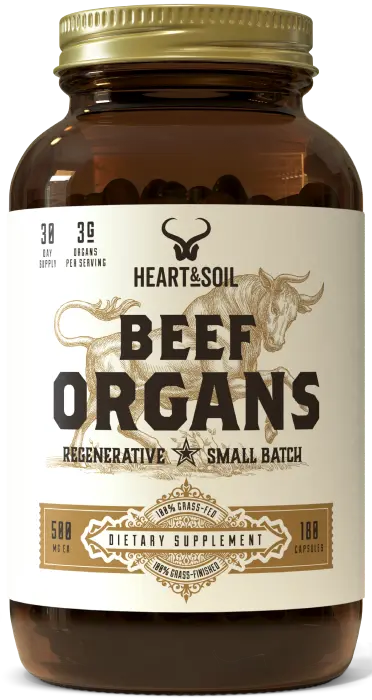
- Grass-fed liver, heart, pancreas, kidney, & spleen
- Designed to support overall energy & well-being
- Ideal daily foundation for nose-to-tail nutrition
60-day risk-free guarantee. No questions asked.
Subscribe to future articles like this:
