
PLEASE NOTE: The information in this blog is for educational purposes only. It is not a substitute for professional medical advice. Consult your healthcare provider if you’re seeking medical advice, diagnoses, or treatment.
Your pancreas does two of the most critical jobs in your body simultaneously:
1) It produces digestive enzymes that break down everything you eat.
2) It secretes insulin and glucagon to regulate your blood sugar.
When it struggles, everything downstream struggles too. Yet most people never think about pancreatic health until something goes wrong.
If you are researching pancreas health supplements, this post gives you an honest, research-grounded answer about what is worth your attention and what is not.
Table of Contents
TL;DR
What are the best pancreas health supplements?
No supplement “cleanses” or “detoxes” the pancreas. That concept has no biological basis. What the research does support is that specific nutrients, primarily zinc, selenium, vitamin D, and fat-soluble antioxidants, play direct roles in pancreatic beta cell function, insulin secretion, and protection against oxidative damage to pancreatic tissue (1, 2, 3).
From an ancestral perspective, one of the most targeted ways to support the pancreas is through desiccated pancreas supplements sourced from healthy animals. The principle is simple: like supports like. Desiccated pancreas naturally contains pancreatic peptides, enzymes, and cofactors alongside the nutrients the pancreas depends on to function properly.
Combined with a nutrient-dense, animal-based diet rich in organ meats and seafood, a high-quality grass-fed desiccated pancreas supplement may provide more comprehensive support than isolated synthetic nutrients alone.
What Does Your Pancreas Actually Do?
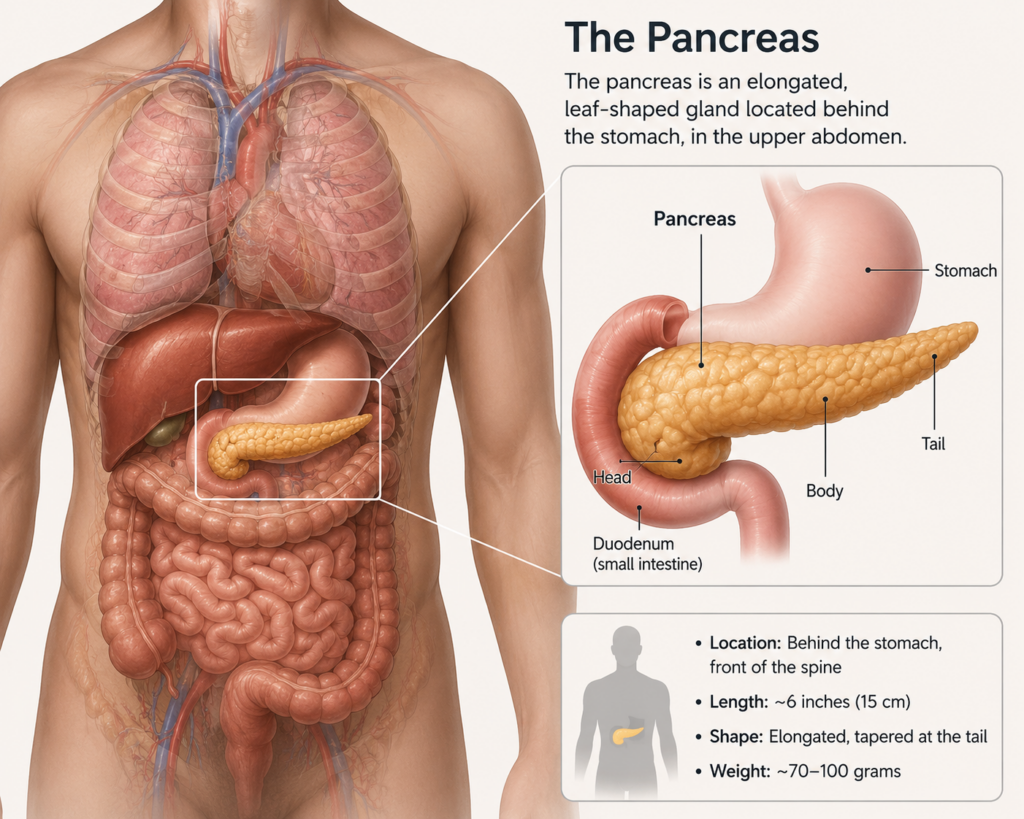
The pancreas is a dual-function organ located behind your stomach. Understanding both functions clarifies why nutrition matters so much for keeping it healthy.
- Exocrine Function: Digestion
Around 90% of the pancreas is exocrine tissue (4). These cells produce pancreatic juice containing digestive enzymes, including:
- Amylase → breaks down carbohydrates
- Lipase → breaks down fats
- Proteases → break down proteins
This juice flows into the small intestine to complete digestion. When exocrine function is impaired, the condition is called exocrine pancreatic insufficiency (EPI), leading to malabsorption of nutrients, particularly fat-soluble vitamins (5).
- Endocrine Function: Blood Sugar Regulation
Around 2% of the pancreas’s mass consists of clusters of cells called the islets of Langerhans, including alpha cells and beta cells. Each cell releases hormones in response to various signals. Together they maintain glucose homeostasis, the narrow blood sugar range your brain, liver, and kidneys depend on (6).
When beta cells are damaged or depleted, insulin secretion falters, which is the central mechanism behind type 1 and type 2 diabetes (7).
Common Conditions That Affect the Pancreas
Understanding what can go wrong with the pancreas helps clarify why nutritional support matters in the first place.
Pancreatitis is inflammation of the pancreas, occurring in both acute and chronic forms. Acute pancreatitis often resolves with medical treatment, but chronic pancreatitis causes progressive, irreversible damage to pancreatic tissue. Alcohol consumption and gallstones are the 2 leading causes (8).
Type 2 Diabetes is directly linked to pancreatic beta cell dysfunction. When beta cells are chronically overworked by high sugar and refined carbohydrate intake, they progressively lose the ability to secrete adequate insulin (9).

Pancreatic Cancer is one of the most difficult cancers to detect early and one of the most aggressive. While the exact cause is unknown, high-risk factors include smoking, alcohol, and chronic pancreatitis. Other factors include blood type, glucose and lipid levels, and the metabolism of microorganisms (10).
Exocrine Pancreatic Insufficiency (EPI) occurs when the pancreas no longer produces enough digestive enzymes to break down food properly. There are a variety of causes, including alcohol use disorder, genetics, autoimmune diseases, and more. EPI causes fat malabsorption, nutrient deficiencies, and digestive symptoms, including floating stools, bloating, and unintentional weight loss. EPI requires medical diagnosis and is typically managed with prescription enzyme replacement therapy, not OTC supplements (11).
The “Pancreas Cleanse” Problem: Setting the Record Straight
Before discussing pancreas health supplements worth taking, it is important to address the term people search for most: pancreas cleanse supplements.
Your pancreas does not need to be cleansed. Senior clinical dietitian Maria Petzel of MD Anderson Cancer Center’s Pancreas Surgery Program states clearly that the body naturally detoxifies continuously through the liver, kidneys, lungs, and skin, and that fasting-based “cleanses” may actually suppress this natural process (12). There is no product that performs a “cleanse” of a specific organ. Products marketed this way are making claims with no biological mechanism behind them.
What you can do is support your body’s metabolic health and natural detoxification processes through regular exercise, sauna usage, avoiding alcohol, maintaining daily bowel movements, and staying hydrated.

Pancreatic Insufficiency and Nutrient Deficiencies
People with impaired pancreatic function consistently show deficiencies in the same cluster of nutrients. A 2022 review found that clinicians should routinely test patients with pancreatic disease for deficiencies in vitamin A, D, E, K, B12, iron, zinc, selenium, and copper (13). These are not coincidental deficiencies. They reflect which nutrients are most critical to pancreatic function and most vulnerable to malabsorption when the pancreas is compromised.
This is why pancreas health supplements are best understood not as products that fix the pancreas, but as tools that ensure the pancreas has the raw materials it needs to function.
Key Nutrients That Support Pancreatic Health
Zinc
Zinc is arguably the most important single mineral for pancreatic health, and the research is direct. Zinc is essential for the correct processing, storage, secretion, and action of insulin in beta cells (14). Insulin is stored inside beta cell granules as zinc-insulin hexamers, meaning zinc is structurally built into how insulin is packaged and released. The total zinc content of the mammalian pancreas is among the highest of any organ in the body (15).
Changes in zinc levels in the pancreas are directly associated with diabetes (16). Getting adequate zinc from food is therefore not optional for anyone prioritizing blood sugar health and pancreatic function.
Best animal-based sources: Oysters (by far the highest concentration of any food), beef, lamb, organ meats.
Why Animal-Based Zinc Matters
Plant-based zinc is bound by phytates that significantly reduce absorption (17). Oysters deliver over 500% of the daily value of bioavailable zinc per 100-gram serving (18). No plant food comes close in either quantity or bioavailability.
Learn more: The 5 Best Foods High in Zinc to Add to Your Diet
Selenium
Selenium plays a dual role in pancreatic health: it is a direct antioxidant protecting pancreatic cells from oxidative damage, and it has been associated with reduced risk of pancreatic cancer in prospective cohort research.
A large cohort study published in Gut found that participants consuming the highest amounts of vitamins C, E, and selenium were approximately 67% less likely to develop pancreatic cancer than those consuming the least (19). Selenium showed a threshold effect, meaning reaching adequate intake, not megadosing, was the key protective factor.
Best animal-based sources: Oysters, kidney, liver, sardines, beef.
For more on selenium and its role in thyroid function, which also connects to pancreatic metabolic health, read: 15 Tips to Naturally Improve Thyroid Function.
Vitamin D
Pancreatic beta cells express vitamin D receptors (VDR) and the enzyme required to activate vitamin D locally, meaning the pancreas does not just respond to vitamin D, it processes it on-site (20). Vitamin D deficiency is associated with impaired insulin secretion, and vitamin D also appears to protect beta cells from cytokine-induced cell death, suggesting a direct immune-protective role in pancreatic tissue (21, 22, 23).
Best animal-based sources: Fatty fish, egg yolks, liver. Supplementation with D3 is often necessary for people with limited sun exposure, especially in the winter months.

Fat-Soluble Antioxidants: Vitamins A and E
The same Gut cohort study found that the combination of vitamins C, E, and selenium was associated with a 67% reduction in pancreatic cancer risk (24). Vitamins A and E, both fat-soluble, help protect pancreatic cells from free radical damage and chronic oxidative stress, a primary driver of tissue inflammation and cellular dysfunction (25).
Vitamin A is also critical to exocrine pancreatic function specifically. Patients with pancreatic disease frequently show depleted retinol levels, and clinical guidelines now include vitamin A among the nutrients routinely tested and replaced (26).
Best animal-based sources: Beef liver is the single most concentrated source of preformed vitamin A (retinol) of any food. Eggs and grass-fed butter provide meaningful vitamin E.
Learn more: The 14 Best Foods For Vitamin A (Why They’re So Powerful)
B Vitamins, Particularly B6 & B12
A 2020 meta-analysis found that higher vitamin B6 intake was associated with a 37% lower risk of pancreatic cancer compared to lowest intake (27). B6 supports one-carbon metabolism, the same biochemical pathway that governs DNA integrity in rapidly dividing pancreatic cells.
B12 status is directly tied to pancreatic function through a lesser-known mechanism. The pancreas secretes R-proteins required for B12 absorption in the small intestine. When the pancreas is insufficiently producing these proteins, B12 absorption breaks down, research documented that patients with pancreatic insufficiency show measurable B12 malabsorption that corrects when pancreatic enzyme levels are restored (28).
Best animal-based sources: Liver, kidney, beef, oysters, and eggs.
Liver and Pancreas Health Supplements: Why They Go Together
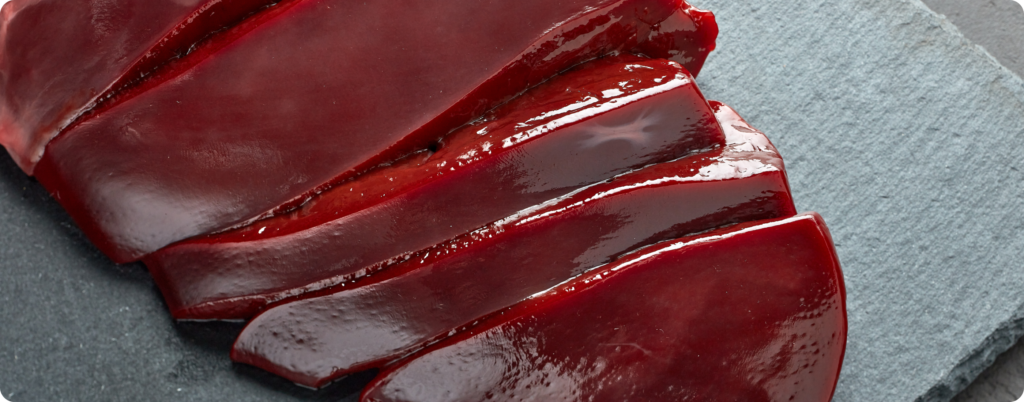
The pancreas and liver are functionally linked (29). Bile produced by the liver is required to activate pancreatic lipase, the enzyme that digests dietary fat. When liver function is impaired, fat digestion suffers even if the pancreas itself is healthy. Conversely, poor pancreatic enzyme output puts additional strain on the liver’s metabolic workload.
This is why people searching for supplements for pancreas and liver are asking the right question. The 2 organs are best supported together. The nutrient overlap is substantial: both benefit from selenium, zinc, vitamin A, B12, and antioxidant protection.
From an animal-based perspective, beef liver is the single most nutrient-dense food for both organs simultaneously. It is the richest dietary source of preformed vitamin A, B12, copper, and folate, all nutrients that support both hepatic and pancreatic function.
Learn more: Non-Alcoholic Fatty Liver Disease and an Animal-Based Diet
What About Pancreatic Enzyme Supplements?
Pancreatic enzyme supplements require an important distinction.
Prescription pancreatic enzyme replacement therapy (PERT) is FDA-approved for diagnosed exocrine pancreatic insufficiency. These products contain standardized, clinically validated amounts of lipase, amylase, and protease and are a legitimate medical intervention for confirmed EPI (30).
Over-the-counter enzyme supplements are not equivalent. The contents of OTC enzyme products vary widely, are not standardized, and cannot guarantee therapeutic doses. A double-blind crossover study did find that microencapsulated pancreatic enzymes reduced bloating, gas, and fullness in healthy subjects after a high-fat meal (31), suggesting modest digestive support value. However, this is a far more limited claim than what many supplement brands advertise.
If you have symptoms of digestive insufficiency, including fat malabsorption, floating stools, or undigested food in stool, speak with a healthcare provider before reaching for an OTC enzyme product.
The Animal-Based Approach to Pancreas Support
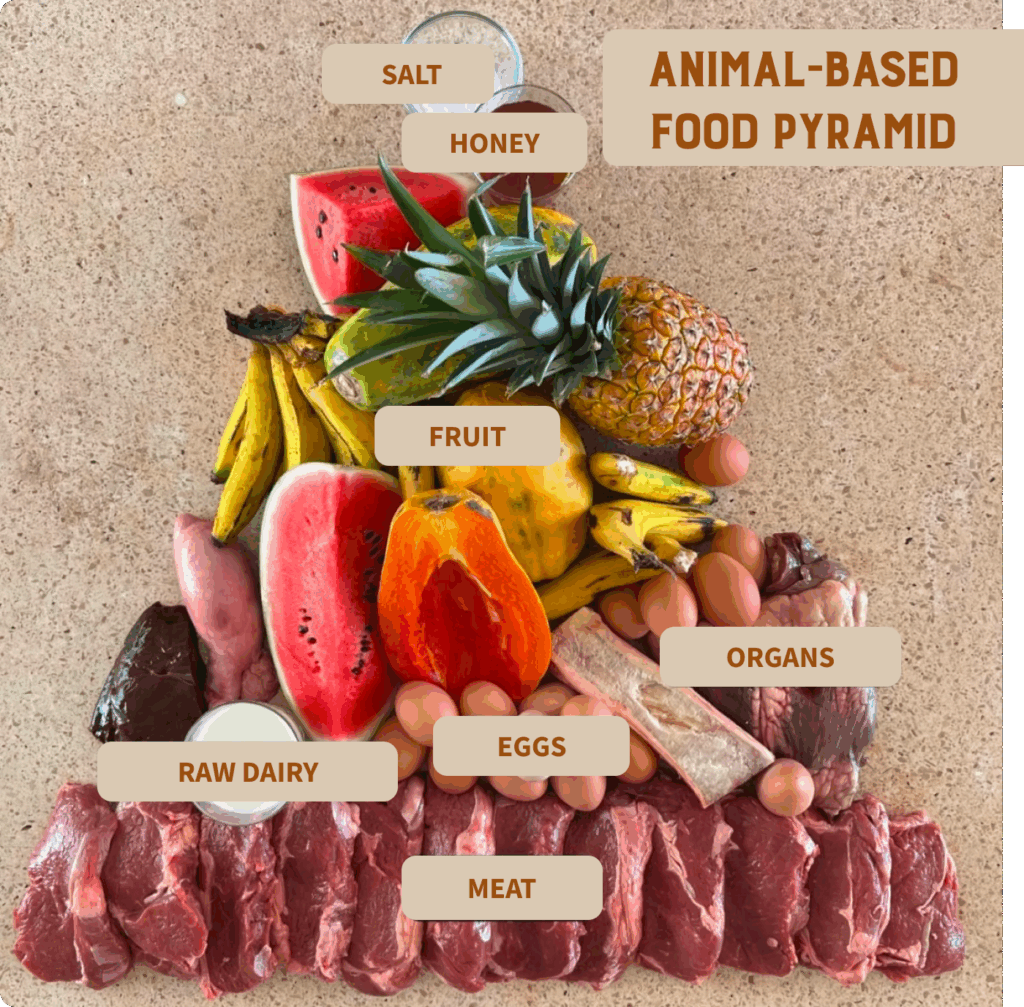
The most honest answer to “what supplements are good for the pancreas” is that real food comes first, and supplements fill verified gaps.
An animal-based diet centered on organ meats, muscle meat, eggs, and seafood provides the highest concentration of every nutrient the pancreas needs, in the forms most bioavailable to the human body. Liver delivers vitamin A, B12, copper, and folate. Oysters deliver zinc and selenium. Eggs deliver vitamin D and choline. None of these requires a product labeled “pancreas support.”
Where targeted supplementation makes the most sense:
- Vitamin D3: Deficiency is widespread, and its role in beta cell function is direct and well-documented
- Organ supplements: For people who do not eat liver or oysters regularly, a quality organ supplement like Heart & Soil’s Beef Organs concentrates the same nutrient profile in capsule form
Beef Organs
Nature's Ultimate Multivitamin
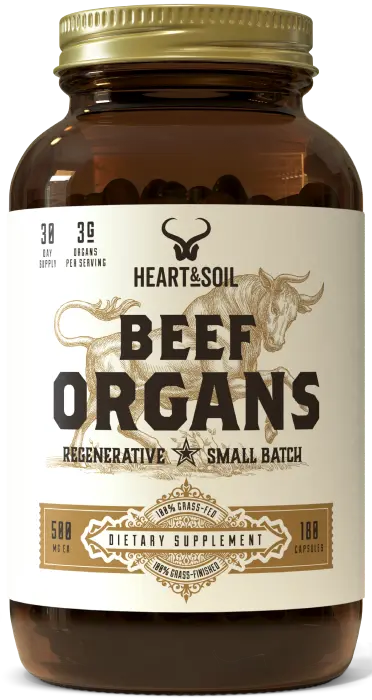
- Grass-fed liver, heart, pancreas, kidney, & spleen
- Designed to support overall energy & well-being
- Ideal daily foundation for nose-to-tail nutrition
60-day risk-free guarantee. No questions asked.
How to Choose a Quality Pancreas Health Supplement
The supplement market for pancreatic health is crowded with products making claims that outrun their evidence. Here is what to look for and what to avoid.
Prioritize whole-food organ supplements over synthetic isolates. Freeze-dried organ meats in supplement form deliver nutrients in the matrix your body recognizes, alongside cofactors that improve absorption and utilization. A grass-fed beef liver supplement provides retinol, B12, copper, and folate together, the same way they appear in food, rather than as isolated synthetic compounds competing for absorption.
Check for third-party testing. Any supplement worth taking should have independent third-party verification of its potency and purity. This is especially important for glandular products, which vary significantly in quality and standardization between manufacturers.
Avoid products making pancreas-specific treatment claims. No supplement is approved to treat pancreatitis, improve insulin secretion, or manage diabetes. Any product claiming to do these things is making claims that exceed the evidence. This is not just a credibility issue, it is a safety issue for people who might delay appropriate medical care in favor of an unregulated product.
What Heart & Soil recommends instead: Rather than a product specifically marketed as a pancreas supplement, the more honest approach is to prioritize the nutrients that the research actually supports. Heart & Soil’s Beef Organs covers the liver-derived nutrients (vitamin A as retinol, B12, copper, folate) that support both pancreatic and liver function in a whole-food form your body uses efficiently. Pair that with consistent dietary zinc and selenium from oysters and you are covering the most critical bases without relying on unsubstantiated “pancreas blend” marketing.
Learn more: Are Heart & Soil Organ Supplements Safe? (The Truth)
Pancreas Health Supplements FAQ
Q: Do pancreas cleanse supplements work? A: No. The concept of cleansing a specific organ has no biological basis. Your liver and kidneys continuously handle detoxification. The more productive focus is removing inputs that burden the pancreas, such as processed foods, while providing the nutrients it actually needs (32). Pair a proper diet with healthy lifestyle habits such as regular exercise (33).
Q: What supplements are good for the pancreas? A: The nutrients with the strongest research support for pancreatic function are zinc, selenium, vitamin D, and fat-soluble antioxidants (vitamins A and E). These support beta cell function, protect against oxidative damage, and address the deficiencies most commonly seen in pancreatic disease (34). The best sources are animal-based foods, particularly liver, oysters, kidney, eggs, and fatty fish.
Q: Can supplements directly improve pancreatic enzyme production? A: Nutritional supplements do not directly stimulate enzyme production in a healthy pancreas. Prescription enzyme replacement therapy (PERT) is the appropriate intervention for diagnosed exocrine pancreatic insufficiency (35). OTC enzyme supplements offer modest digestive support but are not equivalent to PERT and should not replace medical evaluation.
Q: Are supplements for the pancreas and liver the same? A: There is significant overlap. Both organs benefit from selenium, zinc, vitamin A, B12, and antioxidant protection. A nutrient-dense animal-based diet supports both simultaneously.
Q: Does alcohol damage the pancreas? A: Yes. Excessive alcohol intake is one of the leading causes of both acute and chronic pancreatitis (36). This is among the most important lifestyle factors for long-term pancreatic health and is more impactful than any supplement.
Q: What is the single most important dietary change for pancreatic health? A: Eliminating or dramatically reducing ultra-processed foods removes a primary dietary driver of pancreatic stress (37). Adding organ meats, particularly liver and oysters, covers most of the nutrient gaps the pancreas depends on.
Bottom Line: Pancreas Health Supplements
The pancreas needs zinc to store and secrete insulin. It needs selenium and fat-soluble antioxidants to protect its cells from oxidative damage. It needs vitamin D for beta cell function and survival. B vitamins support the cellular processes involved in normal metabolic function. These are not obscure supplement ingredients. They are nutrients concentrated most powerfully in animal organs, seafood, and eggs, the same foods humans have relied on for hundreds of thousands of years.
No pill labeled “pancreas cleanse” delivers what a consistent nutrient-dense diet and healthy lifestyle delivers. If you are serious about pancreas health, start by getting these foundational nutrients from real animal-based foods, add vitamin D3 if your levels are low, and use organ supplements to complete your diet.
Subscribe to future articles like this:
