
If you’re trying to lose body fat, it’s easy to start treating every meal like a math problem. You might see the scale move, but that doesn’t tell you whether you’re eating enough protein to maintain muscle or whether you’re hungry again an hour after eating.
When you’re eating less, what stays on your plate matters even more. Meat, eggs, and dairy provide complete protein alongside other nutrients, while a shake can help on days when cooking another meal just isn’t realistic. Finding the lowest-calorie tub won’t answer every question about how well you’re eating.
We’d rather see someone build meals they enjoy than spend every afternoon swapping one unsatisfying shake for another. Protein quality, fullness, and the rest of your diet all deserve attention because changing your body composition shouldn’t mean forgetting to nourish yourself.
That’s the thinking behind our unflavored Grass-Fed Whey at Heart & Soil. We make it to help you add complete protein to food you’re already eating, not to promise that a scoop will burn body fat. Here’s how to compare powders without losing sight of the meals that matter most.
Disclaimer: The information in this blog is for educational purposes only. It is not a substitute for professional medical advice. Consult your healthcare provider if you’re seeking medical advice, diagnosis, or treatment. These statements have not been evaluated by the Food and Drug Administration. Our products are not intended to diagnose, treat, cure, or prevent any disease.
Table of Contents
Key Takeaways
A lower number on the scale gives you only part of the picture. When you eat less, you still need the nutrients that help you stay strong, satisfied, and capable. That’s why we’re interested in the quality of what remains on your plate.
- Protein powder doesn’t directly burn fat. It can help you maintain protein intake, manage hunger, and support lean-mass retention during a calorie deficit.
- Protein quality matters. Complete proteins such as whey provide essential amino acids and leucine that are especially relevant to muscle preservation.
- The lowest-calorie powder isn’t necessarily best. Compare how much useful protein you receive for those calories.
- Resistance training strengthens the strategy. Protein supplies amino acids, while training gives muscles a reason to adapt and remain strong.
- Choose a formula you can use consistently. Digestive tolerance, flavor, ingredient preferences, and cost all influence whether a supplement fits your routine.
Nourishment Belongs in the Weight-Loss Conversation
There’s a reason we talk so much about real food. A good meal does more than hit a calorie target, and reducing the amount you eat doesn’t make its nutritional value any less important. If a shake helps, it should help the meal, not push the meal aside.
Does Protein Powder Help With Weight Loss?
Protein powder can be helpful while you’re losing weight, but a scoop doesn’t melt fat on its own. It may make it easier to eat enough complete protein while your meals change, and protein-rich foods can help you feel satisfied. We’d still start with the food on your plate, because the goal is nourishment, not a daily battle with a calorie app.
In a meta-analysis of whey supplementation and body composition, some favorable outcomes appeared, particularly in settings that also included exercise or dietary changes. We wouldn’t interpret those results as whey burning fat. The practical value is that it can replace a low-protein snack or improve a light meal while you manage overall energy intake.
Why Protein Quality Matters During Weight Loss
When you’re eating less, your muscles don’t stop needing protein. That’s where quality matters, especially if you’re trying to keep training and stay strong. A scoop built mostly around collagen isn’t giving you the same essential amino acids as one made from whey, even if the numbers on the front look similar.
A 2024 meta-analysis in adults with overweight or obesity associated higher protein intakes with better muscle preservation during weight loss. That’s one reason we look beyond the number of protein grams on a tub. Whey supplies substantial leucine and all essential amino acids, while a collagen-dominant powder may give you the same labeled protein grams without comparable muscle-oriented nutrition.
Not All Protein Powders Nourish Muscle Equally
Two powders can both say twenty grams of protein, yet deliver very different amino acids. That’s easy to miss when the conversation is dominated by calories and grams of sugar. Your muscles deserve a little more attention than that.
What Is the Best Type of Protein Powder for Weight Loss?
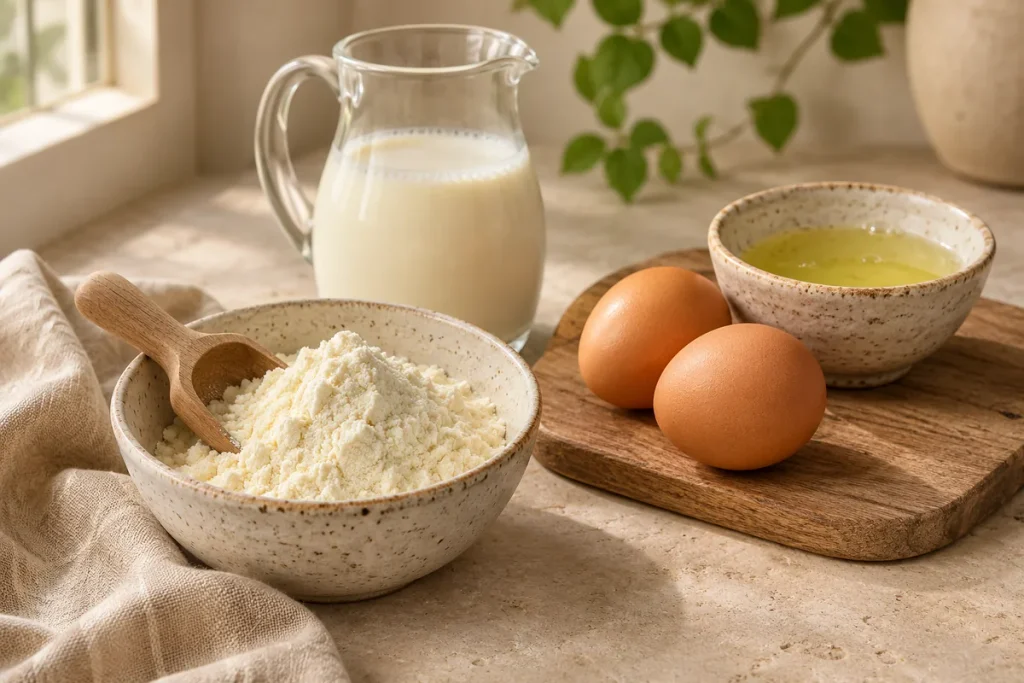
If keeping muscle is the priority, whey is a sensible place to start when dairy works for you. It gives you complete protein and plenty of leucine without a complicated ingredient list, while egg protein offers another route if milk isn’t an option. The goal isn’t to find the smallest shake, but to make sure you’re still feeding your body well.
Whey Protein and Weight Loss
Whey can make a light breakfast more substantial or help when a meal doesn’t provide much protein. What it won’t do is quietly burn fat while you get on with your day. It belongs in the larger picture of nourishing meals and movement, not in a story about effortless results.
Is Whey Better Than Collagen for Weight Loss?
For keeping muscle nourished while you lose fat, whey is generally the stronger main protein. It brings all nine essential amino acids, including more leucine than collagen. We still value collagen-rich foods because they bring a different piece of nose-to-tail nutrition, and there’s room for both.
What About Casein for Weight Loss?
Casein is another complete dairy protein, but it digests more slowly than whey. Some people enjoy it as a substantial snack or before a long stretch between meals. Whether that suits you matters more than claiming one milk protein will somehow do the dieting for you.
What About Beef Protein Powder for Weight Loss?
Beef protein can work, but you need to check which tissues were used to make the powder. Some powders are heavy in collagen-derived protein, while others may provide a more complete profile. If keeping muscle is the goal, ask for the amino acids instead of assuming beef on the label means steak in a scoop.
Is Egg-White Protein Good for Weight Loss?
Egg-white protein is worth considering if dairy doesn’t agree with you, since it provides all nine essential amino acids without milk. It’s a practical food-derived option for muscle nutrition, although it doesn’t come with special fat-loss powers.
Read the Nutrition Panel With a Bigger Picture in Mind
A shake with the fewest calories isn’t always the most useful choice, especially if it leaves you short on protein or hungry again soon afterward. We’d look at what the serving contributes, what comes with it, and how it fits the meals you actually eat.
How Much Protein per Serving Should You Look For?
For many adults, a scoop with around twenty to thirty grams of complete protein is a practical place to start. But it still needs to fit what you eat across the day. A number can guide a purchase without becoming another rule that makes food stressful.
The right amount varies with body size, daily protein intake, health, and activity. A smaller serving may be sufficient when you’re consuming protein-rich meals throughout the day. A larger serving may help when appetite is limited or when several meals contain relatively little protein. What matters is how the serving contributes to your overall nutrition, rather than whether it reaches one universal number.
Does Leucine Matter During Weight Loss?
Leucine matters because it helps signal muscle protein synthesis, and preserving muscle is worth thinking about while you’re eating less. The catch is that a signal needs the rest of the essential amino acids to turn into tissue. That’s why we look at complete protein instead of treating leucine as a magic button.
Our unflavored Grass-Fed Whey currently lists approximately 2.5 grams of leucine per serving, alongside all nine essential amino acids. We wouldn’t treat that figure as a universal threshold for every person. Protein needs and muscle responses depend on the broader diet, activity, age, and body size.
Protein Quality vs. Calories: What Matters More?
Both calories and protein quality matter, but not in the way a front label suggests. A ninety-calorie scoop with less complete protein isn’t automatically a better bargain than a slightly larger serving that gives your muscles more of the amino acids they need. Read those numbers together and the choice becomes clearer.
| Feature | Powder A | Powder B |
| Calories | 90 | 120 |
| Protein | 15 g | 25 g |
| Protein quality | Incomplete | Complete |
| Main use | Complementary protein | Muscle-focused protein |
If you’re preserving muscle during a deficit, those extra calories may be well spent. Compare the protein quality and amount before using the lowest calorie number as your deciding factor.
Should You Choose the Lowest-Calorie Protein Powder?
Not automatically. The lowest-calorie powder may also be the one that delivers the least useful protein, and that tradeoff matters when you’re trying to preserve muscle. We’d rather compare how much complete protein you’re getting than let the smallest number win by default.
How Much Sugar Should a Weight-Loss Protein Powder Have?
A powder with less added sugar may fit your meals better, but don’t let one number distract you from everything else. Check the protein, serving size, and what you plan to mix it with. A little sweetness doesn’t cancel out nourishment, and a low-sugar label can’t rescue a poor protein source.
Are Zero-Carb Protein Powders Better for Weight Loss?
A zero-carb powder isn’t automatically better for fat loss, because the rest of your diet still determines your energy intake. Carbohydrates provide energy, and a modest amount in a protein shake can fit a calorie-controlled diet. If you prefer very-low-carb eating, that’s a reasonable reason to compare those formulas, but it doesn’t make one inherently more effective for losing fat.
Are Artificial Sweeteners Bad for Weight Loss?
Artificial sweeteners aren’t inherently incompatible with weight-loss goals, since some products use them to provide sweetness without adding substantial sugar calories. That convenience may help someone who enjoys sweet shakes, while another person may dislike the taste and prefer an unsweetened formula. Whether sweetness helps with consistency or makes a product unpleasant depends on the person using it.
The Best Plan Still Has to Work at Mealtime
Imagine the days when a shake gets you through a busy morning, and the days when you’d give almost anything for a proper lunch. Both are real life. The goal is to keep eating nourishing meals consistently, not to win an imaginary contest for the most disciplined shaker bottle.
Does Protein Keep You Full?
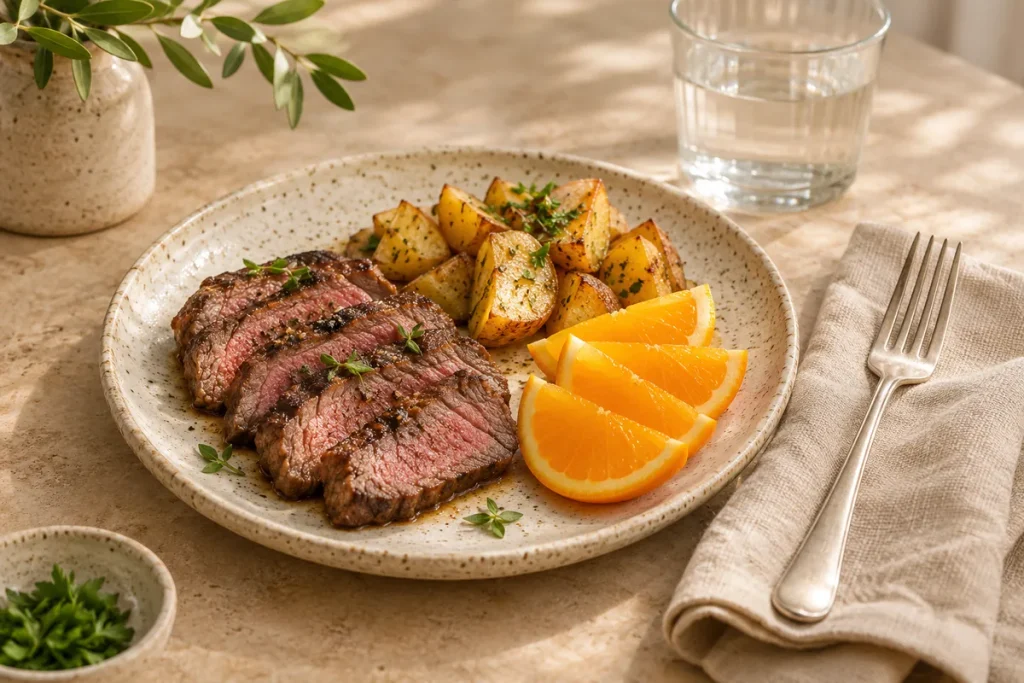
Protein can help with fullness, although a shake doesn’t always satisfy the way a real meal does. We’ve all had something that seemed substantial on paper and left us opening the fridge an hour later. Pay attention to how your body responds instead of assuming liquid and solid food are identical.
Liquid calories can be less filling than a meal that requires chewing, however. If you’re regularly hungry after a shake, try building a protein-rich meal with meat, eggs, dairy, or other foods you enjoy instead of adding more powder. The goal is to manage hunger while still getting sufficient nutrition, not to turn every meal into a drink.
Protein Shake vs. Meal Replacement for Weight Loss
A protein shake is a supplement to food, while a meal replacement is meant to stand in for a larger set of nutrients. That’s an important distinction when you’re eating less. We prefer to start with real meals and use a scoop to fill the protein gaps they don’t quite cover.
Should You Drink Protein Before or After a Workout for Weight Loss?
Either timing can work, because total daily protein intake and resistance training tend to matter more than scheduling a shake to the minute. Protein around exercise can supply amino acids for muscle maintenance and adaptation, but the rest of your eating pattern still counts.
Why Resistance Training Matters During Weight Loss
Resistance training matters during weight loss because it reminds your muscles they’re still needed. Protein helps provide the materials for that work, but a shake without the activity isn’t the same thing. The two belong in the same conversation when strength matters to you.

Can Protein Powder Prevent Muscle Loss During Weight Loss?
Enough complete protein and resistance training can help you hold on to muscle during weight loss, but a powder can’t guarantee what happens to your body composition. It’s useful because it makes protein easier to get when appetite or meal size changes, not because it has a special power to preserve every ounce of muscle.
How Much Protein Do You Need While Losing Weight?
Protein needs during weight loss vary by body size, activity, age, and medical circumstances. Research in adults with overweight or obesity suggests that higher protein intake can be useful for preserving muscle during calorie restriction.
One meta-analysis associated intakes above approximately 1.3 grams per kilogram per day with better muscle preservation in the population studied, while lower intakes were associated with a greater risk of muscle loss. The study population matters when applying those results. The amount appropriate for you depends on your circumstances, particularly if you’re older, physically active, or managing a health condition.
Different People Need Different Kinds of Help
Not everyone’s trying to solve the same problem, and that’s why one ranking rarely fits everybody. Someone lifting weights while eating less may need something different from someone avoiding dairy or managing a change in appetite. It’s better to ask what would actually help than follow the category on the front of the tub.
Best Protein Powder for Women Trying to Lose Weight
Women trying to lose fat benefit from the same complete-protein principles as men, so it makes sense to look for substantial protein, meaningful leucine, and a reasonable amount of protein for the calories. Preserving muscle becomes an especially important part of the conversation for women over 40 or 50.
Best Protein Powder for Men Trying to Lose Weight
Men trying to lose fat should also prioritize complete protein, sufficient daily intake, and resistance training. Whey and other complete proteins can help maintain amino-acid availability during calorie restriction. The ideal serving size depends on body size, dietary intake, and training rather than a universal male-specific protein formula. Compare complete protein, calories, and additional ingredients before accepting a fat-loss marketing claim.
Best Protein Powder if You’re Using GLP-1 Medication
A complete protein powder can be convenient for people using GLP-1 medication when appetite is reduced and ordinary meals become harder to finish. Eating less may also mean eating less protein, so a practical whey or egg-protein serving can help fill a gap without requiring a large meal.
It isn’t a guaranteed solution to medication-associated muscle loss, though, and it doesn’t replace appropriate medical nutrition advice. If persistent nausea, vomiting, or very limited intake is affecting your ability to eat, discuss it with the clinician managing your treatment rather than trying to solve the problem with shakes alone.
What Should You Avoid in a Weight-Loss Protein Powder?
We’d be most skeptical of a company promising dramatic fat loss without explaining how much complete protein is in the product. A powder with little complete protein, vague blends, and stimulant-heavy extras is a different proposition from a simple protein supplement. These are the label details we’d examine before trusting the marketing.
- Low protein density: A large serving contains relatively little actual protein.
- Poor essential-amino-acid quality: The powder is collagen-heavy despite being marketed primarily for muscle preservation.
- Excessive added sugar for your needs: Additional calories make the product less useful for your chosen diet.
- Stimulant-heavy proprietary blends: The formula includes caffeine, herbs, or other substances unrelated to ordinary protein nutrition.
- Unsupported metabolic claims: Promises to melt belly fat, reset metabolism, or selectively eliminate visceral fat go beyond what protein powder can establish.
Why We Favor an Uncomplicated Addition to Food
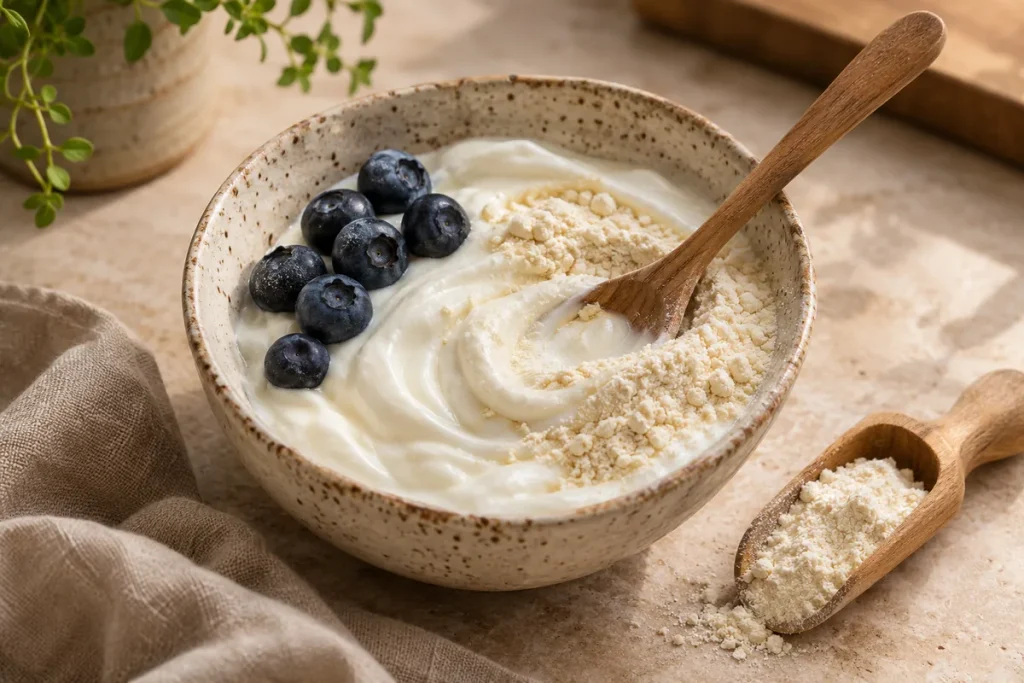
We make an unflavored whey because it gives people room to build a shake or meal around real food. Add fruit if you want it sweet, stir it into yogurt, or leave the tub alone when you’ve already eaten enough protein. That’s the kind of flexibility we value.
Is Unflavored Protein Powder Better for Weight Loss?
Unflavored powder can be useful because you get to decide what goes into the shake. Fruit, honey, milk, or yogurt can turn a plain scoop into something you actually want to eat. We value that flexibility more than another marketing claim about the perfect weight-loss shake.
How Our Grass-Fed Whey Fits Weight-Loss Goals
Our Grass-Fed Whey is a convenient source of complete animal protein, not a fat-loss formula. The unflavored version contains only whey protein concentrate, and current product information lists roughly 24–25 grams of protein with 2.5 grams of leucine per serving. That’s useful when you want meaningful essential amino acids without preparing another full meal.
Best Protein Powder for Weight Loss by Goal
Different nutritional priorities can influence which protein source fits best.
| Goal | Better Fit |
| Preserve muscle during fat loss | Complete protein such as whey |
| Support resistance training | Whey or another leucine-rich complete protein |
| Avoid dairy | Egg-white protein or verified high-quality beef protein |
| Limit added sugar | Unsweetened or low-added-sugar protein |
| Follow a very-low-carb diet | Appropriate unsweetened animal protein |
| Add collagen-rich amino acids | Collagen as a complementary protein |
| Keep ingredients simple | Unflavored single-source protein |
| Improve meal satiety | Complete protein alongside suitable whole foods |
Best Protein Powder for Weight Loss: The Heart & Soil Perspective
Changing your body composition shouldn’t mean forgetting to nourish yourself. Start with good meals and enough complete protein, then decide whether a powder genuinely makes that easier. A scoop can be useful without becoming the center of your diet.
For a simple, complete-protein supplement, explore our Grass-Fed Whey or compare the rest of our protein collection.
Frequently Asked Questions About the Best Protein Powder for Weight Loss
Protein powder can make a busy day simpler, but there’s no magic in the tub. These answers address the questions that actually change what you buy and how you use it.
What Is the Best Protein Powder for Weight Loss?
A high-quality complete protein such as whey is one of the strongest options because it provides essential amino acids and leucine in a convenient serving. These nutrients are relevant to muscle preservation during calorie restriction, especially when combined with resistance training. The best product should also fit your calorie needs, digestive tolerance, and dietary preferences.
Does Protein Powder Help You Lose Weight?
Protein powder can support weight-loss efforts by making it easier to get enough protein, manage hunger, and maintain lean mass during a calorie deficit, although it doesn’t directly burn fat. Overall energy balance influences body weight, while exercise and sufficient protein help shape what happens to muscle along the way.
Is Whey Protein Good for Weight Loss?
Yes. Whey is a complete protein with a strong essential-amino-acid profile, making it useful during weight loss when preserving muscle matters. It can contribute substantial protein without requiring a large meal. Studies suggest favorable body-composition outcomes in some settings, especially when supplementation accompanies calorie control and resistance training.
What Should I Look for in Protein Powder for Weight Loss?
Look for complete protein, meaningful essential amino acids and leucine, a substantial protein serving, and a reasonable protein-to-calorie ratio. Check added sugars and other ingredients according to your needs. A protein powder should help you reach an appropriate daily protein intake without introducing unnecessary complexity or unsupported fat-burning claims.
Is Collagen Good for Weight Loss?
Collagen can contribute protein to a calorie-controlled diet, but it isn’t the strongest primary protein for preserving muscle. It contains relatively little leucine and fewer essential amino acids than whey. Collagen may complement a diet already providing adequate complete protein, although it doesn’t directly cause fat loss.
Can Protein Powder Prevent Muscle Loss While Dieting?
Adequate complete protein can help reduce lean-mass loss during weight reduction, especially when paired with resistance training, but no powder guarantees complete protection. The outcome also depends on the size of the calorie deficit, physical activity, age, and health. Protein supplementation is most useful as part of that broader strategy.
How Much Protein Should I Eat While Losing Weight?
Needs vary according to body size, activity, health, and the degree of calorie restriction. Research involving adults with overweight or obesity suggests that higher protein intake may help preserve muscle during weight loss. Those study findings aren’t universal prescriptions, so an appropriate daily target should reflect individual circumstances.
Subscribe to future articles like this:
