

You may feel fine after your first GLP-1 injection, only to notice nausea, constipation, diarrhea, or uncomfortable fullness after your dose increases.
These symptoms can feel unpredictable, but they are closely connected to how GLP-1 medications work.
If you are experiencing GLP-1 side effects, you are probably wondering:
- Why is this happening?
- How long will it last?
- Is there anything that can actually help?
Here is what the research says, and how nutrition can help support your body while you adjust.
Key Takeaways
- Digestive GLP-1 side effects are common, although their frequency varies by medication, dose, and individual response.
- Most GLP-1 side effects are linked to slower movement of food through the digestive tract.
- Abdominal pain is among the most frequently reported digestive symptoms, while nausea is a leading reason people discontinue treatment.
- Diarrhea is often intermittent, while constipation may last longer.
- Nutrition can help address related concerns such as dehydration, reduced protein intake, limited dietary variety, and micronutrient gaps.
Table of Contents

What Are the Most Common GLP-1 Side Effects?
A GI adverse event is the clinical term for a side effect involving the digestive system.
The most commonly reported digestive GLP-1 side effects include:
- Nausea
- Vomiting
- Diarrhea
- Constipation
- Abdominal discomfort
A review of more than 10,000 real-world GLP-1 patients reported abdominal pain in 57.6%, diarrhea in 32.7%, constipation in 30.4%, and nausea or vomiting in 23.4% (1).
These percentages should not be interpreted as universal rates. The likelihood of experiencing GLP-1 side effects can vary based on the medication, dose, treatment duration, underlying health conditions, and how side effects are recorded.
Still, digestive symptoms are common enough that many people experience at least one during treatment.
Not Every Side Effect Lasts the Same Amount of Time
The most common symptom is not necessarily the one people find hardest to tolerate.
- Diarrhea is often intermittent and may improve as the body adjusts.
- Constipation can persist longer, particularly in people using GLP-1 medications for weight management rather than diabetes.
- Nausea and vomiting may be especially noticeable when beginning treatment or increasing the dose.
Abdominal discomfort is frequently reported, but it may feel more manageable day to day than sudden nausea or vomiting.
Why Do GLP-1 Side Effects Happen?
Motility describes the muscle contractions that move food and waste through the digestive tract.
GLP-1 medications alter motility throughout the gastrointestinal system. Their best-known digestive effect is delayed gastric emptying, meaning food leaves the stomach more slowly (2).
The slower movement can contribute to nausea, vomiting, early fullness, bloating, and changes in bowel habits.
This is not necessarily a reaction happening despite the medication working. It can be a consequence of the same mechanism that helps the medication increase fullness and reduce appetite.
However, experiencing side effects does not mean the medication is working better. Many people receive benefits without significant digestive symptoms.
What About the Gut Microbiome?
Researchers are also exploring how GLP-1 medications may influence the gut microbiome: the community of microorganisms living in the digestive tract.
A 2026 review proposed that slower intestinal transit may alter the intestinal environment and contribute to changes in gut bacteria over time (3).
Diet may play a role as well. When nausea, fullness, or digestive discomfort causes someone to eat fewer foods or less overall, the gut receives less dietary variety.
This relationship is still emerging, so microbiome changes should not be treated as the proven cause of every digestive symptom. However, they may help explain why certain symptoms change or persist during treatment.
How Often Do GLP-1 Side Effects Lead People to Stop Treatment?
Most digestive GLP-1 side effects are described as mild to moderate, but some symptoms are more disruptive than others.
A systematic review of 39 randomized controlled trials found that 6.5% of people taking GLP-1 medications discontinued treatment because of adverse events, compared with 3.6% of those taking a placebo
Nausea was the most common adverse event leading to discontinuation, followed by vomiting and diarrhea.
Constipation and abdominal discomfort may be reported frequently, but they appear less likely to make someone stop treatment. One possible explanation is that persistent constipation may feel easier to manage than acute nausea or vomiting.
In other words, severity and tolerability may matter more than whether a side effect is present at all.

What Can Help With GLP-1 Side Effects?
The right response depends on the symptom.
Someone experiencing diarrhea may need different support than someone dealing with constipation, nausea, or inadequate food intake.
Our symptom-specific guides explore these strategies in more detail:
- GLP-1 Constipation: 5 Ways to Help Support Your Bowels covers fluid intake, fiber, food volume, and slowed intestinal transit.
- Does GLP-1 Make You Tired? Answered by Science explains how reduced calorie and micronutrient intake may affect energy.
- GLP-1 Diarrhea blog post explores hydration, food tolerance, and changes in intestinal transit.
- GLP-1 Nausea blog post examines delayed gastric emptying and ways to make meals easier to tolerate.
Alongside symptom-specific support, several nutritional concerns appear repeatedly during GLP-1 treatment.
1. Protect Protein Intake and Lean Mass
Digestive symptoms and reduced appetite can make it difficult to eat enough protein.
This matters because weight loss during GLP-1 therapy can include both fat mass and lean mass. Low protein intake may make preserving muscle even more difficult.
Smaller portions of protein-rich foods may be easier to tolerate than large meals. When whole-food protein is difficult to eat, a protein powder may offer a more convenient option.
Grass-Fed Whey provides 24 grams of protein and 2.5 grams of leucine per serving. Leucine is an essential amino acid involved in signaling muscle protein synthesis (4).
Subscribe to future articles like this:
2. Prioritize Nutrient Density
Eating less food can also mean consuming fewer vitamins and minerals.
This becomes more likely when nausea, fullness, or food aversions reduce both the quantity and variety of foods someone eats.
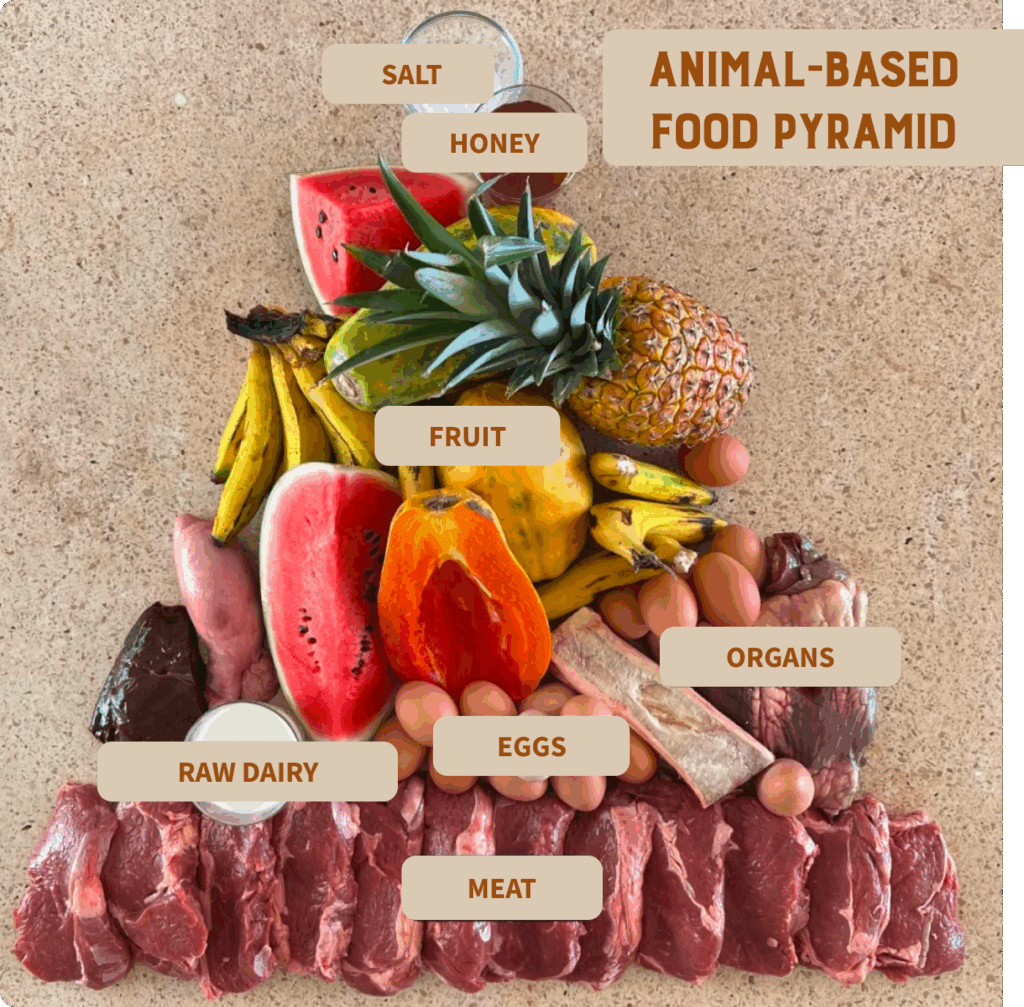
A nutrient-dense diet can help provide more nutrition in a smaller amount of food. Useful options may include:
- Eggs
- Dairy, if tolerated
- Meat
- Seafood
- Liver and other organs
- Fruit
- Well-tolerated vegetables
- Broth or soups
Beef Organs offers a concentrated source of organ-based nutrients in a small serving. It may help supplement a nutrient-dense diet when eating a wide variety of foods feels difficult.
3. Support Digestion
Since slowed motility is the core mechanism behind most GLP-1 side effects, supporting digestion directly makes sense.
Gut & Digestion provides glandular and enzyme support aimed at helping your body process what you do eat.
4. Support the Gut Barrier
The gut barrier helps control what passes from the intestines into the bloodstream.
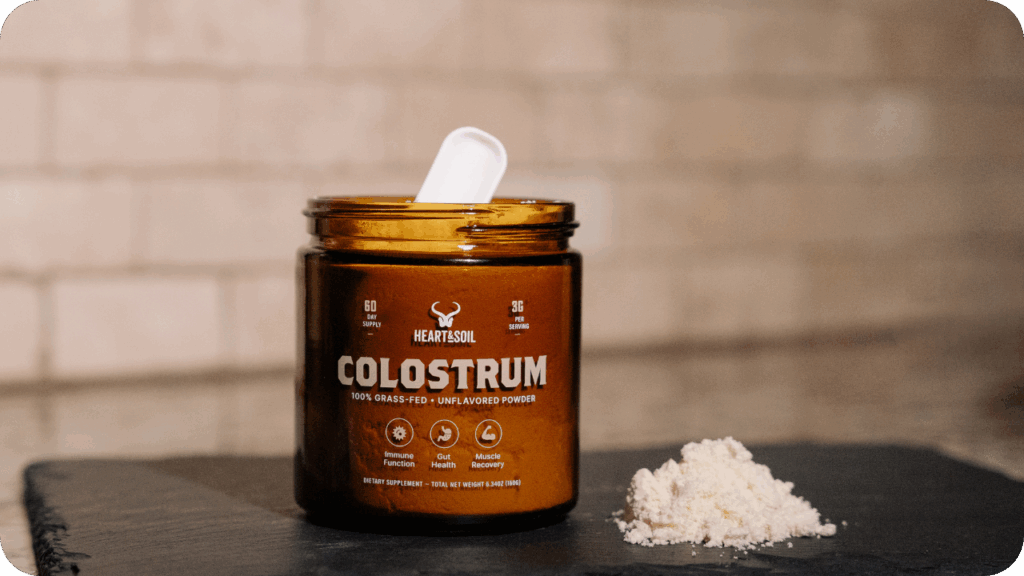
A 2024 meta-analysis of 10 clinical trials found bovine colostrum supplementation was associated with reduced intestinal permeability (5).
Grass-Fed Colostrum is built around this research to help support the gut lining during a period of documented motility and microbiome stress.
Comparing the Three Most Common GLP-1 Side Effects
| Side Effect | Reported Prevalence | Typical Duration | Primary Mechanism |
| Abdominal pain | 57.6% | Varies by person and dose | Slowed digestion, fullness, altered transit |
| Diarrhea | 32.7% | Often intermittent and self-limiting | Altered intestinal transit |
| Constipation | 30.4% | May persist longer | Slowed intestinal motility |
| Nausea/Vomiting | 23.4% | Often worse during initiation or dose escalation | Delayed gastric emptying |
Glossary
- GLP-1: Glucagon-like peptide-1, an incretin hormone that slows digestion and signals fullness; GLP-1 medications extend this effect pharmacologically.
- Motility: The movement of food and waste through the digestive tract via muscle contractions.
- GI Adverse Event: Any digestive-system side effect reported during clinical or real-world medication use.
- Dysbiosis: An imbalance in gut bacteria favoring less beneficial species over ones that typically support digestive health.
FAQ
Are GLP-1 side effects the same for every medication?
No. Medications in the GLP-1 class are associated with similar categories of digestive symptoms, but the frequency and severity can vary by medication, dose, treatment schedule, and individual response.
Do GLP-1 side effects mean the medication is working?
Not necessarily. Digestive symptoms can result from the same mechanisms that increase fullness and reduce appetite, but you do not need to experience side effects for the medication to be effective.
How long do GLP-1 side effects typically last?
It depends on the symptom. Diarrhea may be intermittent and improve over time, while constipation can persist longer. Nausea may be especially noticeable when treatment begins or the dose increases.
Should GLP-1 side effects be reported to a doctor?
Yes, especially when symptoms are severe, persistent, worsening, or interfering with hydration and food intake. Your prescriber can help determine whether your dose or treatment schedule needs to be adjusted.
Can nutrition eliminate GLP-1 side effects?
Nutrition cannot eliminate the medication’s direct effects on gastrointestinal motility. However, food and fluid choices may help reduce certain symptoms and protect against related concerns such as dehydration, inadequate protein intake, and micronutrient gaps.
Related Reading
- The Ultimate GLP-1 Supplement Guide: Our Top 4 Picks
- GLP-1 Muscle Loss: 10 Powerful Ways to Stay Strong
- 6 Dangers Of Eating Liver: What You Need To Know

Get the full GLP-1 Nutrition Guide
Bottom Line
GLP-1 digestive side effects are common, but they are not all equally persistent or disruptive.
Understanding whether your symptoms are related to delayed stomach emptying, altered bowel transit, dehydration, or reduced food intake can help you choose more targeted support.
Nutrition can play a valuable role, but it works alongside medical guidance, not as a replacement for it.
Subscribe to future articles like this:
