
Medical Disclaimer: This article is for informational purposes only and is not medical advice. It does not diagnose, treat, cure, or prevent any disease.
You started your GLP-1 to lose weight.
But one challenge some people encounter is that eating less can also mean consuming less protein and fewer essential nutrients.
Depending on your overall diet, this may make it harder to meet your nutritional needs while on therapy, and it can effect your gut.
A thoughtful GLP-1 supplement strategy can help support adequate protein intake, micronutrient intake, digestive health, and gut barrier function.
Key Takeaways
- Because GLP-1 medications often reduce appetite and food intake, some people may benefit from paying closer attention to protein intake and overall nutrient density.
- 12% of U.S. adults have already used a GLP-1 medication, and that number is projected to reach 52 million people by 2030 (1).
- A well-designed nutrition strategy during GLP-1 therapy may include support for adequate protein intake, micronutrient intake, digestive health, and gut barrier function.
- Whole-food, animal-based foods can provide many of these nutrients in highly bioavailable forms.
Table of Contents

What Is a GLP-1 Supplement?
Did you know your body naturally makes GLP-1? Glucagon-like peptide-1 (GLP-1) is an incretin hormone secreted primarily by L-cells in the distal small intestine and colon in response to nutrient ingestion.
The physiological roles of GLP-1 include (2):
- Stimulation of glucose-dependent insulin secretion
- Suppression of glucagon release
- Sowing of gastric emptying
- Signaling satiety to the hypothalamus via vagal and direct CNS pathways (3)
GLP-1 receptor agonists are synthetic peptide analogs engineered to resist degradation by the DPP-4 enzyme, extending the half-life of GLP-1 signaling from seconds and minutes to hours or days.
This pharmacological extension produces sustained appetite suppression and glycemic improvement over time (4).
A GLP-1 supplement is any nutritional product built to support your health while you take a GLP-1 medication.
Why Do You Need a GLP-1 Supplement?
Nearly 12% of U.S. adults have already used an incretin-based therapy for weight management, and the user base is projected to grow from roughly 13 million in 2024 to 52 million by 2030 (5).
The same appetite-suppressing effects that make GLP-1 medications effective may also make it more challenging for some people to consume enough protein and essential nutrients, particularly if food intake becomes substantially reduced.
Such as:
- Lean mass changes: Clinical trials have found that some weight lost during GLP-1 therapy comes from lean mass as well as fat. The amount varies considerably among individuals and may be influenced by factors such as protein intake, resistance training, age, and starting body composition (6).
- Lower micronutrient intake: Because people often eat less while taking GLP-1 medications, some studies have found lower intakes of nutrients such as calcium, iron, vitamin D, thiamine, and vitamin B12 (7).
- Bone health considerations: Some studies have reported reductions in bone mineral density during GLP-1-associated weight loss, although changes likely reflect multiple factors including the amount and rate of weight loss (8).
- Changes in the gut microbiome: Emerging research suggests GLP-1 medications may influence gut microbial composition, though scientists are still working to understand the clinical significance of these changes (9).
For some people, these changes may make it worthwhile to pay closer attention to nutrition, particularly protein intake, micronutrient intake, and digestive health.
What Should a Real GLP-1 Supplement Strategy Cover?
A complete GLP-1 supplement approach can help support four common areas of nutritional focus:
- Lean mass support. We cover the full mechanism and fix in GLP-1 Muscle Loss: 10 Powerful Ways to Stay Strong.
- Supporting adequate micronutrient intake. Iron and B12 depletion are common enough that fatigue is one of the most reported GLP-1 side effects.
- Digestive support. Slowed gastric emptying changes how efficiently your body breaks down and absorbs the food you do eat.
- Supporting gut lining integrity: Altered gut motility and reduced dietary variety can affect the intestinal barrier over time.
When appetite is reduced, choosing nutrient-dense foods becomes even more important because each meal provides fewer opportunities to meet your nutritional needs.
Subscribe to future articles like this:
The Four Pillars of a GLP-1 Supplement Stack
Support Lean Mass
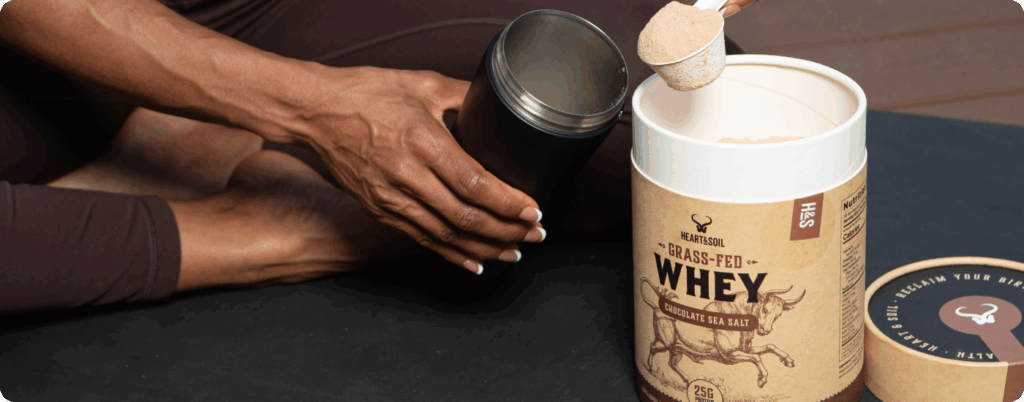
Any serious GLP-1 supplement plan begins with consuming adequate, high-quality protein. Grass-Fed Whey is a single-ingredient, 100% grass-fed whey protein delivering 24g of protein and a verified 2.5g of leucine per serving, the clinical threshold shown to trigger muscle protein synthesis (10).
Close the Micronutrient Gap
Eating less overall means less room for nutrients your body still needs at full strength. Energy production depends on multiple micronutrients working together, not just iron or B12 in isolation, which is exactly why a narrow supplement approach tends to fall short (11).
Beef Organs is formulated to close that gap as a whole-food source: per serving, it’s an excellent source of B12, copper, iron, and biotin, and a good source of vitamin B6, riboflavin, and pantothenic acid.
Learn more: What to Eat on Ozempic When You’re Not Hungry: Nutrient Density Per Bite
Beef Organs
Nature's Ultimate Multivitamin
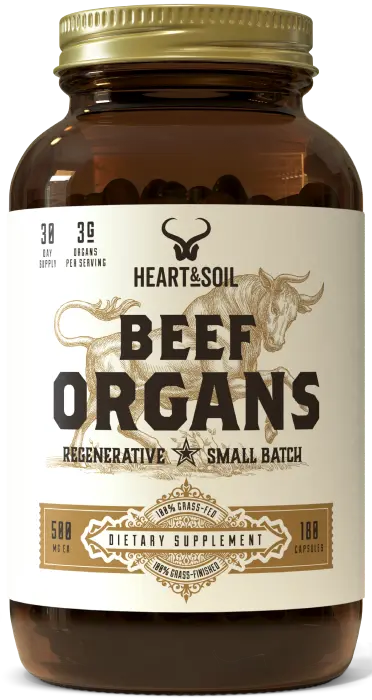
- Grass-fed liver, heart, pancreas, kidney, & spleen
- Designed to support overall energy & well-being
- Ideal daily foundation for nose-to-tail nutrition
60-day risk-free guarantee. No questions asked.
Aid Digestion
GLP-1 medications slow gastric and intestinal motility by design, which is the primary driver of the nausea, bloating, and constipation many users report.
Gut & Digestion provides glandular and enzyme support aimed at helping your body break down and absorb the smaller amount of food you’re eating.
Support the Gut Lining
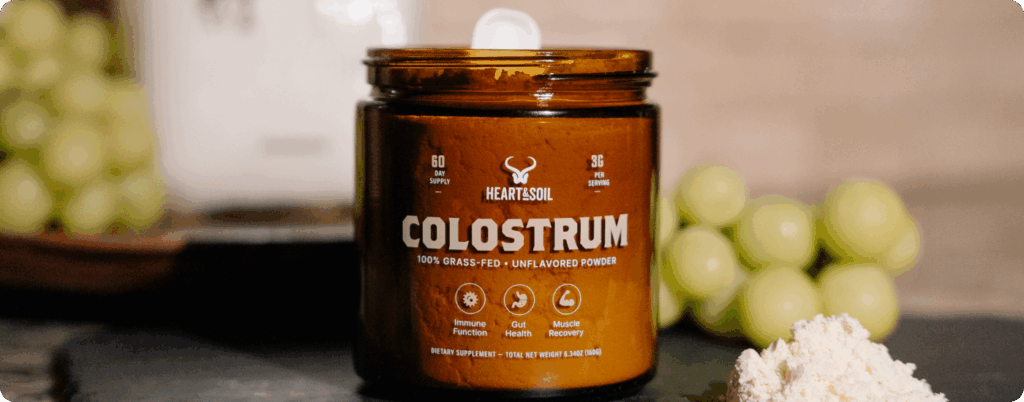
Bovine colostrum is the most clinically documented whole-food source of growth factors and immunoglobulins for gut barrier support. A 2024 meta-analysis of 10 clinical trials found bovine colostrum supplementation significantly reduced intestinal permeability (12).
This matters directly for a GLP-1 supplement plan since altered gut motility and reduced dietary variety can put ongoing stress on the same intestinal barrier this research measured.
Check out the full GLP-1 Supplement Protocol here.
Glossary
- GLP-1: Glucagon-like peptide-1, an incretin hormone that slows digestion and signals fullness. GLP-1 medications extend this effect pharmacologically.
- Bioavailability: The proportion of a nutrient your body can actually absorb and use, not just the amount listed on a label.
- Leucine Threshold: The minimum amount of leucine, roughly 2.5 to 3g, needed in a single meal to maximally activate muscle protein synthesis.
- DIAAS: Digestible Indispensable Amino Acid Score, a measure of protein quality based on amino acid completeness and absorption.
FAQ
What is the best GLP-1 supplement to start with?
For many people, increasing high-quality protein intake is a practical first step because consuming enough protein can become more challenging when appetite decreases.
Do I need all four products, or can I pick just one?
It depends on your diet, symptoms, health goals, and recommendations from your healthcare provider. Many people start with protein for lean mass, then add organ nutrients, gut support, or colostrum based on their specific symptoms.
Is a GLP-1 supplement strategy only for people currently on the medication?
No. It’s equally relevant for people considering GLP-1 therapy who
want a nutritional foundation in place beforehand, and for people who’ve recently stopped and are rebuilding.
How do I know if my GLP-1 supplement routine is actually working?
Look for the specific outcomes associated with your nutrition goals: steadier energy, sustained strength in daily activity, and fewer digestive symptoms, rather than a single generic marker.
Related Reading
- GLP-1 Muscle Loss: 10 Powerful Ways to Stay Strong
- Animal-Based Diet For Fat Loss: Does It Work?
- 10 Tips to Lower Blood Pressure Naturally
- The Ultimate Guide To The Animal-Based Diet
Learn more about GLP-1s and get the Heart & Soil GLP-1 Nutrition Guide
Bottom Line
A thoughtful GLP-1 nutrition strategy focuses on supporting adequate protein intake, micronutrient intake, digestive health, and gut barrier function.
While not everyone taking a GLP-1 medication will experience the same nutritional challenges, prioritizing nutrient-dense foods and targeted supplementation when appropriate may help support overall health while appetite and food intake are reduced.
Check out the full GLP-1 supplement protocol.
Subscribe to future articles like this:
