
GLP-1 medications can turn a normal plate of food into more than you want to finish.
In a 6-week tirzepatide trial, participants ate about 525 fewer calories at a test lunch than the placebo group by week 3. They also reported less hunger and fewer food cravings.
That’s the whole challenge.
When your appetite gets smaller, you have less room for food. So the food that does make it onto your plate needs to nourish you well.
Start with protein. Build meals around meat, eggs, dairy, seafood, and organs. Then add fruit and root vegetables in amounts you can comfortably finish.
You don’t need a giant plate. You need a smaller plate filled with foods that actually bring something useful with them.
That lines up with the 2025 joint clinical advisory, which puts protein, nutrient adequacy, hydration, and overall diet quality near the top of the list during GLP-1 treatment.
Table of Contents
Why Every Bite Matters More When You Eat Less
Eating less food can also mean getting less protein, fewer vitamins and minerals, less fluid, and less variety. That is why nutrient-dense foods become more useful when your appetite drops.

Ozempic and other GLP-1 medications do not automatically strip nutrients from your body. The issue is simpler. If you consistently eat much less, there are fewer opportunities to get the nutrition you need.
So start with foods that earn their place on a smaller plate.
- Eggs bring protein, choline, B12, and fat-soluble nutrients.
- Meat gives you complete protein along with iron, zinc, B12, and other nutrients.
- Liver and other organs pack an even wider range of vitamins and minerals into a small amount of food.
- Seafood brings protein alongside minerals and omega-3 fats.
- Dairy adds protein and calcium.
- Fruit and root vegetables bring carbohydrates, potassium, vitamin C, and fiber.
You do not need to count the nutrients in every bite. Just stop filling a smaller appetite with foods that give you very little back.
Build the meal around meat, organs, eggs, dairy, and seafood. Add fruit and root vegetables. Keep it simple enough that you can actually eat it.
What To Eat on Ozempic When You’re Not Hungry?
You don’t need a complicated meal plan. When appetite is low, just work through the basics in the right order.
- Start with protein.
- Keep organs in the mix.
- Add eggs, dairy, or seafood.
- Bring in fruit and root vegetables.
- Sip most of your fluids between meals if drinking with food makes you too full.
- Use lower-volume options like whey when a full meal isn’t happening.
If nausea is the main problem, skip ahead to the section on softer, simpler foods.
1. Eat Protein First
Weight loss on a GLP-1 can come from both fat and lean tissue.
In the STEP 1 body composition substudy, semaglutide reduced fat mass by 19.3% and lean body mass by 9.7% over 68 weeks. Fat fell faster, but the lean-mass loss still matters.
That’s one reason protein should get first dibs on a smaller appetite.
If you fill up quickly, eat the beef, eggs, fish, chicken, yogurt, or other protein-rich part of the meal before you run out of room.
Protein also works best alongside resistance training when that’s appropriate for you. A 2025 SURMOUNT-1 body composition substudy found that roughly 75% of the weight lost with tirzepatide came from fat and 25% from lean mass.
For more on protecting strength and muscle, see our guide to GLP-1 muscle loss.
Best Protein Foods for a Small Appetite
Keep it simple with eggs, beef, fish, chicken, turkey, Greek yogurt, cottage cheese, and whey. They all work well.
When solid food feels like too much, softer foods or a small shake can make it easier to get protein in without forcing down a large meal.
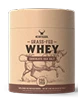
Heart & Soil Grass-Fed Whey Protein
Grass-Fed Whey Protein provides 24 grams of complete protein and 2.5 grams of leucine per serving.
It comes in unflavored and Chocolate Sea Salt, and it’s easy to work into a small shake, yogurt, or another food you’re already tolerating.
That’s where whey is useful on a GLP-1: it gives you a lot of complete protein without asking you to finish another full plate of food.
It won’t preserve muscle on its own. You still need enough food and, when appropriate, resistance training. But it can make hitting your protein intake much easier when your appetite is working against you.
Heart & Soil Animal-Based Protein
Animal-Based Protein combines grass-fed whey, collagen, and colostrum for people who want a broader Animal-Based formula.
If your main goal is getting the most complete protein per serving, Grass-Fed Whey is still the simpler choice. Collagen has its own nutritional value, but it isn’t a complete protein and shouldn’t replace one.
2. Prioritize Nutrient-Dense Organs
When appetite is low, organs earn their place because you get a lot of nutrition from a small amount of food.
Liver, heart, kidney, spleen, and other organs provide complete protein along with nutrients like vitamin B12, iron, zinc, choline, selenium, vitamin A, and copper. A 2024 review in Nutrients
found that organ meat is often richer in several micronutrients than ordinary muscle meat.
At Heart & Soil, organs are part of the normal Animal-Based foundation. A practical target is around 0.5–1 ounce of liver per day, along with several ounces of other organs such as heart, kidney, and spleen.
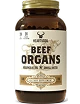
Heart & Soil Beef Organs
Beef Organs combines grass-fed and grass-finished liver, heart, pancreas, spleen, and kidney in one freeze-dried formula.
It gives you a broader mix of organ-derived vitamins, minerals, amino acids, and other naturally occurring compounds without having to source and cook several organs every day.
The capsules aren’t a meal, so they don’t replace protein, calories, or fiber from food. They’re there to make regular organ intake easier when fresh organs aren’t practical.
If you already take a multivitamin, separate iron, vitamin A, another organ formula, or supplements with copper or iodine, check for overlap. If you’re pregnant or have an iron-storage disorder, kidney disease, liver disease, or a thyroid condition, talk with your healthcare professional first.
For more, see our organ supplement safety guide and our guide to beef liver for iron.
3. Add Fruit and Root Vegetables in Manageable Portions
Once protein and organs are covered, add fruit and root vegetables in amounts you can comfortably finish.
Berries, kiwi, citrus, avocado, carrots, potatoes, and sweet potatoes can help bring in vitamin C, folate, potassium, fiber, fluid, and other useful nutrients without turning the meal into a huge plate.
You don’t need to force variety into every meal. Rotate different fruits and root vegetables across the week and stick with the ones you tolerate well.
4. Include Nutrient-Dense Fats Without Making Meals Too Heavy

Fat matters, especially when you’re eating less.
Egg yolks, full-fat dairy, fatty fish, bone marrow, and avocado add calories and help with the absorption of fat-soluble vitamins without requiring much extra volume.
That doesn’t mean more fat is always better. Large greasy or fried meals can feel rough on a GLP-1 because digestion is already slower.
Keep the portions reasonable and adjust based on what actually sits well.
5. Choose Fiber-Rich Foods According to Tolerance
Smaller meals often mean less fiber too.
NIDDK notes that adults generally need around 22–34 grams of fiber per day, depending on age and sex.
Lower toxicity options like berries, kiwi, pears, avocado, carrots, potatoes, and sweet potatoes can help bring fiber back in without relying on grains, beans, or seed-heavy foods.
Increase it gradually and make sure you’re drinking enough alongside it.
If constipation is persistent, severe, or comes with significant pain or vomiting, don’t keep piling on more fiber. Talk to your prescriber.
For more, see our guide to GLP-1 constipation.
6. Use Soft, Simple Foods When Solid Meals Feel Difficult
Some days, a full meal just isn’t happening.
When appetite is low or nausea is mild, softer foods can be easier to manage: Greek yogurt, cottage cheese, scrambled eggs, chicken soup, mashed sweet potato, soft-cooked fish, smoothies, protein shakes, applesauce, banana, or cooked carrots.
Keep protein in the picture wherever you can.
Stir whey into yogurt. Add an egg to broth. Pair cottage cheese with fruit. Blend Greek yogurt into a smoothie. Add shredded chicken to soup.
The goal is to make the meal easier to eat without letting it turn into a day of mostly bland carbs.
7. Eat Smaller Meals More Often When Necessary
You don’t have to force three full meals a day if that no longer fits your appetite.
Three smaller meals, a few mini-meals, two meals with protein-rich snacks, or a mix of food and a protein shake can all work.
What matters is getting enough nutrition across the day.
Stop before you’re uncomfortably full, but don’t let a smaller appetite turn into constant grazing on low-nutrient snack foods either.
8. Stay Hydrated Between Meals
If drinking with food makes you feel too full, move more of your fluids between meals.
Sip throughout the day instead of trying to catch up all at once. Water, broth, milk, coconut water, or other fluids you tolerate well can all help.
There isn’t one perfect fluid target for everyone. Your needs change with body size, climate, activity, kidney function, heart health, and how much fluid you’re losing.
GLP-1 medication labeling warns that vomiting and diarrhea can lead to dehydration and acute kidney injury.
If you’re dealing with persistent vomiting or diarrhea, dizziness, very dark urine, or you can’t keep fluids down, contact your healthcare professional.
Does What You Eat Differ on Wegovy, Mounjaro, or Zepbound?
Not much.
If appetite is low, the same basic approach works across Wegovy, Mounjaro, and Zepbound. Start with protein and organs, then add eggs, dairy, seafood, fruit, and root vegetables in portions you can actually finish.
What matters more than the brand name is how you feel about it. Nausea, fullness, reflux, or digestive discomfort may change which foods and portion sizes work best for you.
Heart & Soil Products for Days When Eating Enough Feels Difficult
- Grass-Fed Whey for protein. Useful when a full meal feels like too much, whether you use it in a small shake or mix it into yogurt.
- Beef Organs for organ-based nutrient density. An easy way to keep liver, heart, pancreas, spleen, and kidney in the routine when fresh organs aren’t practical.
- Gut & Digestion for everyday digestive support. It’s made with tripe, intestines, pancreas, liver, and spleen and is designed to support normal digestion, nutrient breakdown, digestive comfort, and the gut lining. It isn’t a treatment for nausea, constipation, gastroparesis, vomiting, or delayed gastric emptying.
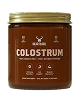
- Grass-Fed Colostrum for gut-barrier and immune support. Its role is general nutritional support, not treating GLP-1 side effects.
There is also a powdered colostrum option if you’d rather mix it into food or a shake. You can read more on the colostrum page.
Should You Consider a Full GLP-1 Nutrition Stack?
You don’t need a huge supplement stack just because you’re taking a GLP-1.
The better question is where your diet is getting thinner as appetite drops.
Heart & Soil pairs Grass-Fed Whey Protein, Beef Organs, Gut & Digestion, and Grass-Fed Colostrum around four areas:
- Protein
- Organ-based nutrient density
- Digestion
- Gut-barrier and immune support
The foundation should still be Animal-Based food: meat, organs, eggs, dairy, seafood, fruit, and root vegetables.
Supplements are there to make that foundation easier to maintain when appetite is low, not replace it.
You also don’t need all four by default. Use the products that solve a real gap in your diet, and review the full combination with your healthcare professional if you’re taking prescription medications or several supplements already.
For the full breakdown, see our GLP-1 supplement guide.
Nutrient-Dense Breakfast Ideas
| Breakfast idea | Small-appetite serving | Approx. calories | Approx. protein | Why it works |
| Eggs, liver, and berries | 2 large eggs, 1 oz cooked beef liver, 1/2 cup berries | 250 | 21 g | Eggs bring protein and choline; liver adds vitamin A, B12, iron, and copper. |
| Greek yogurt, banana, and Beef Organs | 3/4 cup plain whole-milk Greek yogurt, 1/2 banana, 1 tsp honey, Beef Organs as directed | 235 | 15 g | Easy to finish, with protein and calcium from dairy plus organ-derived nutrients. |
| Grass-Fed Whey smoothie | 1 serving Grass-Fed Whey, 1 cup whole milk, 1/2 banana | 310 | 32 g | More than 30 g of protein in a small drink when chewing through a full meal feels like too much. |
| Cottage cheese, eggs, and berries | 1/2 cup 2% cottage cheese, 2 large eggs, 1/2 cup berries | 290 | 25 g | Two compact animal-protein sources with fruit on the side. |
Nutrient-Dense Lunch Ideas
| Lunch idea | Small-appetite serving | Approx. calories | Approx. protein | Why it works |
| Beef, liver, potatoes, and carrots | 3 oz cooked ground beef, 1 oz beef liver, 100 g potato, 1/2 cup cooked carrots | 350 | 33 g | Gives you muscle meat and liver in one small plate, with root vegetables for carbohydrate and potassium. |
| Salmon, avocado, and sweet potato | 4 oz cooked salmon, 1/4 avocado, 100 g sweet potato | 340–370 | 28–31 g | Salmon covers protein and omega-3 fats while avocado and sweet potato add energy without much volume. |
| Chicken, Greek yogurt, and fruit | 4 oz cooked chicken breast, 2 tbsp Greek yogurt, 1/2 cup fruit, 1/2 cup cooked carrots | 275–300 | 37–39 g | A lot of protein for a relatively small meal, with dairy, fruit, and root vegetables alongside it. |
| Beef and liver meatballs | Meatballs made with 3 oz cooked beef and 1 oz liver, 100 g mashed potato, 1/2 cup carrots | 350–375 | 32–34 g | An easy way to get liver in without eating it as a separate piece. |
Nutrient-Dense Dinner Ideas
| Dinner idea | Small-appetite serving | Approx. calories | Approx. protein | Why it works |
| Salmon, potatoes, and carrots | 4 oz cooked salmon, 100 g potato, 1/2 cup cooked carrots | 300–325 | 30–33 g | Protein, omega-3 fats, and root vegetables without turning dinner into a huge plate. |
| Beef and liver meatballs | Meatballs made with 4 oz cooked beef and 1/2 oz liver, 100 g mashed potato, 1/2 cup carrots | 375–425 | 34–38 g | Keeps beef and liver together in a compact meal that’s easy to portion down. |
| Chicken and liver soup | 4 oz chicken breast, 1/2 oz liver, 1 cup broth, 100 g potato, 1/2 cup carrots | 325–350 | 39–41 g | Broth makes the meal easier to get through while chicken and liver keep the nutrient density high. |
| Eggs, cheese, liver, and berries | 3 eggs, 1 oz beef liver, 1 oz cheese, 1/2 cup berries | 440–450 | 34 g | A simple Animal-Based plate built around eggs, dairy, liver, and fruit. |
Best Snacks When Your Appetite Is Low

When appetite is low, use snacks to fill a real gap.
Think Greek yogurt, cottage cheese, hard-boiled eggs, cheese with fruit, berries with yogurt, a small whey shake, sardines and olives, avocado with egg, or broth with shredded meat.
If fresh liver or other organs aren’t practical that day, an organ supplement can help keep organ intake consistent without adding more food volume.
The point isn’t to snack for the sake of it. It’s to use that smaller eating window to get in more protein and nutrient-dense Animal-Based foods.
What Foods May Feel Worse on Ozempic?
There isn’t one universal list of foods everyone needs to avoid.
Because Ozempic slows gastric emptying, very large meals, fried or heavily processed foods, alcohol, sugary drinks, carbonated beverages, and rich desserts can feel worse for some people, especially when nausea, bloating, or reflux is already an issue.
That doesn’t mean you need to cut out meat, eggs, dairy, fish, liver, or natural fats. Smaller portions usually make more sense than unnecessary restriction.
Pay attention to what actually bothers you. A simple food-and-symptom log can help you spot patterns.
If symptoms are persistent or severe, talk to your prescriber rather than trying to solve everything by cutting more foods.
For more, see our guide to GLP-1 side effects.
What to Eat When Ozempic Makes You Feel Nauseous
On nauseated days, keep food simple and easy to tolerate.
Broth, eggs, Greek yogurt or raw dairy if tolerated, bananas, applesauce, citrus, and small sips of fluid can all work as a temporary bridge.
Once your stomach settles, bring protein and nutrient-dense animal foods back in. Start with smaller portions of meat, eggs, dairy, or fish, then work back toward your usual Animal-Based meals and organ foods.
The goal is to make eating easier without spending days living on low-protein bland foods.
If nausea is persistent, severe, or makes it hard to keep food or fluids down, contact your prescriber.
For more strategies, see our guide to GLP-1 nausea.
How to Make Every Bite Count
When appetite is low, don’t waste it on foods that bring very little to the table.
Start with protein and organs, such as beef, eggs, fish, chicken, Greek yogurt, whey, liver, or Beef Organs.
Then add fruit, root vegetables, avocado, full-fat dairy, egg yolks, or fatty fish.
The best choices do more than one job.
Eggs give you protein, choline, and fat. Greek yogurt gives you protein and calcium. Salmon brings protein and omega-3 fats. Liver adds vitamin A, B12, copper, iron, and choline in a very small serving.
That’s why organs matter even more when you’re eating less. Liver doesn’t need to be an occasional food. It can be part of the daily Animal-Based routine, fresh when possible and supplemented when convenience gets in the way.
When Reduced Appetite Becomes a Medical Concern
A low appetite is one thing. Not being able to eat or drink enough is different.
Contact your healthcare professional if you have severe abdominal pain, persistent vomiting, or you can’t keep fluids down.
Other warning signs include:
- Dehydration or weakness: dizziness, fainting, sudden weakness, or other signs of dehydration
- Digestive problems: severe constipation, ongoing food aversion, or consistently being unable to finish even small meals
- Other red flags: symptoms of low blood sugar, unusually rapid weight loss, or concerns about disordered eating
Don’t change your dose or stop the medication on your own. Bring those symptoms to your prescriber.
Simple GLP-1 Grocery List
- Meat, eggs, and dairy: beef, eggs, Greek yogurt, cottage cheese, fish, chicken, turkey, and Grass-Fed Whey Protein
- Organs: liver, heart, kidney, spleen, and other organ meats
- Fruit and root vegetables: berries, kiwi, citrus, avocado, carrots, potatoes, and sweet potatoes
- Nutrient-dense fats: bone marrow, dairy fat, egg yolks, avocado, and fatty cuts of meat or fish
- Fiber-rich Animal-Based foods: apples, berries, dates, pears, avocado, and root vegetables
- Convenient support:
Grass-Fed Whey, Beef Organs, Gut & Digestion, and Grass-Fed Colostrum
For a broader breakdown, see our complete Animal-Based grocery list.
Final Takeaway
A GLP-1 changes hunger. Your appetite may be smaller, but your body is still rebuilding muscle, making hormones and enzymes, maintaining bone, and running thousands of processes that depend on overall nourishment.
That’s the part Heart & Soil doesn’t want you to lose sight of.
The scale can move in the direction you want while the quality of your nutrition moves in the opposite direction. So a smaller appetite should raise the standard for what earns a place on your plate.
Meat, organs, eggs, dairy, seafood, fruit, and root vegetables give you a lot to work with in relatively little food.
And when eating those foods consistently becomes difficult, Heart & Soil products make specific pieces easier.
- Grass-Fed Whey makes complete protein easier to get.
- Beef Organs keeps organ nutrition in the routine.
- Gut & Digestion supports normal digestion and nutrient breakdown.
- Grass-Fed Colostrum brings the compounds naturally found in first milk.
The goal is to come out the other side lighter without giving up strength, nourishment, and the parts of health you wanted to improve in the first place.
FAQ
What should I eat on Ozempic when I’m not hungry?
When you’re not hungry on Ozempic, focus on tiny, nutrient-dense portions that maximize nutrition without overwhelming your stomach. Prioritize protein first with eggs, Greek yogurt, cottage cheese, chicken, or fish, then add organs, berries, or avocado for key vitamins, fats, and fiber. A protein shake can help when solid food feels impossible.
What are the most nutrient-dense foods for GLP-1 users?
The most nutrient-dense foods for GLP-1 users pack high protein, essential fats, and vital micronutrients into smaller portions that fit reduced appetites. Top options include lean meats, poultry, fish, eggs, organ meats, Greek yogurt, and cottage cheese for lean protein. Combining these with berries, avocado, and root vegetables covers fiber, nutrient-dense fats, and key vitamins in every bite.
How can I get enough protein while taking Ozempic?
You can get enough protein while taking Ozempic by eating the protein portion of your plate first. Choosing lower-volume, protein-dense options like eggs, Greek yogurt, cottage cheese, and fish also makes hitting your targets easier. If reduced appetite prevents you from finishing meals, a quality protein powder like grass-fed whey can help bridge the gap.
Should I skip meals if I’m not hungry on Ozempic?
You should not routinely skip meals on Ozempic because doing so makes it difficult to get adequate protein and vital nutrients. Relying on smaller mini-meals or nutrient-dense snacks throughout the day is usually much easier to tolerate than large plates. If you experience a persistent inability to eat anything, consult your prescribing clinician.
What foods are easiest to eat on semaglutide?
The easiest foods to eat on semaglutide are bland, soft, or high-moisture options that place minimal strain on your digestion. Staples like Greek yogurt, cottage cheese, eggs, soups, white fish, bananas, and cooked carrots are generally well tolerated. Small protein shakes can also help you meet your nutritional needs when solid foods feel too heavy.
What foods should I avoid on Ozempic?
There are no universally forbidden foods on Ozempic, but some people tolerate large, greasy, very fatty, spicy, sugary, alcoholic, or carbonated foods and drinks less well. If a food repeatedly worsens nausea, reflux, bloating, or fullness, reduce it and bring persistent symptoms to your prescriber.
Can I drink protein shakes while taking Ozempic?
Yes, you can drink protein shakes while taking Ozempic to supplement your daily protein intake when solid food feels overwhelming. Liquid calories are easier to consume when your appetite is low, but choose balanced shakes and treat them as a helpful tool rather than a permanent replacement for whole-food meals.
Is Heart & Soil Beef Organs useful while eating less?
Heart & Soil Beef Organs supports regular organ intake when fresh organs aren’t practical to cook or eat consistently. It provides freeze-dried liver, heart, pancreas, spleen, and kidney with naturally occurring vitamin A, iron, and B vitamins. It doesn’t replace protein-rich meals, fruit, root vegetables, fiber, or medical monitoring.
Does Heart & Soil offer a GLP-1 nutrition stack?
Yes, Heart & Soil groups Grass-Fed Whey Protein, Beef Organs, Gut & Digestion, and Grass-Fed Colostrum together to support protein intake, whole-food nutrient density, normal digestion, and gut-barrier and immune function. None of these are mandatory, and you can build a routine around whichever products fit your own gaps rather than using all four by default.
When should I contact my doctor about a low appetite on Ozempic?
You should contact your prescribing clinician about a low appetite on Ozempic if you can’t keep food or fluids down, have persistent vomiting, severe abdominal pain, signs of dehydration, severe constipation, significant weakness, or ongoing difficulty eating enough for more than a few days.
These statements have not been evaluated by the Food and Drug Administration. Heart & Soil products are not intended to diagnose, treat, cure, or prevent any disease. Talk to the healthcare professional prescribing your medication before starting any new supplement.
Want more on this? Join the Radical Health Newsletter for more straight-talk nutrition guidance, or reach out to our team if you have questions about which products fit your routine.
Subscribe to future articles like this:
