

GLP 1 nausea is the most commonly reported side effect of Wegovy, affecting 44% of patients in clinical trials.
That may not sound surprising until you are the one trying to figure out what to eat without upsetting your stomach.
The good news is that a few simple changes may make meals easier to tolerate while your body adjusts.
Key Takeaways
- GLP-1 nausea is closely tied to delayed gastric emptying, the same mechanism that helps these medications reduce appetite.
- Smaller, lower-fat meals can be easier for a slow-moving stomach to handle.
- Ginger has evidence supporting its use for nausea, although it has not been studied specifically for GLP-1 side effects.
- Grass-Fed Colostrum and Gut & Digestion can provide additional gut and digestive support as part of the GLP-1 Protocol.
Table of Contents
Why Can GLP-1 Cause Nausea?
Gastric emptying is the process of food moving from your stomach into your small intestine.
GLP-1 medications slow this process on purpose. Food stays in your stomach longer, helping you feel full with less food. Imaging studies using semaglutide found that stomach emptying was delayed by roughly 34 minutes (1).
Sometimes, however, your stomach is not thrilled about the delay.
When food sits there longer than usual, you may experience:
- Nausea
- Bloating
- Uncomfortable fullness
- Burping
- Reduced appetite
Wegovy’s clinical trials also found that nausea occurred in 44% of patients taking the medication, compared with 16% receiving a placebo (2).
In other words, GLP 1 nausea is common, and you are far from the only person dealing with it.

View the full GLP-1 Nutrition Guide here
6 Ways to Feel Better With GLP 1 Nausea
1. Eat Smaller Meals
A large meal can overwhelm a stomach that is already moving more slowly than usual.
Instead of eating three heavy meals, try smaller portions spread throughout the day.
A clinical practice guideline from the American Gastroenterological Association recommends smaller, more frequent meals for conditions involving delayed gastric emptying (3).
Try this:
- Eat half of your usual portion
- Pause before going back for more
- Eat every few hours rather than waiting until you are extremely hungry
- Stop when you feel comfortably satisfied (not stuffed)
2. Eat Bland Foods
When your stomach feels unsettled, keep foods simple.
| TRY | AVOID |
| Bananas Applesauce White rice Yogurt Eggs Lean ground beef Broth Smoothies Fresh fruit | Spicy foods Fried foods Nuts Seeds Raw vegetables Onions Garlic Alcohol Energy drinks |
What works best varies from person to person. Pay attention to which foods feel calming and which ones seem to sit heavily.
3. Keep Fat Lighter for Now
Fat naturally slows stomach emptying.
That is not usually a bad thing, but when a GLP-1 medication is already slowing digestion, a very high-fat meal may leave you feeling overly full or nauseated.
For GLP 1 nausea, consider temporarily:
- Using less butter, tallow, or ghee
- Choosing leaner cuts of meat
- Avoiding fried or greasy foods
- Spreading fat intake throughout the day instead of eating a large amount at once
Subscribe to future articles like this:
4. Try Ginger
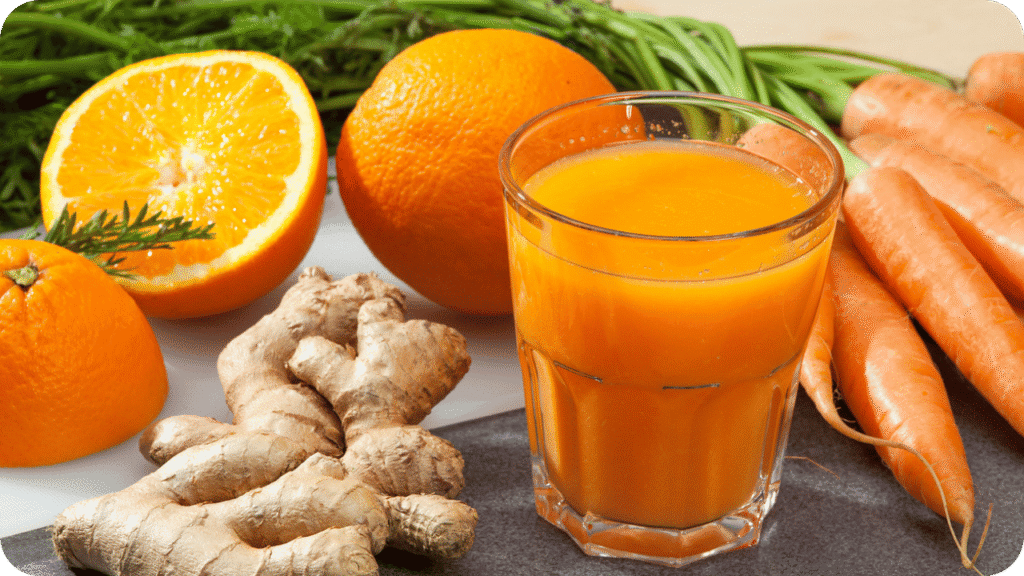
Ginger has a long history of use for unsettled stomachs, and research supports its ability to reduce certain types of nausea.
A meta-analysis of postoperative nausea trials found that ginger reduced nausea and vomiting compared with placebo (#).
That research was not specific to GLP-1 medications, so ginger is not a guaranteed fix. Still, it may be worth trying if your doctor says it is appropriate for you.
Easy options include:
- Ginger tea
- Fresh ginger steeped in hot water
- Cyrstiallized ginger
- Small amounts of ginger added to juice or smoothies
5. Support your Gut Lining
Your stomach may be getting most of your attention, but the rest of your digestive tract matters too.
Bovine colostrum contains naturally occurring immunoglobulins, growth factors, lactoferrin, and bioactive peptides that help support the intestinal barrier.
A 2024 meta-analysis of 10 clinical trials found that bovine colostrum supplementation was associated with improvements in intestinal permeability (4).
Heart & Soil’s Grass-Fed Colostrum provides food-based support for the gut lining while your digestive system adjusts to changes in motility and food intake.
Uncut Colostrum
Colostrum Powder in Its Purest Form

- Supports gut health, immunity, and exercise recovery
- 100% grass-fed, pasture-raised colostrum
- Third-party tested for biological activity
60-day risk-free guarantee. No questions asked.
6. Give Digestion a Hand
When food is moving more slowly, supporting normal digestion may make smaller meals easier to handle.
Heart & Soil’s Gut & Digestion contains pancreas, liver, spleen, intestine, and tripe. These organs naturally provide nutrients, enzymes, and peptides that support digestive function.
This may be especially useful when your appetite is low and you need to get more nutritional value from smaller amounts of food.
Nourish Your Gut
Grass-Fed Organs for Digestive Wellness
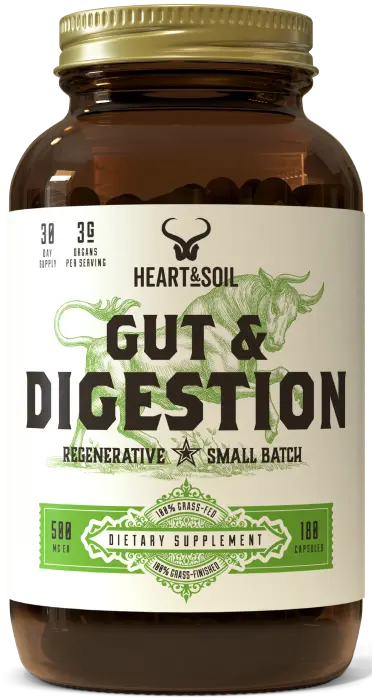
- Tripe (stomach), intestines, pancreas, liver, and spleen
- Supports a healthy gut lining and nutrient breakdown
- Nourishes the immune system
60-day risk-free guarantee. No questions asked.
Check out the full GLP-1 Supplement Protocol here.
Glossary
- GLP-1: Glucagon-like peptide-1, an incretin hormone that slows digestion and signals fullness; GLP-1 medications extend this effect pharmacologically.
- Gastric Emptying: The rate at which food moves from the stomach into the small intestine.
- Antiemetic: A substance or treatment that helps reduce nausea or vomiting.
- Intestinal Permeability: A measure of how easily substances pass through the gut lining; increased permeability is linked to gut barrier stress.
FAQ
Will I definitely get GLP 1 nausea if I start the medication?
No. Nausea is common, but more than half of Wegovy patients in clinical trials did not report it.
How long does GLP 1 nausea usually last?
It tends to be worst during dose increases and often eases as your body adjusts, though timelines vary by person.
Does eating less make GLP 1 nausea worse?
Not eating enough can actually make nausea feel worse for some people. Small, frequent, low-fat meals tend to work better than skipping food entirely.
Should I tell my doctor if GLP 1 nausea is severe?
Yes. Persistent or severe nausea, especially with vomiting, is worth discussing with your prescriber, since dose timing adjustments can help.
Related Reading
- GLP 1 Diarrhea: Why it Happens & 5 Helpful Tips for Gut Health
- The Truth About GLP-1 Side Effects: 4 Ways to Cope with Ease
- The Ultimate Guide to the Animal Based Diet to Thrive
- GLP 1 Constipation: 5 Easy Ways to Help Support Your Bowels
Bottom Line
GLP 1 nausea often happens because these medications slow the movement of food out of your stomach.
To make eating more comfortable, focus on:
- Smaller, more frequent meals
- Temporarily reducing heavy or high-fat foods
- Trying ginger
- Supporting your gut lining
- Supporting normal digestive function
The goal is not to force yourself to eat through intense nausea. It is to make food easier to tolerate while giving your body time to adjust.
Subscribe to future articles like this:
