
This article is for informational purposes only and is not medical advice. It does not diagnose, treat, cure, or prevent any disease. Talk to your doctor or prescriber before starting, changing, or stopping any medication or supplement, especially if you are currently on a GLP-1 medication.
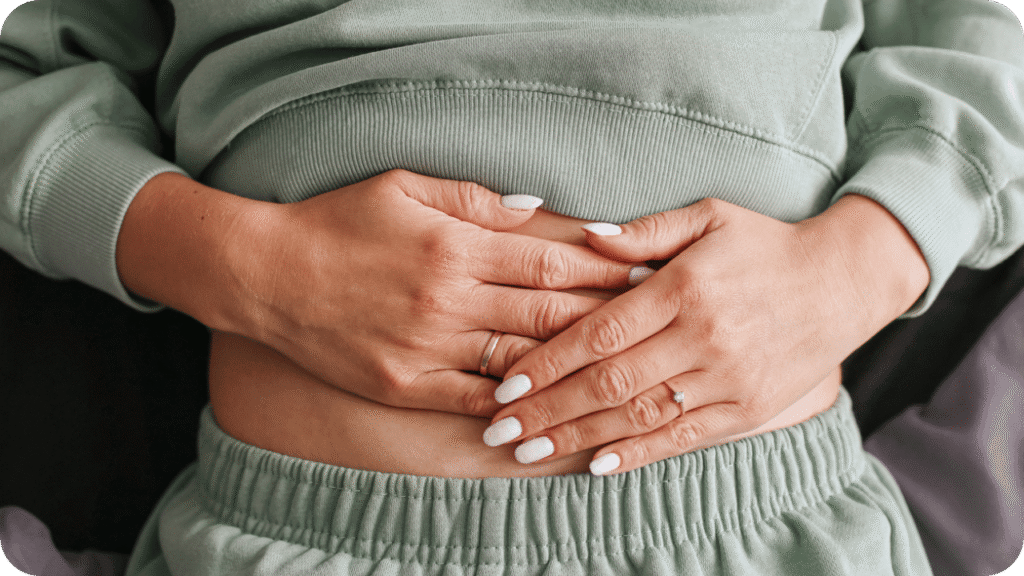
You probably expected nausea, but GLP 1 diarrhea can happen too.
14% to 36% of people taking semaglutide reported diarrhea, making it one of the most common digestive side effects of a GLP-1 medication.
This post will help you understand why it happens and 5 tips to support your gut health while continuing your weight-loss journey.
Key Takeaways
- Diarrhea is considered a common side effect of GLP-1 medications.
- GLP-1 medications change how food moves through the digestive tract, which can also change the gut microbiome.
- Eating less food may reduce the fuel available for beneficial gut bacteria.
- Replacing electrolytes, eating soluble fiber, reducing fat intake, and supporting the gut lining may help.
Table of Contents
What Can Cause GLP 1 Diarrhea?
GLP-1 medications slow digestion to help you feel full longer.
That change can affect your digestive system in several ways:
- Food moves through the gut differently.
- You often eat less food overall.
- Gut bacteria receive less fuel from your diet.
- Changes in transit time can shift the balance of gut bacteria (called dysbiosis) (1).
Over time, these changes may also place stress on the gut lining.
A review of semaglutide trials found diarrhea occurred in 14% to 36% of participants taking the medication, compared with 7% to 22% receiving a placebo (2).
5 Tips to Support Your Gut With GLP 1 Diarrhea
1. Replace Electrolytes; Not Just Water
Diarrhea doesn’t just cause water loss. It also depletes essential electrolytes, such as sodium and potassium.
Research has consistently found that oral rehydration solutions restore hydration more effectively than plain water alone (3).
Good options include:
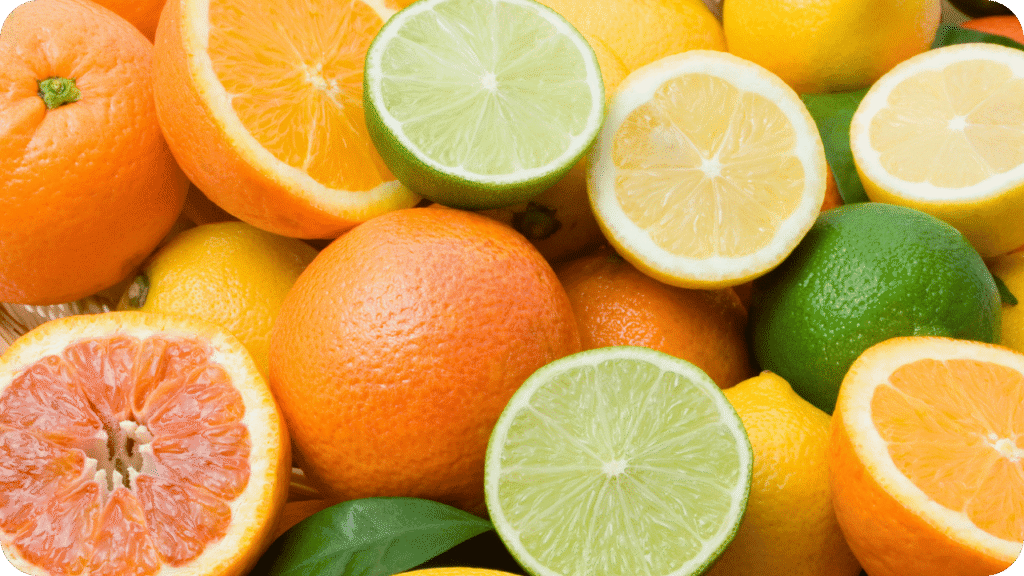
- Orange juice
- Coconut water
- Fresh fruit juice
- Water with a pinch of salt
- Water with lime or lemon
2. Eat More Soluble Fiber
Think of soluble fiber like a sponge. It absorbs extra water in the intestines, helping create firmer, more regular stools.
On an animal-based diet, good sources include:
- Apples
- Pears
- Bananas
- Oranges
- Carrots
- Avocados
Tip: Increase fiber gradually to avoid bloating.
3. Temporarily Eat Less Fat
Too much dietary fat can contribute to diarrhea. Instead of eliminating fat altogether, consider temporarily eating smaller amounts until symptoms improve (4, 5, 6).
Tips:
- Avoid seed oils
- Skip fried foods
- Use less butter, tallow, and ghee
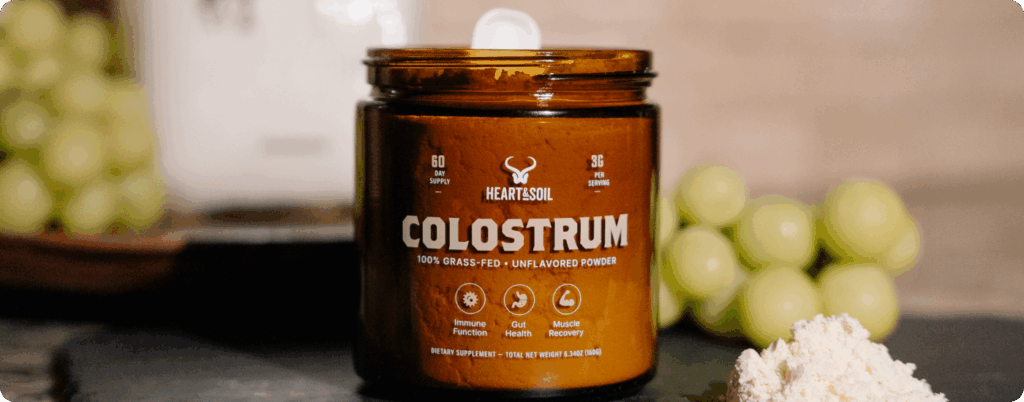
4. Consume Colostrum for Gut Lining
GLP-1 medications don’t just affect digestion; they may also place extra stress on the gut lining.
Bovine colostrum naturally contains:
- Immunoglobulins: proteins that identify and help clear bacteria and viruses
- Growth factors: proteins that stimulate growth and tissue/intestinal epithelial repair
- Lactoferrin: a protein that supports the immune system and acts as a prebiotic
- Bioactive peptides: short chains of amino acids that support gut health and tissue repair
A 2024 meta-analysis found bovine colostrum significantly improved markers of intestinal permeability (7).
Another meta-analysis found it was associated with shorter duration of diarrhea (8).
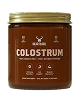
Grass-Fed Colostrum is a food-based source of these naturally occurring compounds. It supports normal gut-barrier function through nutrition. It isn’t a treatment for GLP-1-related diarrhea, and it shouldn’t replace fluids, electrolytes, or a conversation with your prescriber if diarrhea is severe or persistent.
5. Support Digestion with Gut & Digestion
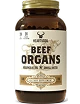
When you’re eating less food, every bite matters. Heart & Soil’s Gut & Digestion contains pancreas, liver, spleen, intestine, and tripe, providing naturally occurring enzymes, peptides, and nutrients that support normal digestion.
For example:
- Beef intestine naturally contains alkaline phosphatase, an enzyme involved in maintaining gut barrier health (9).
- The formula also provides nutrients, including vitamins B2, B5, B6, B12, iron, and copper, nutrients that can become harder to obtain when food intake drops.
Gut & Digestion is food-based digestive support, not a treatment for GLP-1-related diarrhea, dysbiosis, or intestinal permeability. If diarrhea is frequent, severe, or doesn’t improve, that’s a conversation for your prescriber rather than something to solve with supplements alone.
Nourish Your Gut
Grass-Fed Organs for Digestive Wellness
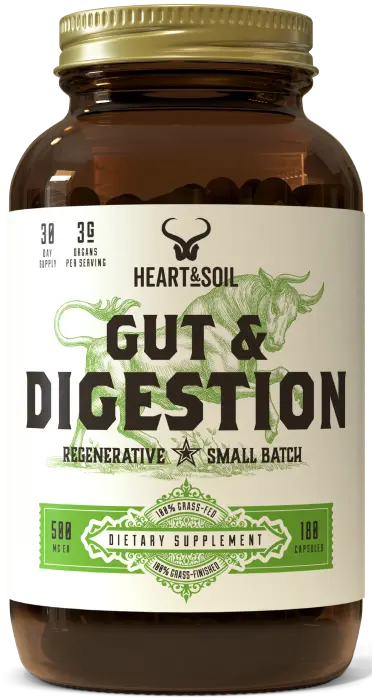
- Tripe (stomach), intestines, pancreas, liver, and spleen
- Supports a healthy gut lining and nutrient breakdown
- Nourishes the immune system
60-day risk-free guarantee. No questions asked.
GLP 1 Diarrhea Support Strategies
| Strategy | May Help Support |
| Electrolytes | Fluid loss |
| Soluble fiber | Stool consistency |
| Gut & Digestion | Digestive function |
| Grass-Fed Colostrum | Gut lining |
Glossary
- GLP-1: A hormone that helps regulate appetite and slows digestion. GLP-1 medications mimic this effect.
- Dysbiosis: An imbalance in gut bacteria.
- Motility: The movement of food through the digestive tract.
- Intestinal permeability: How easily substances pass through the gut lining.
FAQ
Will I definitely get GLP 1 diarrhea if I start the medication?
No. While diarrhea is common, many people never experience it, and symptoms often improve as the body adjusts.
How long does GLP 1 diarrhea typically last?
Many people notice improvement within the first few weeks, although symptoms can return after dose increases.
Can diet alone help support GLP 1 diarrhea?
Diet plays a real role, particularly fiber type and hydration. Some people also use gut-barrier and digestive support as an additional part of that routine, though persistent or severe diarrhea is worth bringing to your prescriber rather than addressing it through diet or supplements alone.
Related Reading
- The Ultimate GLP-1 Supplement Guide: Our Top 4 Picks
- GLP-1 Muscle Loss: 10 Powerful Ways to Stay Strong
- GLP 1 Constipation: 5 Easy Ways to Help Support Your Bowels
- GLP 1 Nausea: 6 Simple Ways to Soothe Your Stomach
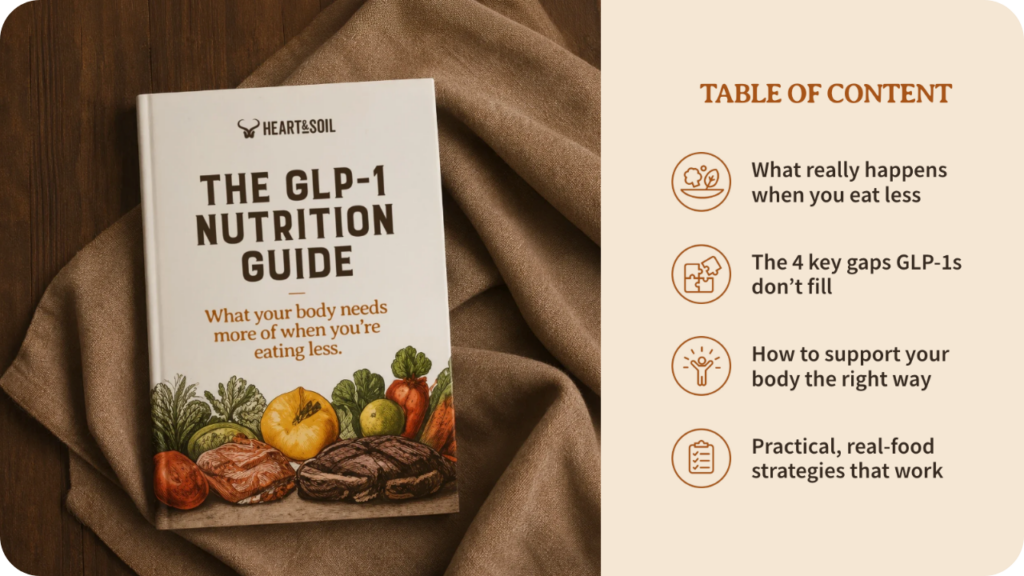
View the GLP-1 Nutrition Guide and Protocol
Bottom Line
GLP-1 diarrhea is a common side effect because these medications can change how your digestive system works. They can slow digestion, alter gut bacteria, and often reduce how much you eat.
Supporting your gut with electrolytes, soluble fiber, temporary dietary adjustments, and targeted gut support may help you stay more comfortable while your body adapts to treatment.
Uncut Colostrum
Colostrum Powder in Its Purest Form

- Supports gut health, immunity, and exercise recovery
- 100% grass-fed, pasture-raised colostrum
- Third-party tested for biological activity
60-day risk-free guarantee. No questions asked.
Subscribe to future articles like this:
