
Most people know nausea is a common GLP-1 side effect. What surprises many people is GLP 1 constipation.
In fact, it was one of the most commonly reported digestive side effects in Wegovy’s clinical trials.
The good news? There are several simple strategies that may help support regular bowel movements while staying on your medication.
This post covers why GLP 1 constipation can occur and 5 ways to support your bowel movements to feel your best.
Key Takeaways
- GLP 1 constipation was reported in roughly 1 in 4 participants in Wegovy’s clinical trials, making it one of the more commonly reported side effects.
- GLP 1 constipation can occur because these medications slow gastric and intestinal motility by design, the same mechanism involved in appetite suppression.
- Gut-specific support, alongside fiber and hydration, may help address the motility and lining changes tied to GLP 1 constipation.
Table of Contents
Why Can GLP-1 Cause Constipation?
Motility is the term for how food and waste move through your digestive tract.
GLP-1 medications slow both gastric and intestinal motility by design, which is part of why they support appetite suppression, but it’s also the mechanism most closely tied to GLP 1 constipation. This pattern is reflected in Wegovy’s own clinical trial data (1).
There’s another reason constipation may persist. Eating less means you’re feeding your gut bacteria less, and slower digestion can gradually shift the balance of those bacteria (2). Over time, this may affect your gut lining and make digestion less efficient.
Reduced food and fluid intake can compound all of this. When appetite suppression means eating and drinking less overall, there’s less volume moving through a digestive system that may already be working more slowly.

Subscribe to future articles like this:
5 Ways to Help Support Regularity With GLP 1 Constipation
1. Eat More Fruit
A systematic review and meta-analysis of randomized controlled trials found fiber supplementation was associated with improved stool frequency and consistency in adults with chronic constipation (3).
Tip: Go slowly, since a sudden increase can cause bloating and gas. Opt for easy-to-digest sources of fiber, such as from ripe fruit like avocado, berries, and pears.
2. Increase Hydration
A systematic review of foods, drinks, and diets found that water supplementation enhanced the effect of a high-fiber diet on stool frequency compared with fiber alone (4). This combination may matter for GLP 1 constipation specifically, since both intake types tend to drop together.
Sources of hydration: orange juice, bone broth, coconut water, milk, and freshly squeezed juices.
3. Walk 10 Minutes After Meals
Physical activity is associated with supporting intestinal motility, the same mechanism GLP-1 medications slow down (5). Consider going for short walks after each meal to support digestion; great for your hitting your step goal, too!
4. Start Gut & Digestion
Supporting digestion isn’t just about adding more fiber. Because GLP-1 medications slow digestion, some people may also benefit from digestive support that helps break down food more efficiently and supports the gut lining.
Digestive enzymes may be especially helpful here. GLP-1-induced gastric slowing reduces protein breakdown efficiency, the exact wrong direction for a population needing to maximize protein utilization from reduced meal volumes.
Digestive enzyme support, including protease activity, helps compensate for this slowing, ensuring limited protein consumed is optimally digested and absorbed at the mucosal level.
Nourish Your Gut
Grass-Fed Organs for Digestive Wellness
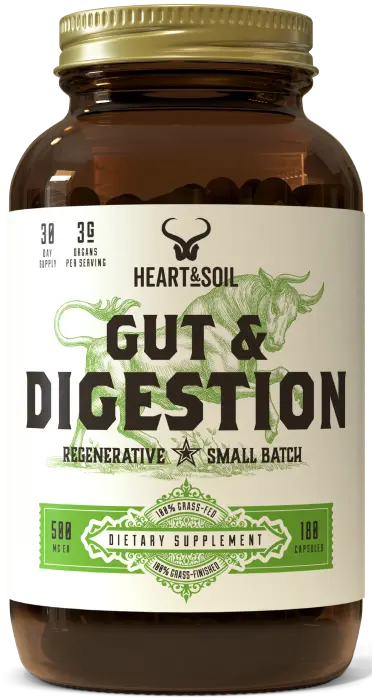
- Tripe (stomach), intestines, pancreas, liver, and spleen
- Supports a healthy gut lining and nutrient breakdown
- Nourishes the immune system
60-day risk-free guarantee. No questions asked.
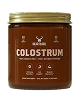
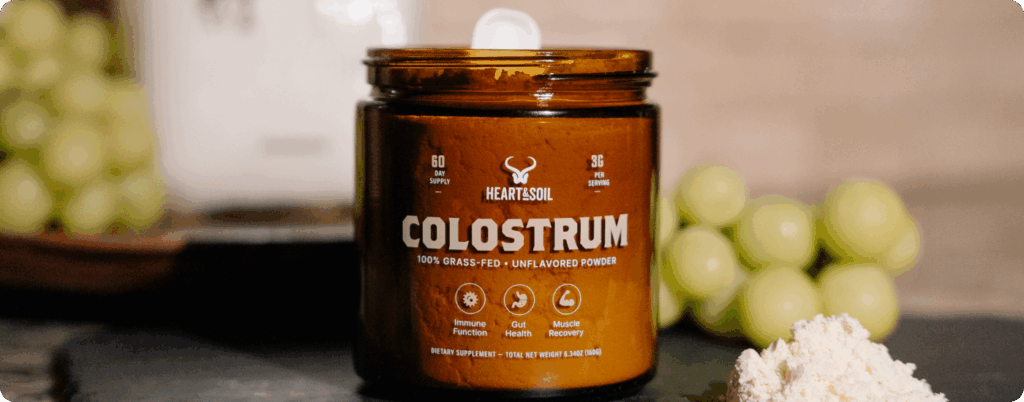
5. Consume Colostrum Daily
GLP-1 medications change how the digestive system works. Slower motility, eating less food, and shifts in gut bacteria can all place added stress on the gut over time.
The gut epithelium, the primary barrier between gut lumen and systemic circulation, requires ongoing repair, particularly under conditions of nutritional stress and altered mucosal perfusion.
Bovine colostrum is the most clinically well-documented whole-food source of growth factors, immunoglobulins, PRPs, Lactoferrin, and mucosal repair substrates.
A 2024 meta-analysis of 10 clinical trials confirmed that bovine colostrum supplementation significantly reduced intestinal permeability (6).
Colostrum’s secretory immunoglobulin A (sIgA) content also offers mucosal immune support, relevant when reduced dietary diversity and altered microbial populations may compromise first-line gut immune defense (7).
Check out the full GLP-1 Supplement Protocol
Glossary
- GLP-1: Glucagon-like peptide-1, an incretin hormone that slows digestion and signals fullness; GLP-1 medications extend this effect pharmacologically.
- Motility: The movement of food and waste through the digestive tract via muscle contractions.
- Functional Constipation: Constipation without an identifiable structural or disease-related cause, often related to diet, hydration, or motility.
- Intestinal Permeability: A measure of how easily substances pass through the gut lining; increased permeability is linked to gut barrier stress.
FAQ
Will I definitely get GLP 1 constipation if I start the medication?
Not necessarily. It’s a commonly reported side effect, occurring in roughly 1 in 4 trial participants, but experiences vary by person and dose.
Is GLP 1 constipation a sign I should stop the medication?
Not on its own. Talk to your doctor about dose timing and management strategies before considering any change.
Can a laxative help with GLP 1 constipation?
Occasional use may help in the short term, but relying on laxatives long-term can lead to dependency and further dehydration. Fiber, fluid, gut support supplementation, and movement are generally considered the more sustainable starting point. Talk to your doctor to figure out what’s best for you.
Related Reading
- GLP 1 Nausea: 6 Simple Ways to Soothe Your Stomach
- The Ultimate GLP-1 Supplement Guide: Our Top 4 Picks
- GLP-1 Muscle Loss: 10 Powerful Ways to Stay Strong
- GLP 1 Diarrhea: Why it Happens & 5 Helpful Tips for Gut Health
Get Heart & Soil GLP-1 Nutrition Guide
Bottom Line
GLP-1 medications work by slowing digestion, which can also make bowel movements less frequent. The good news is that simple habits like increasing fiber and fluids together, staying active, and supporting gut health may help keep things moving while you work toward your weight-loss goals.
Subscribe to future articles like this:
