

This post is for informational and educational purposes only. It is not intended as medical advice. Consult your healthcare provider before making changes to your diet or supplementation routine.
Key Takeaways
- Most people are missing an entire category of nutrients, concentrated almost exclusively in organs, which shows up in common, everyday nutrient gaps.
- Beef liver alone provides more than 100% of the daily value for vitamin B12 and copper in a single 100 g serving (1).
- Heart is one of the richest whole-food sources of CoQ10 to support energy production and heart health (2).
- Kidney is a well-documented source of riboflavin in a highly bioavailable, whole-food form.
- If you are not eating fresh organs or capsule-form beef organ supplements, you are missing out on nutrients that are difficult to get anywhere else.
Table of Contents
What Are Organ Meats?
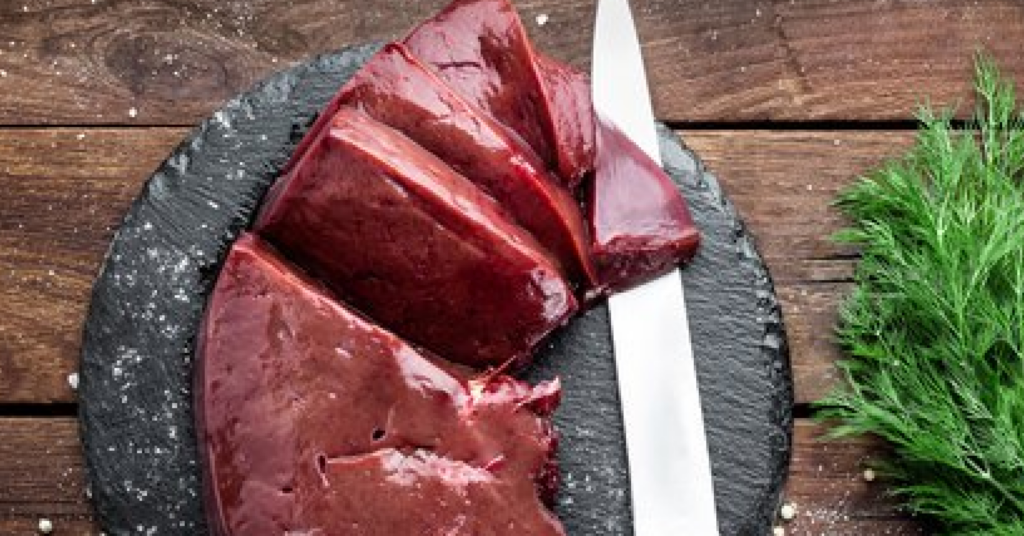
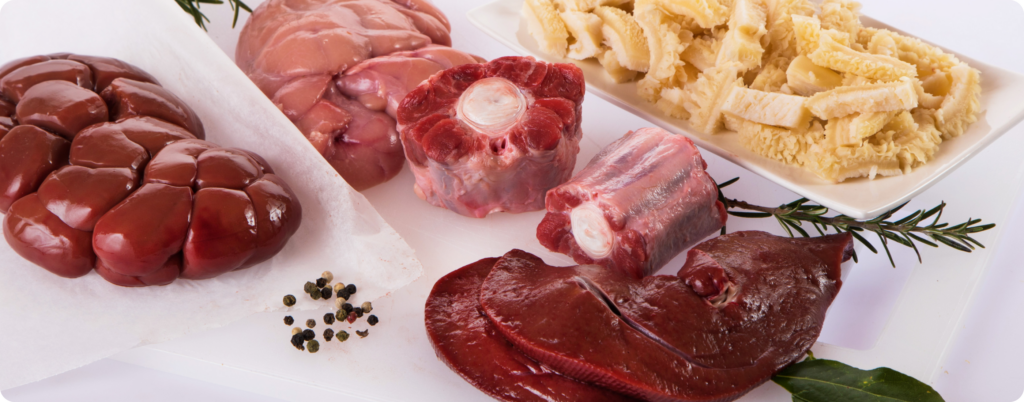
Organ meats, also called offal, are the internal organs of animals: liver, heart, kidney, spleen, pancreas, tongue, tripe, and more. For most of human history, organs were the most valued part of the animal, eaten first and in preference to muscle meat. The liver went to the most respected members of a community, the heart was eaten for strength, and the kidney for vitality.
What changed is not the nutritional profile of organs. What changed is industrial food production, which made muscle cuts cheap, accessible, and easy to market. Organs got left behind, not because they stopped being valuable, but because there was no economic pressure to keep eating them.
The result is that most people in the modern world eat exclusively muscle meat and miss the concentrated nutrition that the rest of the animal provides.
Why Are Organ Meat Benefits So Overlooked?
The short answer: they fell off the plate, and nobody brought them back.
Muscle meat is easy to cook, easy to sell, and aesthetically familiar. Organs require more knowledge, more confidence in the kitchen, and a willingness to encounter something unfamiliar.
There is also the cultural layer. In the United States and much of the Western world, organs became associated with poverty and scarcity across the 20th century, rather than with their actual nutritional value. The cultural shift happened faster than the science could catch up to it.
The data from nutritional studies is not ambiguous.
Organs are the most nutrient-dense foods analyzed in the study, and several qualify as “Excellent Sources” of multiple critical nutrients per USDA labeling standards (3).
10 Organ Meat Benefits at a Glance
Organs contain a higher concentration of nutrients than most foods on the planet, including muscle meat. They help fill nutrient gaps that are common in the standard American diet.
Organ meat benefits at a glance:
- Organ meats are rich in B vitamins like B12, which support energy production and healthy, oxygen-carrying red blood cells.
- Liver is one of the best food sources of vitamin A, which supports skin, vision, and immune health.
- Liver is rich in riboflavin (B2), which supports cellular energy production and normal metabolism.
- Kidney contains selenium, which supports thyroid function and antioxidant defense.
- Organ meats contain copper, which supports iron metabolism, immune function, and connective tissue integrity.
- Liver is concentrated in choline, which supports fat metabolism, cellular membrane integrity, and normal neurological function.
- Beef heart is one of the richest whole-food sources of CoQ10, which supports hormones, cardiovascular health, and more.
- Organ meats contain glycine, which supports collagen synthesis and healthy sleep.
- Organ meats contain peptides and nutrients that support the normal structure and function of the corresponding organs in your own body, a principle known as like supports like.
- Organ meats are a complete source of protein, which supports satiety and muscle maintenance.
Let’s dive into each of these deeper below.
What Are the Benefits of Eating Beef Liver?
Modern diets filled with processed foods are lacking in the nutrients that your body needs for optimal energy production, hormone regulation, appetite regulation, immune function, and more.
Among the foods analyzed in the scientific literature, beef liver sits at the top of nearly every nutrient category that matters (4).
Vitamin A: A 100 g serving of raw beef liver delivers 37.02 mcg/g of retinol (preformed vitamin A) (5). The NIH Office of Dietary Supplements identifies liver as the top whole-food source of preformed vitamin A, the active form the body uses directly (6). Most people eating plant foods consume beta-carotene and assume conversion to retinol is sufficient, but the conversion rate in humans is highly variable and often far lower than assumed.
Copper: Liver is also the standout source of copper among all beef offal items, providing 119.47 mcg/g, compared to 3.70 mcg/g in heart and 4.80 mcg/g in kidney (7). Copper supports connective tissue integrity, iron metabolism, and normal immune function (8).
B Vitamins: Vitamin B12 content in liver is 0.85 mcg/g, the highest among all offal cuts analyzed. Riboflavin (B2) comes in at ~260% DV, pantothenic acid (B5) at ~114% DV, niacin (B3) at ~88% DV, and B6 at ~46% DV (9).
What beef liver provides per 100 g (raw lean tissue) (10):
- Retinol (Vitamin A): 37.02 mcg/g
- Vitamin B12: 0.85 mcg/g
- Riboflavin (B2): 33.8 mcg/g
- Niacin (B3): 141.33 mcg/g
- Copper: 119.47 mcg/g
- Iron: 51.53 mcg/g
- Zinc: 38.90 mcg/g
- Protein: 19.57%
What Are the Benefits of Eating Beef Heart?
Beef heart is one of the richest whole-food sources of CoQ10 (coenzyme Q10) available. CoQ10 is a compound found in virtually every cell of the body, concentrated in tissues with the highest energy demands (11).
CoQ10 supports (12):
- ATP production for energy
- Blood flow
- Antioxidant production
Health conditions, including diabetes, cancer, heart failure, neurodegenerative diseases, and muscular diseases, are all linked to reduced levels of CoQ10 circulating in the body (13).
Beyond CoQ10, per 100g serving, heart contains about 35% daily value of protein, about 26% daily value of iron, and 41% daily value of copper (14).
Heart also has the most favorable eating profile of any organ for people new to offal. The texture is dense and muscular, closer to a lean steak than anything liver-like. It takes a marinade well, slices cleanly, and grills without difficulty. The barrier to entry is significantly lower than it is for liver, and the nutrient return is substantial.
Maximize Your Performance, Strength, & Recovery
Georges St-Pierre's WARRIOR
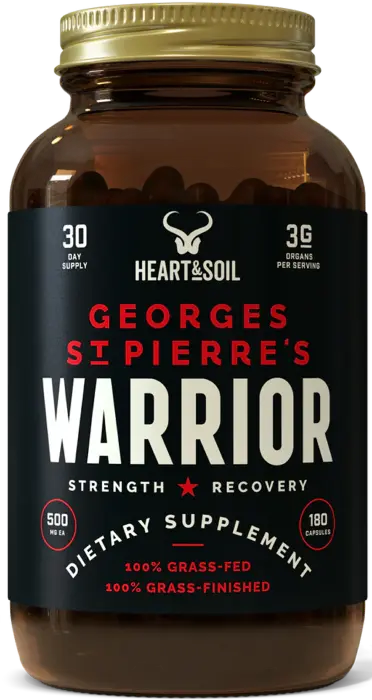
- 100% grass-fed heart and liver to support training output
- 12+ powerful nutrients: CoQ10, creatine, taurine, & more
- Foundational support for unlocked energy
60-day risk-free guarantee. No questions asked.
What Are the Benefits of Eating Beef Kidney?
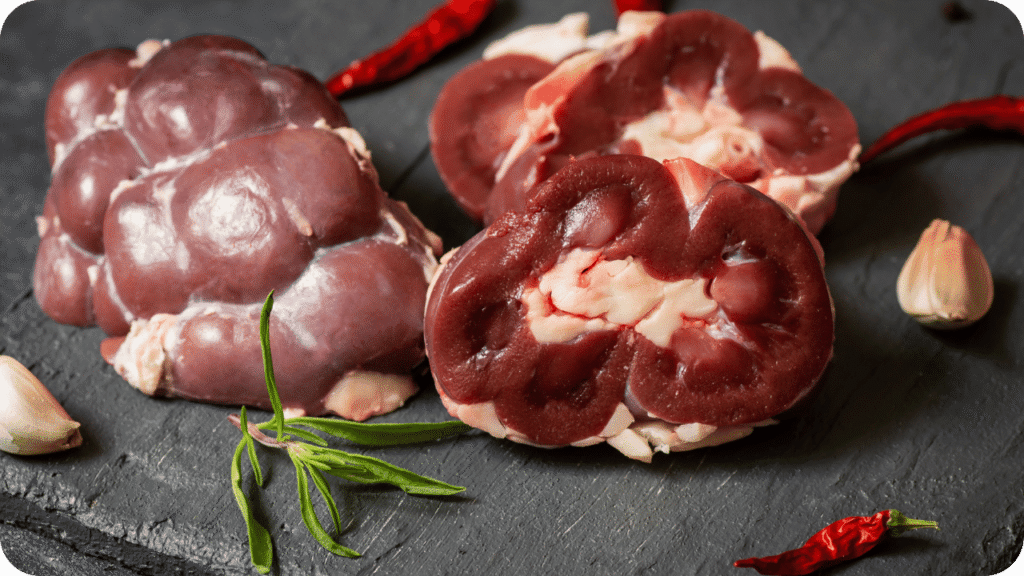
Beef kidney delivers selenium and riboflavin in concentrations that stand out even among organ meats. The Frontiers in Animal Science analysis found kidney provides 52.13 mcg/g of iron, more than heart and close to liver, along with riboflavin at 29.1 mcg/g, the second highest among all offal cuts after liver (15).
These nutrients arrive in a whole-food matrix alongside the cofactors that occur naturally in animal tissue, which is a meaningful distinction from isolated compounds in a supplement form.
How Do Organ Meats Compare to Muscle Meat?
Muscle meat is excellent food. A ribeye or strip loin steak delivers complete protein, heme iron, zinc, selenium, and a full array of B vitamins (16). But muscle meat and organ meat are not comparable in nutrient density per gram.
Organs are not a replacement for muscle cuts. They are a complement to them, one that most people are missing entirely.
The table below illustrates the difference across key nutrients:
Organ Meat vs. Muscle Meat: Key Nutrient Comparison (% Daily Value per 100 g raw lean tissue) (17) (18)
| Nutrient | Daily Value | Ribeye (Muscle) | Beef Liver (Organ) | Beef Heart (Organ) | Beef Kidney (Organ) |
| Protein | 50 g | ~44% DV | ~39% DV | ~35% DV | ~35% DV |
| Vitamin B12 | 2.4 mcg | ~70% DV | ~3,542% DV | ~500% DV | ~1,792% DV |
| Retinol (Vit A) | 900 mcg | <1% DV | ~411% DV | <1% DV | ~3% DV |
| Copper | 900 mcg | not measured* | ~1,327% DV | ~41% DV | ~53% DV |
| Iron | 18 mg | ~8% DV | ~286% DV | ~258% DV | ~290% DV |
| Riboflavin (B2) | 1.3 mg | ~9% DV | ~2,600% DV | ~877% DV | ~2,238% DV |
Subscribe to future articles like this:
What Are The Organ Meat Benefits From Organ Supplements?
The question of what the benefits of organ meat supplements are comes down to one thing: most people will not cook fresh liver three times a week. The benefits of eating organ meat are real and documented, but the taste barrier is real.
Organ meat capsule benefits are identical to whole organ benefits when the product uses freeze-dried, grass-fed organs without fillers, binders, or additives. Freeze-drying preserves the nutrient content of the organ in a way that dehydration and high-heat processing do not. The vitamins, minerals, and proteins remain intact. What you get in a capsule is the organ itself, in concentrated form, minus the preparation and the taste.

Benefits of organ meat capsules include:
- Consistent, daily nutrient delivery without meal planning around organ preparation
- Access to multiple organs in a single supplement (liver, heart, kidney, spleen, pancreas, etc.)
- Freeze-dried preservation that maintains bioavailability of fat-soluble vitamins, including A, D, E, and K2
- Practical compliance for people who travel, have limited cooking time, or find organ flavors difficult
- Stackable nutrition alongside whole-food organ meals for people already eating offal
Heart & Soil’s Beef Organs product contains grass-fed and finished liver, heart, kidney, pancreas, and spleen, freeze-dried and encapsulated with nothing else added. It is the most straightforward way to access organ meat benefits for people who are not going to make liver a daily habit.
Beef Organs
Nature's Ultimate Multivitamin
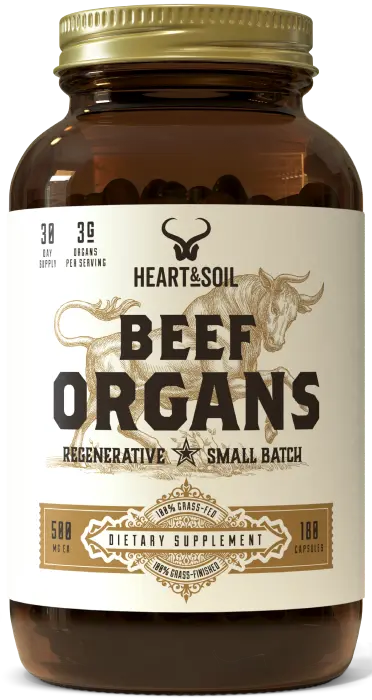
- Grass-fed liver, heart, pancreas, kidney, & spleen
- Designed to support overall energy & well-being
- Ideal daily foundation for nose-to-tail nutrition
60-day risk-free guarantee. No questions asked.
Why Does Nose-to-Tail Eating Provide Nutrients Muscle Meat Cannot?
Muscle meat is rich in methionine, an essential amino acid. But methionine does not operate in isolation. Without adequate glycine, B vitamins, and choline to balance it, methionine metabolism generates homocysteine, a compound associated with vascular disease when elevated (19). Liver supplies methionine alongside the exact cofactors that keep it in balance. Muscle meat alone does not.
This is the core argument for nose-to-tail eating. Traditional diets delivered nutrients as a system, the whole animal providing compounds that work cooperatively:
- Glycine from connective tissue offsets methionine from muscle.
- Choline from liver supports fat metabolism and cellular structure.
- B vitamins from kidney and heart keep the entire methylation cycle running.
Modern diets heavy in muscle meat but stripped of organs break that system at the source.
What organs provide that muscle meat does not:
- Glycine — found in high concentrations in connective tissue and tripe; supports collagen synthesis and healthy sleep architecture (20).
- Choline — concentrated in liver; supports fat metabolism, cellular membrane integrity, and normal neurological function (21)
- Retinol (preformed vitamin A) — found almost exclusively in liver among common foods; supports normal vision, immune function, and skin integrity (22)
- CoQ10 — concentrated in heart; supports normal cellular energy production (23)
- Vitamin K2 (MK-4) — found in liver, heart, kidney fat, and bone marrow; supports normal calcium metabolism and bone structure (24)
Nose-to-tail eating is not a trend. It is the nutritional baseline that whole-animal consumption maintained for as long as humans have been eating animals.
Does Eating an Organ Support Your Own?
The like-supports-like principle is the idea that eating a specific organ delivers the nutrients concentrated in that organ to the corresponding tissue in your own body. It is an old idea, present across traditional food cultures globally. What modern nutritional science adds is the ability to examine whether the nutrient content of each organ is, in fact, concentrated in ways that are relevant to the function of that tissue.
The answer, in several cases, is yes, and the mechanism is nutritional.
Liver supports liver function. Beef liver is the most concentrated dietary source of choline, a nutrient the liver uses directly for fat transport and metabolism. Choline deficiency is associated with impaired liver function and fat accumulation in the liver (25). Eating liver delivers choline in its most concentrated whole-food form alongside the B vitamins that support normal hepatic metabolism.
Heart delivers nutrients that support cardiovascular function. Beef heart is one of the richest dietary sources of CoQ10, a compound found in high concentrations in cardiac muscle because the heart requires continuous, uninterrupted energy production (26). CoQ10 is present in every cell, but the heart runs on it at a level no other tissue matches. Eating heart delivers CoQ10 in the context of the complete nutritional matrix of cardiac tissue.
The kidneys supply nutrients involved in normal kidney and adrenal function. Kidney is one of the highest dietary sources of selenium and riboflavin, both of which are found in high concentrations in kidney tissue. Selenium supports normal antioxidant enzyme activity in the kidneys (27).
Bone marrow and bone broth support connective tissue and joint structure. Bone marrow is rich in collagen precursors, fat-soluble vitamins, and glycine. Glycine is the primary amino acid in collagen, the structural protein in joints, tendons, ligaments, and skin. Dietary glycine from connective tissue and marrow supplies the raw material the body uses for normal collagen synthesis and maintenance (28).
The principle is not that eating liver cures liver disease, or that eating heart prevents cardiac events. It is that each organ contains the nutrients that organ concentrates in its own tissue, and delivering those nutrients in whole-food form supports the normal structure and function of corresponding tissues in your own body.
| Goal | Organs | Product |
| Hormone production | Testicle, liver, whole blood extract | Whole Package |
| Mental clarity & mood | Brain, bone marrow, liver | Mood, Memory & Brain |
| Cycle & hormonal health | Ovary, uterus, fallopian tubes, liver, kidney | Her Package |
| Iron levels & oxygen delivery | Whole blood extract, spleen, liver | Lifeblood |
Why Are Researchers Studying Organ Peptides?
Insulin came from animal pancreas extract in 1922, and thyroid medication came from animal thyroid extract in the 1890s, both because the gland held a compound that worked the same way once isolated.
For over 40 years, researchers at the Institute of Bioregulation and Gerontology in St. Petersburg have studied that same idea in short peptides extracted from freeze-dried bovine organs (29).
Freeze-drying matters here because it avoids the heat that would break these peptides down, unlike high-heat processing. A capsule isn’t an injected peptide therapy or a hormone prescription, but it’s the same category of compound that launched insulin and thyroid medicine, still under study in whole organ tissue today.

How to Start Eating Organ Meats
The single most common mistake people make with eating fresh organs is starting with liver. Liver is the most nutritious organ available, and it is also the most assertive in flavor. Starting there, failing, and concluding that organs are not for you is the pattern that keeps most people from ever coming back to it.
A more practical entry sequence:
- Start with heart. It is the most approachable organ from a flavor and texture standpoint. Slice thin, marinate in salt and citrus, grill on high heat. It eats like a lean steak.
- Try tongue next. Braised beef tongue is mild, tender, and unrecognizable in texture from a standard braise once it is peeled and sliced. It is a common entry point for people who are skeptical. Check out: Beef Tongue Tacos: A Delicious High-Protein, Animal-Based Recipe
- Work up to liver. Start with small amounts, no more than 0.5-1 oz, mixed into ground beef or cooked with enough onion and fat to balance the flavor. Increase gradually.
- Use capsules in the meantime. There is no rule that says you have to eat the whole organ every day. Capsules and whole organs are not mutually exclusive.
Every traditional food culture ate organs. The knowledge of how to prepare them just did not make it through the last 50 years of food industrialization intact, but that’s recoverable.
Glossary
Offal: The internal organs and entrails of an animal used as food. The term covers all non-muscle cuts, including liver, heart, kidney, tongue, tripe, brain, and spleen.
Animal-based: A dietary approach centered on animal foods, including muscle meat, organs, eggs, dairy, and animal fats, as the primary source of nutrition. Animal-based eating prioritizes foods that are biologically dense and evolutionarily familiar to the human body.
Freeze-drying: A preservation method that removes water from food at low temperature under vacuum. Freeze-drying preserves the nutrient content of organ meats, including heat-sensitive vitamins, making it the preferred method for producing organ meat supplements that retain bioavailability.
Bioavailability: The proportion of a nutrient that is absorbed and used by the body after ingestion. Nutrients from animal foods are generally more bioavailable than those from plant foods due to the absence of anti-nutrients and the presence of cofactors that facilitate absorption.
FAQ: Organ Meat Benefits
Q: What are the organ meat benefits from beef organ supplements compared to a standard multivitamin?
A: Organ meat supplements deliver nutrients in their whole-food matrix, alongside the cofactors and coenzymes that occur naturally in animal tissue.
Q: How often do I need to eat organ meats to experience organ meat benefits?
A: Aim 3-7oz of liver a week. Daily capsule supplementation with a multi-organ product is the most consistent approach for people who are not cooking organs regularly.
Q: Are the benefits of eating organ meat accessible through capsules?
A: Yes, when the capsules are made from freeze-dried, grass-fed organs without fillers. The freeze-drying process preserves the vitamin, mineral, and protein content of the organ. What you are consuming is the organ itself in concentrated form.
Q: Is beef liver safe to eat regularly?
A: Beef liver is safe for most people in reasonable quantities from whole foods like liver. Consult your healthcare provider if you are pregnant or managing a specific health condition before significantly increasing organ meat consumption.
Q: Do organ meats contain seed oils or additives?
A: Whole organ meats contain none. Quality organ meat supplements should also contain no seed oils, binders, or fillers. Check the ingredient label. The only ingredients should be the organ or organs themselves, freeze-dried, in a capsule.
Q: What is the difference between grass-fed and grain-fed organs?
A: Grass-fed and grass-finished animals tend to have more favorable fatty acid profiles, including higher concentrations of omega-3 fatty acids and conjugated linoleic acid (CLA), compared to grain-finished animals (30). For fat-soluble vitamins like A, D, E, and K2, the sourcing of the animal affects the levels found in the organ. Grass-fed and finished is the standard Heart & Soil uses across all products.
Q: Can I eat organ meats if I am on a carnivore diet?
A: Yes. Organ meats are among the most nutrient-dense animal foods available and are encouraged as part of a carnivore diet.
Q: What does organ meat taste like?
A: It depends on the organ. Heart tastes closest to a lean, mineral-forward steak. Tongue is mild and tender when braised. Liver has the most distinct flavor, often described as rich and metallic, which is significantly reduced when cooked with fat, onion, or acid, or when soaked in milk before cooking. Kidney has a stronger flavor than heart but milder than liver when properly prepared.
Related Reading
- The Ultimate Guide To The Animal-Based Diet
- The Ultimate Animal-Based Diet Food List (PDF Included!)
- 6 Dangers Of Eating Liver: What You Need To Know
- Beef Liver Vs Chicken Liver Benefits: Which Is Healthier?
- Beef Liver Supplements: Benefits, Dosage, & How to Choose the Best
Bottom Line
Organ meat benefits are not a modern discovery. Organ meats are among the most concentrated sources of bioavailable vitamins, minerals, and complete protein, and research confirms what traditional food cultures have always known (31).
The benefits of eating organ meat do not require eating organs every day, though that would not hurt. They require eating them consistently, whether whole or in capsule form, with a source you can trust.
The part of the animal most people discard is the part their body needs most.
Beef Organs
Nature's Ultimate Multivitamin
- Grass-fed liver, heart, pancreas, kidney, & spleen
- Designed to support overall energy & well-being
- Ideal daily foundation for nose-to-tail nutrition
60-day risk-free guarantee. No questions asked.
Subscribe to future articles like this:
