
Researchers study lactoferrin for the way it binds iron and interacts with normal immune processes. Cows produce it naturally in their milk, with especially high concentrations appearing shortly after birth. That early milk is colostrum, where lactoferrin occurs alongside antibodies, peptides, fats, and other nutrients.
You can buy lactoferrin on its own with a measured amount of that protein, while whole colostrum supplies it alongside the other components of first milk. Since the lactoferrin amount in colostrum isn’t necessarily standardized, its serving size won’t automatically match the dose used in a study of isolated lactoferrin. We keep our Grass-Fed Colostrum whole and non-defatted because we value that broader natural mix.
If you’re drawn to colostrum for its whole-food nourishment, you get lactoferrin as part of that mix without needing a second product just to include the protein.
Disclaimer: The information in this blog is for educational purposes only. It is not a substitute for professional medical advice. Consult your healthcare provider if you’re seeking medical advice, diagnosis, or treatment. These statements have not been evaluated by the Food and Drug Administration. Our products are not intended to diagnose, treat, cure, or prevent any disease.
Table of Contents
What is the difference between colostrum and lactoferrin?
Colostrum is the whole first-milk food, while lactoferrin is one iron-binding protein naturally found in it. Just as liver supplies vitamin B12 alongside other nutrients, colostrum supplies lactoferrin as part of a broader mix.
A lactoferrin isolate makes sense if you’re looking for a specified dose of that one protein. We make whole colostrum to keep that natural mixture together.
What is lactoferrin?
Lactoferrin is an iron-binding protein found in several mammalian secretions, including milk, colostrum, saliva, and tears. Researchers investigate its interactions with iron availability, microbial environments, immune signaling, and inflammation. For example, researchers describe lactoferrin as one of many biologically interesting milk proteins in a review of bovine colostrum components.
What is bovine colostrum?
Bovine colostrum is the first milk a cow produces after giving birth. It contains protein, fat, lactose, vitamins, minerals, immunoglobulins such as IgG, growth factors, lactoferrin, and numerous other peptides and biological components. Its composition changes quickly in the early postpartum period, which is why collection timing matters.
Newborn calves rely on colostrum to receive antibodies during early development. Adult humans don’t absorb bovine colostral antibodies in that same context, so researchers studying adults have focused on different outcomes, including gastrointestinal and exercise-related measurements. We’ve covered that research in our bovine colostrum benefits guide.
How much lactoferrin is in bovine colostrum?
There’s no universal amount of lactoferrin in colostrum. Levels change with the cow, how soon the milk is collected, and how it’s handled. To know the exact milligrams in a serving, you need finished-product testing.
In an older lactation study, researchers found higher lactoferrin concentrations in first-milking colostrum than in mature milk. In a 2026 pilot study, another team observed a decline during the first 12 hours after calving. These measurements describe the sampled fresh milk, so the lactoferrin content of a commercial powder still needs its own finished-product data.
If you specifically want a measured lactoferrin dose, check for finished-product results reported in milligrams per serving rather than estimating from raw-milk averages.
Why does first-milking colostrum matter?

A cow’s milk changes quickly after birth. Its earliest colostrum is generally richer in immunoglobulins and lactoferrin than the milk produced later, so collection timing makes a real difference to the material a producer starts with.
That’s why we use colostrum collected at the first milking. That gives us the early-milk ingredient we’re after, but only finished-product testing could establish a specific amount of lactoferrin.
Does Heart & Soil colostrum contain lactoferrin?
Yes. Lactoferrin is naturally present in our Grass-Fed Colostrum, along with immunoglobulins, fats, peptides, and other first-milk components. We use whole, first-milking colostrum from grass-fed, pasture-raised cattle and keep it non-defatted because we want to offer the broader food, not an isolated lactoferrin ingredient.
We don’t currently publish a standardized lactoferrin amount in milligrams per scoop or capsule serving. Lactoferrin is naturally present in the whole colostrum, but that serving size refers to total colostrum rather than a measured dose of that individual protein.
Colostrum vs lactoferrin supplements
Whole colostrum contains lactoferrin alongside immunoglobulins, peptides, fats, and other nutrients. With an isolated lactoferrin supplement, you can get a measured dose of that one protein. So the useful question is whether you want one quantified protein or the whole first-milk mix.
| Feature | Whole bovine colostrum | Isolated bovine lactoferrin |
| What it contains | Lactoferrin plus immunoglobulins, other proteins, fat, peptides, and nutrients | Primarily the lactoferrin ingredient |
| Dose shown on label | Usually total colostrum grams | Often lactoferrin milligrams |
| Research interpretation | Studies examine particular whole-colostrum preparations | Studies examine particular lactoferrin doses |
| Main consumer appeal | Broad food-matrix approach | Targeted single-compound approach |
| Is the other category’s evidence transferable? | Not automatically | Not automatically |
If a study used 200 milligrams of isolated lactoferrin, you can’t assume a scoop of colostrum delivers that same dose or result. And when researchers observe a change with whole colostrum, we can’t credit lactoferrin alone without studying the other components.
Should I take lactoferrin or colostrum?
Choose whole colostrum if you want the naturally occurring first-milk food, with lactoferrin alongside immunoglobulins, fats, and peptides. Then compare sourcing, collection timing, processing, and testing.
Choose an isolated lactoferrin supplement if you specifically need a measured amount of that protein. You can check the label to see how many milligrams you’re getting. There’s no reason to pretend the two products have the same purpose.
Is colostrum better than a lactoferrin supplement?
For whole-food nutrition, we’d choose colostrum. Lactoferrin naturally occurs alongside other proteins, peptides, and fats in first milk. If you need a measured lactoferrin dose, check the amount listed on an isolated lactoferrin supplement. Those advantages are different, and neither proves one product is better for every health outcome.
We keep our colostrum whole because lactoferrin naturally sits alongside immunoglobulins, fats, peptides, and other milk components. Our Grass-Fed Colostrum retains that broader first-milk mixture instead of reducing the formula to one extracted protein.
What does lactoferrin research actually show?
In a 2026 randomized controlled trial, researchers tested 200 mg and 600 mg of isolated lactoferrin per day in 103 adults aged 50 or older over four weeks. In that trial, researchers measured immune-cell populations, inflammatory markers, and laboratory responses to viral stimuli.
Some immune and inflammatory markers differed between groups, but the trial didn’t establish that lactoferrin prevented infections. It also tested measured doses of isolated lactoferrin, not the unquantified amount naturally present in our whole colostrum.
What about lactoferrin and iron?
Lactoferrin binds iron. That doesn’t make it an iron-rich food like liver or red meat. Researchers study its role in iron-related biology, but you shouldn’t compare a dose of lactoferrin with a serving of heme iron as though they’re the same nutrient.
For everyday dietary iron, we start with meat, liver, spleen, blood-based foods, and other animal foods. We explain why those sources matter in our heme versus nonheme iron guide. Lactoferrin has a different nutritional role, so research involving it doesn’t make whole colostrum an anemia treatment.
Does colostrum research prove lactoferrin works?
No. When researchers study whole colostrum, they look at all its ingredients together. Lactoferrin could contribute to an observed outcome, but so could its other components. Likewise, you can’t infer what to expect from 3 grams of colostrum based on a trial using 600 milligrams of isolated lactoferrin when you don’t know the amount of lactoferrin in your colostrum.
Can you take lactoferrin and colostrum together?
Yes, you can use both, but remember that whole colostrum already contains lactoferrin. Adding an isolate increases your intake of that particular protein. Unless you’re aiming for a specific measured amount, there isn’t an obvious nutritional reason to add another product simply because the names appear together.
Is lactoferrin dairy?
Bovine lactoferrin is derived from cow’s milk or colostrum, so a consumer shouldn’t assume it’s dairy-free simply because the finished ingredient looks like an isolated powder. Whole bovine colostrum is also a dairy-derived product.
This distinction matters most for cow’s-milk protein allergy. Allergy isn’t interchangeable with lactose intolerance, and a product containing milk-derived proteins may be unsuitable for someone with a diagnosed milk-protein allergy even if it contains little lactose. Read the allergen information on the specific product.
Does processing affect lactoferrin?
Yes. Processing conditions can change lactoferrin’s protein structure and measured activity. Heat, moisture, and pH all matter, so it’s worth asking how a colostrum supplement was made and whether the final product was tested for the bioactives it promotes.
We use low-temperature, low-pressure processing to handle those proteins carefully, then independently test the finished product. The process is part of our quality standard, but a specific lactoferrin dose still requires product-specific measurement.
How to choose bovine colostrum
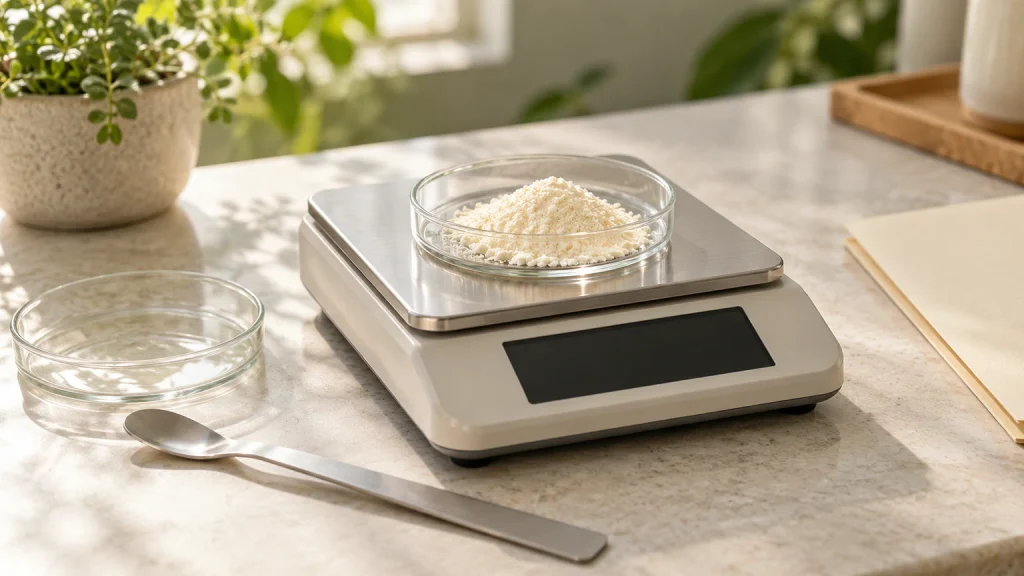
When you’re reading a colostrum label, look beyond the word ‘pure.’ Here’s what we’d ask before buying:
- Collection timing: Is it first-milking or otherwise clearly defined early colostrum?
- Sourcing: Can the company explain its farming standards and how calves receive the colostrum they need?
- Whole versus altered composition: Has naturally occurring fat been retained or removed, and is the change disclosed?
- Processing: What steps are used to make the material shelf-stable?
- Testing: Does the finished product have relevant identity, purity, and contaminant checks?
- Serving amount: How many grams of actual colostrum are supplied per serving?
- Specific fraction claims: If a percentage of IgG or milligrams of lactoferrin are advertised, what supports the figure?
For a fuller discussion, see our best colostrum supplement guide.

How to choose a lactoferrin supplement
When you’re buying lactoferrin on purpose, look for the amount per serving, its source, and the testing behind it. Researchers typically use measured lactoferrin doses in human trials, so those details help you compare the product with the evidence. A bigger number on the bottle still doesn’t prove a better result.
Whole colostrum or quantified lactoferrin: which fits your goal?
We favor whole colostrum when you want the full mix of nutrients naturally present in first milk. If you need a specific amount of lactoferrin, though, check for a product that lists the protein in milligrams per serving. A whole-colostrum serving tells you how much colostrum you’re taking, not how many milligrams of lactoferrin it contains.
Where Heart & Soil Grass-Fed Colostrum fits
We make our Grass-Fed Colostrum from first-milking, grass-fed, pasture-raised cattle. It’s whole and non-defatted, processed at low temperature and pressure, and independently tested for identity, biological activity, and contaminants. We choose that approach to preserve the complete first-milk food.
Our powder provides about 3 grams of whole colostrum per scoop, while six capsules provide 3 grams. That’s whole colostrum, not a standardized dose of isolated lactoferrin.
Want to keep the whole first-milk matrix together? Explore our Grass-Fed Colostrum.
Why We Keep Colostrum Whole Instead of Isolating Lactoferrin
Researchers study lactoferrin as a single protein, but in colostrum it’s naturally part of a broader mix that includes immunoglobulins, peptides, fats, and other nutrients. We want to offer that whole first-milk food, not just one of its components.
Our Grass-Fed Colostrum is made from the first milking of grass-fed, pasture-raised cattle, kept whole and non-defatted, and carefully processed. We’re not trying to turn colostrum into a single-protein supplement. Lactoferrin is worth knowing about, and the rest of colostrum is worth keeping.
Frequently Asked Questions About Lactoferrin vs Colostrum
What’s the difference between lactoferrin and colostrum?
Lactoferrin is one naturally occurring iron-binding protein in bovine colostrum, while colostrum is the entire first-milk food containing immunoglobulins, fat, peptides, and other components alongside lactoferrin. A standalone lactoferrin product can provide a measured amount of that protein, while whole colostrum provides the broader mixture. We make our Grass-Fed Colostrum to keep that mixture together.
How much lactoferrin is in bovine colostrum?
The amount varies with collection time, the animal, and the product’s processing and concentration. Researchers have reported different measurements for fresh bovine colostrum, often with higher levels in first milkings. But those numbers come from fresh colostrum, so you can’t use them to work out how much lactoferrin is in a finished powder unless that product has been tested.
Does first-milking colostrum have more lactoferrin?
Early colostrum generally has higher lactoferrin concentrations than later milkings, although the exact amount varies. That’s one reason first-milking sourcing is a useful quality signal. Still, it doesn’t guarantee a particular milligram amount in a finished supplement or prove superior outcomes for adult consumers by itself.
Is lactoferrin the main active ingredient in colostrum?
Lactoferrin is an important colostrum protein, but calling it the single main active ingredient oversimplifies the food. Immunoglobulins, other milk proteins, growth factors, peptides, and lipids also contribute to colostrum’s distinctive composition. Which component matters for a particular measured outcome depends on the research.
Is colostrum better than lactoferrin?
Whole colostrum supplies a broader naturally occurring mixture, while an isolated lactoferrin supplement can deliver a more precise amount of that particular protein. Neither has been established as universally better for every outcome. Decide whether you want the whole food or a defined amount of one protein.
Can I take lactoferrin and colostrum together?
They aren’t mutually exclusive because colostrum already naturally contains lactoferrin. Adding an isolated supplement would increase lactoferrin exposure, depending on the products used. That doesn’t prove special synergy or mean everyone needs both. Read the doses and choose according to a genuine nutritional purpose.
Is lactoferrin an immunoglobulin?
No. Lactoferrin is an iron-binding glycoprotein, while immunoglobulins are antibodies. Both can appear in bovine colostrum, but they have different structures and biological roles. Manufacturers sometimes group them under ‘bioactive proteins’ on labels, which is accurate as a broad category but shouldn’t erase the distinction between them.
Does regular milk contain lactoferrin?
Yes. Lactoferrin occurs in ordinary cow’s milk as well as colostrum, although concentrations are generally higher in early colostrum. Research following milk composition after calving has documented that decline. So check when the colostrum was collected.
Is bovine lactoferrin dairy?
Yes. Bovine lactoferrin is a milk-derived protein, and bovine colostrum is a dairy-derived food. People with cow’s-milk protein allergy shouldn’t assume either product is suitable simply because it contains little lactose or is supplied as capsules. Check the allergen information and seek appropriate guidance.
How much lactoferrin is in Heart & Soil Colostrum?
We retain lactoferrin as one of the naturally occurring components in our whole colostrum, but we don’t currently publish a standardized milligram amount of that individual protein per serving. The serving amount on our label refers to total colostrum, and we’d rather be precise about that distinction than borrow a number from an unrelated raw-milk study.
Does Heart & Soil remove lactoferrin from its colostrum?
We make our colostrum whole and non-defatted, with nothing intentionally removed or added, so naturally occurring lactoferrin remains part of the first-milk mixture. We don’t sell it as a standardized high-dose lactoferrin isolate, and our current product page doesn’t list a milligram amount for that one protein. The point of our formula is the whole food.
Subscribe to future articles like this:
