

Medical Disclaimer: This article is not written to provide specific medical advice to treat any medical condition. Always consult your medical care team before making changes to your diet or supplement routine.
The carnivore diet removes more junk from a person’s diet than almost any other approach. Gone are processed food, seed oils, artificial sweeteners, and plant compounds that irritate the gut. For a lot of people, that elimination alone produces noticeable results.
Here is the part that gets skipped in most carnivore diet content: muscle meat is not a complete food.
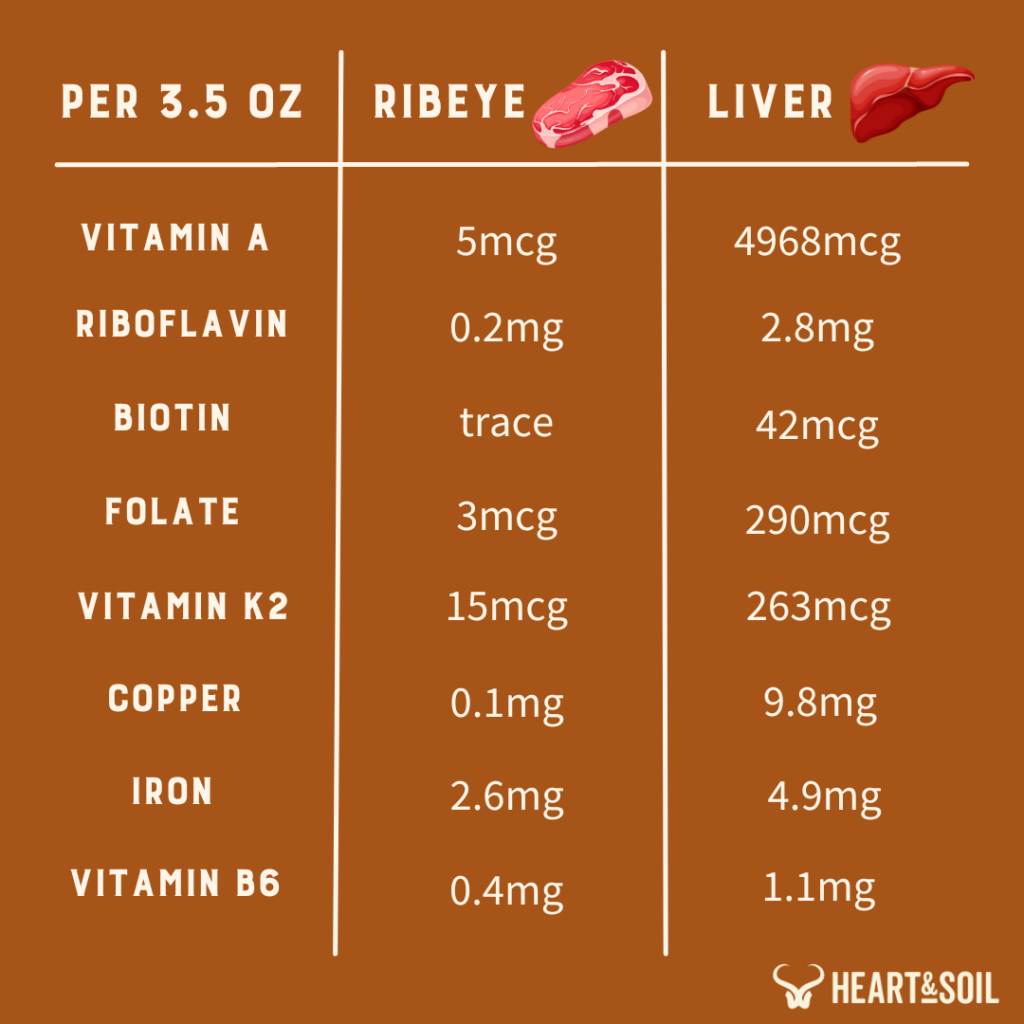
Ribeyes, ground beef, strip loin: they are protein-rich and iron-containing, but they are missing nutrients that the human body has run on for most of its existence. Vitamin A is at or below the detectable limit in most raw USDA Prime beef muscle cuts. Copper ranges from just 0.10 to 0.15 mg/100g. Vitamin D and Vitamin E are below detectable limits across all 4 cuts measured (1).
Grass-fed liver, by comparison, delivers Vitamin A at 37.02 mcg/g, copper at 119.47 mcg/g, and B12 at 0.85 mcg/g (2). Those are not modest differences. They are the gap between eating the muscle and eating the whole animal.
This is the guide to carnivore diet supplements that covers what to take and why.
Table of Contents
TL;DR
What supplements should you take on a carnivore diet?
On a carnivore diet, the most important carnivore diet supplement is one that fills the nutritional gaps muscle meat creates: beef organs. Raw USDA Prime beef muscle cuts contain Vitamin A at or below the detectable limit on most cuts, copper at 0.10 to 0.15 mg/100g, and B12 at 1.48 to 1.76 mcg/100g (3). Grass-fed liver, by comparison, contains retinol at 37.02 mcg/g, copper at 119.47 mcg/g, and B12 at 0.85 mcg/g (4). A grass-fed beef organ supplement covers the gaps.
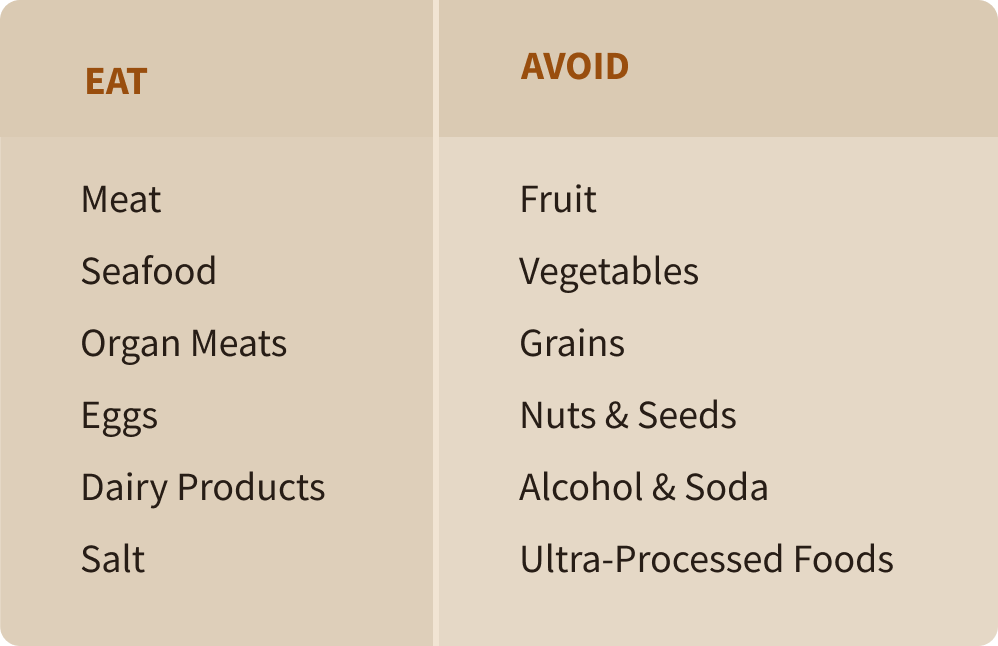
Do You Need a Carnivore Diet Supplement?
Choosing the right carnivore diet supplement starts with understanding what muscle meat alone is missing. That is not an argument against the diet. It is an argument for eating the whole animal.
Muscle meat is rich in protein, some B vitamins, zinc, and heme iron. What it lacks in meaningful amounts: Vitamin A, copper, folate, Vitamin K2, DHA from organ tissue, and the peptides and cofactors that whole-organ consumption provides.
Indigenous groups eating nose-to-tail, including liver, heart, kidney, and brain, were not supplementing. They were eating the parts modern carnivore practitioners tend to skip.
If your carnivore diet includes regular liver and diverse organ meats, your carnivore diet supplement needs are considerably lower than if it consists mainly of ribeyes and ground beef. Most people are not eating organs daily. That gap is where supplementation becomes relevant.
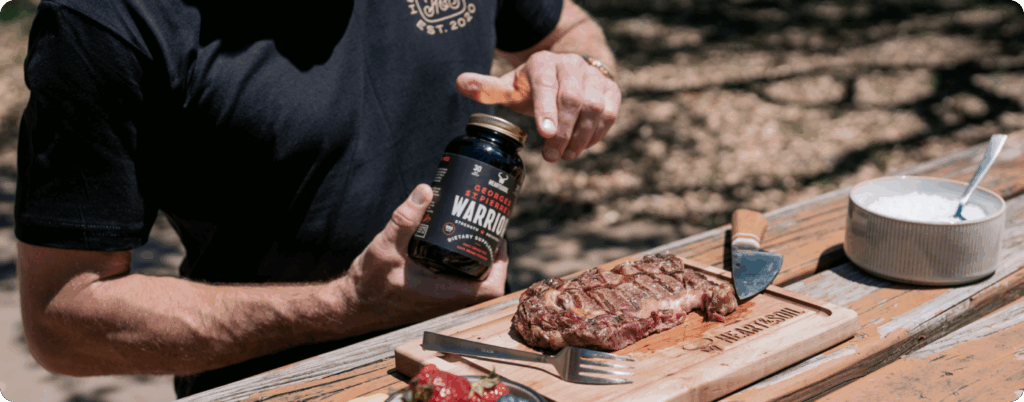
What Supplements Should You Take on a Carnivore Diet?
The framework is simple. Start with a blend of beef organs to cover the broad nutrient gaps that muscle meat creates. Then add 1 targeted supplement based on the reason you went carnivore in the first place. Gut issues, fat loss support, energy, hormones, and joint recovery each have different nutritional requirements.
What supplements to take on carnivore diet:
- Beef organ supplement: covers Vitamin A, copper, B12, folate, zinc, and fat-soluble vitamins absent from muscle meat.
- Electrolytes (sodium, potassium, magnesium): relevant in the first 2 to 6 weeks as carbohydrate reduction causes water and electrolyte loss.
- Targeted nose-to-tail support based on individual goals and symptoms
What is generally not necessary on a well-constructed carnivore diet that includes organs:
- Synthetic multivitamins
- Isolated B-complex supplements
- Calcium supplements (adequate in dairy-inclusive versions or if consuming Bone Matrix)
Subscribe to future articles like this:
Start Here: The Foundation of Any Carnivore Diet Supplement Stack
Beef organs are among the most nutrient-dense foods available.
A single ounce of grass-fed liver contains (5):
- 37.02 mcg/g of retinol (Vitamin A)
- 119.47 mcg/g of copper
- 51.53 mcg/g of iron
- 38.90 mcg/g of zinc
- 0.85 mcg/g of B12
- 33.8 mcg/g of riboflavin
Muscle meat delivers almost none of the above in comparable amounts. Across raw USDA Prime beef cuts including strip loin, tenderloin, top sirloin, and rib roast, Vitamin A sits at or below the detectable limit on most cuts, Vitamin D and Vitamin E are below detectable limits on all cuts, and copper ranges from just 0.10 to 0.15 mg/100g (6).
Heart & Soil Beef Organs is a grass-fed, freeze-dried blend of liver, heart, kidney, pancreas, and spleen. It is the starting point for anyone on a carnivore diet who is not eating fresh organs daily, which is most people.
Beef Organs
Nature's Ultimate Multivitamin
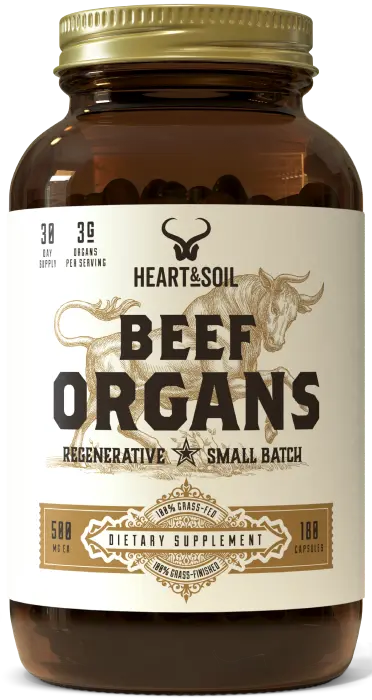
- Grass-fed liver, heart, pancreas, kidney, & spleen
- Designed to support overall energy & well-being
- Ideal daily foundation for nose-to-tail nutrition
60-day risk-free guarantee. No questions asked.
Liver contains 119.47 mcg of copper per gram of tissue. Muscle meat contains essentially none. That single gap explains most of what a muscle-meat carnivore diet is missing.
Then Build: Pair Organs With What Your Body Actually Needs
Once a general beef organ blend is in place, the next supplement for your carnivore diet regimen depends on your reason for going carnivore. The carnivore diet attracts people for different reasons, and those reasons point to different nutritional gaps. Pick the one that matches why you started.
Gut Issues
Many people go carnivore specifically to calm gut symptoms. Removing plant compounds, fiber, and processed foods is the mechanism. The most relevant nutritional support from here is for gut tissue integrity and digestive function.
Nourish Your Gut
Grass-Fed Organs for Digestive Wellness

- Tripe (stomach), intestines, pancreas, liver, and spleen
- Supports a healthy gut lining and nutrient breakdown
- Nourishes the immune system
60-day risk-free guarantee. No questions asked.
Learn more: The Ultimate Guide to Improving Your Gut Health (10+ Tips)
Fat Loss and Metabolic Support
A carnivore diet removes processed food and seed oils, which reduces omega-6 load and supports more stable blood sugar for many people. The nutritional support most relevant to healthy body composition and metabolic function: high-quality animal fat, including stearic acid and conjugated linoleic acid (CLA), present in grass-fed suet.
Promote Healthy Weight Management
Metabolism. Energy. Drive.

- 1 ingredient: grass-fed & finished suet
- Rendered at low temperatures to preserve nutrients
- Encourages the absorption of fat-soluble vitamins
60-day risk-free guarantee. No questions asked.
Autoimmune Issues
The carnivore diet is used as an elimination approach for autoimmune conditions, removing plant compounds, seed oils, and common dietary triggers to reduce the overall load on the immune system. If that is what brought you here, Histamine & Immune supports the nutritional side of immune function from a whole-organ foundation.
Daily Nourishment for Seasonal Wellness
Strategic Immune Support

- Grass-fed thymus, lung, spleen, liver, and kidney
- Contains diamine oxidase (DAO) to aid histamine metabolism
- Helps your body respond naturally and stay resilient
60-day risk-free guarantee. No questions asked.
Energy and Recovery
If chronic fatigue or poor recovery was what brought you to carnivore, the nutrients most relevant are CoQ10 from heart tissue and riboflavin from liver, which support mitochondrial function. Heart & Soil Warrior is 50% liver and 50% heart, built specifically around energy and performance support.
Maximize Your Performance, Strength, & Recovery
Georges St-Pierre's WARRIOR

- 100% grass-fed heart and liver to support training output
- 12+ powerful nutrients: CoQ10, creatine, taurine, & more
- Foundational support for unlocked energy
60-day risk-free guarantee. No questions asked.
Hormones, Fertility, & Libido
The fat-soluble vitamins A, D, E, and K2 in organ tissue are directly involved in steroid hormone synthesis as part of normal physiological function. The right whole-organ blend here differs by sex.
Real Organ Nutrition for Men
Strength. Drive. Testosterone.

- Support libido, energy, and performance naturally
- 100% grass-fed & grass-finished liver, testicle, and whole blood extract
- No fillers. No fluff. Real ingredients for real results
60-day risk-free guarantee. No questions asked.
Nourish Your Female Health
Hormonal Balance & Reproductive Health

- Grass-fed ovary, uterus, fallopian tubes, liver, & kidney
- Supports women's health through shifts like menstruation & menopause
- Naturally occurring vitamins, minerals, & other nutrients
60-day risk-free guarantee. No questions asked.
Mental Clarity
DHA is concentrated in brain and bone marrow tissue. A carnivore diet that does not include these organs misses the omega-3 fatty acid most relevant to neurological function. If brain fog was part of what you were trying to address, the organ most directly relevant is brain itself.
Mood, Memory & Brain
Calm & Clarity with Grass-Fed Organs

- Brain (including the cortex, hypothalamus, pituitary, and pineal gland), bone marrow, & liver
- Encourages healthy neural connections & mental function
- Helps maintain stress resilience & a positive mood
60-day risk-free guarantee. No questions asked.
Skin Issues
For individuals dealing with acne, psoriasis, or eczema, the nutrient gaps most relevant to skin barrier function are fat-soluble vitamins, and collagen precursors. Skin, Hair & Nails covers this spectrum from a whole-organ approach.
Skin, Hair & Nails
Beauty from the Inside Out

- Grass-fed cartilage, liver, and bone marrow
- Supports thick hair, strong nails, and soft skin
- Naturally occurring collagen, biotin, copper, B vitamins, and more
60-day risk-free guarantee. No questions asked.
Can You Take Vitamin Supplements on a Carnivore Diet?
You can. The more relevant question is whether you need to.
A carnivore diet that includes regular organ consumption covers most of the fat-soluble vitamins (A, D, K2) and B vitamins that isolated supplements target. Where a strict muscle-meat carnivore diet tends to fall short: many B vitamins, sugar, vitamin D, and vitamin C.
The whole-food argument applies on carnivore the same as anywhere else: nutrients arrive in food alongside the cofactors, enzymes, and signaling molecules that govern how they are absorbed and used. A beef organ supplement does more of the work a synthetic vitamin attempts, in forms the body reads more efficiently.
Learn more: 6 Dangers Of Eating Liver: What You Need To Know
Can You Take Fiber Supplements on a Carnivore Diet?
The carnivore diet is a zero-fiber diet by design. Many people go carnivore specifically because high fiber intake was causing digestive discomfort, bloating, or worsening gut symptoms. Adding a fiber supplement to a carnivore diet works against the primary mechanism of the approach.
That said, some people transitioning off a high-fiber diet experience temporary constipation as gut motility adjusts. This is usually a transit-time issue rather than a fiber-deficiency issue. Adequate sodium, hydration, and animal fat intake typically resolve it without fiber supplementation.
If constipation persists, the more productive investigation is electrolyte balance (magnesium in particular supports bowel motility), adequate fat intake, and whether the carnivore diet phase has extended beyond the point where it remains beneficial for your situation.
Learn more: What’s the Difference Between Carnivore & Animal-Based?
Should You Supplement Electrolytes on a Carnivore Diet?
In the first 2 to 6 weeks, yes. When carbohydrate intake drops significantly, insulin levels fall and the kidneys excrete more sodium. Water follows sodium, which is why rapid weight loss in the early weeks of a low-carb diet is largely water weight.
Electrolyte losses during this period, particularly sodium, potassium, and magnesium, contribute to the fatigue, headaches, muscle cramps, and brain fog sometimes called “keto flu.”
Practical electrolyte support on a carnivore diet supplementation regimen:
- Sodium: liberal use of quality salt on food; bone broth
- Potassium: present in muscle meat; bone broth adds more
- Magnesium: the most commonly deficient; magnesium glycinate or malate are well-tolerated forms that support sleep and muscle function
Once the adaptation period passes and you are eating adequate salt and animal foods, most people do not need ongoing electrolyte supplementation beyond what food provides.
Check out: Top 3 Mistakes On a Carnivore Diet (And How to Fix Them)
The Part Most Carnivore Diet Guides Skip
Most carnivore diet content treats the diet as a permanent destination. The evidence, and the clinical experience of those working with it, points to something different.
Dr. Paul Saladino views a strict carnivore or ketogenic diet (carbohydrate intake below 100 grams daily) as strategically beneficial for approximately 1 to 3 months under specific circumstances. These include transitioning from a very unhealthy standard Western diet, using the diet as an elimination approach to identify food sensitivities, or managing an autoimmune condition where reducing plant compounds is the clinical goal.
The case for the approach is real. A carnivore diet eliminates processed food, seed oils, and artificial sweeteners. It is built around nutrient-dense whole foods. For many people, the reduction in fiber and plant compounds resolves digestive discomfort that other approaches did not.
The case for moving on after 1 to 3 months is equally real. When carbohydrate intake stays very low for extended periods, the body activates stress hormone pathways to supply the glucose it is not getting from food (7).
While this can feel like energy and clarity in the short term, over time it slows metabolic rate (8) and has been associated with muscle cramps, low libido, constipation, fatigue, and brain fog in people who remain strictly low-carb long term.

What the Transition Back to Carbohydrates Looks Like
Adding carbohydrates back after a period of strict carnivore often produces a temporary adjustment period. Energy may dip. Some weight regain is common as glycogen stores and water return.
The metabolism that ran on stress hormones for months takes time to shift back to efficient glucose utilization. The digestive system that adapted to low-fiber, high-fat intake needs time to adjust.
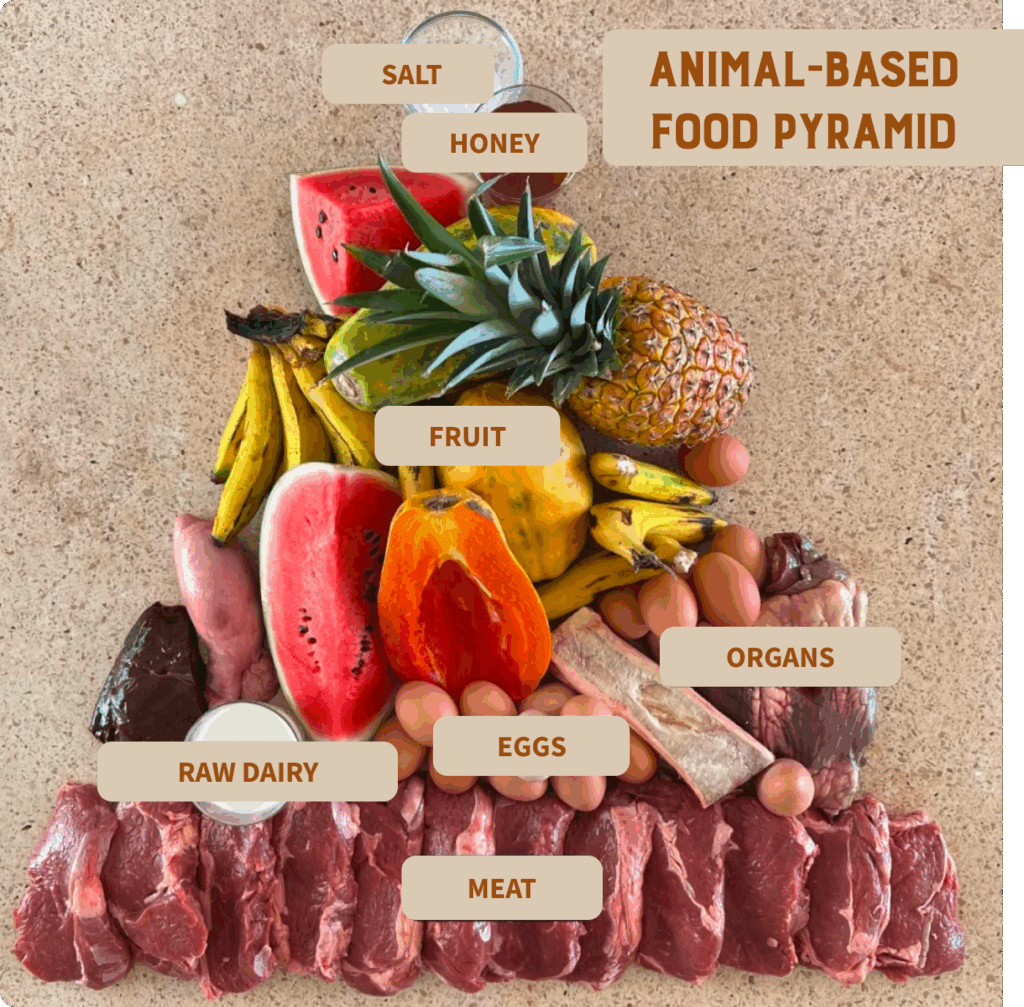
The carbohydrate sources that work best in this transition are low-toxicity, easy-to-digest whole foods: fruit, raw honey, maple syrup, and dairy. These are the sources Heart & Soil suggests as the foundation of a properly constructed animal-based diet.
Benefits many people notice when reintroducing low-toxicity carbohydrates after a carnivore phase:
- More stable hormonal balance
- Improved sleep quality
- Consistent energy without the peaks tied to stress hormones
- Better performance and recovery
- Improved digestive regularity
- Better insulin sensitivity over time
Learn more: The Ultimate Guide to The Animal-Based Diet
Glossary
Animal-based diet: A nutrient-dense dietary framework centered on high-quality animal foods, including organs, muscle meat, animal fats, dairy, eggs, with carbohydrates from low-toxicity sources, including fruit, honey, and maple syrup.
Beef organ supplement: The most foundational carnivore diet supplement. A freeze-dried, capsulized blend of animal organs, typically including liver, heart, kidney, spleen, and pancreas, used to supply nutrients present in concentrations that muscle cuts do not approach.
Desiccated: Freeze-dried at low temperatures to remove moisture without the heat that degrades heat-sensitive vitamins and enzymes. The standard processing method for high-quality organ supplements.
Electrolytes: Minerals including sodium, potassium, and magnesium that govern fluid balance, muscle contraction, and nerve signaling. Excreted more rapidly on low-carbohydrate diets due to reduced insulin and increased renal sodium excretion.
Heme iron: Iron derived from animal hemoglobin and myoglobin. Absorbed at 15 to 35%, compared to 2 to 20% for non-heme iron from plant sources (9).
Keto flu: A colloquial term for the cluster of symptoms, including fatigue, headaches, muscle cramps, and brain fog, that occur in the first 1 to 2 weeks of a ketogenic or very low-carbohydrate diet, primarily driven by electrolyte loss.
Nose-to-tail: The practice of consuming the whole animal, including organs, connective tissue, fat, and bone, rather than only muscle meat. The nutritional baseline that indigenous food traditions built around animal foods were constructed on.
Seed oils: Industrially refined oils extracted from seeds including soybean, corn, sunflower, safflower, and canola. High in omega-6 linoleic acid. Absent from a carnivore or animal-based diet. Check out: The Complete List Of Seed Oils To Avoid
FAQ: Carnivore Diet Supplements
Q: What carnivore diet supplement should I take first? A: Start with a grass-fed beef organ supplement to cover the nutrients present in organs at concentrations muscle cuts cannot match, such as copper and vitamin A.
What supplements should I take on a carnivore diet? A beef organ supplement as the foundation, electrolytes through the adaptation window (first 2 to 6 weeks), and 1+ targeted supplement based on your specific reason for going carnivore. That is the whole stack for most people.
Q: Should I take a fiber supplement on a carnivore diet? A: Generally not. The carnivore diet removes fiber intentionally. Adding a fiber supplement works against the primary mechanism that resolves digestive symptoms for most people on this approach. Temporary constipation during adaptation is usually addressed through adequate sodium, hydration, and fat intake rather than fiber.
Q: Can I take fiber supplements on a carnivore diet? A: You can, but it is likely counterproductive. The relief many people experience on carnivore comes specifically from reducing fiber and plant compounds. Reintroducing fiber via supplement tends to reintroduce the symptoms the diet was used to resolve.
Q: Can I take vitamin supplements on the carnivore diet? A: Synthetic multivitamins are largely redundant if you are eating organs regularly. Where gaps exist, a whole-foods, beef organ supplement covers them in more bioavailable forms than synthetic alternatives. Vitamin D supplementation is worth considering if sun exposure is low, especially in the winter. Magnesium is the most commonly deficient mineral and is well-supported by supplementation.
Q: Do I need a carnivore diet supplement? A: If your carnivore diet includes regular organ consumption, your supplement requirements are likely low. If it consists primarily of muscle meat, a beef organ supplement meaningfully fills the nutritional gaps.
Q: Can I take supplements while on the carnivore diet? A: Yes. The most relevant carnivore diet supplements are a beef organ supplement as a baseline, electrolytes in the adaptation phase, and targeted support based on individual goals. Synthetic multivitamins and fiber supplements are generally not necessary and may be less effective than whole-food alternatives.
Q: How long should I stay on a strict carnivore diet? A: Dr. Paul Saladino and the Heart & Soil team suggest 1 to 3 months as the useful window for a strict carnivore or ketogenic approach, depending on the individual’s starting point and goals. Beyond that, most people do better on an animal-based diet that includes carbohydrates from fruit, honey, and dairy, which supports hormone balance, sleep, energy, and metabolic function over the long term.
Q: Do I need to take supplements on carnivore diet if I feel fine? A: Feeling fine is not the same as being fully nourished, especially in the long-run. Some nutrient gaps, particularly copper and fat-soluble vitamins, take months to manifest as noticeable symptoms. The absence of symptoms is not a reason to skip organs.

Related Reading
- The Ultimate Animal-Based Diet Food List (PDF Included!)
- Is Corn Oil Healthy? 4 Dangers & What To Choose Instead
- Beef Liver Vs Chicken Liver Benefits: Which Is Healthier?
- Key Differences Between Organic And Conventional Foods
Carnivore Recipes
- Carnivore Pizza Recipe: The High-Protein, Zero-Grain Crust You Need to Try
- Beef Tongue Tacos: A Delicious High-Protein, Animal-Based Recipe
- Animal-Based Chocolate Chip Cookie Dough Recipe
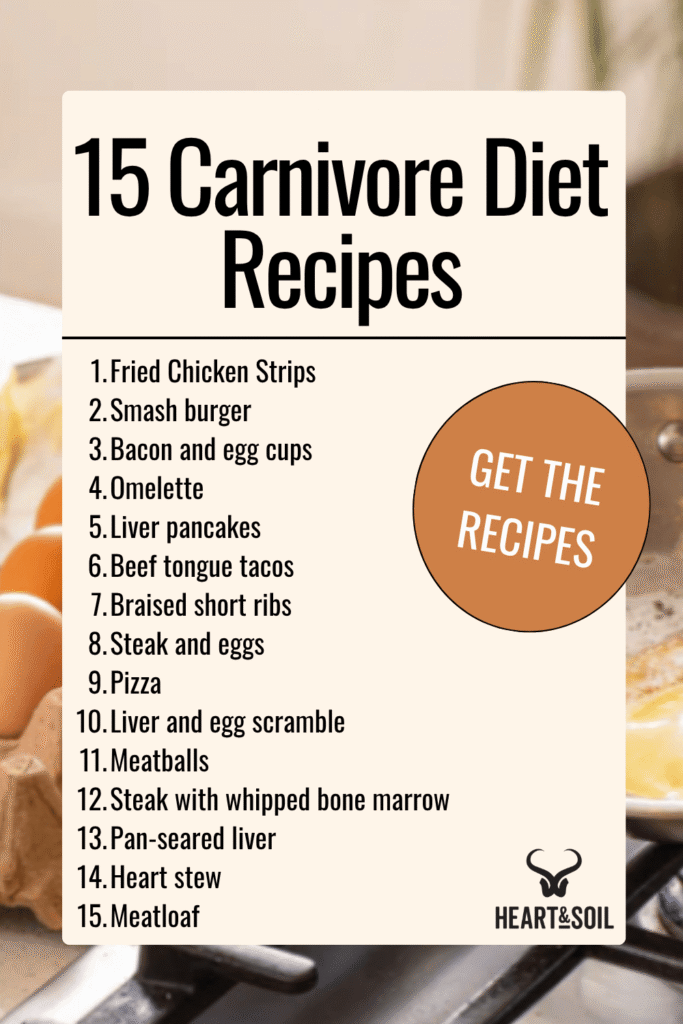
Get the recipes here: 15+ Carnivore Diet Recipes: Delicious Nutrient-Dense Meals
Bottom Line
A carnivore diet built on muscle meat alone is not a complete diet. The parts of the animal that make it complete (liver, heart, kidney, and the other organs) are the parts most people skip. That gap is where a carnivore diet supplement becomes relevant, and where a beef organ supplement earns its place as the non-negotiable first step.
Start with Beef Organs. Add electrolytes through the adaptation window. Then pick one supporting supplement based on why you went carnivore in the first place. That is the whole stack for most people.
After 1 to 3 months, the evidence and clinical experience both point toward a broader animal-based diet that includes fruit, honey, and dairy. The carnivore phase does useful work. It is not the final destination.
Subscribe to future articles like this:
