

Medical Disclaimer: This article is for educational purposes only and is not medical advice. Talk with a qualified healthcare professional before making significant changes to your diet, especially if you are pregnant, taking medication, or managing a medical condition.
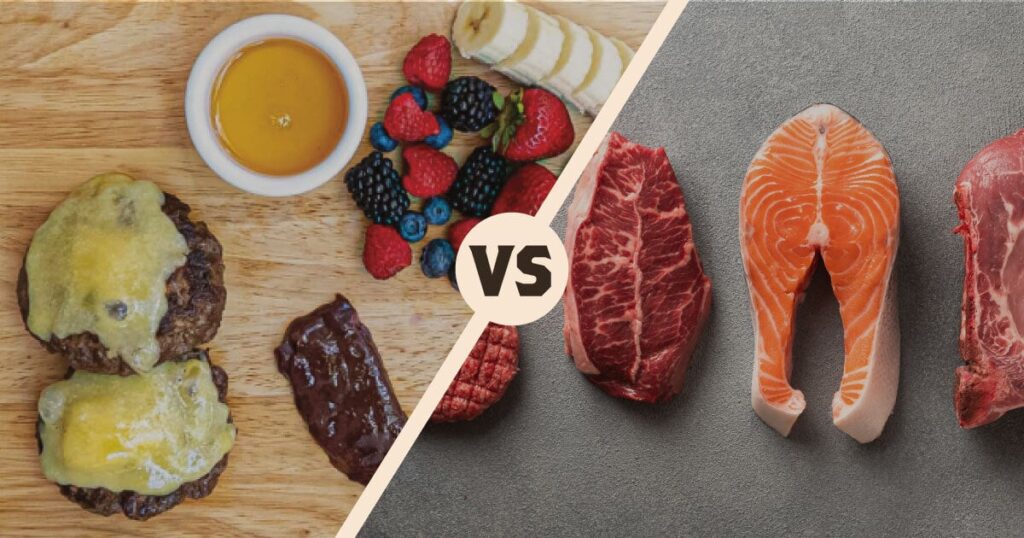
The meat and fruit diet is a simple version of an animal-based diet centered on nutrient-dense animal foods and whole fruit.
Unlike a strict carnivore diet, a meat and fruit diet includes carbohydrates from fruit.
So, what can you eat? Why do people follow it? And how is it different from carnivore?
Here’s what to know.
Key Takeaways
- A meat and fruit diet is a version of an animal-based diet centered on animal protein and whole fruit.
- Common foods include beef, lamb, bison, organs, seafood, berries, citrus, melons, mangoes, and other fruits.
- A broader animal-based diet may also include raw dairy, honey, root vegetables, and white rice.
- Unlike carnivore, a meat and fruit diet includes carbohydrates from fruit.
- Many people report health benefits from following a meat and fruit diet, such as fat loss, energy, stable moods, and more.
Table of Contents
What is The Meat and Fruit Diet?
A meat and fruit diet emphasizes meat and whole fruit while minimizing ultra-processed foods, seed oils, and many packaged snacks and meals.
It is best understood as a simplified form of animal-based eating rather than one rigidly defined diet.
A strict meat and fruit diet focuses on:
- Beef
- Lamb
- Bison
- Organ meats
- Seafood
- Eggs
- Fresh fruit
A broader version (animal-based diet) may also include dairy, honey, maple syrup, root vegetables, and white rice.
White rice is a refined grain that some people include in a broader animal-based approach. Learn more: Are Grains Bad For You? 5 Things You Should Know.
That distinction matters because there is no single official definition of a meat and fruit diet. Some people stick closely to meat and fruit, while others use the term more loosely within an animal-based framework.
Check out: The Ultimate Animal Based Diet Food List (PDF Included!)

Why Do People Follow the Meat and Fruit Diet?
People may try this approach for several reasons:
- Digestive concerns. Some people experiment with a simpler food list when they are dealing with bloating, irregular digestion, or other gut-related symptoms.
- Weight and metabolic concerns. People struggling with weight management, cravings, or blood sugar swings may be attracted to a protein-forward diet built around whole foods.
- Hormonal or fertility concerns. Some people seek out animal-based eating when they are trying to improve overall nutrient intake while dealing with fertility or hormone-related issues.
- Recovery after vegan or vegetarian diets. Former vegans and vegetarians may use the meat and fruit diet as a simple way to increase intake of highly bioavailable nutrients and regain strength.
- A desire to eat “healthier.” The diet typically replaces packaged snacks, refined grains, seed oils, and other processed foods with meat, fruit, and other whole foods.
- More flexibility than carnivore. It keeps animal foods at the center while allowing carbohydrates from fruit.
For many people, the appeal is not that meat and fruit are a cure-all. It is that this approach provides a straightforward framework for prioritizing nutrient-dense animal foods and whole-food carbohydrate sources.
Meat and Fruit Diet Food List
1. Red Meat
Ruminant meats are rich in complete protein, iron, zinc, vitamin B12, and other essential nutrients.
Compared with poultry and pork, ruminant fat is generally lower in polyunsaturated fatty acids because animals like cattle, sheep, and bison biohydrogenate much of the unsaturated fat they eat during digestion.
Beef is one of the most common staples on the meat and fruit diet, followed by lamb and bison.
Try:
- Ground beef
- Steak
- Chuck roast
- Brisket
- Short ribs
- Burger patties
- Lamb chops
- Ground lamb
- Bison
2. Pasture-Raised Poultry & Pork
Poultry and pork can also fit into the meat and fruit diet, especially when they come from pasture-raised animals.
Unlike ruminants, chickens and pigs are monogastric animals, which means the types of fat in their diet are more directly reflected in their body fat. Animals raised on feed high in corn, soy, and other high-PUFA ingredients can therefore have higher levels of polyunsaturated fat in their meat and fat.
For that reason, Heart & Soil generally suggests prioritizing ruminant meat and choosing higher-quality poultry and pork when you include them.
Options include:
- Chicken
- Turkey
- Duck
- Ground pork
- Pork tenderloin
- Pork chops
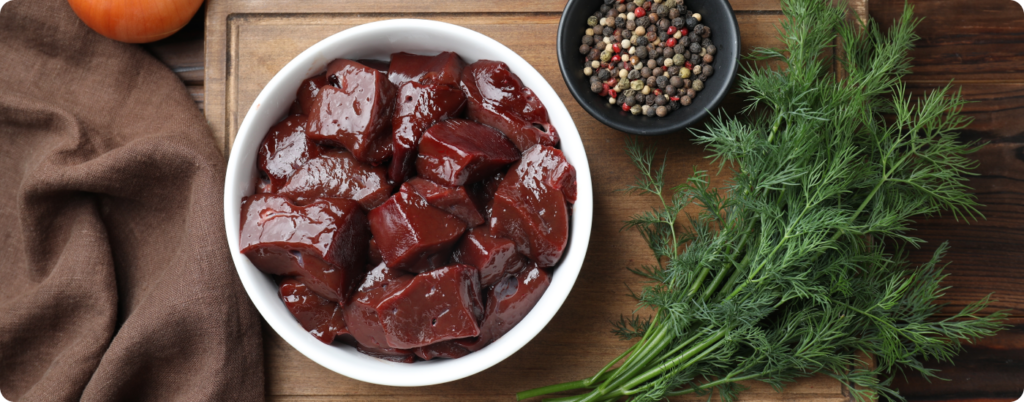
3. Organ Meats
Traditional nose-to-tail eating incorporates more than muscle meat.
Organ meats include:
- Liver
- Heart
- Kidney
- Spleen
- Pancreas
Organs are especially nutrient-dense and can help broaden the micronutrient profile of an otherwise simple diet.
Learn more: 10 Reasons Why You Should Be Eating Organ Meats
4. Eggs
Eggs are not technically meat, but many people following a meat and fruit diet include them.
They provide protein, choline, fat-soluble vitamins, and other essential nutrients.
5. Fish and Seafood
Seafood can add variety and provide nutrients that may be harder to obtain from land animals alone.
Options include:
- Salmon
- Sardines
- Oysters
- Shrimp
- White fish
- Scallops
6. Sweet Fruits
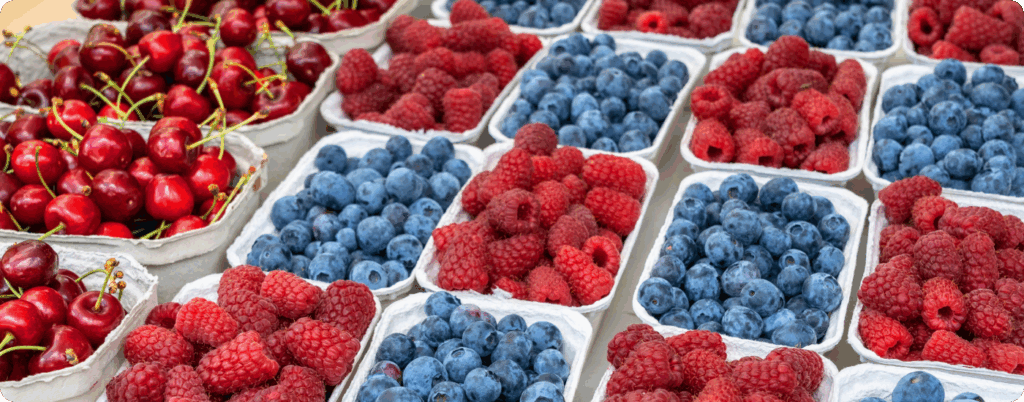
- Berries: strawberries, blueberries, raspberries, blackberries, etc.
- Tropical fruit: mango, pineapple, papaya, banana, kiwi, etc.
- Citrus fruit: oranges, tangerines, grapefruit, lemons, limes, etc.
- Melons: watermelon, cantaloupe, honeydew, etc.
- Other fruit: apples, pears, grapes, peaches, cherries, dates, etc.
Fresh, frozen, or unsweetened dried fruit can all fit.
6. Non-Sweet Fruit
Not all fruit tastes sweet. Several foods we commonly think of as vegetables are botanically fruits and can fit well into a meat and fruit diet.
- Olives
- Avocado
- Cucumber
- Summer squash, such as zucchini
- Winter squash, such as butternut and acorn squash
Why Combine Meat and Fruit?
Meat and fruit serve different nutritional roles.
Meat Provides Protein and Fat
Animal foods provide complete protein and essential amino acids needed for tissue repair, muscle maintenance, enzymes, and hormones.
Many animal foods also provide fat, fat-soluble vitamins, iron, zinc, and B vitamins.
Fruit Provides Carbohydrates
Whole fruit provides carbohydrates for energy, along with water and fiber.
Depending on the fruit, it also contributes vitamin C, potassium, and other micronutrients. Choosing a variety of fruits broadens the nutrients available.
This is one of the biggest differences between a meat and fruit diet and a strict carnivore diet.
Rather than eliminating carbohydrates, this approach includes them primarily through whole fruit.
Is a Fruit and Meat Diet Healthy?
A fruit and meat diet can provide protein, fat, carbohydrates, vitamins, and minerals, but the quality and variety of the foods you choose still matter.
There are no long-term randomized controlled trials studying a strict meat and fruit diet as its own dietary intervention. That means there is not enough evidence to say this diet can prevent, treat, heal, or guarantee specific health outcomes.
That said, some people who switch to the meat and fruit diet anecdotally report improvements such as:
- Fat loss
- Better digestion
- More stable energy and mood
- Fewer cravings
- Feeling more satisfied after meals
Meat and Fruit Diet vs. Carnivore Diet
The biggest difference between the meat and fruit diet and the carnivore diet is carbohydrate intake.
| Meat and Fruit Diet | Carnivore Diet | Animal-Based Diet | |
| Meat | Yes | Yes | Yes |
| Organs | Yes | Yes | Yes |
| Fruit | Yes | No | Yes |
| Eggs | Often | Yes | Yes |
| Dairy | Optional | Sometimes | Can be included |
| Honey | Optional | No | Can be included |
| Root vegetables | Usually not central | No | Can be included |
| Squash | Can be included | No | Can be included |
| White rice | Usually not central | No | Can be included |
A carnivore diet generally excludes plant foods. A meat and fruit diet adds whole fruit while keeping animal foods at the center.
A broader animal-based diet may also include foods such as dairy, honey, maple syrup, white rice, squash, and root vegetables based on individual tolerance, needs, and goals.
Learn more: The Traditional Animal-Based Nutrition Strategy
Meat and Fruit Diet Meal Guide
You do not need complicated recipes to build meals around meat and fruit.
Here is one simple example:
- Breakfast = Eggs, berries, an orange, Beef Organs supplement
- Lunch = Ground beef patties, avocado, pickles, and watermelon
- Snack = Beef jerky, apple, olives
- Dinner = Steak with cucumber and pineapple
You can adjust portions and food choices based on appetite, activity level, preferences, and tolerance.
Potential Downsides of a Strict Meat and Fruit Diet
A very limited meat and fruit diet can become unnecessarily restrictive.
Potential concerns include:
- Less dietary variety
- Lower calcium intake if dairy is excluded
- Fewer food options socially
- Difficulty meeting individual micronutrient needs if organ meats, eggs, or seafood are not included
- Reduced flexibility for athletes or people with higher calorie needs
There is also no evidence that eating only meat and fruit is inherently superior to a broader animal-based diet.
If you tolerate eggs, dairy, honey, rice, and root vegetables, there is little reason to exclude them simply for the sake of restriction.
FAQ
Is a fruit and meat diet healthy?
A fruit and meat diet can provide protein, fat, carbohydrates, vitamins, and minerals, but there are no long-term clinical trials evaluating a strict meat-and-fruit-only diet. A broader animal-based diet may make it easier to get a wider range of nutrients.
Is a meat and fruit diet the same as carnivore?
No. Carnivore diets generally exclude fruit and other plant foods. The meat and fruit diet includes carbohydrates from fruit and is better viewed as a version of an animal-based diet.
Can you eat vegetables on the meat and fruit diet?
Some people keep the diet primarily to meat and fruit. A broader animal-based approach may also include squash and root vegetables based on tolerance.
Can you eat dairy on the meat and fruit diet?
Dairy is optional. It is commonly included in broader animal-based diets but is not necessary for something to be considered a meat and fruit diet.
Can you eat rice on a meat and fruit diet?
White rice is not a core meat-and-fruit food. However, some people include it as a carbohydrate source within a broader animal-based diet.
Related Reading
- Animal-Based Diet on a Budget: Under $10 a Day
- 6 Dangers of Eating Liver: What You Need to Know
- 5 Surprising Bull Testicle Benefits You Should Know About
Download the full animal based diet food list PDF for a printable animal-based grocery list and other resources to help you get started.
The Bottom Line
A meat and fruit diet centers meals around nutrient-dense animal foods and whole fruit.
Compared with carnivore, it includes carbohydrates from fruit. A broader animal-based approach can add foods such as dairy, honey, maple syrup, white rice, squash, and root vegetables based on individual needs and tolerance.
You do not need to eat only steak and berries.
The goal is to build meals around high-quality animal foods while choosing whole-food carbohydrate sources that work well for you.
Beef Organs
Nature's Ultimate Multivitamin
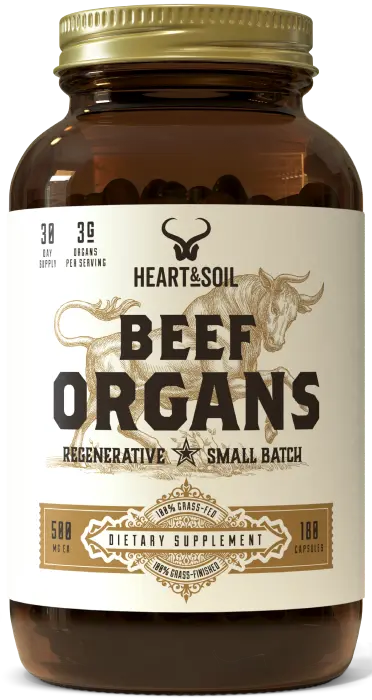
- Grass-fed liver, heart, pancreas, kidney, & spleen
- Designed to support overall energy & well-being
- Ideal daily foundation for nose-to-tail nutrition
60-day risk-free guarantee. No questions asked.
Subscribe to future articles like this:
